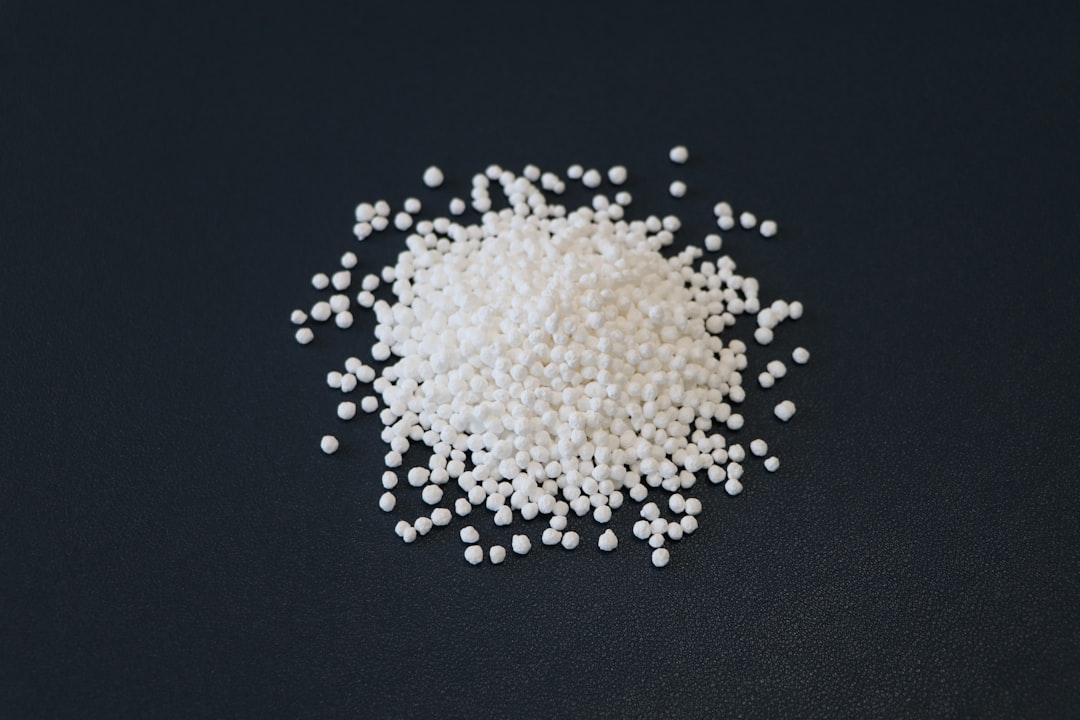
The pervasive presence of phosphorus additives in ultra-processed foods (UPFs) represents a significant, often overlooked, threat to public health. While phosphorus is an essential mineral for the human body, playing a critical role in bone health, cellular function, and energy metabolism, the form in which it is frequently consumed through UPFs differs dramatically from its naturally occurring counterpart. This article will explore the hidden dangers associated with these additives, examining their absorption, metabolic consequences, and the potential health implications for individuals with chronic conditions and the general population.
What Constitutes Ultra-Processed Foods?
Ultra-processed foods, as defined by the NOVA classification system, are industrial formulations typically containing five or more ingredients. These ingredients often include substances not commonly used in culinary preparations, such as hydrogenated oils, high-fructose corn syrup, protein isolates, and various flavor enhancers, emulsifiers, and artificial sweeteners. Their defining characteristic is their industrial processing, which involves techniques like extrusion, molding, and pre-frying. The result is a product that is convenient, palatable, and often inexpensive, but which bears little resemblance to its raw ingredient origins. Examples range from sugary cereals and packaged snacks to reconstituted meats and ready-to-eat meals.
The Role of Phosphorus Additives
Phosphorus additives, primarily in the form of inorganic phosphates, are incorporated into UPFs for a variety of functional purposes. Manufacturers utilize them to enhance texture, improve moisture retention, extend shelf life, and achieve desired color and flavor profiles. They are commonly found in:
- Meats and poultry: To increase water-holding capacity, leading to juicier products and reduced cooking losses. This is particularly prevalent in deli meats, sausages, and processed chicken products.
- Dairy products: To act as emulsifiers and stabilizers in cheese, yogurts, and non-dairy milk alternatives. They help prevent separation and create a smoother mouthfeel.
- Baked goods: To leaven doughs, improve crumb structure, and extend freshness in bread, cakes, and pastries.
- Beverages: As acidulants and emulsifiers in soft drinks and powdered drink mixes.
- Snack foods: To enhance crispness and texture in potato chips and other savory snacks.
The sheer volume and variety of UPFs available mean that a significant portion of the population is exposed to these added phosphates on a daily basis, often without conscious awareness.
Recent studies have highlighted the potential health risks associated with phosphorus additives commonly found in ultra-processed foods. These additives, often used to enhance flavor and extend shelf life, may contribute to various health issues, including kidney disease and cardiovascular problems. For more insights on this topic, you can read a related article that delves into the implications of phosphorus in our diets by visiting this link.
The Biological Significance of Phosphorus and Its Dietary Sources
Phosphorus as an Essential Nutrient
Phosphorus is the second most abundant mineral in the human body, with approximately 85% of it residing in the bones and teeth as hydroxyapatite. The remaining 15% is found in soft tissues and fluids, where it is crucial for a multitude of biochemical processes. These include:
- Energy metabolism: As a component of adenosine triphosphate (ATP), the primary energy currency of the cell.
- Cellular structure: Forming the backbone of phospholipids, which are essential components of cell membranes.
- DNA and RNA synthesis: As part of the nucleic acid structures that carry genetic information.
- Acid-base balance: Acting as a buffer in bodily fluids to maintain a stable pH.
- Enzyme regulation: Through phosphorylation and dephosphorylation, mechanisms that control the activity of many enzymes.
Natural vs. Added Phosphorus
Dietary phosphorus is naturally present in a wide range of whole foods, including dairy products, meat, fish, eggs, nuts, seeds, and legumes. In these foods, phosphorus is primarily in organic forms, bound to proteins, carbohydrates, and phospholipids. The absorption of organic phosphorus from whole foods is relatively slow and inefficient, with absorption rates typically ranging from 40% to 60%. This slower absorption rate allows the body to effectively regulate its phosphorus levels through hormonal mechanisms orchestrated by the parathyroid glands and kidneys.
In contrast, inorganic phosphate additives in UPFs are readily absorbed in the gastrointestinal tract. Their chemical structure allows for near-complete absorption, often exceeding 90%. This stark difference in bioavailability is a critical factor contributing to the potential health risks associated with high consumption of UPFs.
The Problem of High Phosphate Absorption from Additives

Mechanisms of Absorption and Regulation
The body tightly regulates serum phosphate levels to prevent both hypophosphatemia (low phosphate) and hyperphosphatemia (high phosphate). When phosphate intake increases, the kidneys play a central role in excreting the excess to maintain homeostasis. Hormones like parathyroid hormone (PTH) are involved in this process. PTH decreases renal phosphate reabsorption, thereby increasing phosphate excretion. However, the sustained and rapid influx of readily absorbable inorganic phosphates from UPFs can overwhelm this regulatory system.
The Concept of “Phosphate Load”
The term “phosphate load” refers to the overall burden of phosphate introduced into the body. When this load is consistently high due to the consumption of UPFs with numerous phosphate additives, the body’s compensatory mechanisms may struggle to keep pace. This can lead to a chronic, low-grade elevation in serum phosphate levels, a condition known as mild hyperphosphatemia. While overt hyperphosphatemia is a serious clinical condition, the long-term effects of mild, chronic elevations are less well-understood but increasingly recognized as detrimental.
Potential for Overconsumption
The palatability and addictive nature of UPFs, often engineered through combinations of salt, sugar, fat, and additives like phosphates, can lead to overconsumption. Individuals may consume multiple UPFs throughout the day, inadvertently ingesting a significant quantity of added inorganic phosphates without a commensurate increase in intake of other essential nutrients found in whole foods. This further exacerbates the phosphate load and the potential for supra-physiological levels of absorption.
Health Consequences of Elevated Phosphate Levels

Cardiovascular Health Risks
Numerous studies have indicated a strong association between elevated serum phosphate levels and increased cardiovascular disease (CVD) risk. The precise mechanisms are still being elucidated, but several pathways have been proposed:
- Vascular calcification: High phosphate levels are a known driver of vascular calcification, the hardening and narrowing of arteries due to calcium deposition. This process contributes to hypertension, atherosclerosis, and increased risk of heart attack and stroke. Inorganic phosphates can directly promote the precipitation of calcium phosphate crystals in the blood vessel walls.
- Endothelial dysfunction: Elevated phosphates can impair the function of the endothelium, the inner lining of blood vessels. This dysfunction can lead to reduced vasodilation, increased inflammation, and a pro-thrombotic state.
- Cardiac hypertrophy: Chronic high phosphate levels have been linked to an increase in the size of heart muscle cells (cardiac hypertrophy), which can impair the heart’s ability to pump blood effectively and increase the risk of heart failure.
- Renal dysfunction: The kidneys are crucial for phosphate excretion, and sustained high phosphate levels can place a significant burden on these organs. Over time, this can contribute to or exacerbate chronic kidney disease (CKD). As CKD progresses, the kidneys’ ability to excrete phosphate further diminishes, creating a vicious cycle of worsening hyperphosphatemia.
Impact on Bone Health
While phosphorus is essential for bone health, paradoxically, chronic hyperphosphatemia can negatively impact bone metabolism. In an attempt to counteract elevated serum phosphate, the body may become resistant to the effects of PTH. This can lead to:
- Secondary hyperparathyroidism: The parathyroid glands may produce more PTH in an effort to increase phosphate excretion and lower serum phosphate. However, with chronically elevated phosphate, this can become a maladaptive response.
- Bone mineral disturbances: Chronic alterations in calcium and phosphate homeostasis can disrupt the delicate balance of bone remodeling, potentially leading to weakened bones and increased fracture risk over the long term.
- Adynamic bone disease: In some cases, the complex interplay of altered hormone levels can lead to a decrease in bone turnover, a condition known as adynamic bone disease, which also compromises bone strength.
Endocrine and Metabolic Disruptions
Beyond cardiovascular and bone health, elevated phosphate levels have been implicated in various endocrine and metabolic disruptions:
- Insulin resistance and type 2 diabetes: Emerging research suggests a link between high phosphate intake and the development of insulin resistance, a precursor to type 2 diabetes. The mechanisms are still under investigation but may involve inflammation and interference with insulin signaling pathways.
- Hormonal imbalances: Chronic hyperphosphatemia can affect the production and regulation of various hormones, including those involved in growth, metabolism, and reproductive function.
- Inflammation: High phosphate concentrations can promote a pro-inflammatory state in the body, contributing to the pathogenesis of numerous chronic diseases.
Recent studies have raised concerns about the health implications of phosphorus additives commonly found in ultra-processed foods. These additives, often used to enhance flavor and preserve shelf life, may contribute to various health issues, including kidney damage and cardiovascular diseases. For a deeper understanding of this topic, you can explore a related article that discusses the potential risks associated with these additives and their prevalence in our diets. To learn more, visit this insightful article.
Vulnerable Populations and Specific Health Concerns
| Product | Phosphorus Additive (mg) | Calories | Sodium (mg) |
|---|---|---|---|
| Ultra Processed Food 1 | 150 | 250 | 500 |
| Ultra Processed Food 2 | 200 | 300 | 600 |
| Ultra Processed Food 3 | 180 | 280 | 550 |
Individuals with Chronic Kidney Disease (CKD)
Individuals with CKD are particularly vulnerable to the adverse effects of phosphorus additives. Their compromised kidney function severely impairs their ability to excrete excess phosphate. As a result, even moderate intake of phosphate-rich UPFs can lead to significant hyperphosphatemia. This not only exacerbates existing kidney damage but also accelerates the progression of CKD and significantly increases the risk of cardiovascular complications, which are the leading cause of mortality in CKD patients. It is therefore crucial for individuals with CKD to be vigilant about their dietary phosphate intake, paying close attention to the ingredients in processed foods.
Children and Adolescents
The developing bodies of children and adolescents are susceptible to the long-term consequences of poor dietary habits. The widespread availability and marketing of UPFs to this demographic raise particular concern. Exposure to high levels of readily absorbed inorganic phosphates during critical growth periods may contribute to abnormal bone development, metabolic disturbances, and an increased risk of chronic diseases later in life. Furthermore, the displacement of nutrient-dense whole foods by UPFs can lead to deficiencies in essential micronutrients, compounding the negative health impacts.
The Elderly
As individuals age, their physiological reserve may decrease, making them more susceptible to the detrimental effects of dietary imbalances. The elderly often have pre-existing health conditions, which can be exacerbated by chronic hyperphosphatemia. For instance, sarcopenia (age-related muscle loss) and increased risk of falls and fractures could be worsened by the bone mineral disturbances associated with high phosphate intake.
Navigating the Food Landscape and Future Directions
Reading Food Labels: A Crucial Skill
Understanding the impact of phosphorus additives necessitates a proactive approach from consumers. This includes developing the skill of reading and interpreting food labels. Phosphate additives can be listed under various names, including:
- Phosphoric acid
- Dipotassium phosphate
- Monosodium phosphate
- Tricalcium phosphate
- Sodium hexametaphosphate
- Tetrasodium pyrophosphate
Consumers should be wary of products containing multiple ingredients that include the word “phosphate.” A general rule of thumb is that the higher the number of phosphate-containing ingredients on a label, the greater the potential for a significant phosphate load.
The Role of Public Health and Regulation
Addressing the hidden danger of phosphorus additives requires a multi-pronged approach involving public health initiatives and regulatory measures.
- Public awareness campaigns: Educating the public about the risks associated with UPFs and phosphorus additives is paramount. This can be achieved through various media channels and collaborations with healthcare professionals.
- Industry reformulation: Encouraging and potentially mandating the reformulation of UPFs to reduce or eliminate the use of excessive phosphate additives would have a significant population-level impact.
- Clearer labeling: Implementing clearer and more prominent labeling of phosphate additives, perhaps with warnings or specific nutrient information, could empower consumers to make more informed choices.
- Dietary guidelines: Integrating recommendations for limiting the consumption of UPFs high in phosphate additives into national dietary guidelines is essential.
Prioritizing Whole Foods and Minimally Processed Options
The most effective strategy for mitigating the risks associated with phosphorus additives is to shift dietary patterns towards whole, unprocessed foods and minimally processed options. By focusing on a diet rich in fruits, vegetables, lean proteins, and whole grains, individuals can obtain their essential phosphorus from natural sources with a lower absorption rate, while simultaneously benefiting from the fiber, vitamins, minerals, and phytochemicals that are vital for optimal health. This dietary pivot represents a fundamental step towards reducing the “phosphate load” and promoting long-term well-being.
The pervasive nature of phosphorus additives in ultra-processed foods presents a complex and underappreciated public health challenge. While phosphorus is an essential nutrient, its form and quantity in these industrially modified products can lead to detrimental health consequences. By fostering greater awareness, encouraging thoughtful food choices, and advocating for sensible regulatory measures, individuals and societies can begin to mitigate the hidden dangers and move towards a healthier dietary future.
FAQs
What are phosphorus additives in ultra processed foods?
Phosphorus additives are chemicals added to ultra processed foods to enhance flavor, texture, and shelf life. They are often used in processed meats, canned soups, and packaged snacks.
Why are phosphorus additives used in ultra processed foods?
Phosphorus additives are used in ultra processed foods to improve their taste, appearance, and texture. They also act as preservatives, extending the shelf life of these products.
Are phosphorus additives in ultra processed foods harmful to health?
Excessive consumption of phosphorus additives can be harmful to health, as it has been linked to kidney disease, cardiovascular issues, and bone health problems. It is important to be mindful of the amount of phosphorus additives consumed in ultra processed foods.
How can I identify phosphorus additives in ultra processed foods?
Phosphorus additives can be identified on food labels by looking for terms such as “phosphate,” “phosphoric acid,” or “sodium phosphate.” Checking the ingredient list can help consumers identify the presence of phosphorus additives in ultra processed foods.
What are some alternatives to consuming phosphorus additives in ultra processed foods?
Consumers can opt for whole, unprocessed foods such as fruits, vegetables, whole grains, and lean proteins to avoid phosphorus additives commonly found in ultra processed foods. Reading food labels and choosing products with minimal additives can also help reduce phosphorus intake.