
The increasing demand for electric vehicle (EV) batteries is a significant factor influencing global resource markets. Among the key materials gaining prominence is phosphorus, a vital component in certain advanced battery chemistries. While often overshadowed by more publicized battery materials like lithium and cobalt, phosphorus is quietly becoming a critical element in the transition to electric mobility. This growing demand necessitates a closer examination of its supply chains, technological implications, and potential challenges.
The evolution of electric vehicle battery technology is a dynamic process driven by the pursuit of higher energy density, improved safety, and reduced costs. While lithium-ion batteries have dominated the market for years, with various cathode chemistries like NMC (Nickel-Manganese-Cobalt) and LFP (Lithium Iron Phosphate) being prevalent, the landscape is continually shifting. The adoption of LFP batteries, in particular, has a direct and substantial impact on phosphorus demand.
The Rise of Lithium Iron Phosphate (LFP) Batteries
LFP: An Emerging Dominant Chemistry
Once considered a niche alternative, LFP batteries have experienced a remarkable resurgence and are increasingly being adopted by major automotive manufacturers. This shift is driven by several factors, including the inherent safety advantages of LFP, its longer cycle life, and crucially, its avoidance of expensive and ethically challenging metals like cobalt and nickel. The relative abundance and cost-effectiveness of iron and phosphate contribute significantly to LFP’s appeal from a supply chain perspective.
Phosphate as a Core Component of LFP
In LFP cathodes, phosphorus is primarily present in the form of lithium iron phosphate (LiFePO4). The phosphate anion (PO4³⁻) forms a stable crystal structure that is integral to the battery’s electrochemical performance. This structural integrity contributes to LFP’s thermal stability, making it less prone to thermal runaway compared to other cathode materials. As LFP gains market share, the demand for its phosphate precursor will inevitably increase in parallel.
Alternatives and Future Cathode Materials
While LFP is currently a major driver, research and development continue to explore new battery chemistries. Some of these emerging technologies may also incorporate phosphorus in different forms or potentially utilize alternative materials altogether. However, for the foreseeable future, the growth trajectory of LFP batteries points to a sustained and growing demand for phosphorus in the EV battery sector. The industry must anticipate and plan for this increased consumption.
As the demand for electric vehicles (EVs) continues to rise, so does the need for essential materials like phosphorus, which plays a critical role in enhancing battery performance and longevity. A related article that delves into the implications of phosphorus demand in the context of EV batteries can be found at Hey Did You Know This. This resource provides valuable insights into how the increasing reliance on phosphorus could impact the future of sustainable energy and the automotive industry.
Global Phosphorus Supply Chains: Current Status and Challenges
Phosphorus, while seemingly abundant on Earth, is not uniformly distributed, and its extraction and processing are subject to specific geopolitical and environmental considerations. The vast majority of global phosphorus is derived from phosphate rock, a non-renewable resource.
Phosphate Rock: The Primary Source
Phosphate rock is mined from sedimentary deposits formed over geological timescales. The leading producers of phosphate rock globally include China, Morocco, the United States, and Russia. The mining process itself can be resource-intensive, requiring significant energy and water. Furthermore, the quality of phosphate rock varies, impacting the efficiency and cost of downstream processing.
Concentration and Purification Processes
After mining, phosphate rock undergoes a series of beneficiation and purification steps to extract and refine the phosphorus into usable compounds. This typically involves chemical treatments, such as the production of phosphoric acid, which is then further processed to yield battery-grade materials. These processes can generate byproducts and wastewater, requiring careful environmental management.
Geopolitical Factors and Resource Concentration
The geographical concentration of high-quality phosphate rock deposits presents potential vulnerabilities in the global supply chain. Geopolitical tensions, trade policies, and export restrictions by major producing nations can impact the availability and price of phosphate derivatives. Diversifying supply sources and investing in geographically dispersed production facilities are strategies being considered to mitigate these risks.
Environmental Considerations in Mining and Processing
Phosphate mining can lead to habitat destruction, soil erosion, and water contamination if not managed responsibly. The processing of phosphate rock also involves the use of chemicals, and the management of waste products, including phosphogypsum (a byproduct of phosphoric acid production), is a significant environmental challenge. Sustainable mining practices and advancements in waste management are crucial for the long-term viability of the industry.
Technological Innovations Driving Phosphorus Purity and Efficiency
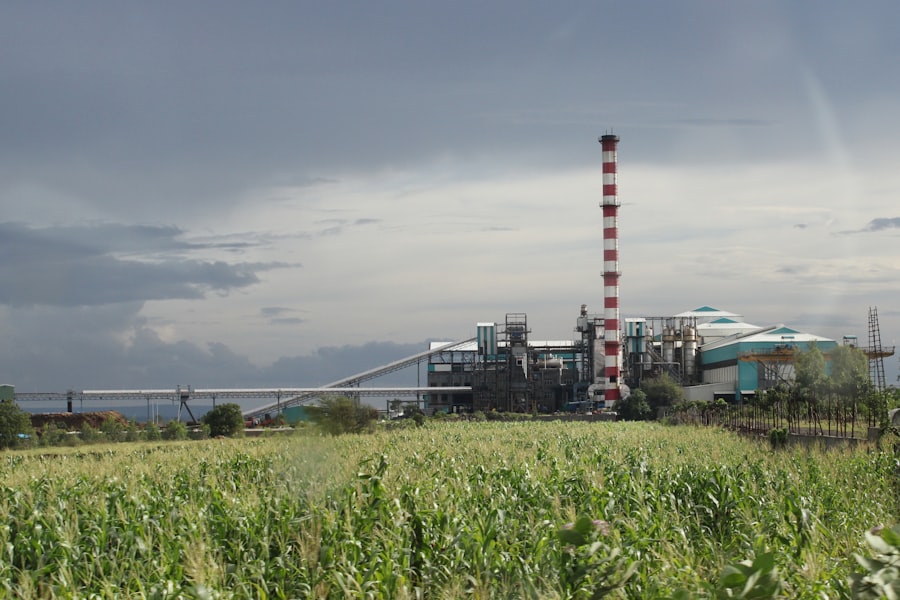
The stringent purity requirements for battery materials necessitate advanced processing techniques. The development of more efficient and environmentally sound methods for producing battery-grade phosphorus compounds is a key area of research and development.
High-Purity Phosphoric Acid Production
Producing high-purity phosphoric acid (H3PO4) from phosphate rock is a critical first step. Traditional “wet process” methods, while common, can introduce impurities that are detrimental to battery performance. Newer techniques, such as the thermal process, offer the potential for higher purity but are generally more energy-intensive. Research is focused on optimizing existing processes and developing novel methods that are both efficient and effective in removing trace contaminants.
Precipitation and Crystallization Techniques
Once high-purity phosphoric acid is obtained, it is reacted with iron and lithium sources to precipitate lithium iron phosphate. The control of particle size, morphology, and crystal structure during these precipitation and crystallization steps is paramount to achieving optimal electrochemical performance in the final battery cathode. Advanced techniques like co-precipitation and solvothermal synthesis are employed to tailor these properties.
Recycling and Resource Recovery
The concept of a circular economy is gaining traction in the EV battery sector. Efforts are underway to develop effective methods for recycling spent EV batteries, including the recovery of valuable elements like phosphorus. While the recycling of LFP batteries is still in its nascent stages compared to other chemistries, establishing efficient phosphorus recovery processes could significantly reduce reliance on virgin mining and contribute to a more sustainable battery ecosystem.
Nanotechnology and Material Engineering
Nanotechnology is playing an increasingly important role in tailoring the properties of cathode materials. Engineering phosphorus-containing nanomaterials can enhance ion diffusion, improve electrical conductivity, and increase the surface area available for electrochemical reactions, leading to improved battery performance and longevity. This specialized application of phosphorus further accentuates the need for precise control over its purity and form.
Economic Implications of Growing Phosphorus Demand

The rising demand for phosphorus in EV batteries has tangible economic consequences, influencing commodity prices, investment decisions, and the competitive landscape of battery manufacturing.
Price Fluctuations and Market Volatility
As demand for LFP batteries increases, the price of phosphate rock, phosphoric acid, and related derivatives is likely to experience upward pressure. Market volatility can arise from a combination of factors, including supply disruptions, changes in mining output, and shifts in demand from other sectors that also utilize phosphorus (e.g., agriculture). Investors and manufacturers must account for potential price fluctuations in their long-term planning.
Investment in Extraction and Processing Capacity
To meet the projected demand, significant investments will be required in expanding phosphate rock mining operations and upgrading processing facilities. This includes developing new mines, improving existing infrastructure, and investing in research and development for more efficient and sustainable extraction and purification technologies. The geographical distribution of these investments will be influenced by resource availability and political stability.
The Cost Competitiveness of LFP Batteries
The cost of phosphorus is a material input impacting the overall manufacturing cost of LFP batteries. While LFP offers cost advantages due to the absence of expensive cobalt and nickel, significant increases in phosphorus prices could erode some of this benefit and influence the continued competitiveness of LFP against other battery chemistries. Manufacturers are therefore keen on securing reliable and cost-effective sources of phosphorus.
Emerging Players and Supply Chain Strategies
The growing importance of phosphorus may lead to the emergence of new players in the mining and chemical processing sectors. Companies that can secure access to high-quality phosphate reserves and develop efficient, high-purity production capabilities will be well-positioned. Diversification of supply chains and long-term supply agreements are becoming key strategies for battery manufacturers to ensure consistent access to critical materials.
As the demand for electric vehicles continues to rise, the need for essential materials like phosphorus in battery production is becoming increasingly important. A recent article highlights how phosphorus plays a crucial role in enhancing the performance and longevity of these batteries, making it a key component in the transition to sustainable energy. For more insights on this topic, you can read the full article here. Understanding the implications of phosphorus demand is vital for both manufacturers and consumers in the evolving automotive landscape.
Future Outlook and Strategic Considerations for Phosphorus
| Electric Vehicle Model | Phosphorus Demand (kg per vehicle) |
|---|---|
| Tesla Model 3 | 4.5 |
| Nissan Leaf | 3.2 |
| Chevrolet Bolt EV | 5.1 |
The long-term outlook for phosphorus demand in the EV battery sector is intrinsically linked to the continued growth of electric vehicle adoption and the sustained popularity of LFP battery technology. Strategic planning and proactive measures are essential to navigate the challenges and capitalize on the opportunities associated with this vital resource.
Sustainable Sourcing and Environmental Stewardship
The industry must prioritize sustainable mining practices and invest in technologies that minimize the environmental footprint of phosphorus extraction and processing. This includes exploring alternative sources where feasible, reducing water and energy consumption, and developing effective solutions for waste management, such as the reuse of phosphogypsum. Demonstrating strong environmental, social, and governance (ESG) credentials will be increasingly important for suppliers.
Recycling and Circular Economy Integration
The development of robust and economically viable recycling processes for LFP batteries is a critical step towards a circular economy for phosphorus. Enabling the recovery and reuse of phosphorus from end-of-life batteries will reduce dependence on primary extraction, conserve resources, and mitigate environmental impacts. Investment in material science and engineering for efficient disassembly and material separation is crucial.
Supply Chain Resilience and Diversification
To mitigate the risks associated with geographically concentrated resources and potential geopolitical disruptions, a focus on supply chain resilience and diversification is imperative. This may involve exploring new mining locations, forging strategic partnerships with a wider range of suppliers, and developing domestic processing capabilities in key EV manufacturing regions.
Research and Development of Alternative Phosphorous Uses
While the immediate focus is on battery applications, continued research into novel applications of phosphorus and its derivatives in other burgeoning industries could create a more diversified and stable demand landscape. Conversely, research into alternative battery chemistries that rely less on phosphorus could also influence future demand trajectories. The industry must remain agile and adaptable.
The growing demand for phosphorus in EV batteries represents both a significant opportunity and a complex challenge. By understanding the intricacies of its supply chains, embracing technological advancements, and prioritizing sustainable and resilient sourcing strategies, the industry can ensure a steady flow of this critical material to power the transition to electric mobility. Close collaboration between mining companies, chemical processors, battery manufacturers, and research institutions will be paramount in navigating this evolving resource landscape.
FAQs
What is the role of phosphorus in electric vehicle batteries?
Phosphorus is used in the cathode of lithium-ion batteries, where it helps to improve the battery’s energy density and overall performance. It also helps to stabilize the battery’s structure and enhance its cycling stability.
How does the demand for electric vehicle batteries impact phosphorus production?
The increasing demand for electric vehicle batteries has led to a growing demand for phosphorus, as it is a key component in the production of these batteries. This has put pressure on phosphorus production and supply chains, leading to efforts to increase production and find alternative sources of phosphorus.
What are the challenges associated with meeting the phosphorus demand for electric vehicle batteries?
One of the main challenges is ensuring a sustainable and reliable supply of phosphorus to meet the growing demand from the electric vehicle industry. This includes addressing issues related to phosphorus mining, production, and recycling, as well as minimizing the environmental impact of phosphorus extraction and processing.
What are some potential solutions to address the phosphorus demand for electric vehicle batteries?
Potential solutions include developing more efficient phosphorus extraction and production methods, increasing recycling efforts to recover phosphorus from used batteries, and exploring alternative sources of phosphorus such as phosphate rock deposits and wastewater treatment facilities.
How does the phosphorus demand for electric vehicle batteries impact the environment?
The increasing demand for phosphorus for electric vehicle batteries can lead to environmental concerns related to phosphorus mining, processing, and disposal. Efforts to meet this demand must consider the environmental impact and work towards sustainable and responsible phosphorus production and usage.