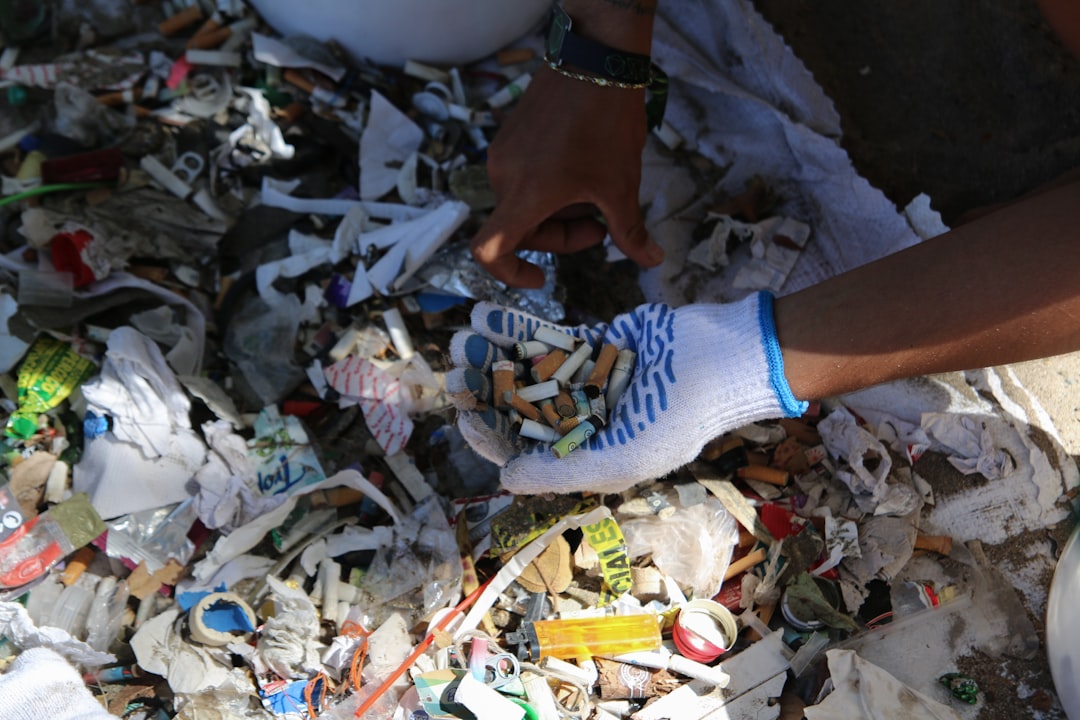
In recent decades, the global issue of plastic waste has escalated into a significant environmental crisis, prompting countries around the world to seek solutions for managing their excess plastic. A considerable portion of this waste has been exported to Asian countries, where it is often processed or disposed of. This practice has raised numerous concerns regarding environmental sustainability, social justice, and economic implications.
The exportation of plastic waste to Asia has become a focal point in discussions about global waste management, as it highlights the interconnectedness of nations in addressing environmental challenges. The dynamics of plastic waste export are complex, involving a web of international trade agreements, economic incentives, and regulatory frameworks. As Western countries grapple with their mounting plastic waste, they often turn to Asian nations, which have historically been more willing to accept such materials.
However, this reliance on exporting waste has led to significant repercussions for both the exporting and receiving countries. Understanding the intricacies of this issue is crucial for developing effective strategies to mitigate the environmental and social impacts associated with plastic waste.
Key Takeaways
- Large volumes of plastic waste are exported from Western countries to Asia, creating significant environmental challenges.
- The import of plastic waste has severe ecological impacts, including pollution and harm to marine and terrestrial ecosystems.
- Social and economic consequences affect local communities in Asian countries, often leading to health risks and economic burdens.
- Government policies and international regulations are evolving to better manage and reduce plastic waste exports.
- Sustainable alternatives and increased corporate responsibility are essential for addressing the plastic waste crisis globally.
The Scale of the Problem: How Much Plastic Waste is Exported to Asia
The scale of plastic waste exported to Asia is staggering. According to various reports, millions of tons of plastic waste are shipped from Western countries to Asian nations each year. In 2019 alone, it was estimated that over 1.5 million tons of plastic waste were exported from the United States to countries like Malaysia, Vietnam, and Thailand.
This figure represents a significant portion of the total plastic waste generated in these Western nations, highlighting the extent to which they rely on other countries to manage their waste. The sheer volume of plastic waste being exported raises critical questions about the sustainability of this practice. Many Asian countries have become the world’s dumping grounds for plastic, leading to an overwhelming influx of materials that are often poorly managed.
The situation is exacerbated by the fact that not all exported plastic is recyclable; a substantial amount ends up in landfills or is incinerated, contributing to pollution and environmental degradation. As the problem continues to grow, it becomes increasingly clear that a reevaluation of waste management practices is necessary.
Environmental Impact of Plastic Waste Export to Asia
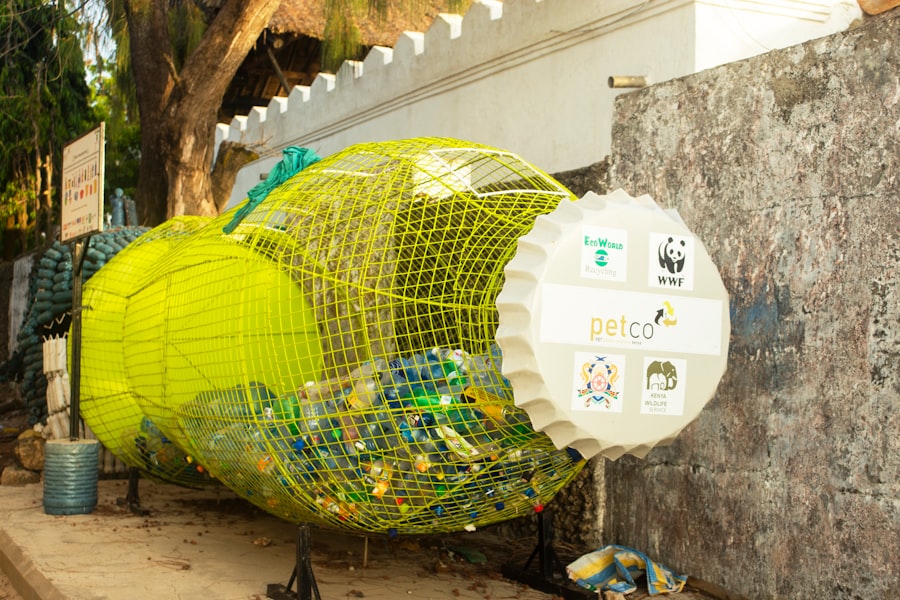
The environmental impact of exporting plastic waste to Asia is profound and multifaceted. One of the most pressing concerns is the pollution generated by improper disposal methods. Many Asian countries lack the infrastructure and resources needed to effectively process the large volumes of plastic waste they receive.
As a result, much of this waste ends up in landfills or is incinerated, releasing harmful toxins into the air and soil. Additionally, plastic that is not properly managed can find its way into waterways, contributing to ocean pollution and threatening marine ecosystems. Moreover, the environmental consequences extend beyond immediate pollution.
The accumulation of plastic waste in Asian countries can lead to long-term ecological damage, affecting biodiversity and disrupting local ecosystems. For instance, marine life is particularly vulnerable to plastic pollution, as animals can ingest or become entangled in plastic debris. This not only endangers wildlife but also poses risks to human health through the consumption of contaminated seafood.
The environmental ramifications of plastic waste export are far-reaching and demand urgent attention from both exporting and receiving nations.
Social and Economic Implications of Plastic Waste Export to Asia
The social and economic implications of exporting plastic waste to Asia are significant and often detrimental. For many Asian countries, accepting foreign plastic waste can create short-term economic benefits, such as job creation in recycling facilities and increased revenue from processing fees. However, these benefits are often overshadowed by the long-term social costs associated with managing such waste.
Communities near recycling plants frequently face health risks due to exposure to toxic materials and pollutants released during processing. Furthermore, the influx of foreign plastic waste can strain local resources and infrastructure. Many Asian nations are already grappling with their own waste management challenges; adding foreign plastic exacerbates these issues and diverts attention from local needs.
This situation can lead to social unrest as communities protest against the negative impacts of foreign waste on their health and environment. The economic gains from accepting plastic waste must be weighed against these social costs, prompting a reevaluation of whether such practices are truly beneficial for receiving countries.
The Role of Western Countries in Exporting Plastic Waste to Asia
| Year | Country | Plastic Waste Exported (Metric Tons) | Main Destination Countries in Asia | Percentage of Total Plastic Waste Export |
|---|---|---|---|---|
| 2018 | United States | 500,000 | China, Malaysia, Vietnam | 35% |
| 2019 | United Kingdom | 300,000 | Malaysia, Thailand, Indonesia | 40% |
| 2020 | Japan | 200,000 | China, South Korea, Philippines | 50% |
| 2021 | Germany | 450,000 | Malaysia, Vietnam, Thailand | 38% |
| 2022 | Australia | 150,000 | Indonesia, Malaysia, Philippines | 45% |
Western countries play a pivotal role in the ongoing issue of plastic waste export to Asia. Faced with increasing pressure to reduce domestic plastic production and improve recycling rates, many nations have opted to ship their excess waste abroad rather than address the root causes of the problem. This practice allows them to sidestep responsibility for their own waste management challenges while placing the burden on less developed nations.
Moreover, the lack of stringent regulations governing plastic waste export has enabled Western countries to continue this practice with minimal accountability. While some nations have implemented bans on certain types of plastic exports, loopholes remain that allow for continued shipments under various pretenses. This dynamic raises ethical questions about environmental justice and equity, as wealthier nations disproportionately offload their waste onto poorer countries that may lack the capacity to manage it effectively.
The Impact on Asian Countries Receiving Plastic Waste
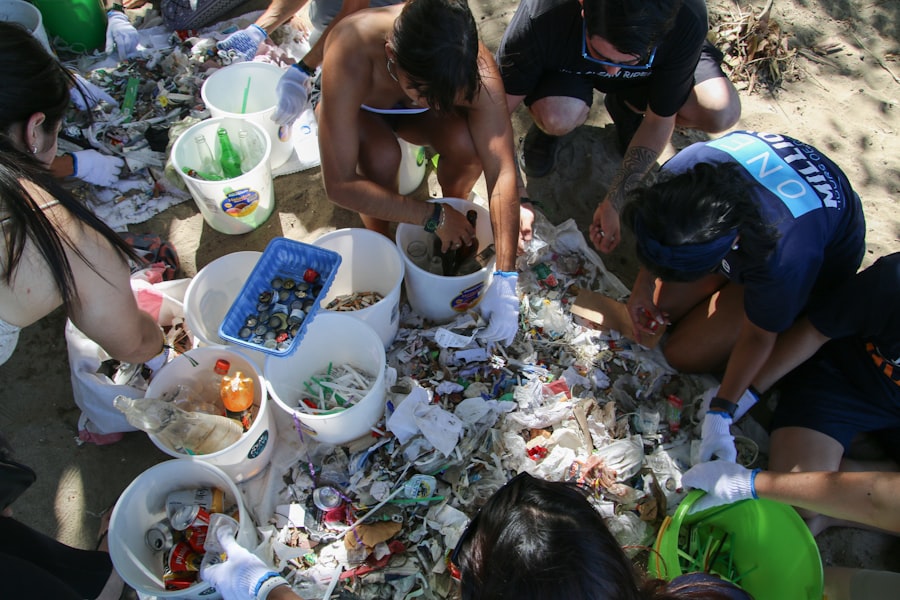
Asian countries receiving plastic waste face a myriad of challenges as they grapple with the consequences of accepting foreign materials. While some nations initially welcomed the economic opportunities presented by recycling operations, many have since recognized the adverse effects on public health and environmental quality. Communities near recycling facilities often report increased rates of respiratory illnesses and other health issues linked to exposure to hazardous materials found in imported plastics.
Additionally, the influx of foreign plastic can overwhelm local recycling systems that are already struggling to cope with domestic waste. As a result, many Asian countries have begun implementing stricter regulations on plastic imports in an effort to protect their citizens and environments. However, these measures can lead to tensions with Western nations that rely on exporting their waste, creating a complex geopolitical landscape surrounding global waste management.
Government Policies and Regulations on Plastic Waste Export to Asia
In response to growing concerns about the environmental and social impacts of plastic waste export, many governments have begun enacting policies aimed at regulating this practice. Some Western countries have implemented bans on specific types of plastic exports or have introduced stricter guidelines for what can be sent abroad. These measures are intended to encourage domestic recycling efforts and reduce reliance on foreign processing facilities.
On the other hand, several Asian countries have also taken steps to limit incoming plastic waste. Nations like China, which previously accepted large quantities of foreign plastics, have enacted bans on certain imports due to environmental concerns and public health risks. These regulatory changes reflect a growing recognition among governments that addressing plastic waste requires coordinated action at both national and international levels.
Alternatives to Exporting Plastic Waste to Asia
As awareness of the issues surrounding plastic waste export grows, there is an increasing push for alternatives that prioritize sustainability and responsible management. One promising approach is enhancing domestic recycling capabilities within Western countries. By investing in advanced recycling technologies and infrastructure, nations can reduce their reliance on exporting waste while creating local jobs and minimizing environmental impacts.
Another alternative involves promoting circular economy principles that emphasize reducing plastic production and consumption in the first place. Encouraging businesses to adopt sustainable practices—such as using biodegradable materials or implementing take-back programs—can significantly decrease the volume of plastic waste generated. Additionally, fostering consumer awareness about responsible consumption can drive demand for more sustainable products and practices.
The Role of International Organizations in Addressing Plastic Waste Export to Asia
International organizations play a crucial role in addressing the challenges posed by plastic waste export to Asia. Entities such as the United Nations Environment Programme (UNEP) work towards fostering global cooperation on environmental issues, including plastic pollution. Through initiatives aimed at promoting sustainable practices and encouraging member states to adopt stricter regulations on plastic production and disposal, these organizations help facilitate dialogue among nations.
Furthermore, international agreements like the Basel Convention aim to regulate hazardous waste movements across borders, including plastics. By establishing guidelines for responsible waste management practices, these agreements seek to protect vulnerable nations from becoming dumping grounds for foreign waste. The involvement of international organizations is essential for creating a cohesive global response to the pressing issue of plastic pollution.
Corporate Responsibility and Plastic Waste Export to Asia
Corporate responsibility plays a significant role in shaping how businesses approach plastic production and disposal. Many companies are increasingly recognizing their responsibility not only for their products but also for their entire supply chain, including how they manage end-of-life plastics. By adopting sustainable practices—such as reducing packaging materials or investing in recycling technologies—corporations can contribute positively to addressing the issue of plastic waste export.
Moreover, transparency in reporting practices related to plastic use and disposal is becoming more critical as consumers demand accountability from brands. Companies that prioritize sustainability can enhance their reputations while also contributing to broader efforts aimed at reducing global plastic pollution.
Moving Towards a Sustainable Solution for Plastic Waste Export to Asia
The issue of plastic waste export to Asia presents a complex challenge that requires coordinated action from governments, corporations, and international organizations alike. As awareness grows regarding the environmental and social implications of this practice, there is an urgent need for sustainable solutions that prioritize responsible management over short-term economic gains. Moving forward, it is essential for Western countries to invest in domestic recycling infrastructure while promoting circular economy principles that reduce overall plastic consumption.
Simultaneously, Asian nations must continue implementing regulations that protect their environments and communities from the adverse effects of imported plastics. By fostering collaboration across borders and embracing innovative approaches to waste management, stakeholders can work together towards a more sustainable future free from the burdensome legacy of plastic pollution.
The issue of plastic waste export to Asia has garnered significant attention in recent years, highlighting the environmental challenges associated with waste management. A related article that delves into this topic can be found here. This article discusses the implications of exporting plastic waste and the impact it has on both exporting and importing countries, shedding light on the complexities of global waste trade.
WATCH THIS! 🚨 THE RECYCLING LIE: How Big Oil Fooled the World for 50 Years 🚨
FAQs
What is plastic waste export to Asia?
Plastic waste export to Asia refers to the practice of shipping plastic waste from countries, often in the West, to various Asian countries for recycling, disposal, or processing.
Why is plastic waste exported to Asian countries?
Plastic waste is exported to Asian countries because these countries often have lower labor and processing costs, as well as less stringent environmental regulations, making it economically attractive for waste management companies.
Which Asian countries are the main recipients of plastic waste exports?
The main recipients of plastic waste exports in Asia have historically included China, Malaysia, Indonesia, Thailand, and Vietnam.
Has the export of plastic waste to Asia changed recently?
Yes, since China implemented its National Sword policy in 2018, which banned the import of most plastic waste, many exporters have redirected plastic waste to other Asian countries, leading to increased imports in Southeast Asia.
What are the environmental concerns related to plastic waste export to Asia?
Environmental concerns include improper recycling practices, illegal dumping, pollution of land and waterways, harm to local ecosystems, and health risks to communities near waste processing facilities.
Are there international regulations governing plastic waste exports?
Yes, the Basel Convention regulates the transboundary movement of hazardous wastes, including certain types of plastic waste, to prevent environmental harm. Recent amendments aim to better control plastic waste shipments.
What impact does plastic waste export have on local communities in Asia?
Local communities may face health risks from pollution, loss of livelihoods due to environmental degradation, and social challenges related to waste management infrastructure and illegal dumping.
What alternatives exist to exporting plastic waste to Asia?
Alternatives include improving domestic recycling infrastructure, reducing plastic use, promoting circular economy practices, and developing advanced waste management technologies.
How can consumers help reduce plastic waste export issues?
Consumers can reduce plastic waste by minimizing single-use plastics, supporting recycling programs, advocating for better waste management policies, and choosing products with sustainable packaging.
What role do governments play in managing plastic waste exports?
Governments regulate waste exports through policies and international agreements, enforce environmental standards, invest in domestic recycling capabilities, and collaborate internationally to address plastic pollution.