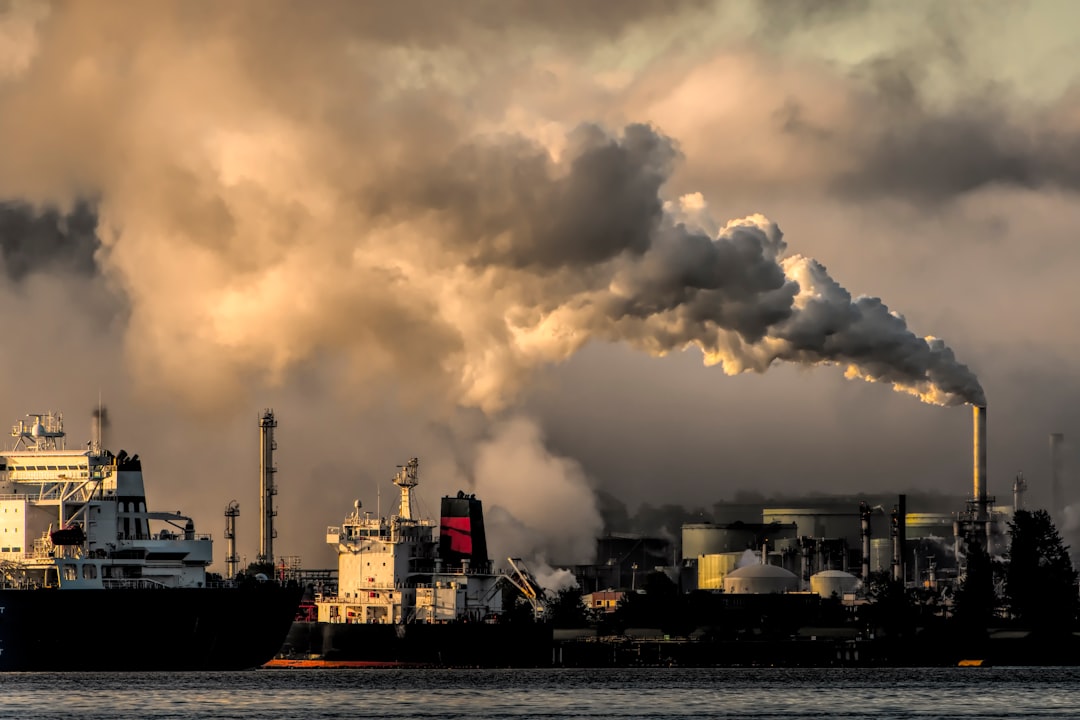
The persistent hum of industry, the glint of headlights on a darkened highway, the warmth of a home on a cold winter’s night – for over a century, these familiar comforts have been powered by the energy trapped within fossil fuels. Coal, oil, and natural gas have been the bedrock of modern civilization, fueling its relentless march of progress. However, as the 21st century unfolds, this cornerstone of development is facing unprecedented scrutiny, caught in the crosshairs of climate change, technological innovation, and evolving global priorities. The future of fossil fuels, therefore, is not a simple question of continuation or cessation, but rather a complex tapestry woven with formidable challenges and emerging opportunities. Understanding this intricate landscape is crucial for navigating the energy transition that will undoubtedly define the coming decades.
The primary and most pressing challenge facing fossil fuels is their undeniable contribution to global environmental degradation and climate change. The burning of coal, oil, and natural gas releases greenhouse gases, primarily carbon dioxide (CO2), methane (CH4), and nitrous oxide (N2O), into the Earth’s atmosphere. These gases act like a thermal blanket, trapping heat and leading to a gradual but accelerating warming of the planet. The consequences of this warming are far-reaching and increasingly evident.
The Greenhouse Effect and its Escalation
The natural greenhouse effect is a vital process that keeps our planet habitable, preventing it from freezing over. However, the continuous combustion of fossil fuels has amplified this effect to a critical point. The sheer volume of CO2 released annually, measured in billions of tons, overwhelms the Earth’s natural carbon sinks, such as forests and oceans, leading to an unprecedented accumulation of these heat-trapping gases. This is akin to turning up the thermostat in a house without adequate insulation – the temperature will continue to rise, with increasingly uncomfortable and potentially dangerous results.
Tangible Impacts of a Warming Planet
The tangible impacts of this escalating greenhouse effect are no longer theoretical projections; they are observable realities. Rising global temperatures are directly linked to a cascade of environmental problems:
Extreme Weather Events: More Frequent and Fierce
A warmer atmosphere holds more moisture, fueling more intense and frequent extreme weather events. This includes heatwaves that break historical records, leading to increased risks of wildfires and public health crises. Conversely, it also drives more powerful hurricanes and typhoons, capable of devastating coastal communities. Prolonged droughts in some regions parch agricultural lands and deplete water resources, while torrential downpours in others trigger widespread flooding, displacing populations and causing immense economic damage.
Sea Level Rise and Coastal Vulnerability
The melting of polar ice caps and glaciers, a direct consequence of rising global temperatures, is causing a steady and alarming increase in sea levels. This poses an existential threat to low-lying coastal areas and island nations, increasing the risk of coastal erosion, saltwater intrusion into freshwater supplies, and permanent inundation. The vibrant ecosystems and bustling metropolises that line our coastlines are increasingly vulnerable, facing a future of retreat or submersion.
Biodiversity Loss and Ecosystem Disruption
The rapid pace of climate change outstrips the adaptive capacity of many species. Ecosystems are being disrupted, leading to habitat loss, altered migration patterns, and increased extinction rates. Coral reefs, for instance, are bleaching and dying due to ocean acidification and warming waters, impacting marine biodiversity. The intricate web of life on Earth, finely tuned over millennia, is being frayed, with potential cascading effects on human well-being, from food security to the discovery of new medicines.
Air and Water Pollution: Beyond Climate
Beyond the climate implications, the extraction, transportation, and combustion of fossil fuels contribute to significant air and water pollution. Oil spills can devastate marine ecosystems for decades, while fracking operations can contaminate groundwater. Burning coal releases particulate matter, sulfur dioxide, and nitrogen oxides, which contribute to respiratory illnesses and acid rain, damaging forests and buildings alike. While technological advancements have somewhat mitigated these impacts, the sheer scale of fossil fuel dependency means these issues remain persistent and pervasive.
Fossil fuels have long been a cornerstone of global energy production, but their environmental impact has sparked significant debate. For a deeper understanding of the challenges and alternatives to fossil fuels, you can read a related article that explores renewable energy sources and their potential to replace traditional fuels. Check it out here: Renewable Energy Alternatives.
The Shifting Sands: Economic and Geopolitical Realities
The economic and geopolitical landscape surrounding fossil fuels is undergoing a profound transformation, driven by a confluence of factors that are challenging the long-standing dominance of these energy sources. The reliance on fossil fuels has historically been a double-edged sword, providing immense wealth for some nations while creating vulnerabilities for others.
The Volatility of Global Energy Markets
The price of oil, in particular, has historically been a barometer of global economic health and a source of geopolitical tension. Fluctuations in supply, driven by political instability in major producing regions, or changes in demand, influenced by economic growth or recession, can send shockwaves through the global economy. This inherent volatility creates uncertainty for businesses and consumers, making long-term economic planning challenging. Nations heavily reliant on oil exports are particularly susceptible to these price swings, impacting their national budgets and social stability.
Energy Security and National Independence
For many nations, energy security remains a paramount concern. Reliance on imported fossil fuels can create strategic vulnerabilities, leaving countries beholden to the political decisions of supplier nations. This has historically been a driver of geopolitical alliances and conflicts. The pursuit of energy independence has therefore been a consistent theme in international relations, leading to diversified energy portfolios and, more recently, a renewed focus on domestic renewable energy sources. The transition away from fossil fuels offers the potential for greater energy autonomy and reduced geopolitical leverage for resource-rich nations.
The Rise of New Energy Powers and Shifting Economic Balances
The geopolitical map of energy is continuously redrawn. The discovery of new oil and gas reserves, coupled with advancements in extraction technologies, has shifted the balance of power over time. The shale revolution in the United States, for example, significantly altered global energy dynamics. However, as the world pivots towards renewable energy, the economic fortunes of fossil fuel-dependent nations are beginning to shift. Countries that successfully diversify their economies and invest in clean energy technologies are better positioned to thrive in the new energy paradigm. This transition represents a significant economic opportunity for those who can adapt, but a considerable risk for those who remain tethered to the past.
Stranded Assets and Economic Disruption
As the world accelerates its transition to cleaner energy, a significant economic challenge emerges: the risk of “stranded assets.” These are fossil fuel reserves or infrastructure (e.g., coal mines, oil refineries, pipelines) that may become economically unviable or obsolete before the end of their expected lifespan due to regulatory changes, technological advancements, or declining demand. This presents a substantial risk to investors, governments, and entire industries. Carefully managing this transition is crucial to avoid widespread economic disruption and ensure a just and orderly shift.
The Dawn of Alternatives: Technological Innovations
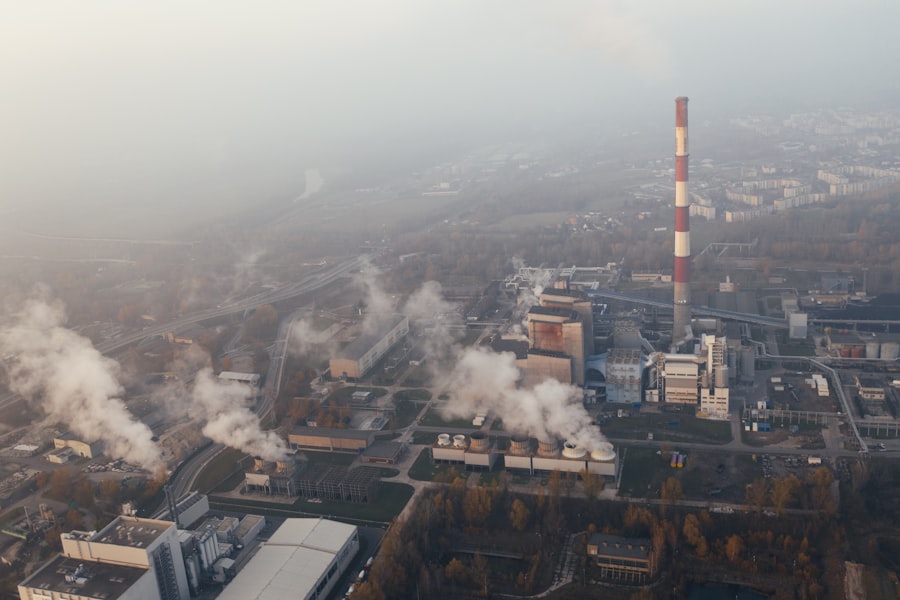
The narrative of fossil fuels is inextricably linked to the story of technological innovation, both in their extraction and in the development of alternatives. While fossil fuels have propelled us forward for a century, a new wave of technological advancements is rapidly reshaping the energy landscape, offering compelling alternatives.
The Ingenuity of Renewables: Solar and Wind Power
Solar and wind energy have moved from niche technologies to mainstream power sources, driven by remarkable advancements in efficiency and significant reductions in cost. Solar photovoltaic (PV) panels are now more affordable and efficient than ever before, capable of generating electricity from sunlight with increasing reliability. Similarly, wind turbines, both onshore and offshore, have grown in size and sophistication, harnessing the power of the wind with greater output. These renewable sources are becoming increasingly competitive, often outcompeting fossil fuels on cost in many regions.
The Promise of Energy Storage Solutions
A key challenge for intermittent renewable sources like solar and wind is their dependence on weather conditions. However, rapid advancements in energy storage technologies are addressing this limitation. Lithium-ion batteries, used in everything from electric vehicles to grid-scale storage projects, are becoming more affordable and capable of storing larger amounts of electricity. Emerging technologies, such as flow batteries and solid-state batteries, hold further promise for more efficient and cost-effective energy storage. These storage solutions are the linchpins that will allow for a truly reliable grid powered by renewables.
The Evolution of Nuclear Power and Advanced Reactors
Nuclear power, while a low-carbon energy source, has faced its own set of challenges related to safety, waste disposal, and public perception. However, research and development into advanced reactor designs, including small modular reactors (SMRs), are offering potential solutions for enhanced safety, reduced waste, and greater flexibility. If these new designs can overcome existing hurdles, nuclear power could play a more significant role in a low-carbon future, providing a stable and dispatchable source of energy.
The Role of Hydrogen as an Energy Carrier
Hydrogen is emerging as a promising clean energy carrier, capable of powering vehicles, heating homes, and supporting industrial processes. Green hydrogen, produced through electrolysis powered by renewable energy, offers a truly carbon-free solution. While challenges remain in terms of production efficiency, infrastructure development, and cost, the potential of hydrogen to decarbonize sectors that are difficult to electrify makes it a significant area of ongoing innovation.
The Uncharted Territory: Policy and Societal Shifts

The future of fossil fuels is not solely a technological or economic question; it is deeply intertwined with policy decisions and evolving societal values. Governments, corporations, and individuals are all playing a role in shaping this trajectory, creating a complex and dynamic environment.
Global Climate Agreements and National Commitments
International agreements, such as the Paris Agreement, have set ambitious targets for reducing greenhouse gas emissions. These agreements serve as a guiding framework for national policies, encouraging countries to set their own emission reduction goals and implement strategies to achieve them. The effectiveness of these agreements hinges on the commitment and enforcement of individual nations. The collective will of governments to transition away from fossil fuels is a critical determinant of the pace and scale of change.
Carbon Pricing Mechanisms and Regulatory Frameworks
Governments around the world are exploring and implementing various policy mechanisms to incentivize the reduction of fossil fuel consumption. Carbon pricing, through mechanisms like carbon taxes or cap-and-trade systems, aims to make the environmental cost of burning fossil fuels explicit, encouraging cleaner alternatives. Renewable energy mandates, subsidies for clean technologies, and regulations on emissions from power plants and vehicles are also crucial tools in this transition. These policies act as the invisible hand, guiding economic decisions towards a more sustainable path.
Shifting Consumer Preferences and Corporate Responsibility
Consumers are increasingly aware of the environmental impact of their choices and are demanding more sustainable products and services. This has led to a surge in demand for electric vehicles, plant-based diets, and energy-efficient appliances. Corporations, under pressure from investors, consumers, and regulators, are also setting ambitious sustainability goals, investing in renewable energy, and divesting from fossil fuel assets. This bottom-up pressure complements top-down policy interventions, creating a powerful impetus for change.
The Imperative of a Just Transition
As the world moves away from fossil fuels, it is imperative to address the potential social and economic consequences for communities and workers who have historically depended on these industries. A “just transition” framework aims to ensure that the benefits of the clean energy economy are shared equitably and that displaced workers are provided with new opportunities and support. This involves retraining programs, investments in new industries, and social safety nets to mitigate the disruption caused by the energy transition. Ignoring this aspect risks creating significant social friction and undermining the broader goals of decarbonization.
Fossil fuels have long been a cornerstone of global energy production, but their environmental impact has sparked significant debate. As nations strive to transition to cleaner energy sources, understanding the implications of fossil fuel consumption becomes increasingly important. For those interested in exploring this topic further, a related article can be found at Hey Did You Know This, which delves into the consequences of fossil fuel dependency and the urgent need for sustainable alternatives.
The Road Ahead: Opportunities within Transformation
| Fossil Fuel Type | Global Consumption (2023, million tonnes of oil equivalent) | CO2 Emissions (2023, billion tonnes) | Primary Use | Estimated Reserves (billion tonnes) |
|---|---|---|---|---|
| Coal | 3,800 | 14.3 | Electricity generation, steel production | 1,100 |
| Oil | 4,500 | 11.8 | Transportation, heating, petrochemicals | 1,700 |
| Natural Gas | 3,200 | 7.0 | Electricity generation, heating, industry | 1,200 |
While the challenges are significant, the transition away from fossil fuels also presents a landscape ripe with opportunities. Navigating this period requires foresight, adaptation, and a willingness to embrace change.
The Birth of New Industries and Job Creation
The development and deployment of renewable energy technologies and related infrastructure, such as smart grids and electric vehicle charging networks, are creating entirely new industries and a wealth of new jobs. These are often in sectors poised for long-term growth, offering skilled employment opportunities in manufacturing, installation, maintenance, research and development, and project management. This is not simply a case of swapping one form of energy for another; it is about building a new, more sustainable energy ecosystem.
Enhanced Energy Efficiency and Cost Savings
Beyond the generation of new energy, a significant opportunity lies in improving energy efficiency across all sectors. Investing in better insulation for buildings, more efficient industrial processes, and smarter transportation systems can lead to substantial reductions in overall energy consumption. This not only lowers greenhouse gas emissions but also translates into significant cost savings for households and businesses, enhancing economic competitiveness. The most efficient energy is the energy that is not used at all.
Technological Leadership and Global Competitiveness
Nations and companies that are at the forefront of developing and deploying clean energy technologies stand to gain significant economic and geopolitical advantages. This includes opportunities for export of innovative products and services, the development of intellectual property, and the establishment of leadership positions in critical global markets. The race to develop the energy solutions of the future is a race for technological dominance.
Improved Public Health and Environmental Quality
The reduction of air and water pollution associated with the burning of fossil fuels will have a profound positive impact on public health. Fewer respiratory illnesses, reduced healthcare costs, and cleaner environments will lead to a better quality of life for all. The benefits extend beyond mere economic metrics, touching upon the fundamental well-being of human populations and the natural world.
The Path Forward: A Balanced Perspective
The future of fossil fuels is not a monolithic dictate but a spectrum of possibilities. While their role will undoubtedly diminish, a complete and immediate cessation is unlikely in the short to medium term. Fossil fuels may continue to play a transitional role in specific applications, particularly in areas where electrification is technically challenging or prohibitively expensive, and with stringent carbon capture and storage technologies. However, even in these contexts, their presence will likely be diminished and subject to rigorous environmental oversight.
The journey of energy is an evolutionary one. For over a century, fossil fuels have been the rocket fuel propelling humanity forward. Yet, the very act of combustion has now created an atmospheric climate that demands a new trajectory. The challenges are undeniable – a planet warming, ecosystems strained, and economies accustomed to a different kind of power. But within these challenges lie profound opportunities: the chance to build a cleaner, more resilient, and more equitable future. The choices made today, by policymakers, innovators, and individuals alike, will determine whether this era of transformation leads to a flourishing new dawn or a descent into an unmanageable climate crisis. The future of fossil fuels is, in essence, a testament to humanity’s capacity to innovate, adapt, and ultimately, redefine its relationship with the planet.
FAQs
What are fossil fuels?
Fossil fuels are natural energy sources formed from the remains of ancient plants and animals that have been buried and subjected to heat and pressure over millions of years. The main types of fossil fuels are coal, oil, and natural gas.
How are fossil fuels used?
Fossil fuels are primarily used to generate electricity, power vehicles, and provide heat. They are also raw materials for producing chemicals, plastics, and other industrial products.
What environmental impacts are associated with fossil fuels?
Burning fossil fuels releases greenhouse gases such as carbon dioxide, which contribute to global warming and climate change. It also causes air pollution, acid rain, and can lead to habitat destruction through extraction processes.
Why are fossil fuels considered non-renewable?
Fossil fuels are non-renewable because they take millions of years to form and are being consumed much faster than they can be naturally replenished. Once depleted, they cannot be replaced on a human timescale.
What are alternatives to fossil fuels?
Alternatives include renewable energy sources such as solar, wind, hydroelectric, and geothermal power. These sources produce energy without depleting resources or emitting significant greenhouse gases.