
The funeral industry, a cornerstone of societal rituals, holds within its practices a complex and often opaque system of pricing, particularly concerning the sale of caskets. For grieving families navigating a period of profound emotional distress, the selection of a casket can become an unexpected financial hurdle, laden with practices that some critics argue are intentionally exploitative. This article delves into the pricing structures prevalent within the funeral industry, examining how casket costs contribute to the overall expense of end-of-life services and exploring the factors that drive these prices, as well as the implications for consumers.
The price tag attached to a casket is rarely a straightforward reflection of raw material costs and labor. Instead, it is a carefully constructed figure influenced by a confluence of market dynamics, industry practices, and consumer psychology. Understanding this intricate web is the first step in demystifying what can appear to be arbitrary and inflated costs.
The Tangible Components: Material and Manufacturing
At its core, a casket is a container designed to hold a deceased individual. The materials used play a significant role in determining the base cost.
Metal Caskets: The Premium Tier
The most common metal caskets are crafted from steel, aluminum, or bronze. Steel caskets are further categorized by gauge, with thicker steel (lower gauge) generally commanding higher prices due to perceived durability and quality. Stainless steel, offering superior corrosion resistance, also represents a more expensive option. Bronze and copper, precious metals, are found in the highest-tier caskets, often marketed for their exceptional longevity and luster, but at a substantial cost premium. The manufacturing process for these metal caskets involves stamping, welding, and finishing, each step adding to the overall production expense.
Wood Caskets: Variations in Hardwood and Finish
Wood caskets offer a diverse range of options, from utilitarian particleboard or pine to meticulously crafted hardwoods like oak, maple, cherry, and mahogany. The type of wood is a primary determinant of price, with rarer and harder woods being more costly. The grain, finish, and the intricate detailing of the construction also contribute significantly to the final price. For example, a hand-finished mahogany casket with ornate carvings will inevitably be more expensive than a simple pine box.
Other Materials: Beyond Metal and Wood
While less common, other materials such as composite materials, wicker, or even biodegradable options are entering the market. The pricing of these alternatives often positions them either as budget-friendly introductions or as premium, eco-conscious choices, depending on the specific materials and craftsmanship involved.
The Intangible Drivers: Brand, Features, and Perceived Value
Beyond the physical substance of a casket, a multitude of intangible factors contribute to its price. These often represent the true profit margins for funeral homes.
Brand Name and Manufacturer Reputation
Just as in other consumer markets, the brand name of a casket manufacturer can influence its perceived value and, consequently, its price. While there is little demonstrable difference in the protective capabilities of a casket from a well-known brand versus a lesser-known one, the association with a reputable manufacturer can justify a higher price point in the eyes of some consumers.
Interior Linings and Embellishments
The interior of a casket is typically lined with fabric, such as crepe, velvet, or satin. The quality and type of fabric, along with the sophistication of the interior design (e.g., tailored folds, decorative trims), can add considerable cost. Similarly, exterior hardware, such as handles, latches, and decorative overlays, can vary greatly in material and design, impacting the overall price.
Specialized Features and Customization
Some caskets offer features beyond basic protection, such as adjustable bases, “memory glides” to allow for viewing of the deceased, or even integrated sound systems. While these may appeal to some families, they represent additional costs that further inflate the price of the casket itself. The ability to customize a casket with specific designs or inscriptions also incurs additional charges.
The funeral industry has long been criticized for its practices, particularly regarding the exorbitant prices of caskets, which can place an immense financial burden on grieving families. An insightful article that delves into this issue is available at Hey Did You Know This, where it discusses how families often feel pressured to spend more than they can afford due to emotional distress and a lack of transparency in pricing. This exploitation highlights the need for greater awareness and reform within the industry to protect consumers during one of the most vulnerable times in their lives.
The Funeral Home Markup: A Necessary Evil or Strategic Pricing?
The funeral home’s role in the casket sales process is where the most significant markups often occur. While funeral homes provide essential services for coordinating a funeral, their profit margins on caskets have drawn considerable scrutiny.
Essential Services vs. Product Sales
It is crucial to differentiate between the cost of funeral services and the cost of the casket itself. Funeral homes are responsible for embalming, cremation, transportation, funeral directing, and the provision of a venue for services. These services are labor-intensive and require specialized facilities and trained personnel. The casket, however, is a tangible product, and its retail price is subject to different market forces.
The Percentage Game: A Common Pricing Strategy
Many funeral homes operate on a percentage-based markup system for caskets. This means that the wholesale price the funeral home pays for a casket is multiplied by a significant factor to arrive at the retail price. This factor can range from 100% to 400% or even higher in some cases. This practice allows funeral homes to recoup their purchasing costs while generating substantial profit from each sale.
Bundling and Package Deals: A Cloak for Markups?
Funeral homes often offer “packages” or “bundles” that include a casket, funeral service, and other amenities. While these packages can appear to offer convenience and sometimes a slight discount compared to purchasing services and a casket separately, critics argue that they can obscure the true cost of the casket within the overall package price, making it harder for consumers to discern individual item markups.
The Illusion of Choice: Limited Retail Alternatives
Historically, consumers have had limited options for purchasing caskets outside of the funeral home. This lack of direct competition has allowed funeral homes to maintain significant control over pricing.
The Absence of a True “Open Market”
For many years, the funeral industry operated with a near-monopoly on casket sales. Families were often presented with a limited selection within the funeral home itself, with little knowledge of alternative sources or pricing structures available elsewhere. This created an environment where funeral homes could dictate prices with minimal pushback.
The Funeral Rule: A Glacial Shift in Transparency
The Federal Trade Commission’s (FTC) Funeral Rule, enacted in 1984, aimed to bring more transparency to funeral pricing. It mandates that funeral homes must provide itemized price lists and allow consumers to purchase caskets separately from other funeral services. However, the practical implementation and consumer understanding of this rule can vary, and the deeply ingrained practices of the industry persist.
The Psychology of Grief and Its Impact on Casket Selection
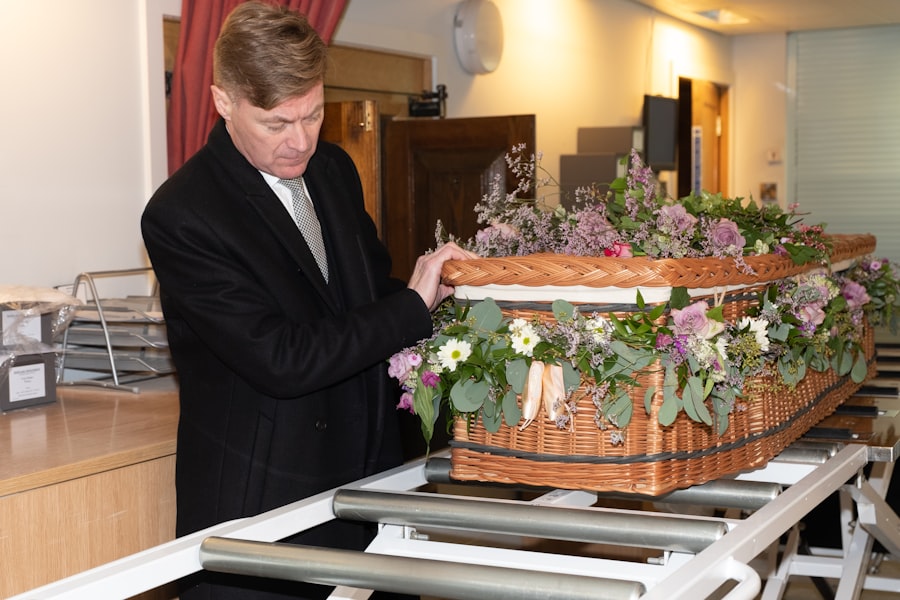
Grief is a powerful emotional state, and during such times, rational decision-making can be compromised. Funeral homes, perhaps not intentionally but by virtue of their position, can capitalize on this vulnerability.
Emotional Vulnerability and Urgency
When faced with the immediate need to plan a funeral, families are often overwhelmed and emotionally exhausted. The pressure to make decisions quickly, coupled with the desire to provide a dignified and fitting tribute for their loved one, can lead to a less critical evaluation of pricing.
The “Best for Your Loved One” Narrative
Funeral directors, as trusted advisors during a crisis, often frame casket selection within a narrative of love, honor, and remembrance. While expressing care is part of their role, this narrative can subtly influence families to choose more expensive options, believing they are making the “best” or most loving choice.
Lack of Comparative Shopping During Crisis
The urgency of funeral planning makes it impractical for most families to embark on extensive comparative shopping for caskets. The convenience of choosing from the funeral home’s available selection, even if overpriced, often outweighs the desire to seek out potentially cheaper alternatives.
The Social Pressure of “Doing It Right”
Societal expectations and the desire to conform to traditional funeral practices can also play a role. Families may feel social pressure to select a casket that aligns with what they perceive as appropriate for the deceased and their social standing.
Avoiding “Looking Cheap”
There can be an unspoken fear of appearing to be “stingy” or “cheap” by opting for the lowest-priced casket. This social pressure, amplified by the emotional context of a funeral, can push families towards mid-range or premium options, even if they are financially strained.
The Desire for a “Perfect Farewell”
The funeral serves as a final farewell, and many families aspire to make it a perfect one. This desire for a flawless send-off can lead to overspending on various aspects of the funeral, including the casket, as a way to assuage guilt or fulfill perceived obligations.
Alternatives and Consumer Empowerment: Navigating the Market
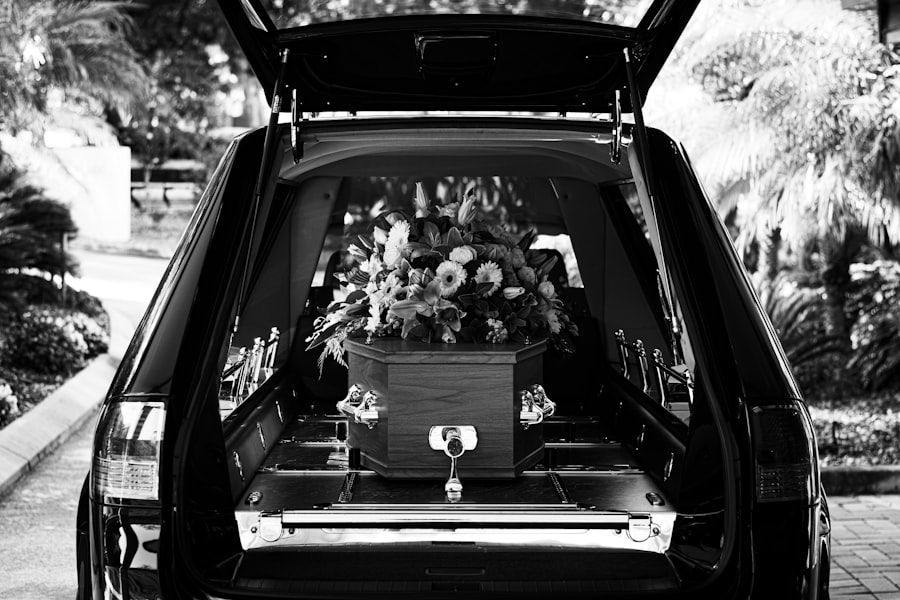
Despite the entrenched nature of funeral industry pricing, consumers are not without recourse. A growing awareness of the options available, coupled with a greater willingness to explore alternatives, can lead to significant cost savings.
Third-Party Casket Retailers: A Growing Online Presence
The advent of the internet has catalyzed the emergence of third-party casket retailers. These companies operate online, allowing consumers to browse and purchase caskets without the direct involvement of a funeral home.
Lower Overhead, Lower Prices
Online retailers typically have significantly lower overhead costs than traditional funeral homes, as they do not require extensive showrooms or a large staff. This allows them to offer caskets at substantially lower prices, often half the cost or even less than what a funeral home might charge for a comparable product.
Direct Shipping and Funeral Home Acceptance
Consumers can have caskets purchased from third-party retailers delivered directly to their home or, more commonly, to the funeral home itself. The Funeral Rule legally prohibits funeral homes from refusing to accept a casket purchased elsewhere, though some may attempt to dissuade customers through subtle tactics or by charging a “handling fee.”
Variety and Customization Online
Online retailers often offer an even wider selection of caskets than most funeral homes, including unique designs, materials, and customization options that may not be readily available in traditional settings.
Comparison Shopping and Negotiation: Empowering the Consumer
Even when purchasing directly from a funeral home, consumers possess more power than they might realize, especially with the increasing availability of information.
The Power of Information: Researching Prices
Before even engaging with a funeral home, individuals can research average casket prices for different materials and styles. This provides a baseline understanding of fair market value and can be a powerful tool during discussions with funeral directors. Websites that specialize in funeral cost comparisons can be invaluable resources.
Direct Negotiation: Asking the Right Questions
Funeral directors are often open to negotiation, particularly on the price of the casket. Asking direct questions about pricing, inquiring about discounts, and expressing a budget can be effective strategies. Framing the conversation around finding a respectful yet affordable option can be more productive than outright confrontation.
Understanding Itemized Pricing: The Funeral Rule in Action
Leveraging the Funeral Rule to its full extent is crucial. Families should insist on receiving an itemized General Price List (GPL) and carefully review the price of the casket as a separate line item. This allows for a clear understanding of how much of the overall funeral cost is attributed to the casket itself.
Pre-Need Planning: Locking in Prices
For individuals planning for their own end-of-life arrangements, pre-need planning can offer significant advantages in casket pricing.
Securing Current Prices
By purchasing a casket in advance, individuals can lock in current prices, protecting themselves from future inflation or potential price increases by funeral homes. This can be a strategic financial move, especially for those concerned about rising costs.
Reducing the Burden on Grieving Family Members
Pre-need planning also alleviates the financial and emotional burden on surviving family members during a time of loss. Having already made these decisions and potentially paid for them can provide significant peace of mind.
The funeral industry often takes advantage of grieving families by inflating casket prices, leaving many feeling overwhelmed during an already difficult time. A related article discusses the various tactics used by funeral homes to upsell services and products, shedding light on the need for transparency in pricing. For more insights on this pressing issue, you can read the full article here. Understanding these practices can empower families to make informed decisions and seek more affordable options during their time of loss.
The Ethical Landscape: Balancing Profit with Compassion
| Metric | Industry Average | Exploitation Factor | Notes |
|---|---|---|---|
| Average Casket Price | 2,500 | High markups compared to manufacturing cost | Caskets often cost less than 500 to produce |
| Markup Percentage | 400% | Significant profit margin on caskets | Families pay 4 times the wholesale price |
| Percentage of Families Purchasing Caskets | 85% | Limited consumer knowledge leads to high sales | Few alternatives offered by funeral homes |
| Average Funeral Home Profit from Caskets | 1,500 | Major revenue source for funeral homes | Often exceeds profit from other services |
| Availability of Third-Party Casket Options | Less than 10% | Limited options increase dependency on funeral homes | Families rarely informed about cheaper alternatives |
| Consumer Awareness of FTC Funeral Rule | 30% | Low awareness reduces consumer bargaining power | FTC requires price disclosure but is underutilized |
The funeral industry, like any business, operates with the goal of profitability. However, the unique context in which it functions – the period of profound grief and vulnerability of its clientele – raises significant ethical questions regarding pricing practices.
The “Grief Premium”: Is It Justified?
The term “grief premium” has been used to describe the notion that funeral homes may charge higher prices for goods and services because their customers are in a state of emotional distress. While increased operating costs and the specialized nature of funeral services contribute to the overall expense, the extent to which grief itself is factored into pricing is a point of ethical contention.
Transparency as a Moral Imperative
Ethical business practices in the funeral industry hinge on transparency. Providing clear, itemized pricing, explaining all costs, and offering genuine choices without undue pressure are moral imperatives. When pricing becomes intentionally opaque or manipulative, it crosses an ethical line.
The Role of Regulation and Consumer Advocacy
Regulatory bodies and consumer advocacy groups play a vital role in holding the funeral industry accountable. Continual enforcement of existing regulations, such as the Funeral Rule, and advocating for stronger consumer protections are essential to ensure fair practices.
The Shift Towards More Affordable Options
A growing segment of the population is seeking more affordable and personalized funeral options, pushing the industry to adapt.
Direct Cremation and Simpler Services
The rise in popularity of direct cremation, a service where the body is cremated shortly after death without embalming or a viewing, is a testament to consumers seeking less expensive alternatives. This trend indirectly impacts casket sales, as caskets are not typically used in direct cremation scenarios.
Green Burials and Eco-Friendly Alternatives
The increasing demand for environmentally friendly options, such as green burials, also offers an alternative to traditional casket purchases. These options often involve simpler, biodegradable containers or no container at all, further challenging the traditional casket-centric model.
Conclusion: Navigating the Final Expense with Awareness
The funeral industry’s pricing of caskets is a multifaceted issue, deeply intertwined with material costs, manufacturing, brand perception, and the delicate emotional state of grieving families. While funeral homes provide essential services, the markups on caskets can be substantial, sometimes appearing to capitalize on vulnerability. For consumers, navigating this landscape requires awareness, education, and a willingness to explore alternatives. By understanding the components of casket pricing, leveraging consumer rights afforded by regulations like the Funeral Rule, and actively seeking out third-party retailers or engaging in informed negotiation, individuals can make more empowered choices during a challenging time. The ethical responsibility of the funeral industry lies in balancing its need for profitability with a genuine commitment to compassion and transparency, ensuring that the final farewell is a tribute to a life lived, not a burden of undue financial strain.
FAQs
1. Why are casket prices often so high in the funeral industry?
Casket prices are typically high due to factors such as manufacturing costs, materials used (like hardwood or metal), branding, and the markup applied by funeral homes. Funeral homes may also add additional fees for handling and display, contributing to the overall cost.
2. How does the funeral industry exploit families when it comes to casket pricing?
The funeral industry can exploit families by using high-pressure sales tactics, limited price transparency, and bundling expensive caskets with other services. Families in grief may feel pressured to make quick decisions without fully understanding the cost breakdown or available alternatives.
3. Are there regulations governing casket pricing in the funeral industry?
Yes, in the United States, the Federal Trade Commission’s Funeral Rule requires funeral providers to give consumers a price list for caskets and other goods and services. This rule is designed to promote transparency and allow families to compare prices and make informed decisions.
4. Can families purchase caskets outside of funeral homes to avoid high prices?
Yes, families can often purchase caskets from third-party retailers, online stores, or directly from manufacturers. Funeral homes are generally required to accept caskets purchased elsewhere without charging additional fees, which can help families save money.
5. What can families do to avoid being overcharged for caskets?
Families can research prices beforehand, request detailed price lists from multiple funeral homes, consider alternative casket options, and understand their rights under the Funeral Rule. Asking questions and comparing costs can help prevent overpaying for caskets.