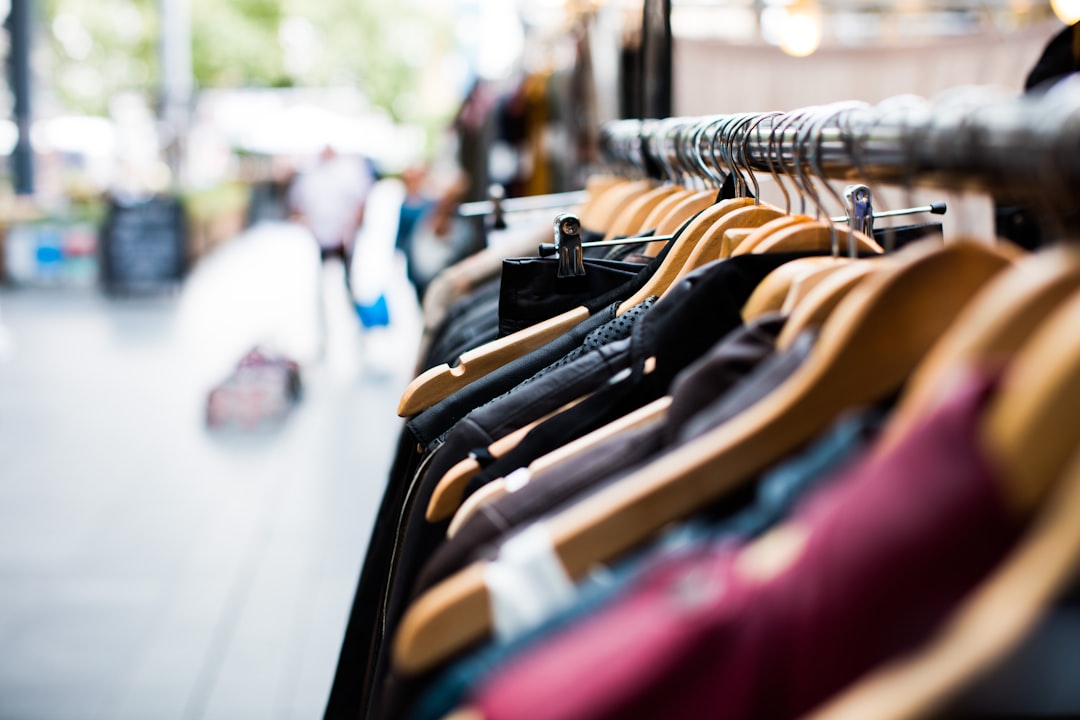
The allure of fast fashion is a potent siren song, promising instant gratification and a constantly refreshed wardrobe at an astonishingly low price. Yet, beneath the shimmering surface of trend-driven garments lies a carefully orchestrated vulnerability, an engineered fragility that dictates the lifecycle of these garments and their impact on both the consumer and the planet. This article delves into the inherent weaknesses embedded within fast fashion, examining how economic imperatives translate into design choices that limit longevity, amplify waste, and ultimately, highlight the delicate nature of our sartorial choices.
Fast fashion brands have mastered the art of rapid trend assimilation. Designs migrate from runways and celebrity sightings to store racks with breathtaking speed. This velocity, however, comes at a cost. The very processes that enable this rapid production necessarily compromise the durability and timelessness of the garments.
The Cult of Newness and Planned Obsolescence
At the heart of fast fashion’s economic model is the deliberate creation of demand through a constant influx of new styles. This is not merely about catering to evolving tastes; it is a sophisticated application of planned obsolescence, a concept traditionally associated with electronics and appliances. Just as a smartphone is designed to become outdated within a few years, fast fashion garments are often engineered with a shorter shelf-life in mind.
Trend Cycles as a Weapon
The relentless acceleration of trend cycles is a primary driver of this engineered obsolescence. What is “in” today is “out” tomorrow. This creates a psychological pressure on consumers to constantly update their wardrobes, rendering perfectly functional clothing obsolete before it has even begun to wear out. The garment becomes a disposable artifact of a fleeting moment rather than a lasting investment.
Material Choice: The Path of Least Resistance
To meet aggressive production deadlines and cost targets, manufacturers often opt for cheaper, less durable materials. These fabrics, while visually appealing on the rack, are inherently weaker. Synthetic blends, such as polyester and acrylic, are widely used due to their low cost and ease of dyeing. However, these materials are prone to pilling, stretching, and losing their shape after minimal wear and washing. Cotton, while a natural fiber, is often processed in ways that reduce its strength or blended with synthetics to lower costs.
The Illusion of Affordability: A Hidden Cost
The low price tags of fast fashion items are deceptive. They mask the true cost of their production – an environmental and social toll that is far greater than the monetary expense. This illusion of affordability encourages a throwaway culture, where garments are treated as disposable commodities rather than valuable resources.
Disposable Culture and Consumer Mindset
The ubiquity of cheap clothing has fundamentally altered consumer behavior. Garments are purchased impulsively, worn a handful of times, and then discarded without a second thought. This mindset, akin to enjoying a fleeting carnival ride rather than appreciating a handcrafted heirloom, is a direct consequence of the engineered low cost and fleeting trend relevance. The mental barrier to discarding clothing is significantly lowered.
The True Cost of Waste
The sheer volume of textile waste generated by fast fashion is staggering. Landfills are overflowing with discarded clothing, much of which will take centuries to decompose, releasing harmful microplastics and greenhouse gases into the environment. This waste represents not only material loss but also the squandered resources – water, energy, and human labor – that went into their creation.
Fast fashion has become a significant concern in today’s consumer culture, not only for its environmental impact but also for the engineered fragility of garments that encourages frequent purchases. An insightful article that delves into this topic is available at Hey Did You Know This, which explores how the design and production processes of fast fashion items contribute to their short lifespan and the implications for sustainability.
Material Malfeasance: The Weakest Links
The materials used in fast fashion construction are often the primary culprit in their inherent fragility. From the very fibers to the finishing techniques, compromises are made that invite premature wear and tear.
Synthetic Dominance and its Downside
Polyester, nylon, and acrylic are workhorses of the fast fashion industry, lauded for their low cost and ease of manufacturing. However, their molecular structure often makes them less breathable, more prone to static electricity, and susceptible to degradation through UV exposure and abrasion.
Pilling and Fraying: The Inevitable Decay
The weaving or knitting of synthetic fibers, particularly in less dense constructions, creates a surface highly prone to pilling. Small, fuzzy balls of fiber form as the fabric is rubbed against itself or other surfaces, giving the garment a worn and unattractive appearance. Similarly, the threads used in seams are often thin and loosely spun, making them vulnerable to fraying and unraveling, especially at stress points like elbows, knees, and waistbands.
Loss of Structure and Shape Retention
Unlike natural fibers like wool or linen, which possess natural resilience and can often bounce back to their original shape, many synthetic blends lack this inherent elasticity. Repeated stretching, washing, and wearing can lead to permanent deformation. Garments lose their intended silhouette, becoming baggy, stretched out, or sagging in undesirable places.
The Betrayal of Natural Fibers
Even natural fibers, when subjected to the demands of fast fashion production, can lose their inherent strengths. Cotton, for example, is often subjected to chemical treatments and mechanical processes that weaken its staple length, making it more prone to tearing and abrasion. Blending with synthetics further compromises its natural durability.
Lightweight Weaves and Thin Gauges
To reduce material costs and achieve a lighter drape, fast fashion garments frequently employ lightweight weaves and thin gauges of knit. While this can create a delicate aesthetic, it sacrifices strength and resilience. These fabrics are easily snagged, punctured, or torn, rendering them susceptible to damage from everyday activities.
Inadequate Reinforcement and Seam Construction
The pressure to produce quickly and cheaply often leads to inadequate reinforcement of key stress points. Seams may be sewn with fewer stitches per inch, or the thread used may be of lower quality. This means that even with moderate wear, seams are prone to splitting, particularly in areas that experience constant movement, such as underarm seams, crotch seams, and shoulder seams.
The Assembly Line of Imperfection: Stitch by Stitch Vulnerability
Beyond material selection, the very processes of garment assembly in fast fashion contribute to their engineered vulnerability. Speed and cost efficiency often override meticulous craftsmanship.
Superficial Stitching and Weak Seams
The methods employed to join fabric pieces are critical to a garment’s longevity. In fast fashion, this is often a rushed and cost-driven affair.
Single Stitch Lines and Overlocking Shortcuts
Many fast fashion garments feature single stitch lines where double or even triple stitching would be more appropriate for durability. The overlocking, a technique used to create a strong, finished edge on internal seams, may be done with less dense stitching, using thinner thread, or with less secure tension settings. This makes the internal construction of the garment prone to unraveling.
Substandard Thread and Knotting Techniques
The thread used in garment construction is a vital component. Fast fashion often utilizes lower-quality synthetic threads that are less resistant to friction and breakage. Furthermore, the knotting techniques employed at the start and end of stitch lines may be insufficient, leading to loose ends that can snag and pull, eventually causing the seam to fail.
Trim and Fastener Follies
The small components that adorn and secure garments are often the first to fail, acting as early indicators of the overall quality.
Easily Snapped Zippers and Prone-to-Rust Buttons
Plastic zippers, common in fast fashion, are often less robust than their metal counterparts and can easily break or become jammed. Metal buttons may be thinly plated and prone to rust or discoloration after washing. The attachments for buttons, whether threads or clasps, are often weak and fail to hold the button securely.
Adhesive Applications and Weak Rivets
In an effort to save time and labor, adhesives are sometimes used to attach trims or even as a primary means of fastening. These adhesives can degrade over time, especially with exposure to heat and moisture, leading to delamination and the detachment of embellishments. Rivets used to reinforce pockets or decorative elements may be poorly secured, tearing through the fabric with minimal stress.
The Environmental Fallout: A Discarded Dream
The engineered fragility of fast fashion has profound environmental consequences, extending far beyond the individual garment.
The Microplastic Menace
As synthetic fast fashion garments are washed, they shed microscopic plastic fibers into the waterways. These microplastics are a pervasive pollutant, ingested by marine life and ultimately entering the human food chain. This is a silent, insidious byproduct of our disposable clothing habits.
Washing Machines as Microplastic Emitters
Every wash cycle of a polyester or acrylic garment acts as a microplastic dispersal event. The friction and agitation within the washing machine dislodge these tiny fibers, which then bypass wastewater treatment plants and enter the environment.
The Long-Term Ecological Impact
The persistence of microplastics in the environment is a major concern. They accumulate in oceans, rivers, and even soil, posing a threat to biodiversity and ecosystem health. The long-term consequences of this widespread contamination are still being understood, but they are undoubtedly significant.
Water and Chemical Consumption: A Thirsty Industry
The production of fast fashion is incredibly water-intensive, particularly for cotton cultivation and dyeing processes. Additionally, a cocktail of chemicals is used throughout the manufacturing process, from fertilizers for cotton to dyes and finishing agents, many of which are harmful to both human health and the environment.
Resource Depletion and Pollution
The relentless demand for cheap clothing fuels unsustainable agricultural practices and pollutes water bodies with toxic runoff. The sheer volume of water required to produce a single t-shirt can be equivalent to the daily drinking water needs of multiple people.
The Shadow of Hazardous Chemicals
Dyes, bleaches, and finishing chemicals can release harmful substances into the environment, contaminating soil and water sources. Workers in manufacturing facilities are also exposed to these hazardous materials, leading to significant health issues.
The rise of fast fashion has not only transformed the retail landscape but has also led to concerns about engineered garment fragility, as many clothing items are designed for short-term use rather than longevity. This phenomenon raises questions about sustainability and consumer responsibility, prompting discussions around the environmental impact of disposable fashion. For a deeper understanding of these issues, you can explore a related article that delves into the implications of fast fashion on our planet and society. Check it out here for more insights.
The Consumer’s Choice: Breaking the Cycle
| Metric | Fast Fashion | Engineered Garment Fragility |
|---|---|---|
| Average Garment Lifespan | 3-6 months | 1-2 years |
| Material Quality | Low to Medium (synthetics, blends) | High (natural fibers, technical fabrics) |
| Production Volume | Millions of units per season | Thousands of units per season |
| Repairability | Low (often non-repairable) | Medium to High (designed for maintenance) |
| Environmental Impact (Waste) | High (due to short lifespan and disposability) | Moderate (longer use but delicate handling required) |
| Consumer Perception of Fragility | Low (disposable mindset) | High (fragile, requires careful use) |
| Price Range | Low to Medium | Medium to High |
Understanding the engineered vulnerability of fast fashion allows for a more conscious approach to consumption. Recognizing that a garment’s low price often signifies a short lifespan and significant environmental impact empowers individuals to make different choices.
The Power of Informed Purchasing
By understanding the materials, construction, and the inherent limitations of fast fashion, consumers can actively choose to invest in higher-quality, more durable garments. This shift in perspective moves beyond fleeting trends and embraces longevity as a measure of value.
Investing in Quality Over Quantity
Prioritizing well-made garments, even if they come with a higher initial price tag, can be more cost-effective in the long run. Garments constructed with sturdier materials and superior craftsmanship will withstand wear and tear, reducing the need for frequent replacements.
The Rise of Sustainable and Ethical Alternatives
The growing awareness of fast fashion’s drawbacks has fueled the growth of sustainable and ethical fashion brands. These brands often prioritize durable materials, fair labor practices, and environmentally conscious production methods, offering consumers alternatives that align with their values.
Embracing Repair and Reuse: Extending the Lifespan
The notion of repairing and reusing clothing, once commonplace, is being rediscovered as a powerful antidote to fast fashion’s disposable culture.
Learning Basic Mending Skills
A few basic sewing skills can significantly extend the life of a garment. Replacing a loose button, stitching a small tear, or hemming a fallen hem are simple repairs that can prevent a perfectly good piece of clothing from being discarded.
The Thriving Secondhand Market
The growth of the secondhand market, whether through thrift stores, consignment shops, or online resale platforms, offers a sustainable way to acquire clothing and give existing garments a second life. This actively combats the demand for new production.
Ultimately, the fragile nature of fast fashion is not an accidental oversight but a deliberate design choice, a carefully engineered vulnerability that fuels a cycle of consumption and waste. By understanding these inherent weaknesses, consumers can begin to break free from the siren song of fleeting trends and embrace a more sustainable and enduring relationship with their clothing. The garments we choose to wear are not just statements of style; they are reflections of our values and our impact on the world.
FAQs
What is fast fashion?
Fast fashion refers to the rapid production of inexpensive clothing that mimics current fashion trends. It emphasizes quick turnaround times from design to retail, often resulting in lower quality garments.
How does fast fashion contribute to garment fragility?
Fast fashion garments are typically made with cheaper materials and less durable construction methods to reduce costs and speed up production. This often leads to clothing that wears out or breaks down more quickly than higher-quality items.
What is meant by “engineered garment fragility”?
Engineered garment fragility refers to the intentional or unintentional design and manufacturing choices that result in clothing being less durable. In fast fashion, this can be a consequence of prioritizing low cost and rapid production over longevity.
What are the environmental impacts of fast fashion and garment fragility?
The short lifespan of fast fashion garments leads to increased textile waste, higher resource consumption, and greater environmental pollution. Fragile garments are discarded more quickly, contributing to landfill overflow and environmental degradation.
How can consumers reduce the impact of fast fashion and garment fragility?
Consumers can reduce impact by choosing higher-quality, durable clothing, buying fewer items, repairing garments when possible, and supporting sustainable and ethical fashion brands that prioritize longevity and responsible production.