
The funeral industry, a sector tasked with assisting individuals during one of life’s most vulnerable moments, has long been subject to scrutiny for practices that some argue exploit grieving families. When a loved one passes, families often find themselves navigating a labyrinth of emotional distress, heightened by the pressures of making complex decisions under duress. This article explores the multifaceted ways in which certain elements within the funeral industry can capitalize on this vulnerability, examining pricing structures, persuasive sales tactics, and the broader psychological landscape that makes such exploitation possible.
Grief is a powerful and disorienting force. It diminishes rational thought, amplifies emotional responses, and often leaves individuals feeling overwhelmed and incapable of objective decision-making. Imagine trying to navigate a dense fog – every step is uncertain, every landmark obscured. Grieving families find themselves in a similar metaphorical fog, making them particularly susceptible to manipulation.
The Diminished Capacity for Rational Decision-Making
When confronted with loss, the brain’s prefrontal cortex, responsible for executive functions like planning and rational thought, can become impaired. This makes it difficult for individuals to process complex information, compare prices, or even recall details accurately. The immediate need to “do right by” the deceased often overrides financial considerations, creating a fertile ground for providers to suggest higher-cost options.
The Pressure of Social Expectations
Societal norms often dictate a certain level of expenditure and pomp for funerals. There’s an unspoken pressure to provide a “good send-off,” a final gesture of love and respect. This pressure can be internalized by grieving families, leading them to believe that cheaper options equate to less love or respect for the deceased. Funeral directors, consciously or unconsciously, can leverage this deeply held belief to steer families towards more elaborate and expensive arrangements.
The Burden of Urgency
Funeral arrangements, by their very nature, are time-sensitive. Decisions regarding embalming, visitation, burial or cremation, and memorial services often need to be made within a matter of days. This compressed timeline leaves little room for research, comparative shopping, or seeking second opinions. The immediate need for closure can eclipse critical financial scrutiny, allowing providers to present options with minimal challenge.
The funeral industry has long been criticized for exploiting families during their most vulnerable moments, often using high-pressure sales tactics and emotional manipulation to upsell services and products. A related article that delves deeper into this issue is available at this link. It explores how families coping with loss can be taken advantage of by funeral homes, highlighting the need for greater transparency and ethical practices within the industry.
Opacity in Pricing and Service Disclosure
One of the most significant criticisms leveled against the funeral industry concerns its lack of transparency in pricing. Unlike many other service industries where itemized breakdowns are standard, funeral homes often present packages that can obscure the true cost of individual components. This lack of clarity can leave families feeling disoriented and uncertain about what they are truly paying for.
The Bundling of Services and Merchandise
Funeral homes frequently offer pre-set packages that combine various services and merchandise. While seemingly convenient, these bundles can hide inflated prices for individual items. For example, a “premium” package might include a costly casket, superior embalming, and an extended viewing period, even if some of these components are not desired or necessary. Deconstructing such packages to understand the cost of each element can be a daunting task for a grieving individual.
Hidden Fees and Surcharges
Beyond the advertised package prices, families may encounter a host of additional fees and surcharges. These can range from administrative fees and transportation costs to charges for death certificate acquisition or clergy honoraria. While some of these fees may be legitimate, their unexpected appearance can add to the financial burden and psychological distress of families already grappling with loss. The metaphor here is that of a complex financial document with a multitude of footnotes – each one a potential hidden cost.
Markups on Third-Party Products
Funeral homes often act as intermediaries for third-party products and services, such as floral arrangements, obituaries, and memorial keepsakes. It is not uncommon for significant markups to be applied to these items, further increasing the overall cost for families. The convenience of one-stop shopping often comes at a premium, a premium exacerbated by the family’s reduced capacity for comparison shopping.
Manipulative Sales Tactics

In an industry built around empathy and care, the presence of sales tactics that border on manipulative can be particularly unsettling. While professional funeral directors aim to provide dignified services, some individuals and establishments may employ strategies that exploit the emotional vulnerability of their clients.
The “Fear of Regret” Argument
A common tactic involves playing on the grieving family’s fear of regret. Funeral directors might subtly suggest that choosing a less expensive option could lead to feelings of guilt or regret later on. Phrases such as “Don’t you want to give them the best?” or “This is their last hurrah” can subtly pressure families into upgrading their choices, preying on their desire to honor the deceased. This is akin to a salesperson in any industry suggesting a higher-end product by implying inferiority in the cheaper alternative, but amplified by the emotional context.
“Upselling” During Vulnerable Moments
The initial consultation, often held shortly after a death, is a prime opportunity for upselling. During this emotionally charged meeting, families are presented with a plethora of choices, from caskets and urns to embalming and viewing options. A skilled salesperson can guide the conversation towards more expensive selections, framing them as necessities or as more appropriate ways to express love and respect. The sheer volume of choices combined with the emotional exhaustion can lead families to simply accept recommendations without critical analysis.
High-Pressure Sales Environment
While not always overt, the environment within a funeral home can itself be a high-pressure sales environment. The gravitas of the situation, coupled with the solemn surroundings, can make it difficult for families to assert their preferences or question recommendations. The desire to maintain decorum and respect can inadvertently create an atmosphere where families feel uncomfortable negotiating or declining certain services.
Lack of Consumer Awareness and Education
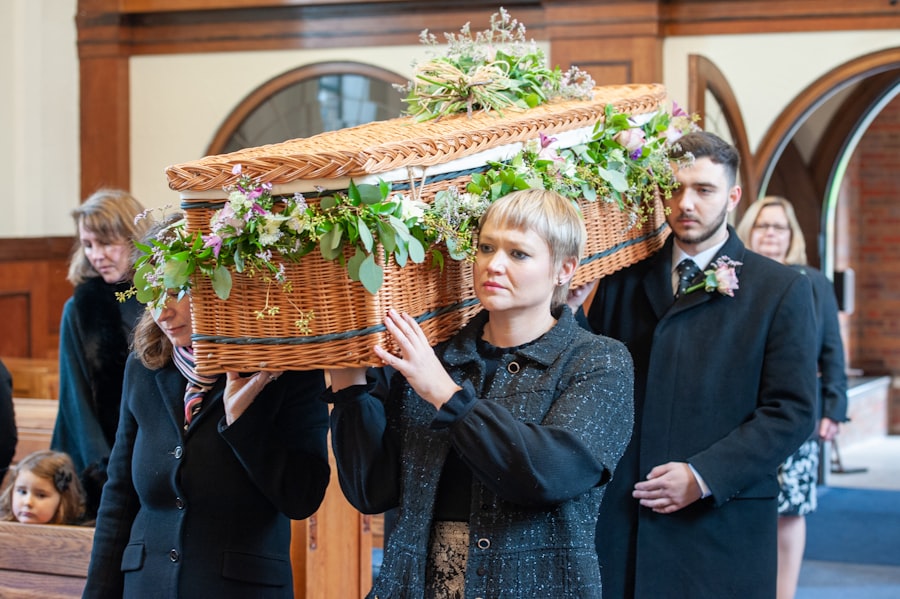
A significant contributing factor to the potential for exploitation is a general lack of consumer awareness and education regarding funeral planning. Most individuals only engage with the funeral industry a handful of times in their lives, leaving them unprepared for the decisions they must make.
Unfamiliarity with Funeral Laws and Regulations
Funeral laws and regulations vary by region, and many consumers are unaware of their rights or the legal requirements pertaining to funeral arrangements. For instance, families may not know that embalming is not legally required in most cases, or that they have the right to purchase a casket from a third-party vendor without incurring additional fees from the funeral home. This knowledge gap can empower funeral homes to recommend services that are not strictly necessary.
Misconceptions about “Doing Right” by the Deceased
Deeply ingrained cultural beliefs often dictate what constitutes a “proper” funeral. Some families believe that a more elaborate and expensive funeral equates to a greater display of love and respect. These misconceptions can be subtly reinforced by certain funeral providers, leading families to overspend on services and merchandise they might not genuinely desire or need. The idea that a higher price tag equates to superior love is a powerful emotional hook.
The Absence of Pre-Need Planning
While uncomfortable to consider, pre-need funeral planning can significantly mitigate the risk of exploitation. By making decisions in advance, free from the immediate emotional distress of loss, individuals can research options, compare prices, and ensure their wishes are honored. However, the inherent discomfort in confronting one’s mortality means that pre-need planning remains relatively uncommon, leaving families vulnerable when the time comes.
The funeral industry often takes advantage of families during their most vulnerable moments, leading to inflated costs and unnecessary services that can add to the emotional burden of loss. Many families are unaware of their rights and the options available to them, which can result in decisions driven more by pressure than by genuine need. For a deeper understanding of how this industry operates and the tactics used to exploit grieving families, you can read a related article on this topic at Hey Did You Know This. This resource sheds light on the complexities of funeral planning and offers insights into making informed choices during such a difficult time.
The Role of Industry Regulation and Oversight
| Metric | Description | Data / Statistic | Source |
|---|---|---|---|
| Average Cost of a Funeral | Typical expense families incur for a traditional funeral service | Approximately 7,000 to 12,000 | National Funeral Directors Association (NFDA) |
| Markup on Caskets | Percentage increase in price from wholesale to retail for caskets | Up to 200% | Federal Trade Commission (FTC) |
| Percentage of Families Feeling Pressured | Families who report feeling pressured to purchase unnecessary services or products | Over 50% | Consumer Reports Survey |
| Hidden Fees | Additional charges not clearly disclosed upfront in funeral contracts | Common in 30-40% of cases | FTC Funeral Rule Compliance Studies |
| Pre-Need Funeral Contracts | Contracts signed in advance that often lock families into high costs | Over 70% of funeral homes offer pre-need contracts | NFDA |
| Time Pressure on Decision Making | Families typically have less than 48 hours to make major financial decisions | 90% of families report rushed decisions | Journal of Consumer Affairs |
| Profit Margin on Funeral Services | Average profit margin funeral homes make on services and products | Between 30% and 50% | Industry Financial Reports |
Effective regulation and oversight are crucial in protecting grieving families from exploitative practices within the funeral industry. Without robust mechanisms to enforce ethical conduct, the potential for abuse remains high.
Inconsistent and Inadequate Regulatory Bodies
The regulatory landscape governing the funeral industry can be fragmented and inconsistent, with oversight falling to various state or provincial agencies, each with varying levels of authority and enforcement. This patchwork of regulations can create loopholes that certain providers may exploit. Without a unified and stringent regulatory framework, accountability can be difficult to establish.
Limited Enforcement and Penalties
Even when regulations are in place, the enforcement of these rules can be lax. Consumer complaints may go unaddressed, and penalties for unethical practices may be insufficient to act as a deterrent. This leads to a situation where the financial gains from exploitative practices can outweigh the risks of being caught and penalized, fostering a climate where such behavior can persist.
The Need for Price Transparency Laws
Mandating clear, itemized price lists for all services and merchandise, known as a General Price List (GPL) in the United States, is a critical step towards greater transparency. However, the effectiveness of such laws depends on their enforceability and families’ awareness of their right to receive and review these lists. The metaphor here is a window to a formerly darkened room – transparency laws illuminate the true costs, allowing informed decisions.
In conclusion, the exploitation of grieving families by certain elements within the funeral industry is a complex issue rooted in psychological vulnerability, opaque pricing, manipulative sales tactics, and a general lack of consumer awareness. While many funeral professionals operate with integrity and compassion, the inherent power imbalance between a distressed family and a knowledge-rich provider creates opportunities for unethical practices. Addressing this issue requires a multi-pronged approach, including enhanced consumer education, more stringent industry regulation, and a collective commitment from within the industry to uphold the highest ethical standards. Families, in their period of profound sorrow, deserve not just empathy, but also protection from those who might seek to profit from their pain.
FAQs
What are common ways the funeral industry exploits grieving families?
The funeral industry can exploit grieving families by upselling expensive services and products, using high-pressure sales tactics, and taking advantage of families’ emotional vulnerability to encourage unnecessary purchases.
Are funeral prices regulated or standardized?
Funeral prices are generally not regulated or standardized, which can lead to significant price variations between providers. This lack of regulation allows some businesses to charge excessively high fees.
How can families protect themselves from exploitation during funeral planning?
Families can protect themselves by researching funeral options in advance, requesting detailed price lists, comparing multiple providers, and understanding their rights under laws such as the Funeral Rule in the United States.
What legal protections exist for consumers in the funeral industry?
In the U.S., the Federal Trade Commission’s Funeral Rule requires funeral providers to give clear, itemized price information and prohibits deceptive practices. Similar consumer protection laws may exist in other countries.
Why is transparency important in the funeral industry?
Transparency helps families make informed decisions during a difficult time, prevents overcharging, and reduces the risk of being pressured into unnecessary or overpriced services. It promotes trust and fairness in funeral arrangements.