
In the months leading up to Saddam Hussein’s execution, the atmosphere in Iraq was charged with tension and anticipation. Following his capture in December 2003, Hussein had been subjected to a lengthy trial that captivated both the nation and the world. The trial, which began in October 2005, was marked by dramatic testimonies and intense scrutiny, as it sought to hold the former dictator accountable for crimes against humanity, including the infamous Anfal campaign against the Kurdish population.
As the trial progressed, it became clear that the verdict would not only determine Hussein’s fate but also serve as a pivotal moment in Iraq’s tumultuous history. As the date of execution drew closer, the political landscape in Iraq was fraught with uncertainty. The country was still reeling from the aftermath of the U.S.-led invasion in 2003, which had toppled Hussein’s regime but left a power vacuum that led to sectarian violence and instability.
Many Iraqis viewed the impending execution as a necessary step toward justice and reconciliation, while others feared it would exacerbate divisions within the country. The government, under Prime Minister Nouri al-Maliki, faced immense pressure to ensure that the execution was carried out swiftly and decisively, as it sought to assert its authority in a nation still grappling with the legacy of dictatorship.
Key Takeaways
The death chamber: a detailed description
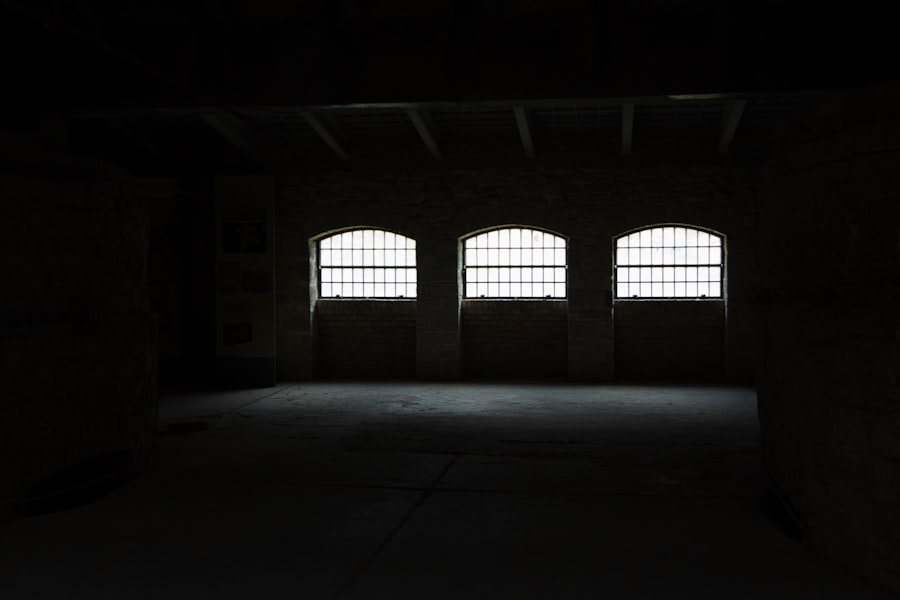
The death chamber where Saddam Hussein was executed was a stark and somber environment, designed to carry out its grim purpose with efficiency and finality. Located within the confines of an Iraqi military facility, the chamber was devoid of any embellishments or comforts. The walls were painted a dull gray, and the lighting was harsh, casting an unflattering glare on the cold concrete floor.
A heavy steel door marked the entrance, and once closed, it sealed off the outside world, creating an atmosphere of isolation and inevitability. Inside the chamber, a noose hung ominously from a wooden beam, symbolizing the fate that awaited Hussein. The gallows were constructed with a sense of grim practicality; there were no frills or decorations to soften the reality of what was about to occur.
A small group of officials and witnesses would be present to observe the execution, their expressions reflecting a mix of solemnity and anticipation. The air was thick with tension as everyone prepared for the moment that would mark the end of an era in Iraq’s history.
The role of the executioner
The executioner played a crucial role in this somber event, tasked with carrying out a duty that weighed heavily on his conscience. Chosen for his experience and discretion, he understood the gravity of his responsibility. For many, executing a figure as polarizing as Saddam Hussein was not merely a job; it was a moral dilemma that forced him to confront his own beliefs about justice and retribution.
The executioner had trained for this moment, rehearsing every detail to ensure that the process would be swift and devoid of unnecessary suffering. As he prepared for the execution, he reflected on the implications of his actions. To some, he would be seen as an instrument of justice, delivering a long-awaited punishment for decades of tyranny.
To others, he might be viewed as a mere cog in a machine that perpetuated violence and division in a country still healing from its wounds. Regardless of public perception, he approached his task with professionalism, knowing that history would judge not only Saddam Hussein but also those who participated in his demise.
The final moments of Saddam Hussein
In his final moments, Saddam Hussein exhibited a complex mix of defiance and resignation. As he was led to the death chamber, he maintained an air of bravado, refusing to show fear or regret for his actions during his rule. Witnesses later recounted how he recited verses from the Quran, seemingly drawing strength from his faith as he faced his fate.
This display of composure was emblematic of his character; throughout his life, he had often portrayed himself as an unyielding leader who would not bow to pressure or adversity. As he stood on the gallows, surrounded by officials and witnesses, Hussein’s demeanor shifted slightly. He acknowledged his impending death but remained steadfast in his belief that he had acted in service of Iraq.
His final words were reportedly directed at those present, urging them to remember him as a patriot rather than a tyrant. In those fleeting moments before the trapdoor opened beneath him, he seemed to embody both the complexities of his legacy and the deep divisions within Iraqi society regarding his rule.
The reactions of the witnesses
The reactions of those who witnessed Saddam Hussein’s execution were varied and deeply emotional. For some, it was a moment of catharsis—a long-awaited conclusion to years of suffering under his regime. Many Iraqis who had endured persecution or loss at his hands felt a sense of justice being served as they watched him meet his end.
The atmosphere in the chamber was charged with conflicting emotions; some witnesses expressed relief while others grappled with feelings of unease about the implications of such an act. Conversely, there were those who viewed the execution with skepticism and concern. They feared that Hussein’s death would not bring about the healing and unity that Iraq so desperately needed but rather deepen existing rifts within society.
Witnesses reported that some officials appeared visibly uncomfortable during the execution, reflecting a broader unease about how this act would be perceived both domestically and internationally. The complexity of emotions surrounding Hussein’s death underscored the challenges facing Iraq as it sought to move forward from its tumultuous past.
The aftermath of the execution

In the immediate aftermath of Saddam Hussein’s execution, Iraq found itself at a crossroads. While some celebrated what they perceived as justice served, others lamented the potential for increased violence and instability in a country already fraught with division. The government declared a national holiday to commemorate the event, framing it as a pivotal moment in Iraq’s journey toward democracy and reconciliation.
However, this celebration was met with protests and unrest in various regions, particularly among those who viewed Hussein as a martyr rather than a tyrant. The execution also sparked debates about its implications for Iraq’s future governance. Many political analysts speculated that Hussein’s death could either pave the way for greater stability or exacerbate existing tensions among sectarian groups vying for power.
In subsequent months, violence surged in various parts of Iraq, leading some to argue that Hussein’s execution had inadvertently fueled further conflict rather than quelling it. As Iraq grappled with its identity in a post-Hussein era, questions about justice, accountability, and reconciliation loomed large over its political landscape.
Controversies surrounding the execution
Saddam Hussein’s execution was not without its controversies, which emerged both during and after the event itself. Critics raised concerns about the fairness of his trial and whether it truly represented justice for all Iraqis. Many argued that the proceedings were marred by political motivations and lacked transparency, undermining their legitimacy.
The speed with which Hussein was executed after his conviction also drew scrutiny; some believed that it was an attempt by the Iraqi government to silence dissenting voices and consolidate power amid ongoing unrest. Additionally, there were debates about whether capital punishment was an appropriate response to Hussein’s crimes. Human rights advocates condemned the execution as an act that contradicted principles of justice and human dignity.
They argued that executing a former leader could set a dangerous precedent for future governance in Iraq and beyond. These controversies highlighted deep divisions within Iraqi society regarding how best to address past atrocities while striving for a more just future.
International reactions to Saddam Hussein’s execution
The international community reacted with mixed feelings to Saddam Hussein’s execution.
Leaders from various nations praised Iraq’s efforts to hold Hussein accountable for his actions and emphasized the importance of upholding human rights standards in post-conflict societies.
For these supporters, Hussein’s death symbolized a rejection of tyranny and an affirmation of democratic values. Conversely, other nations criticized the execution as an act that could further destabilize Iraq and undermine efforts toward reconciliation. Concerns were raised about how this event might affect regional dynamics and exacerbate sectarian tensions within Iraq and neighboring countries.
Human rights organizations also condemned the execution on moral grounds, arguing that it did not align with global standards for justice and due process. These varied international reactions underscored the complexities surrounding Hussein’s legacy and highlighted differing perspectives on justice in post-conflict societies.
The impact on Iraq’s political landscape
Saddam Hussein’s execution had profound implications for Iraq’s political landscape in both immediate and long-term contexts. In the short term, it created a power vacuum that various factions sought to fill amid ongoing violence and instability. The removal of such a polarizing figure led to increased competition among political groups vying for influence in post-Hussein Iraq.
This struggle often manifested along sectarian lines, exacerbating tensions between Sunni and Shia communities as they navigated their roles in shaping Iraq’s future governance.
His execution did not erase memories of his regime; instead, it became a rallying point for various factions seeking to either reclaim power or justify their actions in pursuit of political goals.
As Iraq grappled with issues such as corruption, governance challenges, and security concerns, debates surrounding justice for past atrocities remained central to discussions about national identity and unity.
Reflections on the legacy of Saddam Hussein
Saddam Hussein’s legacy is one marked by complexity and contradiction—a reflection of both his brutal rule and the deep scars left on Iraqi society. For many Iraqis who suffered under his regime, he is remembered as a tyrant responsible for widespread human rights abuses and atrocities against various ethnic groups. His reign was characterized by oppression, fear, and violence; these memories continue to shape perceptions of leadership and governance in contemporary Iraq.
Conversely, there are those who view him through a different lens—one that emphasizes nationalism and resistance against foreign intervention. Some supporters argue that Hussein’s policies aimed at promoting Iraqi sovereignty and independence resonate with certain segments of society even today. This duality complicates discussions about his legacy; while many seek justice for past wrongs committed during his rule, others grapple with feelings of nostalgia or loyalty tied to national identity.
The execution’s place in history
Saddam Hussein’s execution occupies a significant place in history—not only as an event marking the end of an era but also as a symbol of broader struggles over justice, accountability, and reconciliation in post-conflict societies. It serves as a reminder of how deeply personal narratives intertwine with national histories; individuals’ experiences under Hussein’s regime continue to shape collective memory in Iraq today. As historians reflect on this pivotal moment, they recognize its implications extend beyond Iraq’s borders—offering lessons about governance transitions following authoritarian rule worldwide.
The complexities surrounding Hussein’s trial and execution highlight ongoing debates about how societies confront their pasts while striving toward futures defined by justice rather than vengeance or division. In conclusion, Saddam Hussein’s execution remains etched into both Iraqi history and global discourse surrounding justice after tyranny—a testament to humanity’s enduring struggle for accountability amidst cycles of violence and oppression.
Saddam Hussein’s execution room has been a topic of intense interest and discussion since his death in 2006. For those looking to delve deeper into the historical context and the events surrounding his execution, a related article can be found on the Hey Did You Know This website. This article provides insights into the political climate of the time and the implications of Hussein’s execution on global politics. You can read more about it by visiting this page.
WATCH NOW! How the US Hunted and Captured Saddam Hussein: The Untold Story of Operation Red Dawn
FAQs
What was the Saddam Hussein execution room?
The Saddam Hussein execution room refers to the location where former Iraqi President Saddam Hussein was executed by hanging on December 30, 2006.
Where was the Saddam Hussein execution room located?
The execution took place at Camp Justice, an Iraqi army base in Kadhimiya, a neighborhood of Baghdad, Iraq.
Who was present in the Saddam Hussein execution room during the execution?
The execution was attended by a small group of Iraqi officials, witnesses, and members of the Iraqi military. The event was recorded on video, which was later leaked to the media.
What were the circumstances surrounding the Saddam Hussein execution?
Saddam Hussein was convicted of crimes against humanity by the Iraqi Special Tribunal for the Dujail massacre, and his execution was carried out following the exhaustion of his legal appeals.
What was the aftermath of the Saddam Hussein execution?
The execution of Saddam Hussein sparked both celebration and condemnation around the world. It also raised questions about the manner in which the execution was carried out and the treatment of the former Iraqi leader in his final moments.