The Evolutionary Impact of High Pressure Steel Reactors
The advent of high-pressure steel reactors has irrevocably reshaped the landscape of industrial chemistry, engineering, and ultimately, human civilization. These vessels, engineered to withstand extreme internal pressures, are not merely inert containers; they are catalysts for transformation, enabling reactions that would otherwise be thermodynamically unfavored or practically impossible. Their development represents a significant leap in our ability to control and harness chemical processes, acting as the crucible where raw materials are refined into the building blocks of our modern world. This article will explore the multifaceted evolutionary impact of these remarkable machines, charting their journey from theoretical concepts to indispensable industrial workhorses.
The fundamental challenge in many chemical reactions is the requirement for specific conditions, often involving elevated temperatures and pressures, to achieve desired product yields and reaction rates. Early chemical processes, conducted in open vessels or at atmospheric pressure, were severely limited in their scope and efficiency. The pursuit of greater control and enhanced reaction dynamics drove engineers and scientists to consider methods for containing and manipulating substances under extreme conditions.
Early Forerunners and the Dawn of Containment
The earliest forms of pressure vessels were crude, often fashioned from cast iron or rudimentary alloys, and their application was primarily in areas like steam power. The understanding of material science and engineering principles was nascent, making the design and construction of truly high-pressure containment a perilous undertaking. Accidents were common, and the limitations imposed by available materials and construction techniques severely restricted the pressures that could be safely achieved. Yet, these early attempts, though often fraught with danger, laid the groundwork for understanding the fundamental principles of pressure containment. They highlighted the need for stronger materials, precise fabrication, and a deeper understanding of stress distribution within a vessel. It was akin to trying to sculpt with soft clay when one needed to carve granite – the materials were simply not capable of the task.
The Role of Material Science Advancements
The true revolution in high-pressure reactor technology was inextricably linked to advancements in material science. The development of stronger, more resilient steels, particularly through the refinement of alloying techniques and heat treatment processes, was paramount. These new materials offered significantly improved tensile strength and resistance to fatigue, allowing for the construction of vessels capable of withstanding pressures orders of magnitude higher than previously possible. The ability to reliably predict and manage the behavior of these advanced steels under stress was a critical breakthrough. This was like discovering a new set of tools – a precision chisel where previously only a blunt axe was available – ushering in an era of greater control and possibility.
Theoretical Underpinnings and Engineering Design
Concurrent with material advancements, theoretical understandings in thermodynamics, fluid dynamics, and stress analysis evolved. Equations governing gas behavior under pressure, the kinetics of reactions, and the mechanics of thick-walled cylinders provided the theoretical framework necessary for designing safe and efficient high-pressure reactors. Engineers could now move beyond empirical trial-and-error to a more predictive and calculated approach. This theoretical foundation served as the blueprint, guiding the physical construction of these complex machines. Without these underlying scientific principles, the experimental advancement of materials would have been like possessing a powerful engine but lacking the chassis and steering to control it.
The impact of high pressure steel reactors on human evolution is a fascinating topic that intersects with advancements in technology and their influence on societal development. For a deeper understanding of how technological innovations have shaped human progress, you may find the article “The Role of Industrial Revolution in Human Evolution” insightful. It explores the transformative effects of industrial advancements on human society and biology. You can read it here: The Role of Industrial Revolution in Human Evolution.
Enabling Groundbreaking Industrial Processes
The impact of high-pressure steel reactors is most profoundly felt in the industrial processes they enable. These reactors are the heart of operations that produce a vast array of essential materials, from fuels and fertilizers to plastics and pharmaceuticals. They are the silent architects of much of our material abundance.
The Haber-Bosch Process: A Revolution in Agriculture
Perhaps the most celebrated example of a process enabled by high-pressure steel reactors is the Haber-Bosch process for ammonia synthesis. Developed in the early 20th century, this process allows for the conversion of atmospheric nitrogen and hydrogen gas into ammonia under high pressure (150-250 atmospheres) and elevated temperatures (400-500 °C), using an iron catalyst. Prior to this innovation, ammonia production was limited and relied on less efficient and more environmentally damaging methods. The Haber-Bosch process, housed within robust high-pressure reactors, dramatically increased the availability of ammonia, a crucial ingredient for nitrogen-based fertilizers.
The Fertilizer Cascade and Global Food Security
The cascading impact of abundant, affordable fertilizers on global agriculture has been nothing short of transformative. It fueled the Green Revolution, enabling significantly higher crop yields per unit of land and helping to avert widespread famine in a rapidly growing global population. High-pressure reactors, in this context, became the linchpin of global food security. The ability to synthesize ammonia on an industrial scale was like unlocking a hidden reservoir of nutrients for the earth, allowing it to sustain a far larger human population. To put it plainly, without these reactors, the world’s current population would likely be unsustainable.
Petrochemical Refinement and Polymer Production
The petrochemical industry is another sector fundamentally reliant on high-pressure steel reactors. Processes such as catalytic cracking, hydrocracking, and polymerization require precisely controlled high-pressure environments to break down crude oil fractions into more valuable products and to synthesize complex polymer chains. These reactions are often carried out at pressures well in excess of atmospheric, necessitating the use of specialized high-pressure reactor vessels.
Cracking the Code of Hydrocarbons
The ability to precisely control the breaking and reforming of hydrocarbon bonds under pressure allows for the efficient production of gasoline, diesel fuel, and a myriad of other petrochemical intermediates. High-pressure reactors are the crucibles where the long, unwieldy chains of crude oil are effectively “cracked” into smaller, more useful molecules. This process is akin to deconstructing a complex LEGO model and reassembling the individual bricks into a vast array of new and valuable creations. The diversity of materials derived from these processes underpins countless industries, from transportation to consumer goods.
Synthetic Fuel Production and Alternative Energy
As the world grapples with energy security and the transition to cleaner energy sources, high-pressure steel reactors are playing a critical role in the development of synthetic fuels. Processes like Fischer-Tropsch synthesis, which converts synthesis gas (a mixture of carbon monoxide and hydrogen) into liquid hydrocarbons, require high pressures and temperatures. These reactors are essentially enabling the creation of fossil-fuel-like substances from alternative carbon sources, such as coal, natural gas, or even biomass.
The Alchemy of Synthesis Gas
The transformation of synthesis gas into usable fuels within high-pressure reactors represents a form of modern alchemy. It is the process of taking relatively simple molecular building blocks and, under intense pressure and controlled conditions, reassembling them into the complex hydrocarbon chains that power our world. While the quest for truly sustainable energy continues, high-pressure reactor technology is a vital tool in bridging the gap, offering pathways to produce liquid fuels from a wider range of feedstocks.
Advancements in Reactor Design and Operation
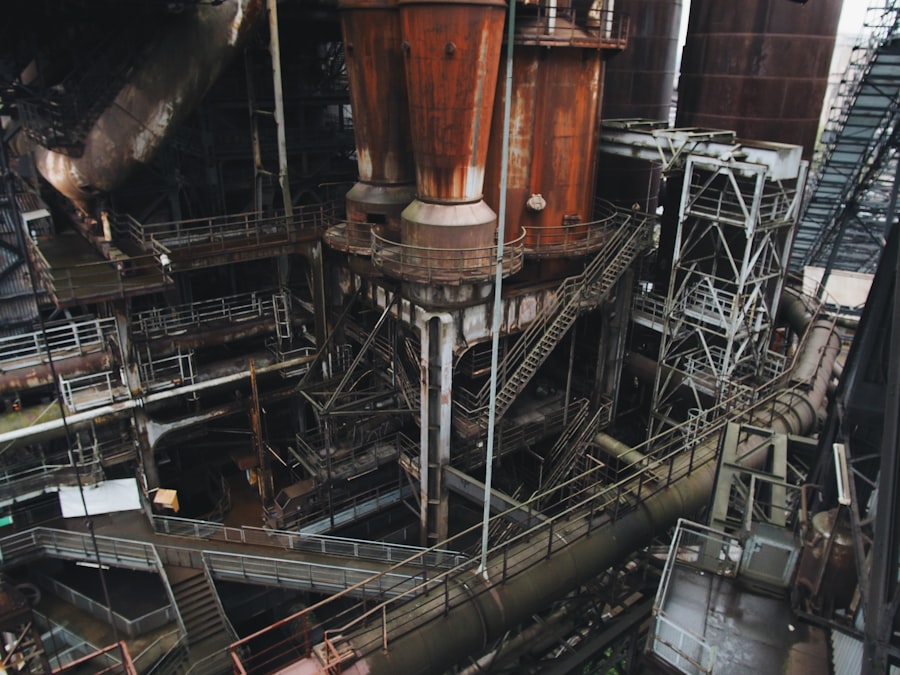
The evolution of high-pressure steel reactors is not solely about the material they are made from, but also about the intricate engineering that goes into their design, construction, and operational control. These machines are complex systems, demanding precision at every stage.
Material Selection and Alloy Development
The pursuit of ever-higher pressures and harsher operating conditions drives continuous research into advanced steel alloys. These alloys are meticulously designed to possess specific properties, such as enhanced creep resistance, improved ductility at high temperatures, and superior resistance to corrosive environments. The selection of the appropriate alloy is a critical design parameter, akin to choosing the right instrument for a delicate surgical procedure.
Tailoring Steel for Extreme Environments
Specialized alloys, such as those containing chromium, molybdenum, and nickel, are employed to create reactors capable of withstanding the extreme temperatures and pressures encountered in catalytic reforming, hydroprocessing, and supercritical fluid applications. The ability to tailor the composition and microstructure of steel allows engineers to create vessels that are not only strong but also durable and resistant to the chemical onslaught of the reactions they contain. This is a testament to the power of applied chemistry and metallurgy in solving extreme engineering challenges.
Welding and Fabrication Techniques
The integrity of a high-pressure reactor hinges on the quality of its fabrication, particularly its welded joints. Advanced welding techniques, such as submerged arc welding, electroslag welding, and specialized automated processes, are employed to ensure that the welds are free of defects and possess mechanical properties comparable to the base material. The slightest imperfection can become a point of catastrophic failure under extreme pressure.
The Art and Science of Joining Steel
The joining of thick steel plates to form a robust pressure vessel is a highly skilled undertaking, blending art and science. Precision in alignment, controlled heat input, and thorough post-weld heat treatment are crucial to prevent residual stresses and ensure the long-term integrity of the reactor. This aspect of construction is akin to forging a chain link by link, where the strength of the entire chain depends on the flawless execution of each individual connection.
Safety Systems and Process Control
Safety is paramount in the operation of high-pressure reactors. Sophisticated safety systems, including pressure relief valves, rupture discs, and emergency shutdown mechanisms, are integrated into the design. Furthermore, advanced process control systems, employing sensors and feedback loops, ensure that the reactor operates within its designated parameters, minimizing the risk of excursions that could lead to hazardous situations.
The Guardian Angels of Pressure Containment
These safety systems act as the vigilant guardians of the pressurized environment. They are the silent protectors that stand ready to mitigate risks, ensuring that the immense forces contained within the reactor can be managed safely. The continuous monitoring and precise adjustments made by process control systems are like a skilled pilot navigating a complex flight path, ensuring stability and preventing any deviation from the intended course.
Broader Societal and Economic Impacts
The influence of high-pressure steel reactors extends far beyond the confines of the chemical plant, permeating into the broader fabric of society and the global economy. Their ability to unlock efficient production of essential goods has reshaped economies and improved living standards.
Driving Economic Growth and Industrialization
The establishment and expansion of industries reliant on high-pressure reactors have been a significant driver of economic growth and industrialization worldwide. The production of cost-effective fertilizers, fuels, plastics, and other chemical products supports a vast array of downstream industries, creating jobs and fostering innovation.
The Engine of Modern Economies
These reactors are, in essence, the engines of modern economies. By enabling the efficient conversion of raw materials into high-value products, they fuel manufacturing, transportation, and consumption. The economic ripple effect is profound, supporting employment at multiple levels, from the extraction of raw materials to the sale of finished goods.
Impact on Global Trade and Resource Allocation
The ability to produce essential commodities like ammonia and refined fuels on an industrial scale has dramatically impacted global trade patterns and resource allocation. Nations with sophisticated high-pressure reactor capabilities can become major exporters of these products, influencing international markets and geopolitical dynamics.
Reshaping the Global Supply Chain
The efficient production made possible by these reactors has, in many ways, reshaped the global supply chain. It allows for the localized production of goods that were once scarce or prohibitively expensive, contributing to greater accessibility and affordability of essential items for populations around the world. This has been like rerouting major arteries of commerce, creating new pathways for the flow of goods and resources.
Contribution to Technological Innovation Beyond Chemistry
The engineering challenges and solutions developed for high-pressure steel reactors have often found applications in other fields of technology. The principles of stress analysis, material fatigue, and advanced fabrication techniques have informed advancements in aerospace, nuclear engineering, and even the design of deep-sea submersibles.
The Cross-Pollination of Innovation
The rigorous demands of designing and operating high-pressure equipment have fostered a cross-pollination of innovation. Lessons learned in containing immense forces within steel vessels have spurred advancements in understanding material behavior under extreme conditions, benefiting a wide range of engineering disciplines. This is akin to a scientific breakthrough in one field illuminating pathways of discovery in seemingly unrelated areas.
The study of high pressure steel reactors has opened new avenues in understanding human evolution, particularly in how technological advancements influence our development. A related article explores the intricate relationship between industrial innovations and societal changes, shedding light on how these factors have shaped human progress over centuries. For more insights on this topic, you can read the article here, which delves into the broader implications of technology on human history.
Future Trends and Enduring Relevance
| Metric | Value | Impact Description |
|---|---|---|
| Year of Introduction | 1950s | Beginning of widespread use of high pressure steel reactors in chemical industries |
| Increase in Chemical Production Efficiency | 30-50% | Enhanced production of fertilizers and pharmaceuticals, indirectly supporting human health and agriculture |
| Reduction in Toxic Exposure | 15% | Improved reactor design reduced accidental chemical releases, lowering human exposure to harmful substances |
| Advancement in Medical Treatments | Significant | Enabling mass production of drugs, contributing to increased human lifespan and evolution of healthcare |
| Environmental Impact | Moderate | Industrial emissions affected ecosystems, indirectly influencing human evolutionary pressures |
| Contribution to Human Evolution | Indirect | Improved nutrition and healthcare from chemical industry advancements influenced human development |
The evolution of high-pressure steel reactors is far from over. Ongoing research and development continue to push the boundaries of their capabilities, addressing emerging industrial needs and environmental concerns.
Exploring Higher Pressures and Temperatures
The ongoing quest for more efficient and selective chemical processes continues to drive the development of reactors capable of operating at even higher pressures and temperatures. These advancements are critical for unlocking new reaction pathways and optimizing existing ones.
Pushing the Boundaries of Chemical Synthesis
Scientists and engineers are continually striving to push the boundaries of chemical synthesis, and high-pressure reactors are at the forefront of this endeavor. The ability to create and sustain extreme conditions allows for the exploration of novel chemical transformations that could lead to the development of new materials, advanced catalysts, and more sustainable chemical processes.
Integration with Advanced Catalysis and Process Intensification
The synergy between high-pressure reactor technology and advancements in catalysis is a key area of focus. Developing highly active and selective catalysts that operate efficiently under high pressure can lead to significant improvements in reaction yields, reduced energy consumption, and minimized waste generation. Process intensification, aiming to achieve greater efficiency in smaller equipment, also heavily relies on the robust containment provided by these reactors.
The Symbiosis of Catalyst and Container
The relationship between advanced catalysts and high-pressure reactors is one of symbiosis. The catalyst enables the chemical transformation, while the reactor provides the controlled environment necessary for the catalyst to perform optimally. This intricate dance between material science, chemistry, and engineering is vital for developing the next generation of industrial processes.
Sustainability and Environmental Considerations
As the world increasingly prioritizes sustainability, high-pressure reactor technology is being adapted to meet these challenges. This includes developing processes that utilize renewable feedstocks, reduce greenhouse gas emissions, and minimize waste. The efficient nature of reactions conducted under high pressure can often contribute to a more sustainable industrial footprint.
Engineering for a Greener Future
The role of high-pressure reactors in engineering a greener future is significant. By enabling more efficient and selective chemical reactions, they contribute to reduced energy consumption and waste generation. Furthermore, their application in the production of biofuels and the capture and utilization of carbon dioxide demonstrates their potential to address critical environmental challenges. This is about designing machines that not only build our present but also help safeguard our future. The legacy of high-pressure steel reactors is one of profound transformation, a testament to human ingenuity in harnessing the fundamental forces of nature to shape our world. They are the silent giants upon which much of our modern industrial society is built, and their evolution continues to promise further advancements that will redefine what is possible.
FAQs
What are high pressure steel reactors?
High pressure steel reactors are industrial vessels designed to operate under high pressure and temperature conditions. They are typically made from strong steel alloys to withstand the intense environments required for chemical reactions, such as in the production of fertilizers, pharmaceuticals, and petrochemicals.
How do high pressure steel reactors relate to human evolution?
While high pressure steel reactors themselves do not directly influence biological human evolution, their development has significantly impacted human society by enabling advancements in chemical manufacturing. These advancements have contributed to improved agriculture, medicine, and industry, indirectly affecting human development and quality of life.
When were high pressure steel reactors first developed?
High pressure steel reactors began to be developed in the late 19th and early 20th centuries, coinciding with the rise of industrial chemistry. The Haber-Bosch process, developed in the early 1900s, is a notable example that utilized high pressure reactors to synthesize ammonia for fertilizers.
What are the main benefits of using high pressure steel reactors?
The main benefits include the ability to carry out chemical reactions at higher pressures and temperatures, which can increase reaction rates and yields. This leads to more efficient production processes, reduced costs, and the ability to manufacture a wide range of important chemicals that support modern society.
Are there any environmental concerns associated with high pressure steel reactors?
Yes, the operation of high pressure steel reactors often involves the use of hazardous chemicals and energy-intensive processes, which can lead to environmental pollution if not properly managed. However, advancements in reactor design and process control have improved safety and reduced environmental impact over time.