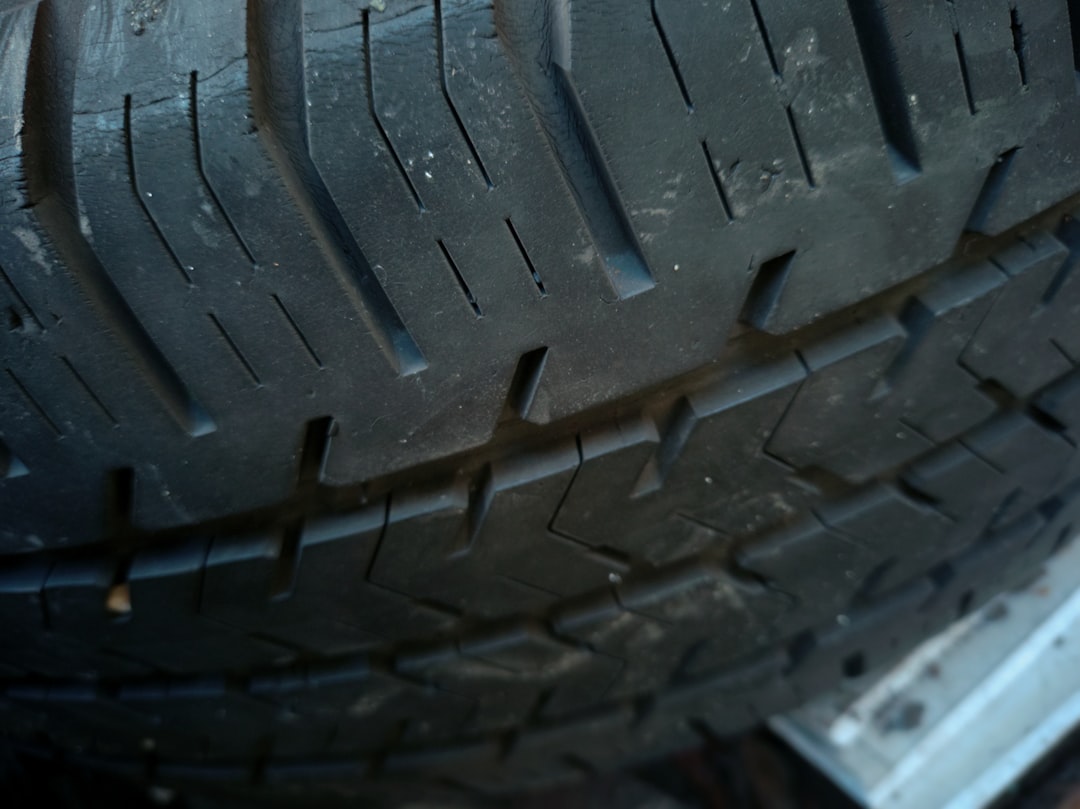
You drive. It’s a fundamental part of modern life, a freedom that allows you to travel, connect, and explore. But with every mile you traverse, your tires are silently contributing to a growing environmental concern: tire wear particles (TWPs). While often overlooked in favor of more visible pollution sources, the microscopic fragments shed from your tires represent a significant and complex environmental challenge. You likely haven’t given it much thought, but the rubber that grips the road is, in fact, a material in constant, albeit slow, degradation.
The Ubiquitous Nature of Tire Wear Particles
Tire wear particles have been increasingly recognized for their environmental impact, contributing to microplastic pollution in waterways and ecosystems. A related article that delves deeper into this issue can be found at Hey Did You Know This, where the implications of tire wear on both terrestrial and aquatic environments are discussed, highlighting the need for sustainable solutions to mitigate this growing concern.
Their Generation and Composition
Every time your vehicle’s tires make contact with the road surface, a process of abrasion occurs. This friction, necessary for traction and control, inevitably liberates tiny particles of rubber, as well as components from the tire’s tread and the road surface itself. Imagine billions of microscopic sandpaper grains constantly being abraded by the kinetic energy of your journey. This process isn’t limited to aggressive driving; even gentle acceleration, braking, and steering contribute to TWP generation. The sheer volume of vehicles on the road globally means that the cumulative effect is substantial. You might not see the dust swirling from your car’s tires, but it’s happening.
Factors Influencing TWP Production
Several factors influence the rate at which your tires shed particles. The tread pattern and compound play a role; softer, stickier rubber tends to wear faster. Tire pressure is critical; underinflated tires create more contact area, leading to increased wear, while overinflated tires can lead to localized stress and wear patterns. Driving style is a significant contributor; aggressive acceleration and braking generate considerably more TWPs than smooth, controlled driving. Road surface type is also a factor. Smooth asphalt may produce different particle types and quantities than rougher concrete or poorly maintained roads. Even weather conditions can impact wear, with extreme temperatures and moisture potentially influencing the rate of degradation. So, the way you drive, the condition of your vehicle, and the very roads you travel on all contribute to this unseen release.
The Scale of the Problem
Estimates suggest that global TWP emissions are in the order of millions of tons per year, rivaling or even exceeding the amount of tire wear from heavy-duty vehicles. This makes TWPs a significant source of microplastic pollution, often ranking among the primary contributors. When you consider the billions of miles driven annually, the sheer quantity of material being released into the environment becomes alarmingly clear. This isn’t a localized issue; it’s a pervasive consequence of our automotive reliance.
Recent studies have highlighted the environmental impact of tire wear particles, which are a significant source of microplastics in our ecosystems. These tiny fragments can accumulate in waterways and soil, posing risks to aquatic life and potentially entering the food chain. For a deeper understanding of this issue, you can explore a related article that discusses the implications of tire wear on the environment and human health. To read more about this topic, visit this informative page.
The Journey of Tire Wear Particles in the Environment
Atmospheric Transport and Deposition
Once released, TWPs don’t simply vanish. They are very fine particles, and their aerodynamic properties allow them to become suspended in the air. Wind can then transport these particles over considerable distances, meaning that TWPs originating from urban centers can be found in remote, pristine environments. Airborne TWPs will eventually settle onto surfaces, a process known as atmospheric deposition. This deposition occurs on land, in water bodies, and on vegetation. You might not notice the fine layer of dust that settles on your car after a day parked outdoors; some of that is likely TWPs.
Aquatic Pathways
Rainfall plays a crucial role in mobilizing TWPs from road surfaces. Runoff from roads carries these particles into drainage systems, rivers, lakes, and eventually the oceans. Stormwater management systems, while designed to handle rainwater, often become conduits for TWPs. Studies have found significant concentrations of TWPs in surface waters, sediments, and even in marine organisms. This aquatic pathway is a primary route for TWPs to enter the food web. The puddles that form after a rainstorm are not just water; they are carrying a microscopic burden.
Terrestrial Accumulation
On land, TWPs accumulate in soils, particularly in areas adjacent to roads. These particles can persist in the soil for extended periods. Their presence can alter soil properties, potentially affecting water infiltration, nutrient cycling, and the health of soil organisms. Vegetation growing near roads can also directly absorb or accrete TWPs from deposited dust. The roadside verge, which you might see as just a patch of grass, is a long-term repository for these particles.
The Chemical Cocktail Within Tire Wear Particles
The Composition Beyond Rubber
It’s a common misconception to think of TWPs as just fragments of rubber. In reality, they are complex composites. Tires are engineered with a multitude of additives to enhance their performance, durability, and grip. These include a range of chemicals such as carbon black (a reinforcing filler), sulfur (for vulcanization), zinc oxide (a vulcanization activator), various accelerators and antioxidants, and pigments. When tires wear, these additives are released along with the rubber matrix. Therefore, TWPs are not just inert plastic fragments; they are carriers of a diverse chemical payload. You’re not just shedding rubber; you’re shedding a chemical mixture.
Leaching of Harmful Substances
Many of the chemical additives present in tires are known to be toxic or have detrimental environmental effects. These substances can leach out of the TWPs once they enter the environment, particularly when they come into contact with water. Heavy metals like zinc can be released, and various organic compounds, some of which are persistent organic pollutants, can also be liberated. This leaching process means that the environmental impact of TWPs extends beyond their physical presence, posing a chemical threat to ecosystems. The water that washes over a tire-worn road is not just carrying physical debris; it’s carrying dissolved chemicals.
The Role of Tire-Road Interactions
The specific chemicals released also depend on the interaction between tire wear particles and the road surface materials. Road surfaces themselves, often asphalt, are also complex mixtures of bitumen and aggregates, which can interact with TWPs and their leached components. This interaction can further influence the types and quantities of contaminants released into the environment, creating a dynamic and often unpredictable chemical release scenario. The road you drive on is not a passive surface; it’s an active participant in the TWP issue.
Ecological and Health Implications
Impacts on Aquatic Life
The entry of TWPs into aquatic ecosystems is a significant concern. The physical particles can clog the gills of fish and invertebrates, hindering respiration and feeding. Furthermore, the leached chemicals can have direct toxic effects on aquatic organisms. Studies have shown that TWPs can impair the development, reproduction, and survival of various aquatic species, including fish, mussels, and crustaceans. The accumulation of these particles and their associated toxins in the food web can biomagnify, leading to higher concentrations in top predators. The fish you might encounter in rivers or lakes are exposed to this constant chemical drizzle.
Effects on Terrestrial Ecosystems
In terrestrial environments, TWPs can affect soil organisms such as earthworms and microorganisms, disrupting soil health and function. Plants can also absorb certain components of TWPs, potentially leading to phytotoxicity or bioaccumulation. The presence of TWPs on vegetation can also contribute to their spread through animal consumption. The soil beneath your tires, and even a considerable distance away, is a living system being impacted.
Potential Human Health Concerns
While research is ongoing, there are potential human health concerns associated with TWPs. Inhalation of fine airborne TWPs can lead to respiratory issues. The chemicals leached from TWPs can also enter the food chain and water supplies, raising concerns about chronic exposure. The proximity of roads to residential areas means that people are directly exposed to TWPs through air and dust. You, your family, and your neighbors are breathing and potentially ingesting these particles.
Mitigation and Future Directions
Improved Tire Design and Materials
Efforts are underway to develop tires that generate fewer wear particles. This involves research into novel rubber compounds and tread designs that are more durable and release fewer microplastics. Innovations in tire manufacturing could significantly reduce the source of TWPs, making the problem more manageable at its origin. Imagine tires that are designed to wear away as little as possible.
Advanced Road Surface Technologies
Similarly, research into road surface materials that are less abrasive to tires or can capture wear particles is being explored. Some innovative road surfaces are designed to bind with tire wear particles, preventing their dispersal. This could involve using materials that are more resistant to abrasion or incorporate technologies that trap particles effectively. The very infrastructure you drive on could be part of the solution.
Enhanced Stormwater Management
Improving stormwater management systems to effectively capture and treat TWPs before they enter waterways is crucial. This includes developing better filtration techniques and sediment traps in drainage systems. Reducing the flow of TWPs into rivers and oceans is a critical step in protecting aquatic ecosystems. The drainage ditches by the side of the road could be designed to be more effective filters.
Policy and Regulation
Governments and regulatory bodies are increasingly aware of the TWP issue and are beginning to explore policy options. This could include setting standards for tire wear, incentivizing the use of lower-wear tires, and implementing stricter controls on road runoff. Public awareness campaigns can also play a role in encouraging more sustainable driving habits. Informed choices and regulations are essential for driving change.
Ongoing Research and Monitoring
Continued scientific research is vital to fully understand the long-term ecological and health impacts of TWPs and to develop effective mitigation strategies. This includes developing standardized methods for measuring TWP emissions and monitoring their presence in various environmental compartments. The more we understand, the better equipped we will be to address the problem. You are part of a large, ongoing experiment, and scientists are working to understand its outcomes.
The Silent Contribution to Pollution
Every time you turn your key and set off on a journey, you are, however inadvertently, contributing to the pervasive issue of tire wear particle pollution. While often out of sight and out of mind, these microscopic fragments are accumulating in our environment, impacting ecosystems and potentially our health. The convenience of personal transportation comes with a silent, persistent cost that you are now more aware of. Your choices on the road have a far-reaching impact, even when you can’t see it. The road ahead for addressing this problem will require a concerted effort from manufacturers, road builders, policymakers, and individuals like you.
FAQs
What are tire wear particles?
Tire wear particles are tiny fragments of rubber that are released from tires as they wear down over time. These particles are typically less than 100 nanometers in size and can be released into the environment through normal driving activities.
What is the environmental impact of tire wear particles?
Tire wear particles can contribute to air and water pollution. When released into the environment, they can accumulate in soil and waterways, potentially impacting ecosystems and aquatic life. Additionally, tire wear particles can contain harmful chemicals and heavy metals, which can pose a risk to human health and the environment.
How do tire wear particles affect human health?
Tire wear particles can become airborne and be inhaled by humans, potentially leading to respiratory issues and other health concerns. Additionally, the chemicals and heavy metals present in tire wear particles can pose a risk to human health if they enter the food chain through contaminated soil and water.
What measures are being taken to address the environmental impact of tire wear particles?
Researchers and environmental agencies are studying the impact of tire wear particles and exploring potential solutions. This includes developing technologies to capture and contain tire wear particles, as well as investigating alternative materials for tire production that could reduce the environmental impact of tire wear.
How can individuals help reduce the impact of tire wear particles?
Individuals can help reduce the impact of tire wear particles by properly maintaining their vehicles, including regular tire rotations and alignments. Additionally, driving habits such as avoiding harsh braking and acceleration can help reduce tire wear and the release of tire wear particles into the environment.