The Industrial Revolution, a period of unprecedented technological advancement and economic growth, undeniably reshaped the human experience. From the late 18th century through the 19th century, societies transitioned from agrarian, handicraft-based economies to those dominated by industry and machine manufacturing. While this transformation brought about significant improvements in living standards for many and laid the groundwork for modern society, it also unleashed a torrent of environmental consequences that continue to reverberate today. Understanding these impacts is crucial for navigating the complex relationship between human progress and the health of our planet.
The Industrial Revolution was fueled by a voracious appetite for energy, a radical departure from the localized and largely renewable sources of the past. Before this era, human and animal labor, wind, and water power were the primary drivers of production. The advent of new machinery, however, demanded a power source that was more potent, more reliable, and capable of operating on a larger scale. This demand was met by the harnessing of fossil fuels, primarily coal.
The Rise of Coal: A Double-Edged Sword
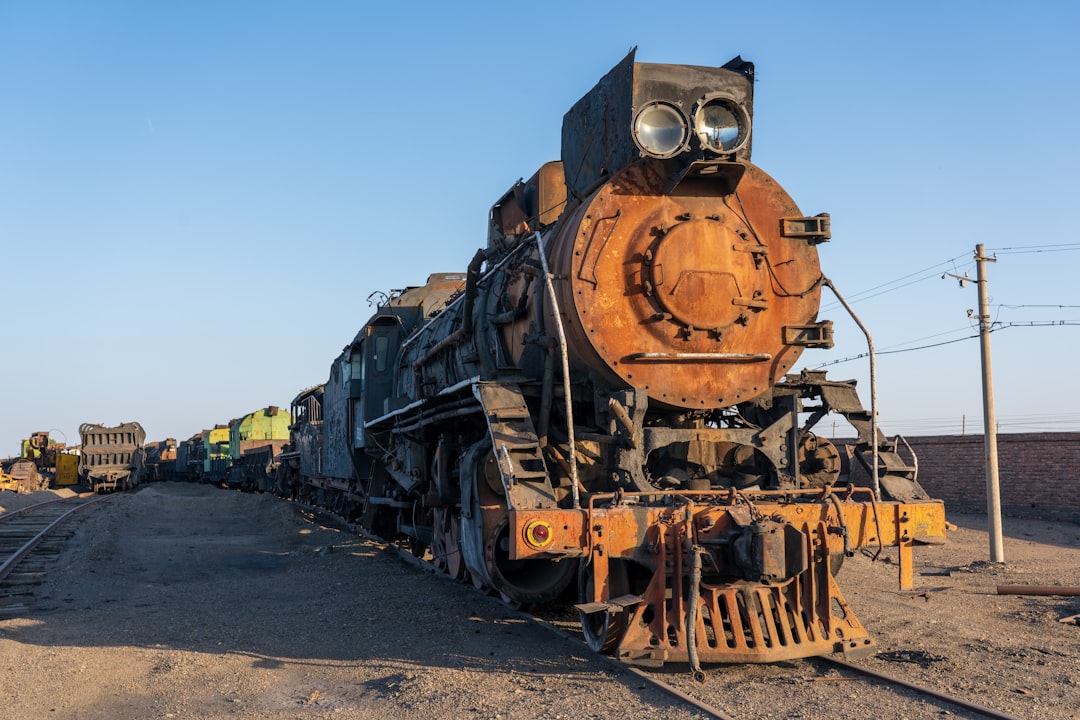
Coal emerged as the undisputed king of the Industrial Revolution’s energy landscape. Its abundance and energy density made it ideal for powering the steam engines that formed the backbone of factories, locomotives, and ships. The mining of coal itself became a massive industry, transforming landscapes with pits and slag heaps. Yet, the burning of this black gold came with a Faustian bargain.
Air Pollution: A Smoggy Legacy
The combustion of coal releases a cocktail of pollutants into the atmosphere, a phenomenon that transformed urban skies into perpetual twilight. Sulfur dioxide, a primary byproduct, reacted with atmospheric moisture to form sulfuric acid, leading to acid rain. This rain not only acidified lakes and rivers, devastating aquatic ecosystems, but also corroded buildings, monuments, and vegetation. Particulate matter, including soot and ash, clogged the airways of urban dwellers, contributing to respiratory illnesses and significantly lowering life expectancy in industrial centers. The picturesque landscapes, once bathed in sunlight, were now often shrouded in a persistent, choking haze, a visible manifestation of humanity’s new industrial breath.
Greenhouse Gas Emissions: The Seeds of Climate Change
While the immediate impacts of air pollution were palpable and often devastating at a local level, the long-term consequences of burning coal were far more insidious. The release of carbon dioxide (CO2) – a greenhouse gas – into the atmosphere began at an unprecedented scale. Although the full understanding of the greenhouse effect and its link to climate change would take decades to emerge, the Industrial Revolution marked the beginning of a significant anthropogenic perturbation of the Earth’s carbon cycle. The accumulated CO2 acted like a thickening blanket, slowly trapping more heat within the atmosphere, setting in motion the trajectory towards the global warming we face today. This was the silent fumigation of our planet, with consequences that would manifest over generations.
The Expanding Use of Other Fossil Fuels
While coal dominated, the Industrial Revolution also saw the increased extraction and utilization of other fossil fuels, notably oil and natural gas, as technologies advanced and demand continued to escalate. These fuels, while offering their own advantages in terms of transportability and application, carried similar, if not amplified, environmental burdens.
Early Oil Exploration and its Repercussions
The discovery and exploitation of oil reserves provided a new and flexible energy source. Early oil drilling, often unregulated, led to localized contamination of soil and groundwater through leaks and spills. Though the scale of these events was comparatively smaller than today’s industrial accidents, they served as early indicators of the potential for widespread environmental damage associated with this resource. The focus was on extraction and energy generation, with little to no consideration for the environmental integrity of the landscapes being tapped.
The Nascent Impact of Natural Gas
Natural gas, cleaner burning than coal and oil in terms of soot and sulfur emissions, began to gain traction. However, its extraction, particularly through nascent forms of fracking that would become significantly more prominent later, also presented environmental risks, including potential groundwater contamination and methane leakage – a potent greenhouse gas. The sheer scale of extraction required to meet growing industrial demand meant that even seemingly cleaner alternatives contributed to the overall anthropogenic burden on the atmosphere.
The Environmental consequences of the Industrial Revolution have had lasting impacts on our planet, shaping the way we understand industrialization and its effects on ecosystems. For a deeper exploration of this topic, you can read a related article that discusses the various environmental changes brought about by industrial advancements and their implications for future sustainability. To learn more, visit this article.
Reshaping Landscapes: The Scar of Industrial Extraction
The insatiable demand for raw materials to feed the burgeoning industries led to an unprecedented scale of resource extraction. Forests were felled, mountains were carved, and riverbeds were altered to fuel the engine of progress. This transformation of the natural world was not a gentle pruning but a profound reshaping, leaving indelible marks on the Earth’s surface.
Deforestation: Fueling the Fires of Industry
Wood was an essential fuel and building material long before the Industrial Revolution. However, the advent of widespread industrialization dramatically increased the demand for timber. Forests were cleared to provide fuel for early furnaces and to construct the vast infrastructure of the industrial age, including mineshafts, factories, and railway ties. This deforestation had cascading effects on the environment.
Loss of Biodiversity and Habitat Destruction
The clearing of forests decimated ecosystems, leading to the loss of countless plant and animal species and the destruction of their habitats. The complex web of life, intricately woven over millennia, began to unravel as its constituent threads were systematically removed. This loss was not just aesthetic; it diminished the resilience of ecosystems and reduced the planet’s capacity to provide vital ecological services.
Soil Erosion and Degradation
The removal of tree cover left soils exposed to the elements, leading to increased erosion by wind and rain. This erosion not only degraded the land, making it less fertile for agriculture, but also led to increased sedimentation in rivers and coastal areas. The siltation could clog waterways, disrupt aquatic life, and alter coastlines, further compounding the environmental damage. The land, stripped of its protective arboreal mantle, began to shed its precious topsoil like tears.
Mining and Quarrying: Digging Deep for Progress
The extraction of minerals and metals was fundamental to the Industrial Revolution. Coal, iron ore, copper, and other vital materials were pulled from the earth in ever-increasing quantities. This process involved extensive mining and quarrying operations that dramatically altered the landscape.
Alteration of Topography and Land Use
The creation of mines and quarries resulted in the formation of vast pits, tunnels, and spoil heaps. Natural landforms were obliterated, and the topography was permanently altered. The scarred landscapes, once vibrant with natural ecosystems, were transformed into desolate industrial zones. This represented a direct and often irreversible alteration of the Earth’s crust, a physical testament to human ambition.
Water Contamination from Mining Operations
Mining operations often released toxic substances into surrounding water bodies. Acid mine drainage, a particular concern, occurred when sulfide minerals in exposed rock reacted with water and air to produce sulfuric acid, which leached heavy metals like lead, copper, and arsenic into rivers and groundwater. This contamination rendered water sources unusable for drinking and devastated aquatic life, creating poisoned veins within the earth.
The Waters of Industry: Pollution and Alteration
The Industrial Revolution’s impact was not confined to the air and land; the world’s waterways also bore the brunt of industrial activity. Rivers, once vital arteries of life and commerce, became conduits for industrial waste, transforming them into foul-smelling, toxic arteries.
Industrial Effluents: Discharging the Waste
Factories, powered by water and situated along rivers for both water access and waste disposal, discharged their untreated effluents directly into these waterways. This waste included a host of harmful substances.
Chemical Contamination of Rivers and Lakes
Dyes from textile mills, heavy metals from metal processing plants, and organic waste from food processing industries were all routinely dumped into rivers. This chemical onslaught rendered the water toxic, killing fish and other aquatic organisms. The vibrant biodiversity that once thrived in these water bodies was systematically extinguished.
Thermal Pollution: The Warming of Aquatic Ecosystems
Many industrial processes required vast amounts of cooling water, which was often discharged back into rivers at elevated temperatures. This thermal pollution, while seemingly less dramatic than chemical pollution, could significantly alter aquatic ecosystems by reducing dissolved oxygen levels and stressing or killing temperature-sensitive species. The delicate balance of these watery realms was upset by the introduction of unnatural heat.
Hydraulic Alterations: Taming the Rivers
Beyond pollution, the Industrial Revolution also involved significant physical alterations to rivers. Dams were built to generate power, canals were dug to facilitate transport, and riverbanks were straightened and reinforced. While these interventions facilitated industrial growth, they often disrupted natural hydrological cycles and impacted downstream ecosystems. The natural flow and rhythm of these vital watercourses were fundamentally altered, often to the detriment of the natural world.
The Urbanization Explosion: Concentrated Impacts

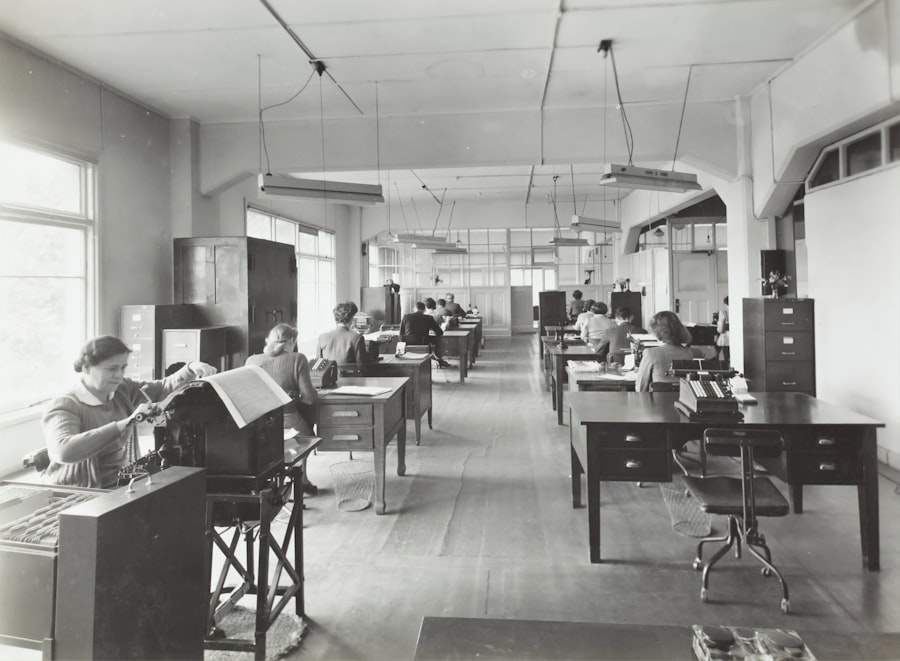
The Industrial Revolution was inextricably linked to the growth of cities. Factories, attracting labor from rural areas, led to rapid and often unplanned urbanization. This concentration of human and industrial activity amplified the environmental consequences.
The Rise of the Industrial City: A New Ecosystem of Pollution
Cities became the epicenters of industrial production and consumption. The sheer density of factories, housing, and transportation networks created unique and intensely challenging environmental conditions.
Air Quality Deterioration in Urban Centers
The concentration of coal-burning factories and domestic hearths in urban areas led to exceptionally poor air quality. Smog became a defining characteristic of industrial cities, with visibility often reduced to mere yards. The air itself became a corrosive agent, impacting public health and degrading urban infrastructure.
Sanitation Challenges and Waterborne Diseases
Rapid urbanization outpaced the development of adequate sanitation infrastructure. Human waste was often dumped directly into waterways, exacerbating the pollution of drinking water sources and leading to widespread outbreaks of waterborne diseases like cholera and typhoid. The proximity of human habitation to its own waste created a breeding ground for disease, a stark reminder of the interconnectedness of human actions and environmental health.
Resource Strain on Surrounding Areas
The burgeoning urban populations placed immense strain on the resources of surrounding rural areas. Forests were further depleted to supply timber for construction and fuel, and agricultural land was intensified to feed the growing populace. This outward ripple of demand further eroded natural landscapes beyond the immediate urban footprint.
The Environmental consequences of the Industrial Revolution have had lasting impacts on our planet, shaping the way we understand industrialization and its effects on ecosystems. For a deeper exploration of this topic, you might find it interesting to read about the various ways industrial activities have altered natural landscapes and contributed to pollution. You can find more information in this related article here. Understanding these historical changes is crucial for addressing contemporary environmental challenges.
Long-Term Consequences and the Road Ahead
| Environmental Metric | Pre-Industrial Revolution | Post-Industrial Revolution | Impact Description |
|---|---|---|---|
| Air Pollution (SO2 levels) | ~10 µg/m³ | 100-200 µg/m³ | Massive increase in sulfur dioxide due to coal burning, causing smog and acid rain. |
| Carbon Dioxide Emissions | ~280 ppm (pre-industrial baseline) | ~310 ppm by late 19th century | Rise in CO2 from fossil fuel combustion contributed to early climate change effects. |
| Deforestation Rate | Low (subsistence agriculture) | High (industrial expansion and urbanization) | Large-scale clearing of forests for factories, railways, and cities. |
| Water Pollution | Minimal industrial contaminants | Significant contamination from industrial waste | Rivers and streams polluted with chemicals and heavy metals. |
| Urban Population Growth | ~10% of population | ~50% of population | Rapid urbanization increased waste and strain on natural resources. |
The environmental impacts of the Industrial Revolution were not fleeting phenomena; they laid the foundation for many of the global environmental challenges we face today. The paradigm of resource exploitation and unchecked industrial growth established during this era has had a lasting legacy.
The Legacy of Greenhouse Gas Accumulation
The CO2 emissions that began in earnest during the Industrial Revolution have continued to accumulate in the atmosphere for over two centuries. This sustained atmospheric loading is the primary driver of anthropogenic climate change, a global crisis with far-reaching consequences for ecosystems, human societies, and future generations. The embers of industrial ambition continue to warm our planet.
Enduring Pollution and Contaminated Sites
Many industrial sites from the Industrial Revolution remain contaminated with toxic pollutants. Heavy metals, persistent organic pollutants, and radioactive materials from early industrial activities continue to pose risks to human health and the environment. The scars of past industrial endeavors are often deeply buried, but their toxic presence persists.
The Need for a Sustainable Industrial Paradigm
The Industrial Revolution, while a testament to human ingenuity, also serves as a cautionary tale. It highlights the imperative to decouple economic growth from environmental degradation. The pursuit of industrial advancement must now be guided by principles of sustainability, resource efficiency, and a deep respect for the Earth’s ecological limits. The world has learned, often through hardship, that true progress requires not just innovation, but wisdom; not just growth, but balance. The challenge now is to forge a new industrial path, one that powers human progress without poisoning the planet.
FAQs
What were the main environmental impacts of the Industrial Revolution?
The Industrial Revolution led to significant environmental impacts including increased air and water pollution, deforestation, and the depletion of natural resources. The widespread use of coal and other fossil fuels resulted in high emissions of greenhouse gases and particulate matter.
How did industrialization affect air quality during the Industrial Revolution?
Industrialization caused severe air pollution due to the burning of coal in factories and steam engines. This released large amounts of smoke, soot, and harmful gases such as sulfur dioxide, leading to smog and respiratory health problems in urban areas.
What role did water pollution play during the Industrial Revolution?
Water pollution increased dramatically as factories discharged untreated waste and chemicals into rivers and streams. This contamination harmed aquatic ecosystems and made water unsafe for drinking and agriculture.
Did the Industrial Revolution contribute to deforestation? If so, how?
Yes, the Industrial Revolution contributed to deforestation as large areas of forest were cleared to provide timber for construction, fuel, and to make way for expanding industrial and urban development.
What long-term environmental consequences can be traced back to the Industrial Revolution?
Long-term consequences include persistent air and water pollution, soil degradation, loss of biodiversity, and the acceleration of climate change due to increased greenhouse gas emissions. These effects have shaped modern environmental challenges and policies.