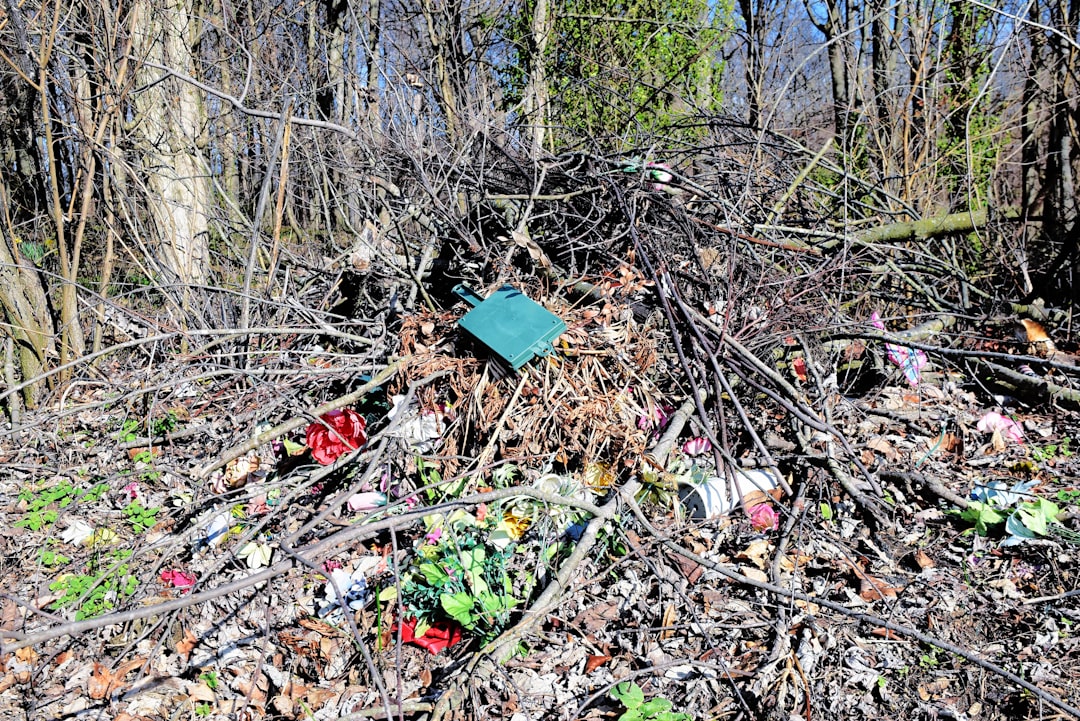
The digital age, a beacon of progress and connectivity, casts a long shadow, and nowhere is this more starkly illuminated than in Agbogbloshie, Ghana. This sprawling electronic scrap yard, a monumental graveyard of discarded technology, serves as a potent symbol of the global e-waste crisis. Millions of tons of electronic devices, once humming with innovation and entertainment, now lie in heaps under the Ghanaian sun, a testament to our insatiable appetite for the new and the quickly obsolete. The environmental ramifications of this electronic deluge are profound, creating a toxic legacy that seeps into the land, water, and air, impacting both the ecosystem and the human population in ways that are both visible and insidious.
Agbogbloshie is not merely a local dumping ground; it is a symptom of a global phenomenon. The relentless march of technological advancement, characterized by planned obsolescence and a constant stream of new gadgets, generates an ever-increasing volume of electronic waste.
The Transnational Flow of E-Waste
The journey of e-waste to Agbogbloshie often begins thousands of miles away, in affluent Western nations. Developed countries, with their stringent environmental regulations and higher disposal costs, have found it economically advantageous to export their unwanted electronics. This trade, often disguised as “second-hand” or “recycled” goods, creates a direct pipeline of toxic materials to developing nations that lack the infrastructure and regulatory oversight to manage them responsibly. The promise of economic opportunity, however grim, draws this deluge, transforming Agbogbloshie into a de facto global e-waste processing center.
The Mechanics of Export
- “Charitable” Donations: Many electronics are donated to charities, which then sell them to exporters who specialize in offloading them to countries like Ghana. The intention may seem altruistic, but the underlying economic reality is often a profitable disposal for the exporter.
- Illicit Trafficking: Despite international agreements like the Basel Convention, which aims to control the transboundary movement of hazardous wastes, a significant portion of e-waste enters Agbogbloshie through illicit channels, exploiting loopholes and weak enforcement.
- Economic Disparities: The vast economic disparities between developed and developing nations make this trade a persistent issue. The perceived lower cost of labor and lax environmental standards in countries like Ghana become magnets for waste that would be expensive and difficult to process domestically.
Short Product Lifespans and Consumer Culture
The rapid pace of technological innovation fuels a culture of disposability. New models of smartphones, laptops, and televisions are released with such frequency that older devices are deemed obsolete long before they have reached the end of their functional life.
The Driver of Obsolescence
- Planned Obsolescence: Manufacturers design products with a limited lifespan, incorporating components that are prone to failure or making upgrades difficult or impossible. This ensures a continuous demand for new devices.
- Marketing and Consumerism: Aggressive marketing campaigns create a perpetual desire for the latest features and trends, encouraging consumers to upgrade regularly, often unnecessarily.
- The “Must-Have” Mentality: The societal pressure to own the newest gadget creates a powerful consumerist engine, pushing perfectly functional devices into the scrap heap.
Agbogbloshie, located in Ghana, is one of the largest e-waste dumping sites in the world, and its environmental impact is a growing concern. The toxic chemicals released from discarded electronics pose significant health risks to local communities and contribute to soil and water pollution. For more insights into the environmental challenges posed by e-waste and potential solutions, you can read a related article at this link.
The Toxic Brew: Environmental Contamination
The processing of e-waste in Agbogbloshie is rudimentary and dangerous, involving crude methods of dismantling and material recovery. This hands-on approach releases a cocktail of hazardous substances into the environment, creating a toxic brew that contaminates the very fabric of life.
Heavy Metal Contamination
Electronic components are replete with heavy metals, many of which are highly toxic and persistent in the environment. When these devices are dismantled using primitive methods, these metals are released into the soil and water.
The Culprits of Contamination
- Lead: Found in circuit boards and solder, lead is a neurotoxin that can cause irreversible damage to the brain and nervous system, particularly in children. Burning plastic to extract copper also releases lead fumes.
- Mercury: Present in older display screens, mercury is a potent neurotoxin that can affect the immune system, kidneys, and development. Vapors released during dismantling pose a significant inhalation risk.
- Cadmium: Used in batteries and semiconductors, cadmium is a carcinogen that can accumulate in the kidneys and liver, causing severe organ damage.
- Chromium: Found in flame retardants, chromium (especially hexavalent chromium) is a known carcinogen and can cause respiratory problems and skin irritation.
Dioxins and Furans: The Unseen Enemy
The burning of plastics and wires to extract valuable metals like copper is a common practice in Agbogbloshie. This process releases highly toxic byproducts: dioxins and furans.
The Perilous Combustion
- Formation Mechanism: Incomplete combustion of chlorinated plastics, common in electronic casings, generates a complex soup of Persistent Organic Pollutants (POPs) including dioxins and furans.
- Persistence and Bioaccumulation: These chemicals are highly stable and can persist in the environment for decades. They can accumulate in the fatty tissues of living organisms and biomagnify up the food chain, posing a long-term threat to wildlife and human health.
- Health Impacts: Exposure to dioxins and furans has been linked to a range of serious health problems, including cancer, reproductive and developmental issues, and immune system dysfunction.
Acid Leaching and Water Pollution
Rainwater, often acidic due to air pollution, washes over the vast piles of e-waste, leaching out heavy metals and other toxic substances. This contaminated runoff then finds its way into local water sources, turning them into veins of poison.
The Contamination Pathways
- Groundwater Contamination: Toxic leachate seeps into the soil, contaminating groundwater tables that are often used for drinking water and irrigation.
- Surface Water Pollution: Runoff from the scrap yard directly pollutes nearby rivers and streams, impacting aquatic ecosystems and downstream communities.
- Agricultural Impact: Irrigation with contaminated water can lead to the uptake of heavy metals by crops, introducing toxins into the food supply.
The Human Toll: Health and Socio-Economic Ramifications
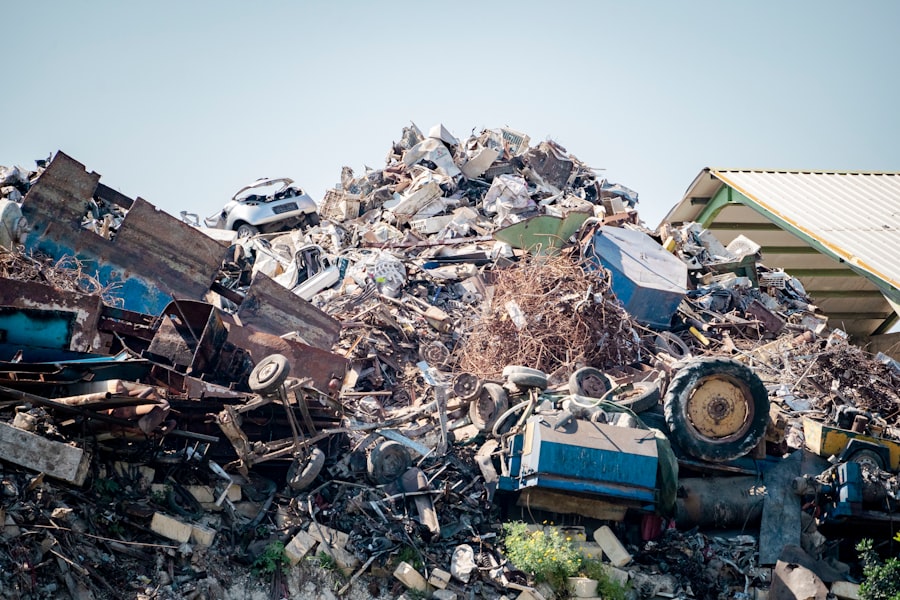
The environmental degradation in Agbogbloshie has a direct and devastating impact on the health and well-being of the local population, particularly those involved in the dismantling and processing of e-waste.
Respiratory and Skin Ailments
The constant exposure to toxic fumes and particulate matter from burning plastics leads to a high incidence of respiratory illnesses among the workers.
The Invisible Inhalants
- Bronchitis and Asthma: Workers suffer from chronic coughs, persistent bronchitis, and exacerbated asthma symptoms due to inhaling a cocktail of pollutants.
- Skin Irritation and Burns: Direct contact with corroded metals and discarded components leads to burns, rashes, and skin infections.
- Long-Term Respiratory Damage: The cumulative exposure to toxic fumes can result in permanent lung damage and an increased risk of respiratory cancers.
Neurological Damage and Developmental Issues
Children, who are often employed in the scrap yard due to their small hands and nimble fingers, are particularly vulnerable to the neurotoxic effects of lead and other heavy metals.
The Developing Brain Under Siege
- Cognitive Impairment: Exposure to lead can lead to reduced IQ, learning disabilities, and behavioral problems in children. Their developing brains are like sponges, absorbing these toxins with devastating consequences.
- Developmental Delays: Chronic exposure can hinder overall physical and cognitive development, impacting their future prospects.
- Reproductive Health Concerns: Adults exposed to high levels of toxins may experience reproductive health issues, including infertility and birth defects in future generations.
Socio-Economic Exploitation
While Agbogbloshie offers some economic opportunities, it is often characterized by precarious labor conditions and exploitation, particularly of its most vulnerable inhabitants.
The Cycle of Poverty and Pollution
- Low Wages and Unsafe Conditions: Workers toil for meager wages in extremely dangerous conditions, with no protective gear and little awareness of the long-term health risks.
- Child Labor: The economic necessity forces many children into this hazardous work, perpetuating a cycle of poverty and illiteracy.
- Limited Alternatives: For many, Agbogbloshie represents the only available source of income, trapping them in a hazardous environment with few viable alternatives.
Mitigation and Solutions: Towards a Sustainable Future
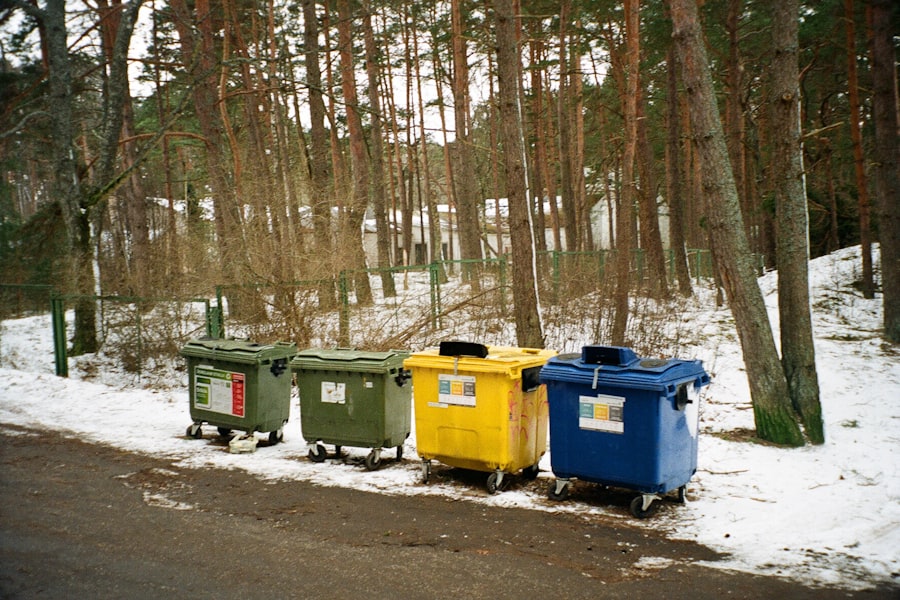
Addressing the environmental and human crisis in Agbogbloshie requires a multi-faceted approach that tackles the problem at its source and implements sustainable practices.
International Cooperation and Policy Enforcement
A global effort is needed to stem the tide of e-waste flowing into countries like Ghana. This necessitates stronger international agreements and robust enforcement mechanisms.
Building Global Bridges
- Strengthening the Basel Convention: Reforming and rigorously enforcing the Basel Convention to close loopholes and prevent the illegal export of hazardous e-waste.
- Extended Producer Responsibility (EPR): Implementing EPR schemes in developed countries, holding manufacturers accountable for the entire lifecycle of their products, including their disposal and recycling.
- International Awareness Campaigns: Raising global awareness about the ethical and environmental implications of e-waste exports.
Investing in Formal Recycling Infrastructure
Developing formal, safe, and environmentally sound recycling infrastructure within Ghana is crucial to transform the current destructive practices.
Building a Safer Ecosystem
- Technological Investment: Introducing advanced recycling technologies that can safely and efficiently extract valuable materials while minimizing environmental contamination.
- Worker Training and Safety: Providing comprehensive training to workers on safe dismantling techniques and equipping them with appropriate personal protective equipment (PPE).
- Economic Incentives: Creating economic incentives for formal recycling businesses and discouraging informal, hazardous practices.
Promoting Sustainable Consumption and Design
A shift in consumer behavior and manufacturing practices is essential to reduce the generation of e-waste in the first place.
A Shift in Mindset
- Designing for Durability and Repairability: Encouraging manufacturers to design products that are built to last, are easily repairable, and can be upgraded.
- Consumer Education: Educating consumers about the environmental impact of their purchasing decisions and promoting responsible disposal of electronic devices.
- The Right to Repair Movement: Advocating for legislation that supports the “right to repair,” allowing consumers and independent repair shops to fix electronic devices without proprietary restrictions.
Agbogbloshie, located in Ghana, is often cited as one of the world’s most polluted places due to its extensive e-waste dumping and processing activities. The environmental impact of this site is profound, affecting both the local ecosystem and the health of its inhabitants. For a deeper understanding of the issues surrounding e-waste and its consequences, you can read a related article that explores these challenges in detail. This article sheds light on the urgent need for sustainable solutions to mitigate the environmental damage caused by electronic waste. To learn more, visit this informative resource.
The Long Shadow of Progress: A Call to Action
| Metric | Value | Unit | Description |
|---|---|---|---|
| Annual E-waste Processed | 50,000 | Metric Tons | Estimated amount of electronic waste processed annually at Agbogbloshie |
| Lead Concentration in Soil | 1,200 | mg/kg | Lead levels found in soil samples, significantly above safe limits |
| Airborne Particulate Matter (PM2.5) | 150 | µg/m³ | Average concentration of fine particulate matter in the air, exceeding WHO guidelines |
| Number of Informal Workers | 5,000 | People | Estimated number of individuals involved in informal e-waste recycling activities |
| Incidence of Respiratory Illness | 35 | % | Percentage of local population reporting respiratory problems linked to e-waste pollution |
| Soil Cadmium Levels | 15 | mg/kg | Cadmium concentration in soil, indicating heavy metal contamination |
| Water Contamination (Lead) | 0.05 | mg/L | Lead concentration in nearby water sources, above WHO recommended limits |
Agbogbloshie stands as a stark reminder of the unintended consequences of our technological advancements. It is a scar on the Earth, a testament to a global problem that can no longer be ignored or outsourced. The seemingly endless stream of discarded gadgets, a digital avalanche, buries not only physical waste but also the health and future of communities. As we continue to embrace innovation, we must also embrace responsibility. The siren song of new technology must be tempered by the silent cry of the ravaged earth and the poisoned communities. Addressing the e-waste crisis in Agbogbloshie is not merely an environmental imperative; it is a moral obligation, a call to action to ensure that the progress of one nation does not become the ecological and human ruin of another. The future hinges on our collective ability to transform this electronic graveyard into a fertile ground for sustainable solutions, where innovation and responsibility walk hand in hand.
FAQs
What is Agbogbloshie in Ghana?
Agbogbloshie is a neighborhood in Accra, Ghana, known as one of the largest electronic waste (e-waste) dumping and recycling sites in the world. It is a major hub where discarded electronic devices from around the globe are processed.
What types of e-waste are found in Agbogbloshie?
The e-waste in Agbogbloshie primarily includes discarded computers, mobile phones, televisions, refrigerators, and other electronic appliances. These items often contain hazardous materials such as lead, mercury, cadmium, and brominated flame retardants.
What are the environmental impacts of e-waste in Agbogbloshie?
The environmental impacts include soil and water contamination from toxic chemicals released during informal recycling processes, air pollution from burning electronic components, and degradation of local ecosystems. These pollutants pose serious risks to human health and biodiversity.
How does informal e-waste recycling affect the local community?
Informal recycling methods, such as open burning and acid baths, expose workers and residents to harmful toxins, leading to respiratory problems, skin diseases, and other health issues. Additionally, the pollution affects agriculture and water sources, impacting the community’s overall well-being.
What efforts are being made to address the e-waste problem in Agbogbloshie?
Various initiatives by government agencies, NGOs, and international organizations aim to improve e-waste management in Agbogbloshie. These include promoting safer recycling technologies, raising awareness about health risks, implementing regulations to control e-waste imports, and developing formal recycling facilities.