You are likely holding a device right now, or perhaps you’ve recently discarded one. This interaction with electronics is so ingrained in your daily life that it’s easy to overlook the silent, persistent shadow they cast: electronic waste, or e-waste. What happens to that old smartphone, that retired laptop, or even that defunct television? For many, it’s a trip to the nearest bin, a swift exit from your immediate concern. But that discarded hardware doesn’t vanish into the ether; it embarks on a journey, and its final destination can be a significant burden on the planet you inhabit. This article will guide you through the multifaceted environmental impact of e-waste, from the extraction of raw materials to its eventual decomposition or improper disposal.
You are living in an era of unprecedented technological advancement. New devices are released with alarming frequency, each iteration promising greater speed, enhanced features, and a sleeker design. This relentless cycle of innovation, while offering undeniable benefits, has fueled a veritable explosion in the volume of e-waste generated globally. Think of it as a digital conveyor belt, constantly pushing the latest gadgets into your hands and, just as inevitably, ushering the older ones toward the scrap heap. You are a participant in this cycle, a consumer whose choices, however small they may seem individually, contribute to a much larger tide.
The Accelerating Pace of Obsolescence
You’ve likely experienced the frustration yourself. A phone that was cutting-edge just a year or two ago now feels sluggish. Software updates become incompatible. Manufacturers, in their pursuit of new markets, often engineer devices with a limited lifespan, a concept known as planned obsolescence. This isn’t a conspiracy in the shadowy sense, but a strategic business model that encourages you, the consumer, to upgrade. You are presented with ever-shinier baubles, making last year’s model seem outdated, even if it technically still functions perfectly well. This engineered obsolescence acts as a powerful accelerant, pushing perfectly serviceable electronics into the waste stream far sooner than is environmentally or economically sensible.
Global Consumption Patterns
Your appetite for electronics, along with that of billions of others, forms the bedrock of this growing problem. Developed nations, in particular, exhibit high rates of electronic consumption and, consequently, high rates of e-waste generation per capita. This is not to say that developing nations are innocent; their consumption is rapidly increasing. However, the sheer volume and the speed at which devices are replaced in wealthier societies create a significant imbalance. You are part of a global community, and your purchasing habits, amplified across continents, contribute to the overall strain on the Earth’s resources.
The Material Demands of Your Devices
Every electronic device you own is a miniature treasure trove of precious and rare earth metals, as well as hazardous substances. The production of these devices requires the extraction of vast quantities of raw materials from the Earth. Think of the mining operations, the vast open pits that scar landscapes, the energy-intensive processes involved in refining ores. These activities have profound environmental consequences, including habitat destruction, soil erosion, water pollution, and significant greenhouse gas emissions. You are, in essence, consuming the Earth’s very crust every time you purchase a new gadget.
The impact of e-waste on the environment is a pressing issue that requires urgent attention. In a related article, the various ways in which electronic waste contributes to pollution and environmental degradation are explored in detail. For a deeper understanding of this critical topic, you can read more about it in this informative piece: The Environmental Consequences of E-Waste.
The Hazardous Heart of E-Waste
It’s not just the sheer volume of e-waste that causes concern; it’s what lies within these discarded devices. Electronics are complex assemblies, and many of their components are laden with toxic materials. When these devices are not properly managed, these hazards can leach into the environment, posing significant risks to ecosystems and human health. Imagine a Pandora’s Box of chemicals, once contained within protective casings, now unleashed upon the world.
Heavy Metals: A Toxic Legacy
You might be surprised to learn that your old computer monitor or television screen can contain lead. This heavy metal, a potent neurotoxin, was once commonly used in cathode ray tubes. Other heavy metals commonly found in e-waste include mercury, found in fluorescent lamps and some LCD screens, which can damage the nervous system, kidneys, and developing fetus. Cadmium, a carcinogen, is present in rechargeable batteries and some semiconductors. Chromium, also a carcinogen, can be found in circuit boards. These are not substances that belong in landfills or in the soil; their persistence in the environment means they can accumulate and travel up the food chain, ultimately impacting you.
Brominated Flame Retardants (BFRs): Persistent Pollutants
The plastics and circuit boards in your electronics are often treated with brominated flame retardants (BFRs) to prevent fires. While these chemicals serve a safety purpose during the device’s operational life, they are highly persistent organic pollutants (POPs) once released into the environment. This means they don’t easily break down and can remain in the environment for extended periods, accumulating in the fatty tissues of living organisms. You can find BFRs in dust in your homes and workplaces, as well as in wildlife. Exposure to certain BFRs has been linked to endocrine disruption and developmental problems.
Other Toxic Compounds
Beyond heavy metals and BFRs, e-waste can contain a cocktail of other harmful chemicals. These include polyvinyl chloride (PVC), a plastic that can release dioxins and furans when incinerated, both of which are highly toxic. Arsenic, found in some older semiconductors, is another potent poison. Even seemingly benign components can contribute to the toxic load when aggregated in vast quantities. The intricate design of our electronic devices, while enabling their functionality, also creates a complex web of potential environmental hazards when they reach the end of their useful life.
The Environmental Pathways of Pollution
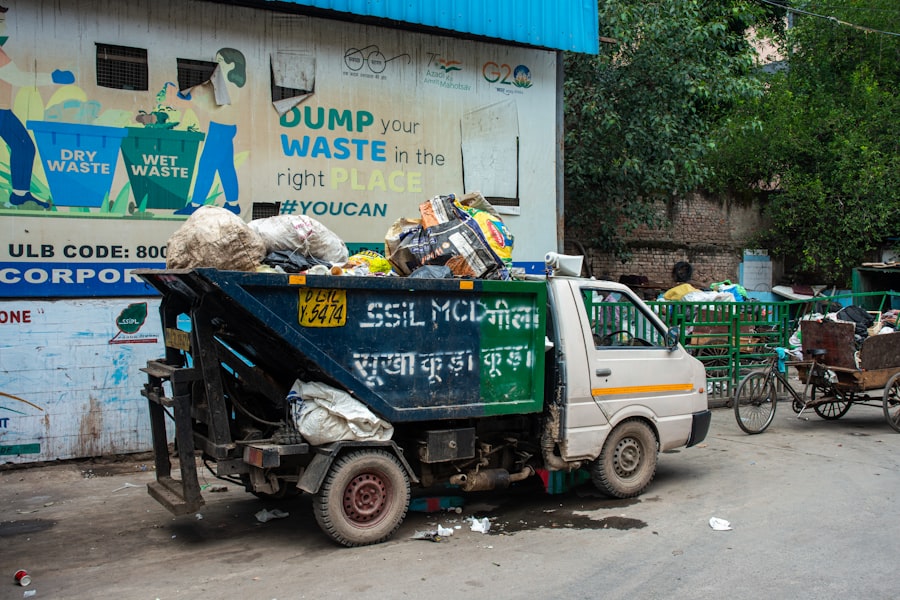
When e-waste is not handled responsibly, its toxic components have multiple avenues to infiltrate and contaminate your environment. This isn’t a subtle pollution; it’s a direct assault on the delicate balance of ecosystems. Think of these pathways as open wounds on the planet, allowing poisons to seep into the soil, water, and air.
Landfill Leachate: A Slow Poison
A significant portion of e-waste ends up in landfills, often mixed with general waste. The protective casings of electronics eventually degrade, exposing the toxic materials within to the corrosive action of precipitation. This process, known as leachate formation, creates a toxic soup that can seep into the surrounding soil and groundwater. This contaminated water can then travel miles, impacting not only local water sources but also potentially reaching rivers, lakes, and even underground aquifers that supply your drinking water. The slow, insidious spread of this leachate is like a hidden disease, gradually poisoning the land.
Incineration Byproducts: Releasing Deadly Gases
Another common disposal method is incineration. While this can reduce the volume of waste, it carries its own set of environmental risks. Inadequately controlled incineration of e-waste can release hazardous substances into the atmosphere. The burning of plastics containing BFRs, for instance, can produce dioxins and furans, potent carcinogens that can travel long distances in the air. Heavy metals can also be released as particulate matter, which can be inhaled and accumulate in the lungs. The plumes of smoke from such operations are more than just an aesthetic nuisance; they are carrying toxic payloads into the air you breathe.
Informal Recycling and Open Dumping: The Scars of Exploitation
In many parts of the world, particularly in developing countries, informal recycling operations handle a significant portion of e-waste. While these workers are attempting to extract valuable materials, they often do so with rudimentary tools and in dangerous conditions. Open burning of circuit boards to recover copper, acid baths to extract precious metals, and manual dismantling without protective gear all contribute to severe environmental contamination. Soil, water, and air are directly exposed to toxic substances, and the workers themselves suffer from severe health problems. This practice creates visible scars on the landscape, a grim testament to the uncontrolled flow of waste from more developed nations.
The Impact on Ecosystems and Biodiversity
The pollutants released from improperly managed e-waste don’t discriminate; they affect every level of the ecosystem, from the smallest microorganisms to apex predators. Your decisions about how you dispose of your electronics have a ripple effect that extends far beyond your immediate surroundings, impacting the very tapestry of life on Earth. Imagine a delicate web of life, and the toxic threads of e-waste are breaking those connections with alarming regularity.
Soil Contamination and Degradation
Heavy metals and other toxic compounds from e-waste can accumulate in the soil, rendering it infertile and unsuitable for plant growth. This soil degradation not only affects agricultural productivity but also disrupts natural ecosystems. Plants can absorb these toxins, which then enter the food chain. The intricate microbial communities that are vital for soil health can also be decimated by the presence of these pollutants. You might not see it directly, but the land beneath your feet can be silently poisoned.
Water Pollution and Aquatic Life
Leachate from landfills and runoff from informal recycling sites can carry e-waste pollutants into rivers, lakes, and oceans. These toxins can accumulate in the tissues of aquatic organisms, from tiny plankton to larger fish. This bioaccumulation can lead to deformities, reproductive problems, and even death, decimating fish populations and disrupting entire aquatic food webs. The vibrant underwater worlds you might enjoy visiting can be slowly choked by the invisible pollutants from your discarded devices.
Air Pollution and Its Reach
As mentioned previously, incineration and open burning of e-waste release hazardous air pollutants. These can travel long distances, settling on land and water bodies far from the source of pollution. This widespread atmospheric contamination can impact terrestrial ecosystems, affecting plant health and animal populations. It also directly impacts air quality in human settlements, posing respiratory risks. The air you breathe, even far from any obvious waste disposal site, can carry the remnants of your discarded electronics.
The growing concern over the impact of e-waste on the environment has prompted numerous studies and articles highlighting the urgent need for effective recycling and disposal methods. One such insightful piece can be found in a related article that discusses the various toxic substances found in electronic waste and their detrimental effects on ecosystems and human health. For more information on this pressing issue, you can read the article here.
Towards Sustainable E-Waste Management: Your Role
| Metric | Value | Unit | Impact Description |
|---|---|---|---|
| Global E-waste Generated (2023) | 57.4 | Million Metric Tons | Amount of electronic waste produced worldwide annually |
| Percentage of E-waste Recycled | 17.4 | Percent | Proportion of e-waste properly recycled, reducing environmental harm |
| Lead Released from Improper Disposal | 0.5 | Million Metric Tons | Lead contamination in soil and water due to e-waste dumping |
| Mercury Released | 0.03 | Million Metric Tons | Toxic mercury emissions affecting air and water quality |
| CO2 Emissions from E-waste Processing | 98 | Million Metric Tons | Greenhouse gases emitted during e-waste recycling and disposal |
| Soil Contamination Area | Thousands | Hectares | Land area affected by hazardous substances from e-waste |
| Water Pollution Incidents | 120 | Reported Cases | Instances of water bodies contaminated by e-waste toxins |
The challenge of e-waste is significant, but it is not insurmountable. You, as an informed consumer and a responsible citizen, play a crucial role in mitigating its environmental impact. This is not about feeling guilty, but about adopting a mindset of conscious consumption and responsible disposal. Think of yourselves as guardians of the planet, and your choices regarding electronics as actively contributing to its well-being.
The Principles of Reduce, Reuse, Recycle
The familiar mantra of “reduce, reuse, recycle” is particularly pertinent to e-waste. Before you even consider discarding a device, ask yourself:
- Reduce: Do you truly need the latest upgrade? Can you delay your purchase? Opting for devices with a longer lifespan and delaying replacements are the most impactful ways to reduce e-waste generation.
- Reuse: Can your old device be repaired? Can you sell it, donate it to a charity, or give it to a friend? Many perfectly functional devices are discarded simply because of minor aesthetic flaws or a perceived lack of “newness.”
- Recycle: When a device has truly reached the end of its life, ensure it is recycled through proper channels. Look for certified e-waste recyclers in your area. These facilities are equipped to safely dismantle devices and recover valuable materials while minimizing environmental harm.
Legislation and Extended Producer Responsibility (EPR)
Governments and international bodies are increasingly recognizing the severity of the e-waste problem. Legislation is being introduced to hold manufacturers accountable for the end-of-life management of their products. Extended Producer Responsibility (EPR) schemes are becoming more common, requiring producers to finance or manage the collection, recycling, and disposal of their products. You can advocate for stronger e-waste legislation and support companies that embrace EPR principles. Your voice, combined with others, can influence policy and corporate behavior.
Consumer Education and Awareness
Education is a powerful tool. Understanding the environmental consequences of e-waste empowers you to make better choices. Support initiatives that raise awareness about responsible e-waste management. Share this information with your friends, family, and colleagues. The more informed you are, the more effectively you can contribute to the solution. You are an individual, but your knowledge and actions can inspire a collective shift towards a more sustainable technological future.
The discarded husk of a once-cherished electronic device might seem insignificant in your hands. However, when multiplied by billions, this silent tide of e-waste becomes a formidable environmental challenge. By understanding the complex pathways of pollution, the toxic legacy of its components, and your own crucial role in its management, you can move from being a passive contributor to an active participant in safeguarding the planet for generations to come. The future of our environment, in no small part, rests on how responsibly you choose to engage with the technology that defines your present.
FAQs
What is e-waste and why is it harmful to the environment?
E-waste refers to discarded electronic devices such as computers, smartphones, and televisions. It is harmful because it contains toxic substances like lead, mercury, and cadmium that can contaminate soil, water, and air, posing risks to human health and ecosystems.
How does improper disposal of e-waste affect soil and water quality?
When e-waste is improperly dumped or incinerated, hazardous chemicals can leach into the soil and groundwater. This contamination can disrupt plant growth, harm aquatic life, and enter the food chain, affecting animals and humans.
What are the environmental benefits of recycling e-waste?
Recycling e-waste helps recover valuable materials like gold, copper, and rare earth metals, reducing the need for mining. It also prevents toxic substances from polluting the environment and conserves natural resources by promoting sustainable material use.
How does e-waste contribute to air pollution?
Burning e-waste releases harmful pollutants, including dioxins and furans, into the atmosphere. These toxic emissions can cause respiratory problems in humans and contribute to broader environmental issues like acid rain and climate change.
What measures can be taken to reduce the environmental impact of e-waste?
Measures include promoting responsible recycling programs, designing electronics for easier repair and reuse, enforcing regulations on e-waste disposal, and raising public awareness about the importance of proper e-waste management.