The Berlin Wall was not a spontaneous eruption of concrete and barbed wire; it was a meticulously planned and systematically constructed edifice of control. More accurately described as a border fortification system, its evolution over nearly three decades was a testament to a regime’s unwavering commitment to preventing the free movement of its populace. The motivations behind its creation were rooted in the geopolitical anxieties of the Cold War and the internal pressures of a struggling East German state. The economic and social drain of skilled labor fleeing to the West presented an existential threat to the German Democratic Republic (GDR), and the Wall was conceived as the definitive, if brutal, solution. This article explores the multifaceted engineering efforts that brought the Wall into being, its subsequent modifications, and the human-centric considerations that were systematically overridden in its construction.
The Genesis of Division: Precursors and Initial Construction
The division of Berlin into sectors following World War II was a direct consequence of the Allied victory and the ensuing ideological chasm between the Soviet Union and the Western powers. While initially a post-war administrative arrangement, the hardening of the Cold War rapidly transformed these sectors into ideological borderlines.
The Iron Curtain Descends
Even before the physical manifestation of the Wall, the seeds of separation were sown. The differing political and economic trajectories of East and West Germany, and by extension, East and West Berlin, fostered an increasing sense of disconnection. Propaganda and ideological indoctrination in the GDR actively painted the West as a decadent and dangerous entity, while the West viewed the East as a repressive, authoritarian state.
The Flight of the Skilled
A crucial factor driving the GDR leadership to desperation was the continuous exodus of its citizens, particularly those with valuable skills and education. West Berlin, still accessible to East Germans, became a porous gateway to the West. This “brain drain” was not merely an economic concern; it was a direct refutation of the GDR’s proclaimed success and worker’s paradise. Figures suggest that by 1961, millions had already departed for the West through Berlin, a number that threatened the very existence of the state.
Operation Rose: The Onset of Fortification
The decision to erect a physical barrier was not made lightly, but rather as a calculated response to an escalating crisis. In the early hours of August 13, 1961, under the codename “Operation Rose,” East German security forces, aided by the National People’s Army and paramilitary units, began sealing the border. Initially, this involved the rapid deployment of barbed wire and crude barricades. This swift and decisive action caught the Western Allies, and most importantly, the citizens of East Berlin, by surprise. The suddenness of the operation was intended to minimize resistance and prevent the mass outflow of people before a more permanent structure could be erected.
The engineering behind the Berlin Wall not only served as a physical barrier but also exemplified the concept of entrapment, both literally and metaphorically. For a deeper understanding of the implications and design strategies that contributed to this infamous structure, you can explore a related article that discusses various aspects of the Berlin Wall’s engineering and its impact on society. Check it out here: Berlin Wall Engineering and Entrapment.
The Evolving Barrier: From Barbed Wire to the Death Strip
The initial barbed wire and makeshift barricades were a temporary solution, a stark visual indicator of the deepening division. However, the GDR leadership understood that containment required a more robust and sophisticated system. The physical structure of the Wall underwent continuous development and enhancement, transforming from a simple barrier into a multi-layered defense mechanism.
Phase One: Barbed Wire and Brick
The immediate aftermath of August 13, 1961, saw the rapid proliferation of barbed wire entanglements, stretching for miles through the heart of the city and along the perimeter of West Berlin. This was quickly followed by the construction of rudimentary brick walls, often erected by East German workers under armed guard, with bricks often passed over the heads of shocked Berliners. These early walls were a crude but effective deterrent, physically separating families, friends, and workplaces.
Phase Two: The Concrete Wall Takes Shape
As the initial shock subsided, the GDR embarked on a more permanent and formidable construction. Replacing the barbed wire and brick were sections of concrete slabs, pre-fabricated and rapidly assembled. These formed the iconic, if brutal, visual symbol of the Wall. The height of these sections was gradually increased, making climbing over increasingly difficult. The design was utilitarian, prioritizing function over aesthetics, and reflecting the military-industrial approach of the state.
The “Antifascist Protection Rampart” (APW)
The official GDR propaganda designated the Wall as the “Antifascist Protection Rampart” (Antifaschistischer Schutzwall). This appellation was intended to frame the barrier as a defensive measure against Western aggression and capitalist influence, rather than a means of imprisoning its own citizens. This ideological framing, however, failed to mask the reality of its purpose for those seeking freedom.
The Layers of Control: Fortifications and Surveillance
The Berlin Wall was never a single barrier; it was a complex system of fortifications designed to make escape virtually impossible. This system evolved over time, incorporating technological advancements and an increasing array of obstacles. The primary objective was to prevent any attempt at crossing, and the engineering efforts were directed towards achieving this with maximum deterrence and lethal force.
The Inner Wall and Outer Wall
The initial conception of the Wall often involved an inner and an outer barrier. The inner wall, closer to East Berlin, was the first significant obstacle. The outer wall, facing West Berlin, was often more substantial and further fortified. The space between these walls, however, became the most notorious and terrifying aspect of the system: the “Death Strip.”
The Death Strip: A Zone of Terror
The Death Strip was a meticulously engineered no-man’s-land designed to maximize the chances of apprehending or eliminating escapees. It was a wide expanse, typically ranging from 20 to 100 meters, cleared of all vegetation and any potential cover. This space was equipped with a range of deadly deterrents.
Minefields
In many sections, the Death Strip was laced with anti-personnel mines. These were strategically placed to detonate upon contact, causing severe injury or death. The fear of these hidden dangers was a significant psychological weapon, discouraging any attempt to breach the perimeter.
Patrol Dogs and Sentry Towers
Trained patrol dogs, often on leashes or in enclosures, were used to detect and pursue any individuals attempting to cross. These dogs were bred and trained for aggression and were a formidable threat. Numerous fortified sentry towers, equipped with searchlights and machine guns, offered guards a commanding view of the entire zone. They were manned 24/7, their occupants tasked with observing and responding to any movement.
Signal Fences and Tripwires
Advanced signal fences and tripwires were a common feature. These were designed to trigger alarms in the guard towers or directly activate lighting and other deterrents. Some systems were integrated with direct firing mechanisms, ensuring a swift and lethal response to any detected breach.
Trenches and Obstacles
Deeper trenches were dug to impede vehicles and create further physical barriers. Jagged metal obstacles, often designed to rip and tear at anything coming into contact with them, were also deployed in certain areas. The entire zone was a carefully orchestrated landscape of danger, designed to funnel and trap any would-be escapees.
Innovations in Interdiction: Technology and Tactics
The GDR regime was not static in its approach to border control. As escape methods evolved, so too did the technological sophistication and tactical deployment of the border fortifications. Innovation, in this context, meant improving the efficacy of entrapment.
Searchlights and Surveillance Systems
The development of powerful searchlights was crucial for illuminating the Death Strip at night, making any movement visible to the guards. Beyond basic lighting, more sophisticated surveillance systems, including early forms of motion detection and heat sensors, were gradually introduced. These technologies aimed to provide a constant, almost omnipresent, watch over the border.
Patrol Vehicles and Specialized Units
The introduction of specialized patrol vehicles, designed for traversing the rugged terrain of the Death Strip, increased the responsiveness of border guards. Dedicated units, trained in pursuit and apprehension techniques, were deployed along the Wall. These units were equipped with communication devices and weaponry optimized for immediate action.
The “Vopos” and Border Troops
The primary responsibility for patrolling and defending the Wall rested with the “Volkspolizei” (Vopos), or People’s Police, and more specifically, the Border Troops of the GDR. These highly disciplined and often indoctrinated units were tasked with preventing any unauthorized crossings, with orders that often included the use of lethal force.
Shoot-to-Kill Orders
Perhaps the most chilling aspect of the Wall’s engineering was the implementation of explicit “shoot-to-kill” orders. Border guards were authorized to use deadly force against anyone attempting to cross the border, regardless of their age or circumstances. This policy transformed the Wall from a barrier into a killing field, underscoring the regime’s absolute prioritization of maintaining its borders over the lives of its citizens.
The engineering behind the Berlin Wall not only served as a physical barrier but also exemplified the concept of entrapment in urban design. For a deeper understanding of how such structures can influence social dynamics and control populations, you can explore this insightful article. It delves into the complexities of urban barriers and their implications on society, shedding light on the multifaceted nature of entrapment in city planning. To read more about this topic, visit this article.
The Human Cost of Engineered Division
The physical structure of the Berlin Wall was a triumph of engineering in its capacity to divide, but its true cost was measured in human lives and shattered aspirations. The stories of those who attempted to cross, those who succeeded, and those who perished are interwoven with the history of the Wall’s construction and maintenance.
The Silenced Voices of Escape
Numerous individuals devised ingenious methods to overcome the Wall. These ranged from digging tunnels beneath it, to using hot air balloons and modified vehicles, to even attempting to fly over it in homemade aircraft. Each successful escape was a testament to human ingenuity and desperation, and each failure represented a tragic loss of life or liberty. These stories, often shared in hushed tones in the West, became legends of resilience and defiance.
The Toll of Fatalities
Estimates of the number of people killed attempting to cross the Berlin Wall vary, but most credible figures place the number between 140 and over 200. These individuals, from young children to the elderly, became tragic casualties of a politically engineered division. Their deaths were not accidental; they were the direct consequence of the lethality embedded in the Wall’s design and the orders governing its defense.
Families Torn Asunder
The Wall’s most profound impact was the arbitrary separation of families and communities. For 28 years, loved ones on either side of the divide lived with the constant pain of separation, unable to visit or even communicate freely. The human stories are legion: parents who never saw their grandchildren grow up, siblings who were estranged for decades, and lovers whose relationships were irrevocably broken.
Psychological Barriers and Restrictions
Beyond the physical obstacles, the Wall erected profound psychological barriers. The constant surveillance, the omnipresent threat of the guards, and the pervasive propaganda created an atmosphere of fear and suspicion within East Germany. The freedom to travel, to experience the world, was denied, leaving many feeling trapped and disillusioned. Even after the Wall fell, the psychological scars of this engineered division took a long time to heal.
The Demise of Division: The Fall and its Legacy
The fall of the Berlin Wall on November 9, 1989, was a pivotal moment in the late 20th century, signifying the unraveling of Soviet influence and the end of the Cold War. It was not the result of a single engineering feat, but rather a confluence of political shifts, popular pressure, and a fundamental miscalculation by the GDR leadership.
The Crumbling of Authority
By 1989, the GDR was facing mounting internal pressure. Protests were becoming more frequent and vocal, and the state’s authority was waning. The opening of borders by other Eastern Bloc countries, such as Hungary, created further cracks in the seemingly impenetrable edifice of communist control.
The Accidental Announcement
The immediate catalyst for the Wall’s opening was a confused and poorly worded press conference on November 9, 1989. Günter Schabowski, a party official, mistakenly announced that new travel regulations, allowing East Germans to travel freely, would take effect “immediately.” This statement, broadcast live, sent thousands of East Berliners streaming towards the Wall.
The People’s Will Prevails
Faced with overwhelming numbers and unclear instructions, the border guards, who had always been a symbol of repression, were essentially overwhelmed by the sheer force of popular will. The gates, which had stood as symbols of division for nearly three decades, were finally opened. The scenes of jubilant Berliners crossing the Wall, and later dismantling it, became iconic images of freedom and reconciliation.
A Scar on the Landscape and in Memory
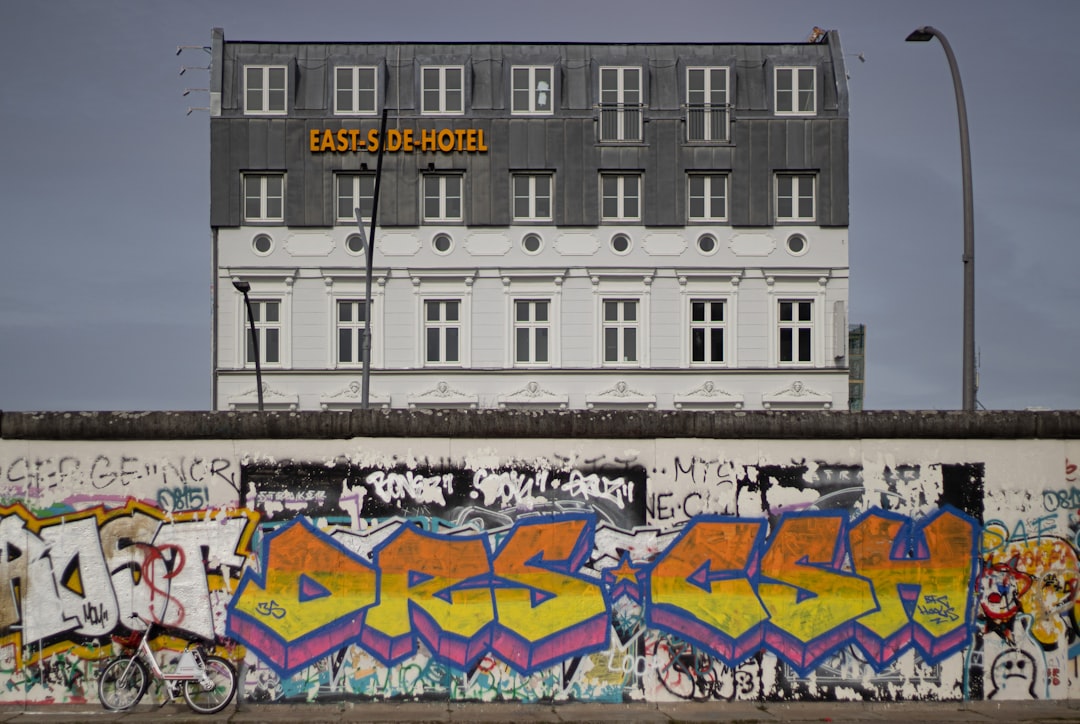
While the physical remnants of the Berlin Wall are now largely gone, its legacy endures. Sections are preserved as memorials and reminders of the human cost of ideological division and the triumph of the human spirit over oppression. The engineering of entrapment, a brutal testament to a regime’s determination to control its populace, ultimately proved to be a temporary construct, destined to fall to the persistent desire for freedom. The Wall serves as a stark reminder of the dangers of unchecked state power and the enduring importance of human liberty.
FAQs
What was the Berlin Wall?
The Berlin Wall was a barrier that divided Berlin from 1961 to 1989, separating East Germany from West Germany. It was built by the German Democratic Republic (GDR) to prevent East Germans from fleeing to the West.
How was the Berlin Wall engineered to entrap people?
The Berlin Wall was engineered with a series of obstacles, including barbed wire, guard towers, and a no-man’s land, to prevent people from escaping from East Germany to West Germany. It was designed to be difficult to breach and to deter any attempts to escape.
What were the consequences of the Berlin Wall’s construction?
The construction of the Berlin Wall led to the entrapment of East Germans in the communist-controlled East Germany. Families were separated, and many people risked their lives trying to escape, with some losing their lives in the process.
When was the Berlin Wall finally demolished?
The Berlin Wall was finally demolished in 1989, following a series of peaceful protests and political changes in East Germany. The demolition of the wall symbolized the end of the Cold War and the reunification of East and West Germany.
What is the significance of the Berlin Wall in history?
The Berlin Wall is a significant symbol of the division between East and West during the Cold War era. Its construction and eventual demolition represent the struggle for freedom and the desire for unity among the German people.