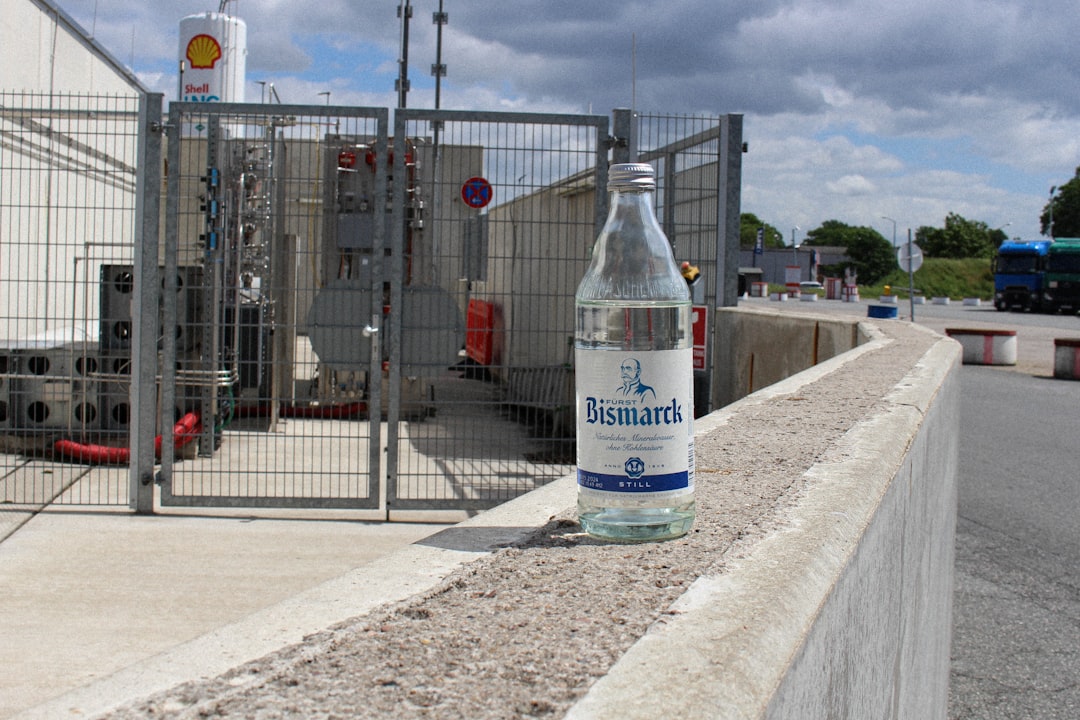
You’re likely holding a bottle of water right now, or perhaps you just finished one. It’s commonplace, convenient, and seemingly straightforward. Yet, behind that clear, cool liquid lies a complex economic ecosystem. The economics of bottled water is a fascinating study in supply, demand, and the pursuit of profit, transforming a basic necessity into a multi-billion dollar industry. Let’s peel back the plastic wrapper and examine the forces at play.
The journey of bottled water begins at its source. This isn’t simply about turning on a tap; it’s about identifying and securing access to a reliable and often geographically specific water source.
Identifying and Securing Water Sources
The perception of bottled water often hinges on its origin. Is it from a pristine mountain spring, an artesian well, or purified municipal water? Each choice has economic implications.
Spring Water and Its Premium
Spring water, often marketed with images of untouched nature, commands a premium in the market. The economics here involve the costs associated with:
- Source Protection: Maintaining the integrity of the spring’s watershed is paramount. This can involve purchasing land surrounding the spring, implementing strict land-use regulations, and investing in environmental monitoring. These are ongoing expenses that contribute to the perceived value and cost of the product.
- Geological Rarity: A true natural spring is a finite resource. The limited availability of high-quality spring sources can act as a natural barrier to entry for new competitors, allowing established bottlers to maintain higher profit margins.
- Marketing Narrative: The romanticized idea of pure, natural water flowing from the earth is a powerful marketing tool. The costs associated with building and sustaining this narrative – through advertising, packaging, and branding – are significant but directly influence consumer willingness to pay a higher price.
Artesian Wells: Tapping into Nature’s Pressure
Artesian wells tap into underground aquifers where the water is held under pressure. The economics here involve:
- Drilling and Infrastructure: The initial investment in drilling an artesian well can be substantial. This includes costs for specialized equipment, geological surveys, and the construction of robust pumping and filtration systems.
- Resource Management: While seemingly abundant, aquifers are not inexhaustible. Sustainable extraction rates must be managed to ensure long-term supply, which can involve regulatory compliance and investments in hydrogeological studies.
- Consistency: Artesian water often offers greater consistency in terms of mineral content and taste compared to surface water sources, which can be a valuable selling point and justify a stable pricing structure.
Purified Water: The Science of Simplicity
This category, which includes “purified drinking water” or “distilled water,” often starts with municipal tap water. The economics here are different:
- Lower Source Costs: The acquisition cost of municipal water is typically much lower than that of natural spring or artesian sources. However, this is offset by the significant investments in purification technology.
- Advanced Filtration and Treatment: Technologies like reverse osmosis, distillation, and ozonation are employed to remove impurities and ensure a consistent, neutral taste. The capital expenditure and operational costs of these purification plants are considerable.
- Scalability: Purification processes are highly scalable, allowing for large-volume production which can lead to economies of scale in manufacturing.
Bottling and Packaging: The Vessel of Value
Once the water is sourced and treated, it enters the bottling and packaging phase. This is where the water transforms from a raw commodity into a consumer product.
The Mechanics of Bottling Lines
Modern bottling plants are marvels of engineering, designed for speed and efficiency.
- Capital Investment: The machinery required for washing, filling, capping, labeling, and packing bottles represents a significant upfront capital investment. These automated systems require precision engineering and regular maintenance.
- Energy Consumption: The operation of these high-speed lines is energy-intensive, contributing to operational costs.
- Labor Costs: While highly automated, there is still a need for skilled labor to operate, maintain, and oversee the bottling process.
The Economics of Packaging Materials
The bottles themselves, and their associated packaging, are a substantial cost component.
- Plastic (PET) Production: The vast majority of water bottles are made from polyethylene terephthalate (PET). The price of PET resin, which is derived from crude oil, fluctuates with global commodity markets. This makes the cost of packaging intrinsically linked to the fossil fuel industry.
- Glass and Other Alternatives: While less common for mass-market bottled water due to weight and breakage concerns, glass bottles represent a higher per-unit cost and different logistical challenges. Biodegradable and plant-based plastics are emerging but often come with a higher price tag.
- Labeling and Design: The cost of labels, inks, and the design process itself contributes to the overall packaging expense. These elements are crucial for brand recognition and marketing.
Distribution and Logistics: The Arteries of Commerce
From the bottling plant, water embarks on its journey to your hands. This involves a complex network of transportation and warehousing.
Transportation Networks
The cost of moving water from production facilities to retail shelves is a significant factor.
- Trucking and Rail: For domestic distribution, trucks and trains are the primary modes of transport. Fuel costs, driver wages, and vehicle maintenance are major components.
- Shipping for Export: For international markets, ocean freight becomes essential, adding layers of complexity and cost related to shipping rates, customs duties, and port fees.
- Route Optimization: Efficient logistics require sophisticated route planning to minimize mileage and fuel consumption, directly impacting profitability.
Warehousing and Inventory Management
Bottled water needs to be stored before it reaches consumers.
- Storage Facilities: The cost of warehousing includes rent or ownership of large facilities, utilities, and material handling equipment.
- Inventory Holding Costs: Storing inventory incurs costs related to capital tied up, potential spoilage (though water is stable), and the risk of obsolescence if product lines change.
The economics of the bottled water industry is a fascinating topic that delves into the complexities of consumer behavior, environmental impact, and market dynamics. For a deeper understanding of this industry, you can explore a related article that discusses various aspects of bottled water consumption and its implications on both the economy and the environment. To read more about it, visit this article.
The Hunger for Hydration: Understanding Consumer Demand
Demand for bottled water is driven by a confluence of factors, ranging from basic needs to lifestyle choices and perceived purity.
Convenience and Accessibility: The Palpable Need
In today’s fast-paced world, convenience is a kingmaker.
- Portability: Bottled water offers unparalleled portability. You can grab a bottle on your way to work, the gym, or a meeting, ensuring hydration is always within reach. This convenience factor eliminates the need to carry reusable cups or find public water fountains.
- On-the-Go Consumption: The single-serving nature of bottled water aligns perfectly with on-the-go lifestyles. It’s a ready-to-drink solution that requires no preparation.
- Availability: Bottled water is ubiquitous, found in supermarkets, convenience stores, vending machines, and restaurants globally. This widespread availability removes barriers to purchase.
Perceived Purity and Health Benefits: The Quest for Trust
For many consumers, bottled water is not just about quenching thirst; it’s about assured quality and health.
- Fear of Tap Water Contamination: Public perception of tap water quality can be a significant driver of bottled water consumption. News reports of cryptosporidium outbreaks, lead contamination, or other issues can fuel anxiety and a preference for what is perceived as a safer alternative.
- Marketing of “Purity”: Brands invest heavily in marketing campaigns that emphasize the purity, naturalness, and health benefits of their water. This often involves highlighting the source, rigorous testing, and lack of contaminants.
- Mineral Content and “Health” Water Claims: Some bottled waters are marketed with specific mineral profiles, claiming added health benefits (e.g., electrolytes, calcium). While the scientific backing for these claims can vary, they tap into a consumer desire for functional beverages.
Brand Loyalty and Lifestyle Choices: The Emotional Connection
Beyond functional needs, brand identity and personal choices play a crucial role.
- Aspirational Branding: Certain brands have cultivated an image of premium quality, social status, or environmental consciousness, attracting consumers who align with these values.
- Habit and Routine: For many, purchasing bottled water has become a deeply ingrained habit, a default choice for hydration.
- Dietary Trends: As consumers become more health-conscious, opting for calorie-free, sugar-free hydration over sugary drinks often leads them to bottled water.
Price Sensitivity: The Economic Lever
While convenience and perceived quality are key, price remains an influential factor.
- Tiered Pricing: The bottled water market exhibits significant price differentiation. Basic purified water is often the most affordable, while premium spring or artesian waters command higher prices. This allows companies to cater to a wider range of price sensitivities.
- Promotions and Bulk Discounts: Retailers and manufacturers frequently offer promotions, multi-pack discounts, and loyalty programs to incentivize purchases and appeal to price-conscious consumers.
- The “Water War”: In some markets, fierce competition among brands can lead to price wars, where producers strategically lower prices to gain market share.
The Heart of the Matter: Profit Motives in the Industry

The primary driver behind the bottled water industry’s existence is profit. Companies are in the business of selling water, and maximizing their return on investment is paramount.
Cost Structures and Profit Margins
Understanding the cost of goods sold (COGS) is crucial to appreciating profit margins.
- Variable Costs: These are costs that fluctuate with production volume, including:
- Water Sourcing Fees and Royalties: Depending on the source, there might be fees or royalties paid to landowners or governments for water extraction rights.
- Packaging Materials: As discussed, PET resin prices are a major variable.
- Energy and Utilities: The cost of electricity, water, and other utilities for the bottling plant.
- Labor: Wages for production line workers.
- Fixed Costs: These are costs that remain relatively constant regardless of production volume, including:
- Capital Depreciation: The cost of machinery and infrastructure spread over its useful life.
- Salaries of Management and Administrative Staff:
- Rent or Mortgage for Facilities:
- Marketing and Advertising Budgets: These are often substantial and aimed at driving demand.
- Profit Margin Calculation: Profit is generally calculated as Revenue minus COGS. Bottled water companies aim to achieve healthy profit margins by controlling costs and maximizing sales volume and pricing. These margins can be quite significant, especially for premium brands with strong market positioning. For instance, it can cost mere pennies to acquire and bottle water, but it’s sold for dollars.
Economies of Scale: The Power of Volume
The bottled water industry heavily relies on economies of scale.
- Bulk Purchasing: Larger companies can negotiate better prices for raw materials like PET resin and caps due to the sheer volume they purchase.
- Production Efficiency: High-speed, automated bottling lines are most cost-effective when running at or near full capacity. The fixed costs of operating these lines are spread over a larger number of units, lowering the per-unit cost.
- Distribution Efficiencies: Larger distributors can negotiate better rates with shipping companies, and centralized warehouses can reduce handling costs.
Brand Equity and Premium Pricing: The Invisible Asset
A strong brand is an invaluable asset that allows companies to command higher prices.
- Perceived Value: Brands that have successfully cultivated an image of purity, luxury, or health can justify charging a premium over generic or less-established competitors. Consumers are often willing to pay more for a brand they trust or aspire to.
- Reduced Price Sensitivity: For consumers loyal to a specific brand, price becomes a less critical factor in their purchasing decision. They are more likely to choose their preferred brand even if a cheaper alternative exists.
- Marketing Investment: Significant investment in marketing, advertising, and public relations is crucial for building and maintaining brand equity. These costs, while high, are viewed as investments that drive long-term profitability.
Innovation and Product Diversification: Staying Ahead of the Curve
To maintain profitability and market share, companies constantly innovate.
- New Product Lines: This includes introducing flavored waters, enhanced waters with vitamins or minerals, and waters with different packaging formats (e.g., larger jugs, smaller personal bottles, aluminum cans).
- Packaging Innovations: Developing lighter-weight bottles, more sustainable packaging options, or bottles with unique designs can differentiate products and appeal to specific consumer segments.
- Targeting Niche Markets: Identifying and catering to specific demographic groups with tailored products (e.g., sports drinks, children’s water) can open up new revenue streams.
Environmental Considerations: The Unseen Cost

While focusing on economics, it’s impossible to ignore the significant environmental externalities associated with the bottled water industry. These costs are often borne by society, not directly by the producers, but they impact the overall economic picture.
Plastic Waste: A Persistent Challenge
The sheer volume of single-use plastic bottles is a major environmental concern.
- Landfill Burden: A substantial portion of plastic water bottles ends up in landfills, taking hundreds of years to decompose. This consumes valuable land space and contributes to pollution.
- Ocean Pollution: Millions of plastic bottles find their way into oceans and waterways, harming marine life and ecosystems. Microplastics are a growing concern.
- Recycling Rates: While recycling efforts are in place, global recycling rates for plastic bottles remain insufficient to offset the volume produced. The economic viability of recycling itself can be complex, with fluctuating commodity prices for recycled plastic.
Water Withdrawal and Depletion: A Finite Resource
The extraction of vast quantities of water for bottling raises concerns about resource sustainability.
- Impact on Local Water Tables: In some regions, large-scale bottling operations can contribute to the depletion of local groundwater resources, impacting ecosystems and agricultural use.
- Water Rights and Equity: Disputes over water rights and the privatization of a public resource can lead to social and economic inequalities, particularly in areas with water scarcity.
- Energy Consumption for Pumping and Transportation: The energy required to pump water from deep aquifers and transport it across large distances contributes to greenhouse gas emissions and climate change, an indirect economic cost.
Carbon Footprint: From Source to Sip
The entire lifecycle of bottled water has a carbon footprint.
- Production of Plastics: The manufacturing of PET resin is an energy-intensive process derived from fossil fuels.
- Manufacturing and Bottling: The energy used in bottling plants.
- Transportation: The fuel consumed in moving water from source to shelf.
- Disposal: Incineration of plastic bottles releases greenhouse gases.
The economics of the bottled water industry reveals fascinating insights into consumer behavior and environmental impacts. As demand for bottled water continues to rise, understanding the factors that drive this market becomes increasingly important. For a deeper exploration of these dynamics, you can read a related article that discusses the various economic implications of bottled water consumption. This article highlights how pricing strategies and marketing influence consumer choices, making it a valuable resource for anyone interested in the topic. To learn more, visit this insightful article.
The Future of Hydration: Adapting to a Changing Landscape
| Metric | Value | Unit | Notes |
|---|---|---|---|
| Global Market Size | 300 | Billion | Annual revenue as of 2023 |
| Annual Growth Rate | 7.5 | Percent | Compound annual growth rate (CAGR) 2020-2025 |
| Average Price per Liter | 1.20 | USD | Retail price in developed markets |
| Production Cost per Liter | 0.30 | USD | Includes bottling and packaging |
| Plastic Bottle Recycling Rate | 30 | Percent | Global average |
| Employment in Industry | 150000 | Number of jobs | Direct and indirect employment worldwide |
| Water Source Cost | 0.05 | USD per liter | Cost of raw water extraction |
| Environmental Impact Cost | 0.10 | USD per liter | Estimated externalities including pollution |
The bottled water industry is not stagnant. It faces evolving consumer preferences, increasing environmental scrutiny, and technological advancements that will shape its future.
The Rise of Reusables: A Shift in Consumer Behavior
The growing awareness of plastic waste has spurred a significant movement towards reusable water bottles.
- Sustainability Consciousness: Consumers are increasingly seeking sustainable alternatives, opting for reusable bottles made from stainless steel, glass, or durable plastics.
- Cost Savings for Consumers: While the initial investment in a reusable bottle is higher, it offers significant cost savings over time compared to regularly purchasing bottled water.
- Corporate Initiatives: Many companies are encouraging employees to use reusable bottles by providing water refill stations and discouraging single-use plastic. This can impact the demand for bottled water in corporate settings.
Technological Advancements in Water Treatment and Packaging
Innovation continues to offer potential solutions and disruptions.
- Advanced Filtration Systems for Home Use: Improved home water filters and purification systems make tap water a more appealing and cost-effective option for many households.
- Biodegradable and Compostable Packaging: Research and development into truly biodegradable and compostable packaging materials could mitigate some of the environmental concerns associated with plastic. However, challenges remain in terms of cost, durability, and adequate disposal infrastructure.
- Edible Packaging: While still in nascent stages, the concept of edible water pouches or coatings presents a radical shift away from traditional packaging.
Regulatory Pressures and Public Policy
Governments and international bodies are increasingly scrutinizing the industry.
- Plastic Bag Bans and Extended Producer Responsibility (EPR): Policies aimed at reducing single-use plastics, such as bans on plastic bags and bottle deposits, can increase the cost of bottled water for producers and consumers, thus influencing demand. EPR schemes aim to hold producers responsible for the end-of-life management of their products.
- Water Resource Management Policies: Stricter regulations on water extraction and usage can impact the availability and cost of water for bottling.
- Labeling and Marketing Regulations: Increased scrutiny on health claims and environmental marketing can curb misleading practices and ensure greater transparency.
In conclusion, the economics of bottled water is a story of transforming a free, essential resource into a profitable commodity. It’s a tale woven from the threads of sourcing, processing, packaging, distribution, and the intricate dance of consumer demand. While the convenience and perceived purity of bottled water have fueled its remarkable growth, the industry stands at a crossroads, challenged by the environmental cost of its products and the growing embrace of more sustainable hydration solutions. Understanding these economic forces allows you to see the invisible calculus behind every sip.
FAQs
What factors contribute to the profitability of the bottled water industry?
The profitability of the bottled water industry is influenced by factors such as production costs, marketing strategies, brand positioning, distribution networks, and consumer demand for convenience and perceived health benefits.
How does the bottled water industry impact the environment economically?
The industry incurs costs related to environmental management, including plastic waste disposal and water resource depletion. These environmental impacts can lead to regulatory expenses and influence consumer preferences, affecting the industry’s economic sustainability.
What role do marketing and branding play in the economics of bottled water?
Marketing and branding are crucial in differentiating products in a competitive market, allowing companies to charge premium prices. Effective branding can increase consumer loyalty and market share, directly impacting revenue and profitability.
How do production and distribution costs affect the pricing of bottled water?
Production costs, including sourcing water and bottling, combined with distribution expenses such as transportation and retail placement, determine the final price of bottled water. Efficient supply chain management can reduce costs and improve profit margins.
What economic trends are influencing the future of the bottled water industry?
Trends such as increasing health consciousness, environmental concerns, and regulatory changes are shaping the industry. Innovations in sustainable packaging and shifts toward alternative beverages also impact market dynamics and economic prospects.