The Industrial Revolution, a period spanning roughly from the late 18th to the mid-19th century, marked a profound and irreversible transformation of human civilization. Its economic impact was a multifaceted phenomenon, fundamentally reshaping production, labor, trade, and the very structure of societies. This era, characterized by technological innovation and the rise of factory systems, serves as a foundational chapter in the development of the modern global economy.
The most immediate and discernible economic impact of the Industrial Revolution lay in its radical alteration of how goods were produced. Prior to this period, manufacturing was largely artisanal and localized, but a confluence of factors led to an unprecedented surge in output and efficiency.
Mechanical Innovations and Mass Production
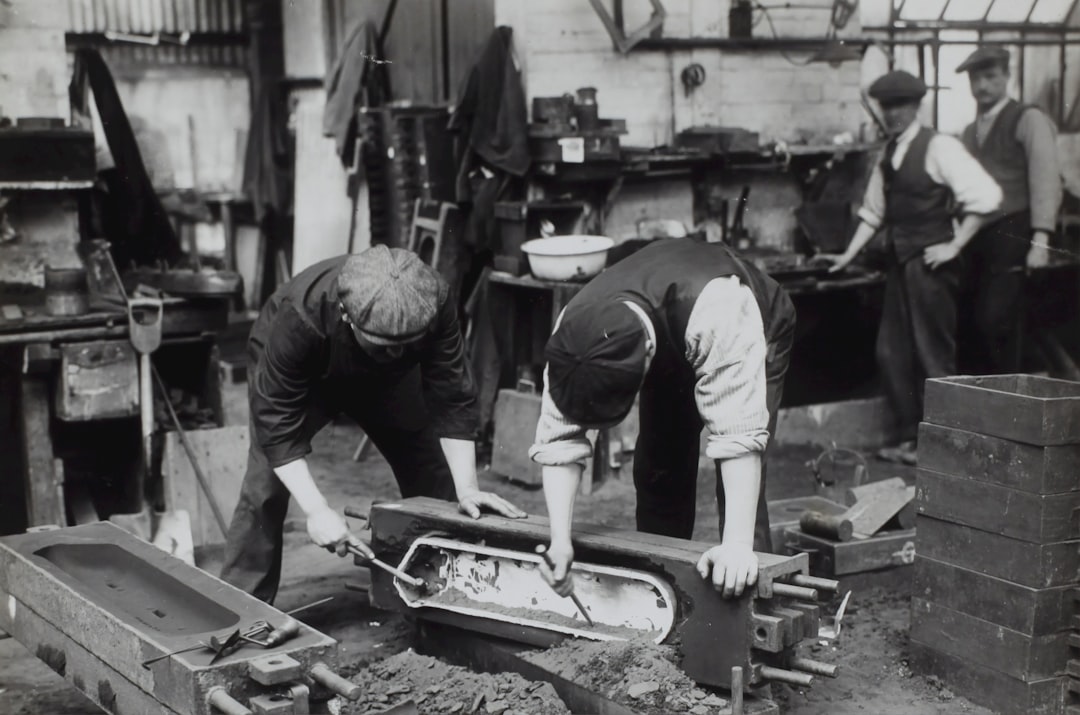
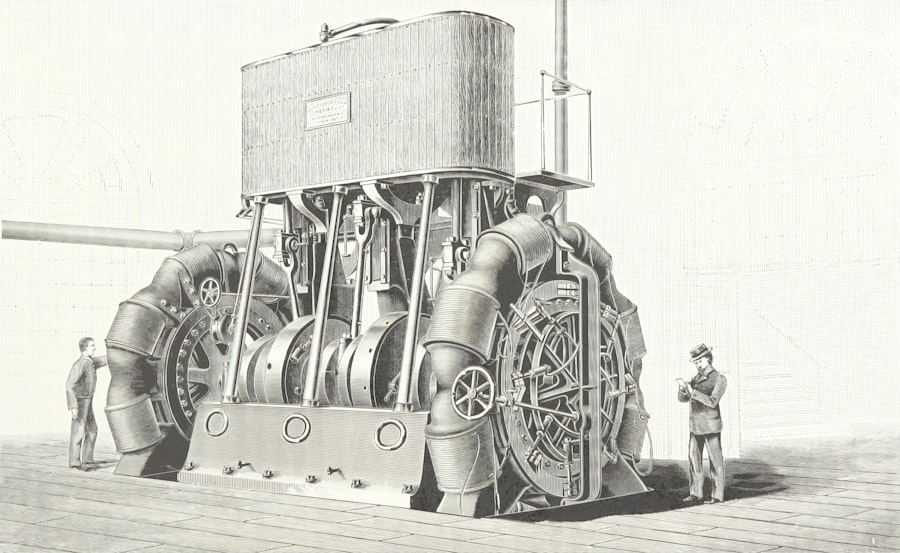
At the heart of this transformation were a series of groundbreaking inventions. The invention of the steam engine by James Watt, for instance, provided a powerful and consistent source of energy that revolutionized transportation and powered new machinery. The spinning jenny, the water frame, and the power loom dramatically increased the speed and scale of textile production, moving it from scattered cottages to centralized factories. These machines, often too large and expensive for individual ownership, necessitated a shift from home-based production to a factory system. This factory system, in turn, facilitated the division of labor, where individual workers specialized in specific tasks, further boosting productivity. Consider this as a turning point, moving from a scattered array of individual candles to a powerful, centralized electric grid—a monumental leap in the deployment of energy and labor.
The Rise of New Industries
The Industrial Revolution wasn’t merely about improving existing industries; it spurred the creation of entirely new ones. Coal mining, for example, boomed as the primary fuel source for steam engines and iron production. Iron and steel industries experienced exponential growth, providing the raw materials for machinery, factories, and railways. The chemical industry also began its ascent, driven by the demand for dyes, bleaches, and other industrial inputs. This diversification of industry created new markets, new jobs, and new avenues for capital investment.
Increased Output and Decreased Costs
The application of machine power and the factory system led to an unprecedented increase in the volume of goods produced. Take, for instance, the output of cotton textiles in Britain. Before the revolution, it was a relatively niche product; by the mid-19th century, Britain was the “workshop of the world,” flooding global markets with affordable textiles. This mass production, coupled with economies of scale, significantly reduced the per-unit cost of manufactured goods. Cheaper goods meant greater accessibility for a wider segment of the population, a crucial factor in improving living standards, albeit unevenly.
The Economic repercussions of the Industrial Revolution were profound, leading to significant changes in labor, production, and trade. For a deeper understanding of how these transformations shaped modern economies, you can explore a related article that delves into the various impacts of industrialization on global markets and societal structures. This insightful piece can be found at this link.
The Restructuring of Labor and Society
The economic shifts brought about by industrialization had profound consequences for labor markets, social structures, and the daily lives of individuals.
The Factory System and Wage Labor
The transition from agrarian and artisanal economies to industrial ones fundamentally altered the nature of work. Millions of people, particularly from rural areas, migrated to burgeoning industrial towns in search of employment in factories. This led to the widespread adoption of wage labor, where workers exchanged their time and effort for a fixed monetary payment, rather than producing goods for direct consumption or sale. This system introduced a new discipline to work, with rigid schedules, repetitive tasks, and often harsh working conditions. Imagine the transition from a meandering river to a canal with locks, where the flow of human effort became channeled and controlled with unprecedented precision.
Urbanization and Social Stratification
The concentration of factories led to rapid urbanization, as populations clustered around industrial centers. Cities like Manchester and Birmingham exploded in size, often outpacing the development of adequate housing, sanitation, and infrastructure. This rapid growth led to overcrowded slums, poor public health conditions, and significant social stratification. A new industrial bourgeoisie, accumulating vast wealth from factory ownership and trade, emerged at the top, while the majority of the population formed an industrial working class (proletariat), often living in poverty and facing precarious employment.
Child Labor and Women in the Workforce
The demand for cheap labor in factories and mines led to the widespread employment of women and children, often in dangerous conditions and for meager wages. While women had always played a crucial role in pre-industrial economies, their participation in the industrial workforce took on a new character, often entailing long hours and exposure to industrial hazards. Child labor, a pervasive feature of the early Industrial Revolution, became a significant social problem, only gradually ameliorated by reform movements and subsequent legislation.
The Expansion of Trade and Global Interconnectedness
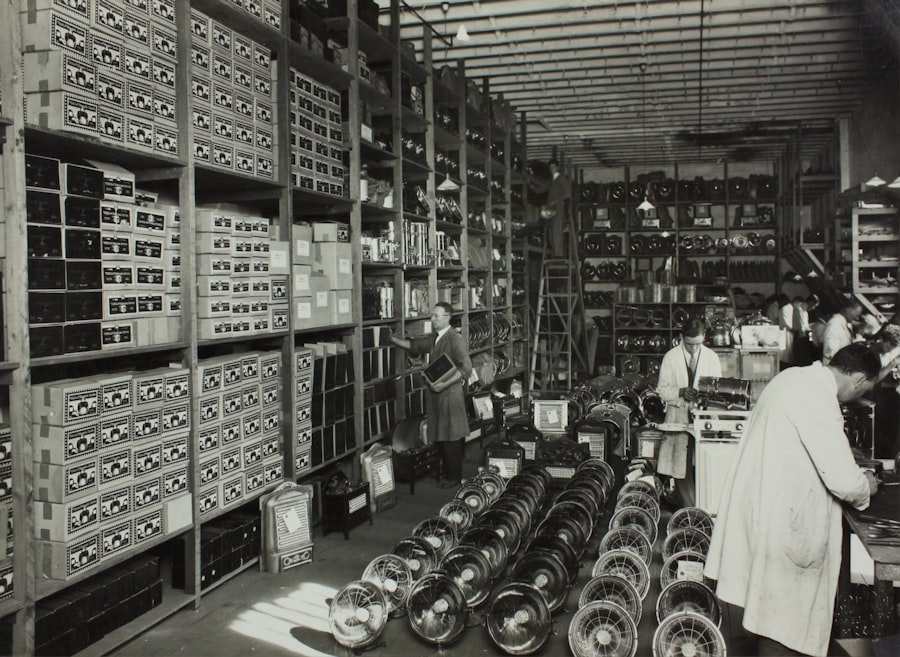
The economic impact of the Industrial Revolution extended far beyond national borders, ushering in an era of unprecedented global trade and interconnectedness.
Improved Transportation and Communication
Key to the expansion of trade were advancements in transportation. The steamship and, perhaps even more significantly, the railway network dramatically reduced the time and cost of moving goods and people. Raw materials could be transported from distant sources to factories, and finished products could be distributed to wider markets. The development of telegraph communication further facilitated commercial transactions, allowing for faster information exchange and coordination across vast distances. These innovations acted as the circulatory system of the burgeoning global economy, carrying goods and information with unprecedented speed and volume.
Colonialism and Imperialism
The insatiable demand for raw materials (such as cotton, rubber, and minerals) for expanded industrial production, coupled with the need for new markets for manufactured goods, fueled European colonialism and imperialism. Industrialized nations, particularly Britain, sought to control territories rich in resources and to ensure captive markets for their products. This economic imperative drove much of the imperial expansion of the 19th century, creating a global network of economic dependencies and power imbalances that continue to shape the world today.
The Rise of Free Trade Ideologies
The economic success of industrialized nations, particularly Britain, led to the ascendance of free trade ideologies. Economists like Adam Smith advocated for minimal government intervention in markets, believing that free competition would lead to greater efficiency and prosperity. The repeal of the Corn Laws in Britain, for example, symbolized a move towards lower tariffs and greater openness to international trade, reflecting the growing power of industrial interests over traditional agrarian ones.
Capital Accumulation and Financial Systems
The Industrial Revolution was not just about machines and factories; it was also a period of immense capital accumulation and the evolution of sophisticated financial systems to support this growth.
Investment in Infrastructure and Industry
The construction of factories, canals, railways, and other infrastructure required enormous capital investments. Entrepreneurs and wealthy individuals pooled their resources, and nascent financial institutions began to play a crucial role in channeling capital towards productive ventures. This period saw the growth of joint-stock companies, which allowed for the aggregation of capital from numerous investors, spreading risk and enabling larger-scale undertakings.
The Development of Banking and Financial Markets
Banks evolved from simple money lenders to central players in the economic system, providing credit, managing investments, and facilitating complex financial transactions. Stock exchanges became increasingly important as platforms for trading shares in industrial enterprises, allowing individuals to invest in and profit from the burgeoning industrial economy. This development of sophisticated financial markets was crucial for funding the massive scale of industrial expansion. Imagine the emergence of a complex irrigation system, moving water (capital) from reservoirs (investors) to the fields (industries) where it could fuel growth.
Speculation and Economic Cycles
While capital accumulation fueled unprecedented growth, it also gave rise to periods of speculative bubbles and economic downturns. The rapid expansion of industries, sometimes driven by overoptimism or easy credit, could lead to crises when demand faltered or investments proved unsound. The Industrial Revolution, therefore, laid the groundwork for the cyclical nature of modern capitalist economies, with periods of boom followed by busts.
The Economic repercussions of the Industrial Revolution were profound, transforming societies and economies across the globe. As industries grew, they not only increased production but also led to significant changes in labor dynamics and urbanization. For a deeper understanding of how these changes impacted various aspects of life, you can explore a related article that delves into the social and economic shifts during this pivotal period in history. This article provides valuable insights into the lasting effects of industrialization on modern economies, which you can find by clicking on this link.
Long-Term Socioeconomic Consequences
| Metric | Pre-Industrial Revolution (circa 1750) | Post-Industrial Revolution (circa 1850) | Impact |
|---|---|---|---|
| GDP per capita (in 1990 international dollars) | 1,200 | 2,500 | More than doubled, indicating increased economic productivity |
| Urban population (% of total population) | 15% | 50% | Rapid urbanization due to factory-based work |
| Average life expectancy (years) | 35 | 40 | Modest increase despite harsh working conditions |
| Child labor (% of workforce) | 30% | 20% | Decline due to labor laws and mechanization |
| Industrial output growth rate (annual %) | 1% | 5% | Significant acceleration in industrial production |
| Average working hours per week | 60 | 70 | Increase due to factory demands before labor reforms |
| Literacy rate (%) | 40% | 60% | Improved education linked to economic development |
The economic impact of the Industrial Revolution reverberated for centuries, shaping the modern world in profound and enduring ways.
Persistent Income Inequality
While the Industrial Revolution led to an overall increase in global wealth and average living standards over the long term, it also exacerbated income inequality, both within and between nations. The early benefits of industrialization often accrued disproportionately to factory owners and capitalists, while the working class often faced stagnant wages and harsh conditions. This disparity in wealth accumulation continues to be a central challenge in global economics.
Environmental Degradation
The relentless pursuit of industrial production came at a significant environmental cost. The burning of fossil fuels (coal), widespread deforestation, and the dumping of industrial waste led to severe air and water pollution, particularly in industrial centers. This period marks the beginning of large-scale, human-induced environmental degradation, a legacy that continues to impact the planet today. The dark, smoke-filled skies of industrial cities like Manchester serve as a stark reminder of this shadow cast by progress.
The Rise of New Economic Theories
The dramatic changes wrought by industrialization spurred the development of new economic and political theories attempting to explain, critique, and propose alternatives to the emerging capitalist system. Karl Marx and Friedrich Engels, for example, analyzed the class struggle engendered by industrial capitalism and advocated for a communist revolution. Other thinkers explored issues of worker rights, social welfare, and government regulation in response to the perceived injustices and dislocations of industrial society. These theoretical debates, born from the crucible of the Industrial Revolution, continue to inform contemporary economic thought and political discourse.
The Foundation of Modern Economic Growth
Despite its significant challenges and negative externalities, the Industrial Revolution laid the indispensable foundation for modern sustained economic growth. It demonstrated the power of technological innovation, capital investment, and organized production to lift human societies out of millennia of Malthusian stagnation. The principles of mass production, division of labor, and global trade that emerged from this period continue to be cornerstones of the global economy, driving innovation and shaping the lives of billions. It was the spark that ignited a continuous flame of economic advancement, a flame that burns brighter and more complexly today, but whose initial fuel and direction were set in those transformative decades.
In conclusion, the economic impact of the Industrial Revolution was a complex tapestry of innovation, disruption, growth, and inequality. It fundamentally altered the means of production, reshaped labor markets, expanded global trade, and transformed financial systems. While it brought unprecedented wealth and technological advancement, it also presented immense social and environmental challenges, the consequences of which continue to be addressed and debated in the 21st century. Understanding this pivotal period is essential for comprehending the dynamics of the modern global economy and the ongoing challenges of sustainable development.
FAQs
What were the main economic changes brought about by the Industrial Revolution?
The Industrial Revolution led to the transition from agrarian economies to industrialized and urban ones. It introduced mechanized manufacturing, increased production capacity, and fostered the growth of factories, which significantly boosted economic output and efficiency.
How did the Industrial Revolution affect employment?
The Industrial Revolution created new job opportunities in factories and industries, shifting labor from agriculture to manufacturing. However, it also led to harsh working conditions, long hours, and sometimes job displacement due to mechanization.
What impact did the Industrial Revolution have on urbanization?
The Industrial Revolution accelerated urbanization as people moved from rural areas to cities in search of factory work. This rapid urban growth often resulted in overcrowded living conditions and strained infrastructure.
How did the Industrial Revolution influence global trade?
The Industrial Revolution expanded global trade by increasing production and creating demand for raw materials and markets. It facilitated the growth of international commerce and contributed to the rise of capitalist economies.
What were some negative economic repercussions of the Industrial Revolution?
Negative repercussions included income inequality, exploitation of labor (including child labor), environmental pollution, and the decline of traditional crafts and small-scale industries due to industrial competition.