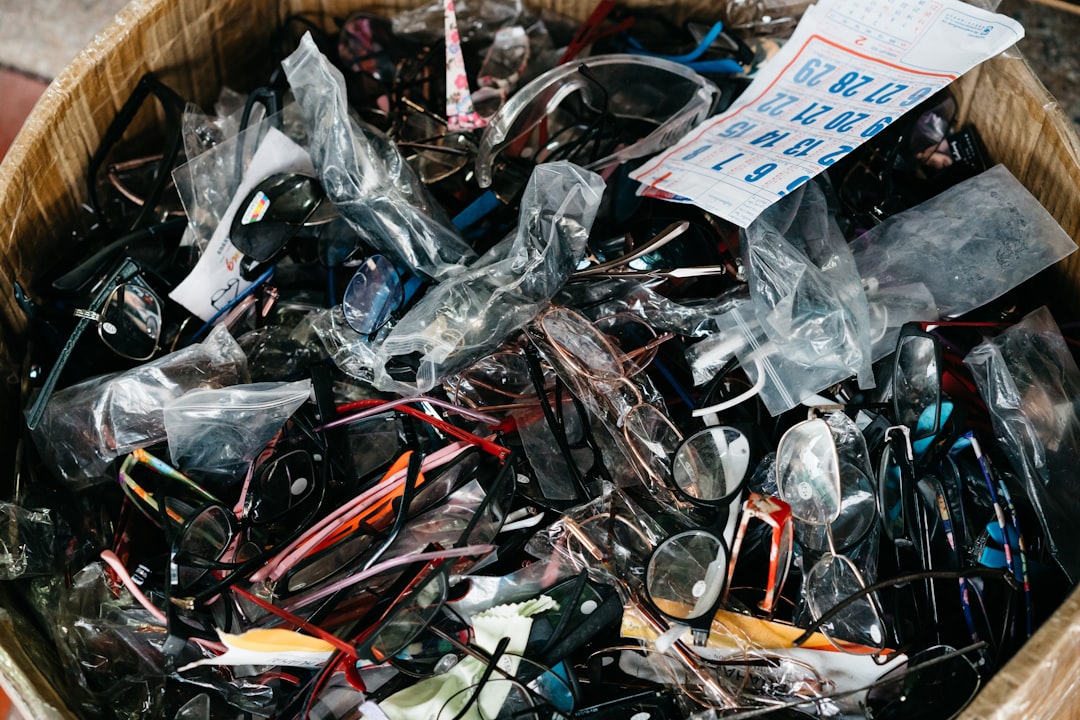
You’ve likely seen them. Those shiny, optimistic pilot programs, heralded with media fanfare and brochures filled with smiling faces. Companies, eager to project an image of environmental responsibility, launch ambitious “recycling initiatives” in targeted communities or within their own operations. You’ve probably participated, diligently sorting your plastics and cardboard, feeling a sense of contributing to a greater good. But as you’ve likely discovered, many of these efforts, despite their noble intentions, crumble under the weight of their own performative nature. This isn’t about a lack of effort on your part; it’s about the systemic flaws inherent in many “performative recycling pilots.”
You were probably sold a vision of dramatic environmental change. The press releases spoke of reduced landfill waste, a cleaner planet, and a more sustainable future. You saw the neatly packaged bins, the educational materials, the enthusiastic project managers. It felt like you were part of something significant. This is precisely the illusion that performative recycling pilots are designed to create. Their primary objective is often not to achieve genuine, scalable recycling solutions, but to generate positive publicity and satisfy stakeholder demands for visible “green” actions.
The Marketing Machine at Work
Consider the language used. You heard terms like “cutting-edge,” “revolutionary,” and “game-changing.” These are buzzwords designed to grab attention and create an impression of innovation. The visuals are equally important: pristine recycling facilities (often heavily curated for tours), vibrant infographics, and glowing testimonials from handpicked participants. This isn’t about presenting a realistic picture of waste management; it’s about crafting a compelling narrative. You’re a character in this narrative, a prop designed to demonstrate the program’s success.
The Short-Term Horizon
Many of these pilots are designed with a limited lifespan. They are launched for a specific period – six months, a year, perhaps two. This artificial deadline encourages a focus on immediate, easily measurable outcomes, which often fall short of true systemic change. The goal becomes demonstrating something positive within that timeframe, rather than building a sustainable and effective recycling infrastructure. You might have found that once the pilot period ended, the resources dwindled, the enthusiasm waned, and the bins were quietly removed, leaving little lasting impact.
The recent analysis of the failure of performative recycling pilots highlights the need for more effective and sustainable waste management strategies. For a deeper understanding of the challenges faced in implementing these recycling initiatives, you can refer to the article available at Hey Did You Know This, which discusses the broader implications of recycling practices and the importance of genuine community engagement in environmental efforts.
The Unseen Infrastructure: Why Good Intentions Aren’t Enough
You dutifully sorted your waste, believing it would all go to a good cause. You separated your plastics, rinsed your containers, and meticulously followed the guidelines. Yet, the harsh reality is that without a robust and functional recycling infrastructure to support your efforts, your dedication often amounted to little more than a symbolic gesture. The “downfall” of these pilots is frequently rooted in a fundamental misunderstanding or deliberate neglect of the logistical and economic realities of waste management.
The Collection Conundrum
Even with enthusiastic participation, the collection of materials can be a significant hurdle. Are the collection schedules efficient? Are there enough bins? Are the collection vehicles adequately maintained and routed? Many pilots fail to adequately address these practicalities. You might have experienced infrequent pickups, overflowing bins, or materials being mixed during transport due to logistical shortcuts. The carefully sorted recyclables then end up co-mingled, rendering them unusable for high-quality recycling.
The Processing Predicament
Assuming your carefully sorted materials make it to a processing facility, what then? The technology and capacity of these facilities vary wildly. Many pilot programs don’t invest in or partner with advanced Material Recovery Facilities (MRFs) capable of accurately sorting a wide range of materials. You might have been led to believe that everything you sorted was being effectively recycled, when in reality, much of it was contaminated by lower-quality items or simply couldn’t be processed by the available machinery, ultimately ending up in landfill.
The Market Mismatch
Even if meticulously collected and processed, recycled materials need a market. The demand for recycled content fluctuates based on economic conditions, global supply chains, and the development of new manufacturing processes. Many performative pilots fail to secure long-term contracts or engage with end-markets for the recycled materials. You might have been sorting materials that, in the end, had no viable buyer, leading to stockpiling or disposal. This is a critical failure point, turning your diligent efforts into a financially unsustainable cycle.
The Contamination Conundrum: When “Wishcycling” Undermines the System
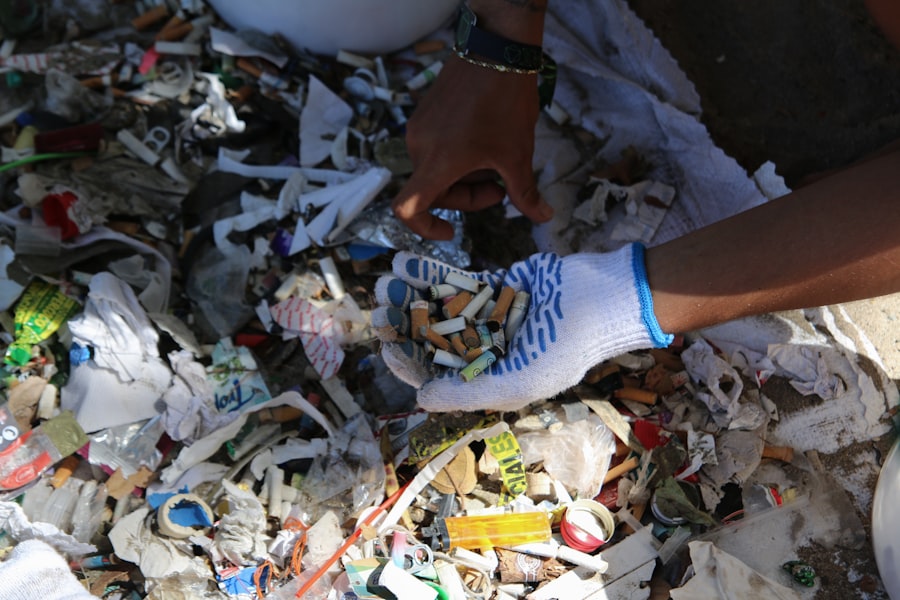
You thought you were helping. You learned the rules, or at least you thought you did. But the complex and often contradictory nature of recycling guidelines, coupled with an earnest desire to “do your part,” can lead to a phenomenon known as “wishcycling.” This is the act of placing items in the recycling bin with the hope that they might be recyclable, even if you’re unsure. While well-intentioned, wishcycling is a major contributor to the downfall of recycling programs.
The Education Deficit
The educational materials provided for these pilots are often insufficient, too generic, or simply fail to resonate with the diverse understanding of participants. You might have received a single pamphlet at the start of the program that was quickly lost or disregarded. The nuances of plastic resin codes, the complexities of glass recycling, or the proper disposal of composite materials are rarely explained in a way that sticks. You’re left guessing, and your guesses often lead to contamination.
The “When in Doubt, Throw it Out” Fallacy
The prevailing wisdom in robust recycling programs is “when in doubt, throw it out.” However, the performative nature of many pilots encourages the opposite: “when in doubt, recycle it.” This leads to a deluge of non-recyclable items entering the recycling stream. Think about greasy pizza boxes, plastic bags, certain types of food packaging, or small electronic items. These items can clog machinery, contaminate entire batches of otherwise recyclable materials, and significantly increase processing costs. Your individual act of putting a questionable item in the bin, multiplied by thousands, can cripple the entire system.
The Cascading Effect of Contamination
Once contamination reaches a certain threshold, the entire batch of collected materials can be rejected by the processing facility and sent to landfill. This means all the effort, energy, and resources invested in collecting and sorting those materials are wasted. You might have observed this frustration firsthand: your carefully sorted bin being rejected, or hearing rumors of entire truckloads being destined for the dump. This is the direct consequence of wishcycling, a problem that performative pilots often exacerbate rather than solve.
The Economic Black Hole: Where Sustainability Meets Solvency

You might have been operating under the assumption that recycled materials were inherently valuable commodities. And in an ideal world, they are. However, the economic realities of collecting, sorting, and processing recyclables are complex and often precarious. Performative recycling pilots frequently fail because they don’t adequately account for or secure the economic viability of the entire recycling chain.
The Hidden Costs of Collection and Processing
The costs associated with operating a recycling program go far beyond the initial purchase of bins. You have fuel for collection trucks, maintenance for vehicles and machinery, labor costs for sorting and processing, and the ongoing expense of maintaining and upgrading equipment. Many pilots underestimate these ongoing operational costs, leading to a budget deficit that quickly becomes unsustainable. You might have noticed that after the initial splash, the program seemed to be perpetually underfunded, affecting collection frequency or processing efficiency.
The Volatility of Recycled Material Markets
As mentioned previously, the market for recycled materials is not a steady stream of predictable income. Prices fluctuate based on global demand, manufacturing trends, and the availability of virgin materials. A pilot program that relies on the assumption of a consistent high price for recycled plastics, for example, can quickly find itself in financial trouble when that price plummets. This economic volatility is a major reason why so many ambitious recycling initiatives falter. You’re not just contributing to environmental good; you’re part of an economic ecosystem, and when that ecosystem falters, so does the program.
The Subsidization Strain
Many recycling programs, especially those handling difficult-to-recycle materials, rely on subsidies or grants to remain solvent. Performative pilots, often launched with marketing budgets rather than long-term financial planning, may initially benefit from such funding. However, once those grants run out, the program’s true economic weakness is exposed. The reliance on short-term funding or external financial injections highlights the inherent unsustainability of the model itself. You might have seen the program limp along, constantly seeking new funding sources, a sure sign of underlying economic instability.
The recent analysis of performative recycling pilots highlights the challenges faced by many municipalities in effectively implementing sustainable practices. These initiatives often fall short due to a lack of community engagement and insufficient infrastructure, leading to disillusionment among residents. For a deeper understanding of the implications of these failures, you can explore a related article that discusses the broader context of environmental responsibility and community involvement in recycling efforts. This insightful piece can be found here.
The Fading Footprint: When Pilot Programs Become Permanent Problems
| City | Duration of Pilot | Participation Rate | Reasons for Failure |
|---|---|---|---|
| New York | 6 months | 30% | Lack of education and awareness, confusion about recycling rules |
| Los Angeles | 8 months | 25% | Inadequate infrastructure, limited collection points |
| Chicago | 4 months | 20% | Resistance to change, skepticism about effectiveness |
The most disheartening aspect of performative recycling pilots is their cyclical nature. They launch with fanfare, capture headlines, and then, inevitably, they fade away. What remains often isn’t a strengthened recycling infrastructure, but a lingering sense of disappointment and a valuable lesson learned for those who participated. The “downfall” isn’t just about the program failing; it’s about the negative lessons it imparts and the potential damage it does to genuine efforts.
The Erosion of Public Trust
When you participate in a recycling pilot, you invest your time, effort, and belief in the system. When that system collapses, it erodes your trust not only in that specific company or initiative but potentially in recycling efforts in general. You might become more cynical about future environmental programs, less inclined to participate, and more resistant to change. This erosion of public trust is a significant casualty of performative recycling, making it harder for genuinely effective programs to gain traction.
The Missed Opportunity for Real Solutions
Each performative pilot that fails represents a missed opportunity to invest in and develop truly effective, scalable recycling solutions. The resources, attention, and funding poured into these short-lived, often superficial efforts could have been directed towards building robust infrastructure, developing innovative technologies, or implementing comprehensive waste management strategies. You might have seen the same problems resurface year after year, with different companies launching similar, ultimately doomed, pilots.
The Legacy of “Greenwashing”
Ultimately, performative recycling pilots are a form of “greenwashing” – an attempt to portray a company or organization as more environmentally friendly than it actually is. They allow businesses to tick a box, appear progressive, and avoid the substantial investment required for genuine sustainability. The downfall of these pilots is a crucial reminder that genuine environmental progress requires more than just well-intentioned gestures and carefully crafted marketing campaigns. It demands a commitment to transparent, data-driven, and economically sound solutions that you, as a participant, deserve to see. Your efforts are valuable, but they deserve to be channeled into programs that have a real, lasting, and positive impact.
FAQs
What are performative recycling pilots?
Performative recycling pilots are small-scale programs or initiatives aimed at promoting recycling and waste reduction, often through public events, demonstrations, or temporary installations. These pilots are designed to raise awareness and encourage participation in recycling efforts.
What are some common reasons for the failure of performative recycling pilots?
Some common reasons for the failure of performative recycling pilots include lack of long-term planning and sustainability, inadequate community engagement and participation, insufficient resources and funding, and a lack of clear goals and measurable outcomes.
How do performative recycling pilots differ from traditional recycling programs?
Performative recycling pilots differ from traditional recycling programs in that they often focus on creating a temporary or experimental environment to test new ideas and engage the community in a more interactive and visually impactful way. Traditional recycling programs, on the other hand, are typically more established and ongoing, with a focus on consistent collection and processing of recyclable materials.
What are some potential benefits of performative recycling pilots?
Performative recycling pilots can help raise awareness about recycling and waste reduction, engage the community in a more interactive way, test new ideas and approaches, and potentially inspire long-term behavior change. They can also provide valuable data and insights for future recycling initiatives.
What are some key considerations for the success of performative recycling pilots?
Key considerations for the success of performative recycling pilots include clear goals and objectives, meaningful community engagement and participation, adequate resources and funding, long-term planning and sustainability, and a focus on measurable outcomes and impact. Additionally, collaboration with local stakeholders and organizations can also contribute to the success of these pilots.