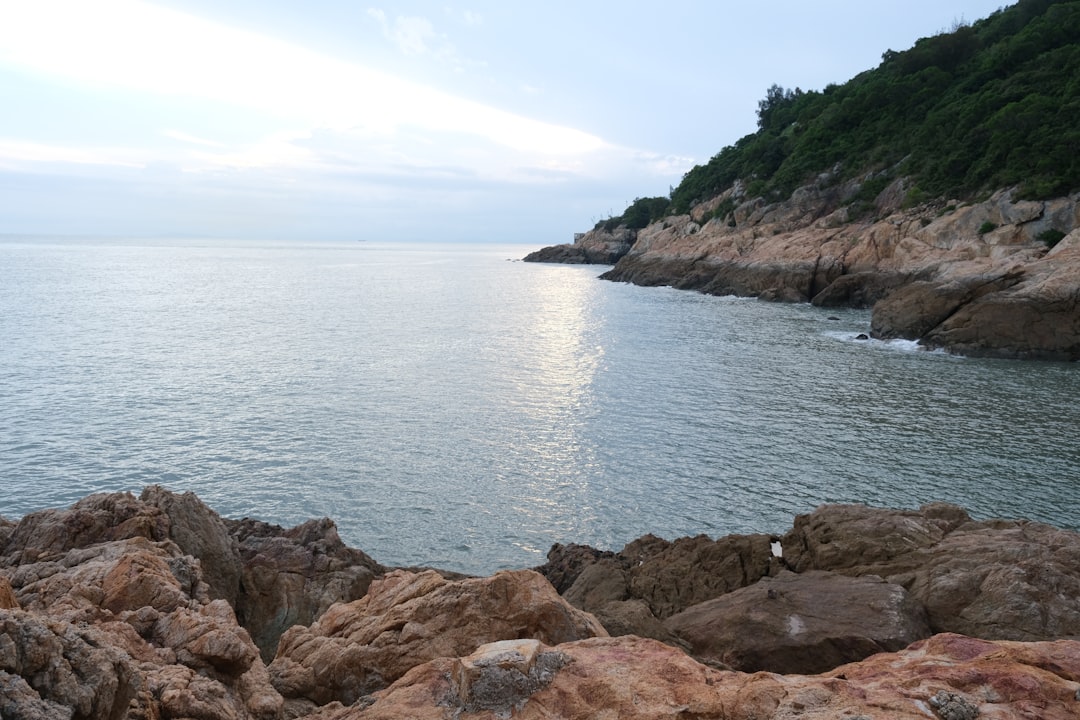
The theft of sand, a seemingly innocuous act, has emerged as a significant and devastating contributor to coastal erosion worldwide. This extraction, driven by a global demand for construction materials, is systematically depleting vital natural defenses, leaving shorelines vulnerable and communities at risk. The consequences are far-reaching, impacting ecosystems, economies, and the very fabric of coastal life.
The insatiable appetite for sand is fueling its illicit extraction from beaches and riverbeds across the globe. Building and infrastructure projects, particularly in rapidly developing urban centers, are the primary drivers of this demand.
Construction and Infrastructure Boom
Modern cities are built on sand. From the foundations of skyscrapers to the creation of artificial islands, sand is an indispensable component of the construction industry. The sheer scale of global urbanization, with millions migrating to cities each year, translates into an exponential increase in the need for building materials. This demand is not confined to large-scale projects; the proliferation of roads, bridges, and other essential infrastructure further exacerbates the problem. Countries undergoing rapid development often struggle to meet this demand through legal extraction, creating a fertile ground for illegal operations.
The Production of Concrete and Glass
Beyond construction, sand plays a crucial role in the manufacturing of fundamental materials. Concrete, the ubiquitous building material of the modern world, is composed of aggregate, cement, and water. Sand, as the fine aggregate, is a primary ingredient. Its granular structure provides the necessary bulk and workability for concrete mixes. Similarly, glass, which is essential for windows, screens, and countless other products, is made primarily from silica sand. The global proliferation of manufactured goods, from consumer electronics to architectural elements, means that the demand for these sand-derived products is continuously rising.
Land Reclamation and Artificial Islands
In regions where land is scarce or highly valuable, sand is employed for land reclamation and the creation of artificial islands. This practice, particularly prevalent in densely populated coastal areas, involves dumping vast quantities of sand offshore to expand landmass. While seemingly a solution to land shortages, it often involves the dredging of sand from an entirely different coastal or marine environment, shifting the problem from one location to another. These ambitious projects, often driven by economic development strategies, contribute significantly to the depletion of offshore sand reserves.
Coastal erosion is a pressing environmental issue that has been exacerbated by the illegal practice of sand theft, which involves the unauthorized extraction of sand from beaches and coastal areas. This not only disrupts local ecosystems but also leads to increased vulnerability of coastal communities to storm surges and flooding. For a deeper understanding of the implications of sand theft on coastal erosion, you can read a related article that explores this critical topic in detail at Hey Did You Know This.
The Eroding Shoreline: Sand’s Role as a Natural Barrier
The seemingly simple granular material that forms our beaches is, in fact, a critical component of a dynamic and complex coastal defense system. The removal of sand disrupts this delicate balance, leading to accelerated erosion.
The Buttressing Effect of Beach Sand
Beaches are not merely aesthetic features; they are essential natural barriers that absorb and dissipate wave energy. The volume and profile of beach sand play a direct role in this protective function. A healthy, substantial beach acts as a buffer, reducing the impact of waves on the coastline. When sand is removed, the beach narrows and its elevation is reduced. This diminished volume means that incoming waves reach the shoreline with greater force, directly impacting the dunes and the landward infrastructure. The sand itself acts as a sacrificial element, bearing the brunt of the wave action and thus protecting the more stable land behind it.
Dune Systems: Sand’s Frontline Defense
Coastal dunes, formed and stabilized by vegetation, are composed of sand that has been accumulated by wind action. These naturally occurring formations serve as a primary defense against storm surges and high tides. The sand within dune systems is the raw material that replenishes the beach during periods of erosion. When this sand is stolen, the dunes are weakened, becoming more susceptible to collapse during storms. As dunes erode, they no longer provide the necessary buttressing effect, and the land behind them is exposed to increased wave action, leading to further erosion. The vegetation that anchors the dunes also suffers, as its root systems are exposed and disturbed by sand removal.
Submerged Sandbars and Offshore Beaches
The protective influence of sand extends beyond the high-tide line. Offshore sandbars and submerged beaches also play a crucial role in reducing wave energy before it reaches the shore. These underwater formations break incoming waves, diminishing their height and power. The removal of sand from these offshore deposits can alter wave patterns, leading to increased erosion on the visible coastline. These areas, often less visible to the casual observer, are just as vital to coastal stability as the sand on the beach itself. Dredging operations, specifically targeting these areas for extraction, can have profound and often unforeseen impacts on the entire coastal system.
The Devastating Consequences of Sand Theft
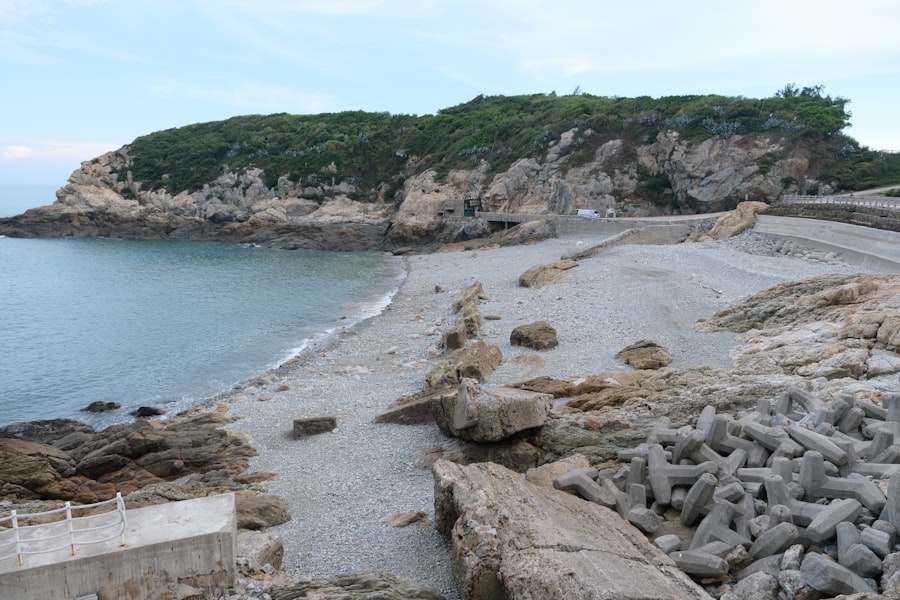
The illegal extraction of sand triggers a cascade of negative environmental and socio-economic impacts, leaving coastal communities and ecosystems in a state of disarray.
Accelerated Coastal Erosion and Land Loss
The most immediate and visible consequence of sand theft is accelerated coastal erosion and significant land loss. As the protective layer of sand is removed, shorelines recede at an alarming rate. This can lead to the inundation of low-lying areas, the destruction of coastal habitats, and the loss of valuable land that may be used for agriculture, recreation, or development. The rate of erosion is amplified, as the diminished sand reserves are unable to compensate for natural forces. What was once a stable coastline can transform into a retreating front, with predictable and often devastating consequences.
Habitat Destruction and Biodiversity Loss
Coastal ecosystems are rich in biodiversity, supporting a wide array of plant and animal life. Sand theft directly impacts these habitats, leading to their degradation and destruction. Beaches and dunes serve as nesting grounds for turtles and seabirds, and the removal of sand disrupts these crucial breeding sites. Intertidal zones, rich in marine life, are also affected by changes in sand composition and volume. The loss of these habitats leads to a decline in biodiversity, impacting food chains and the overall health of the marine environment. Endangered species that rely on these specific coastal environments are particularly vulnerable to the repercussions of sand extraction.
Damage to Infrastructure and Property
Coastal erosion driven by sand theft poses a significant threat to man-made infrastructure and private property. Roads, buildings, and other structures located near the coastline become increasingly vulnerable to wave damage and inundation. The cost of repairing or relocating damaged infrastructure can be astronomical, placing a heavy burden on local governments and taxpayers. Homeowners living in coastal areas face the prospect of losing their properties to the encroaching sea. The economic implications of this damage can be substantial, impacting tourism, property values, and local economies.
Impact on Coastal Economies and Livelihoods
Coastal communities often rely heavily on tourism and fishing for their economic sustenance. Sand theft undermines these industries. Eroded beaches and degraded coastal landscapes are less attractive to tourists, leading to a decline in visitor numbers and revenue. The destruction of marine habitats and the alteration of water quality can also negatively impact fish stocks, affecting the livelihoods of fishermen. The overall economic vitality of coastal regions can be severely compromised as a result of unchecked sand extraction.
The Illicit Trade: Drivers and Modus Operandi
The illegal sand trade is a complex and often lucrative black market, driven by a confluence of factors and employing various methods of extraction and transportation.
The Profitability of the Black Market
The profitability of the illegal sand trade is a primary driver. The high demand coupled with the often lax enforcement of regulations creates an environment where illicit operators can generate significant profits. Unscrupulous individuals and organized criminal networks exploit loopholes in legislation and engage in clandestine operations to extract and sell sand at inflated prices. The perceived low risk and high reward make it an attractive venture for those involved in organized crime. This often involves corrupt officials who turn a blind eye in exchange for financial incentives, further perpetuating the problem.
Exploitation of Weak Governance and Enforcement
In many regions, weak governance, corruption, and limited law enforcement capacity create fertile ground for illegal sand mining. Jurisdictions with inadequate resources to monitor and control their coastlines are particularly vulnerable. Corrupt officials may facilitate the illegal trade by issuing fraudulent permits, overlooking illegal extraction activities, or even actively participating in the trade themselves. This lack of oversight allows sand thieves to operate with impunity, further incentivizing their activities. The difficulty in policing vast stretches of coastline and international waters also contributes to the challenges in combating this crime.
Tactics Employed by Sand Thieves
Sand thieves employ a variety of tactics to extract and transport sand. These can range from small-scale manual labor for local markets to large-scale industrial operations using dredgers and barges for international trade. Small-scale operations often target accessible beaches, extracting sand under the cover of darkness or during periods of low oversight. Larger operations involve specialized vessels that can dredge large volumes of sand from both coastal and offshore areas. The sand is then transported, often by boat or truck, to construction sites or processing facilities, bypassing legal channels and avoiding taxes and regulations. The secrecy and stealth employed make it difficult for authorities to detect and apprehend these operations.
Coastal erosion has become a pressing issue in many regions, exacerbated by the illegal practice of sand theft. This activity not only depletes natural resources but also significantly impacts local ecosystems and communities. For a deeper understanding of the consequences of sand theft on coastal environments, you can read a related article that explores these challenges in detail. The article highlights various case studies and offers insights into potential solutions for mitigating the effects of erosion. You can find it here: related article.
Addressing the Crisis: Strategies for Mitigation and Prevention
| Location | Amount of Sand Stolen | Extent of Coastal Erosion |
|---|---|---|
| Beach A | 100 tons | 1 mile of coastline |
| Beach B | 75 tons | 0.5 miles of coastline |
| Beach C | 150 tons | 2 miles of coastline |
Combating the devastating impact of sand theft requires a multi-faceted approach involving stricter regulations, increased enforcement, and the promotion of sustainable alternatives.
Strengthening Legal Frameworks and Enforcement
Enacting and rigorously enforcing robust legislation specifically targeting illegal sand mining is paramount. This includes clearly defining prohibited areas for extraction, establishing strict penalties for offenders, and implementing effective monitoring and surveillance systems. International cooperation is also crucial, as sand theft often transcends national borders. Sharing intelligence, coordinating enforcement efforts, and harmonizing regulations can significantly bolster the fight against this illicit trade. Investing in advanced surveillance technologies, such as satellite imagery and drone monitoring, can also aid in identifying unauthorized extraction activities.
Promoting Sustainable Alternatives and Practices
Reducing the demand for illegally sourced sand is crucial. This can be achieved by promoting the use of recycled materials in construction, such as crushed concrete and demolition waste, which can serve as viable alternatives to virgin sand. The development and adoption of innovative construction techniques that require less sand are also important. Furthermore, responsible sourcing initiatives and certifications for sand suppliers can help ensure that construction projects utilize legally and sustainably extracted materials, thereby creating market pressure against the illicit trade. Exploring the potential of lunar and Martian sand for future construction, while a long-term prospect, also highlights a shift towards off-world resource utilization.
Community Engagement and Awareness Campaigns
Raising public awareness about the detrimental effects of sand theft is vital in fostering a culture of environmental stewardship. Educating communities about the importance of healthy coastlines and the consequences of sand extraction can empower them to report suspicious activities and advocate for stronger environmental protection. Engaging local communities in coastal management initiatives and providing them with alternative livelihood opportunities that do not rely on unsustainable resource extraction can also contribute to long-term solutions. Local fishermen, who often witness illegal activities, can be crucial allies in intelligence gathering and enforcement efforts.
The theft of sand from our coastlines is not merely an environmental issue; it is a critical threat to the well-being of coastal communities and the integrity of our planet’s natural defenses. Addressing this challenge demands a concerted and sustained effort, encompassing robust legal frameworks, increased enforcement, sustainable alternatives, and an informed and engaged global citizenry. The future of our coastlines, and the communities that depend on them, hinges on our ability to recognize the true value of sand and to protect it from the devastating impact of illicit extraction.
FAQs
What is coastal erosion?
Coastal erosion is the process by which the shoreline of a coast is worn away by natural forces such as waves, currents, and tides, as well as human activities.
What is sand theft and how does it contribute to coastal erosion?
Sand theft refers to the illegal removal of sand from beaches and coastal areas for construction and other purposes. This removal of sand can disrupt the natural replenishment of beaches and contribute to coastal erosion.
What are the environmental impacts of coastal erosion caused by sand theft?
Coastal erosion caused by sand theft can lead to the loss of important habitats for marine life, increased vulnerability to storm surges and flooding, and the destruction of coastal infrastructure.
What are some measures to prevent coastal erosion caused by sand theft?
Measures to prevent coastal erosion caused by sand theft include enforcing regulations against illegal sand mining, promoting sustainable sand extraction practices, and implementing coastal protection measures such as beach nourishment and the construction of seawalls.
What are the long-term consequences of coastal erosion caused by sand theft?
The long-term consequences of coastal erosion caused by sand theft include the loss of valuable coastal land, increased risks to coastal communities, and the degradation of important ecosystems. It can also lead to economic losses due to damage to infrastructure and loss of tourism revenue.