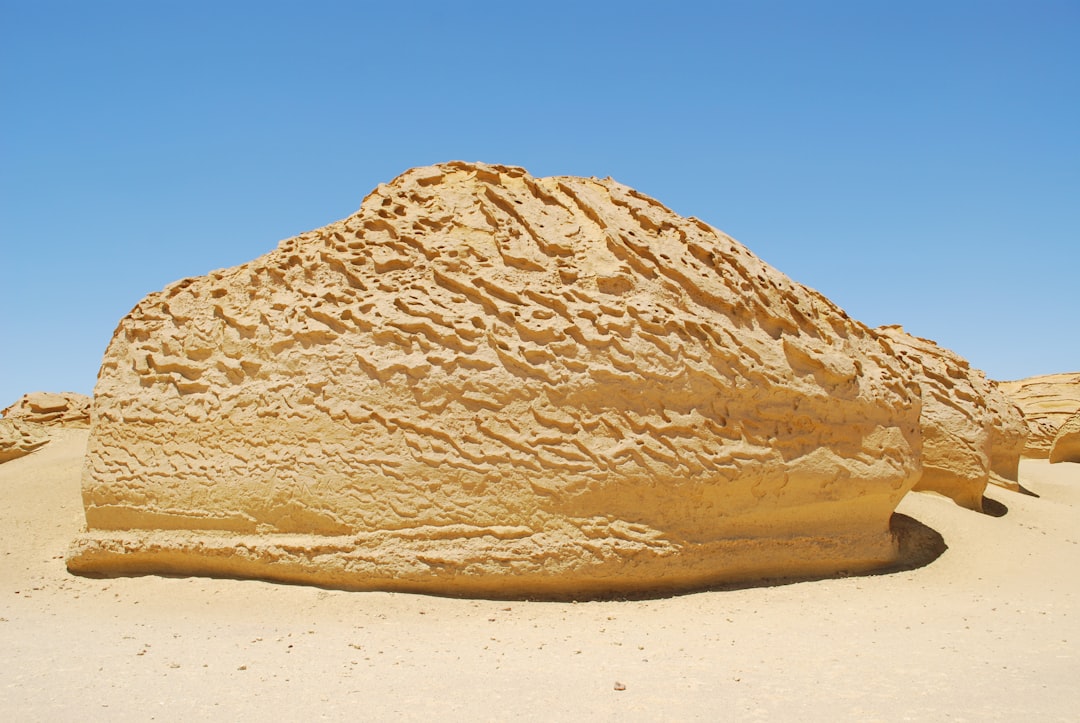
The relentless extraction of sand from riverbeds and coastlines, often conducted outside the law, is casting a long shadow over the world’s water supplies. This seemingly innocuous material, vital for construction and countless other industries, is being plundered at an unsustainable rate, leaving a trail of ecological devastation and threatening the very resource that sustains life. The consequences of illegal sand mining are not confined to the immediate vicinity of the extraction sites; their ripple effects extend far and wide, impacting groundwater levels, surface water quality, and ultimately, the availability of clean, potable water for communities.
The act of illegally mining sand can be likened to a slow, insidious poison seeping into the veins of our water systems. The removal of vast quantities of sand from riverbeds fundamentally alters their natural topography. This alteration creates voids, depressions, and an unstable substrate that disrupts the delicate hydrological balance. Rivers are not merely conduits for water; they are complex ecosystems where water interacts intimately with the surrounding earth. When sand and gravel are removed, the river’s capacity to act as a natural filter and reservoir is diminished.
The Undermining of Groundwater Recharge
The Riverbed as a Sponge
Groundwater, the hidden reservoir beneath our feet, relies heavily on the ability of surface water to percolate downwards. Riverbeds, especially those with significant sand and gravel content, act like natural sponges, absorbing water and slowly releasing it into the aquifer. Illegal sand mining excavates these vital sponge-like layers, creating areas where water cannot be effectively absorbed. Imagine a sponge riddled with holes; it can no longer hold water effectively. Similarly, denuded riverbeds become less efficient at replenishing groundwater.
The Deepening Water Table Woes
The consequence of this reduced recharge is a gradual but significant drop in the groundwater table. As more water is extracted from wells and boreholes – much of it for agriculture and domestic use – and less is replenishing these reserves, the water table recedes. This forces individuals and communities to dig deeper wells, increasing costs and energy consumption. In extreme cases, existing wells can run dry, leaving communities without access to their primary water source. This is particularly disastrous in arid and semi-arid regions where groundwater is often the only reliable source of water.
The Diversion of Water Flow
The physical alteration of riverbeds by sand mining can also redirect water flow. Deepened channels and altered bank structures can cause water to bypass areas that previously served as natural recharge zones. This diversion effectively starves these areas of their regular replenishment, further exacerbating the groundwater depletion problem. The natural pathways of water are disrupted, much like a road network being fundamentally rerouted, leaving some areas isolated and parched.
Illegal sand mining poses significant threats to water supply and environmental sustainability. The unchecked extraction of sand not only depletes vital resources but also disrupts local ecosystems, leading to increased sedimentation in rivers and lakes, which can adversely affect water quality. For a deeper understanding of the implications of illegal sand mining and its impact on water resources, you can read a related article at this link.
The Tainted Chalice: Degrading Water Quality Through Extraction
Beyond the sheer reduction in water availability, illegal sand mining has a direct and detrimental impact on the quality of both surface and groundwater. The process of excavation and the subsequent instability of the riverbed stir up sediment and other pollutants that lie buried.
The Muddying of Waters: Increased Turbidity
The removal of sand and gravel churns up fine particles of silt, clay, and organic matter from the riverbed. This material, suspended in the water, dramatically increases turbidity – the cloudiness of the water. High turbidity is a significant problem for several reasons. Firstly, it reduces the penetration of sunlight into the water, which is essential for aquatic plants and algae to photosynthesize. This disrupts the base of the aquatic food web. Secondly, the suspended particles can clog the gills of fish and other aquatic organisms, affecting their ability to breathe and survive.
The Chemical Cocktail: Release of Contaminants
Riverbeds often act as repositories for various pollutants that have leached from the surrounding land over time. These can include heavy metals, pesticides, industrial waste, and agricultural runoff. When illegal sand miners disturb these layers, these buried contaminants are released back into the water. This transforms the river into a mobile conduit for pollution, spreading these harmful substances downstream and into groundwater aquifers. This is akin to disturbing a dormant toxic waste dump; the harmful elements are then released into the environment.
The Salty Intrusion: A Threat to Coastal Aquifers
In coastal areas, illegal sand mining can have a particularly insidious effect: saltwater intrusion. Beaches and coastal dunes are often the natural barriers that prevent saline seawater from seeping into freshwater aquifers lying beneath the land. When sand is removed from these areas, these protective barriers are weakened or destroyed. This allows seawater to invade the freshwater aquifers, rendering them unusable for drinking water and irrigation. For coastal communities, this is a direct assault on their primary source of freshwater, forcing them to seek water from ever-more distant and expensive sources.
The Collapsing Infrastructure: Damaging Rivers and Ecosystems
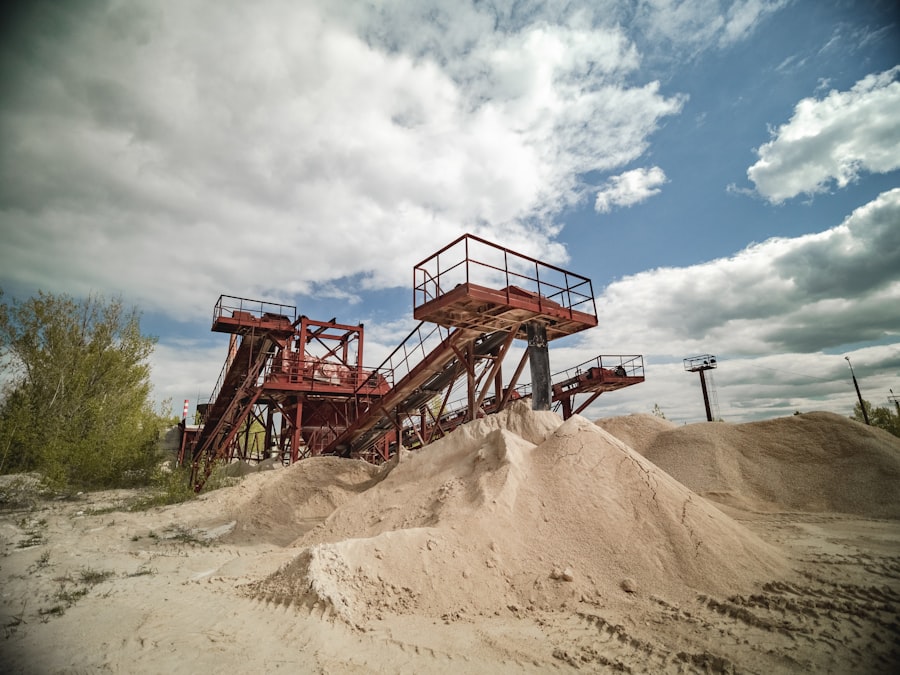
The physical consequences of illegal sand mining extend beyond water availability and quality; they irrevocably damage the physical structure of rivers and the ecosystems they support. Rivers are dynamic systems shaped by the interplay of water, sediment, and vegetation. Disrupting this balance can lead to severe, long-lasting ecological harm.
The Undermining of Riverbanks and Floodplains
The removal of sand and gravel from riverbanks can destabilize them, leading to erosion and collapse. This erosion can undermine bridges, roads, and the foundations of nearby structures, posing a significant safety risk to human infrastructure. Furthermore, floodplains, which play a crucial role in natural flood control and provide vital habitats for diverse species, are often degraded or destroyed by sand mining operations. The natural cushioning effect of floodplains is lost, increasing the vulnerability of communities to flooding.
The Destruction of Aquatic Habitats
Rivers are teeming with life, from microscopic organisms to fish and larger aquatic animals. Sand and gravel beds provide essential habitats for spawning, nesting, and foraging for many species. The indiscriminate removal of these materials eradicates these crucial habitats, leading to a decline in biodiversity. Fish populations suffer as spawning grounds are destroyed, and the food sources for various species are disrupted. The intricate web of life within the river ecosystem slowly unravels.
The Alteration of River Morphology
The continuous removal of sand can fundamentally alter the shape and character of a river. Meanders can be straightened, riffles and pools – vital habitats for different aquatic species – can be eliminated, and the overall flow regime can be changed. These changes are not easily reversed and can leave a river permanently scarred, impacting its ecological functionality for decades. The river’s natural artistic sculpturing by water and sediment is replaced by the crude gouges of illegal extraction.
The Human Toll: Scarcity, Conflict, and Economic Hardship
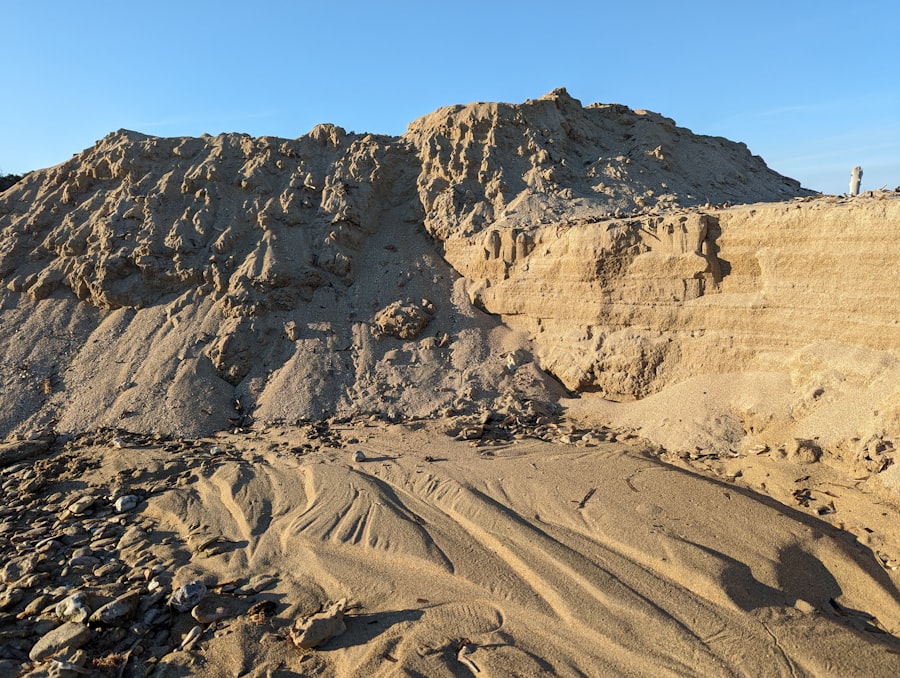
The environmental consequences of illegal sand mining translate directly into severe social and economic hardship for human populations, especially those living closest to the affected water sources. The fight for a dwindling resource often breeds conflict and exacerbates poverty.
The Widening Water Scarcity Gap
As water becomes scarcer due to depleted groundwater and degraded surface water, the gap between those who have access to water and those who do not widens. The poorest and most vulnerable communities, often those with the least political power, are disproportionately affected. They may lack the resources to dig deeper wells or purchase water from alternative sources, leading to increased rates of waterborne diseases and other health problems.
The Seeds of Conflict: Resource Wars
The competition for limited water resources can become a fertile ground for conflict. Disputes over access to rivers, wells, and irrigation channels can escalate into communal tensions and even violence. Illegal sand mining, by diminishing supply and degrading quality, directly contributes to these resource-driven conflicts, particularly in regions already facing water stress. The scarcity of water becomes a flashpoint, igniting simmering resentments.
The Economic Repercussions: Agricultural Collapse and Livelihood Loss
Agriculture is heavily reliant on water. When water sources are degraded or depleted by sand mining, crop yields decline, leading to reduced agricultural output and economic losses for farmers. This can have a domino effect on entire communities, leading to food insecurity and loss of livelihoods. Beyond agriculture, industries that depend on water, such as fishing and tourism, also suffer significant economic damage.
Illegal sand mining poses significant threats to water supply and environmental stability, as it disrupts ecosystems and depletes vital resources. The extraction of sand from riverbeds and coastal areas not only leads to habitat destruction but also affects the natural filtration of water, resulting in decreased water quality. For a deeper understanding of the implications of this issue, you can read more in this related article on the topic. The article highlights various aspects of illegal sand mining and its detrimental effects on water resources, which can be found here.
The Silent Architects of Recovery: Legal Frameworks and Community Action
| Metric | Data/Value | Effect on Water Supply |
|---|---|---|
| Annual Volume of Sand Mined Illegally | Approximately 50 million cubic meters (varies by region) | Excessive removal leads to riverbed degradation and reduced groundwater recharge |
| Decrease in Groundwater Levels | Up to 2 meters per year in affected areas | Lower groundwater tables reduce availability of potable water |
| Riverbank Erosion Rate Increase | 30-40% higher in mining zones | Destabilizes riverbanks, causing sedimentation and water quality decline |
| Number of Affected Communities | Over 200 communities near mining sites | Communities face water scarcity and contamination issues |
| Water Turbidity Increase | Up to 150% increase in suspended solids | Impairs water treatment and harms aquatic ecosystems |
| Incidence of Waterborne Diseases | Increase by 20% in mining-affected regions | Contaminated water sources lead to higher disease rates |
Addressing the devastating impact of illegal sand mining requires a multi-pronged approach that combines robust legal frameworks, effective enforcement, and active community engagement. It is a battle that requires vigilance and a commitment to preserving our most precious resource.
The Pillars of Regulation: Strengthening Laws and Enforcement
The first line of defense against illegal sand mining is the establishment and stringent enforcement of clear legal frameworks. Governments must enact and uphold laws that regulate sand extraction, defining extraction zones, permissible quantities, and environmentally sound practices. This includes regular monitoring and the imposition of severe penalties for violations. Without effective enforcement, even the most well-intentioned laws become mere paper tigers.
The Eyes and Ears of the River: Community Surveillance and Reporting
Local communities are often the first to witness the destruction wrought by illegal sand mining. Empowering communities to monitor extraction activities, report illegal operations, and participate in water resource management is crucial. Community-led initiatives can act as the eyes and ears on the ground, providing vital intelligence to authorities and fostering a sense of collective stewardship over water resources.
The Restoration Blueprint: Rehabilitation and Sustainable Alternatives
Beyond punitive measures, efforts must be made to rehabilitate degraded river systems and promote sustainable alternatives. This can include ecological restoration projects to rebuild riverbanks, replant vegetation, and improve water filtration. Furthermore, promoting the use of alternative construction materials and encouraging responsible sand sourcing practices in legal mining operations are essential steps towards mitigating future damage.
The silent erosion of our water supply through illegal sand mining is a crisis that demands urgent attention. It is a stark reminder that our dependence on natural resources comes with a profound responsibility to protect them. The choices made today in regulating and controlling sand extraction will determine the availability and quality of water for generations to come. The clarity of a drinking glass and the life it holds depend on our willingness to confront this pervasive environmental crime.
FAQs
What is illegal sand mining?
Illegal sand mining refers to the unauthorized extraction of sand from rivers, beaches, or other natural sources without proper permits or adherence to environmental regulations.
How does illegal sand mining affect water supply?
Illegal sand mining can lead to the depletion of riverbeds and groundwater levels, causing reduced water availability, increased sedimentation, and disruption of natural water flow, which negatively impacts the overall water supply.
What environmental consequences result from illegal sand mining?
Environmental consequences include erosion of riverbanks, loss of aquatic habitats, increased turbidity in water bodies, and destabilization of ecosystems that depend on natural sand deposits.
Why is sand important for water ecosystems?
Sand plays a crucial role in maintaining riverbed stability, filtering water, supporting aquatic life, and regulating groundwater recharge, all of which are essential for a healthy water ecosystem.
What measures can be taken to prevent illegal sand mining?
Preventive measures include enforcing strict regulations, monitoring mining activities, promoting sustainable sand extraction practices, raising public awareness, and encouraging the use of alternative materials in construction.