The journey from farm to fork often obscures a complex and often misleading narrative, particularly when it comes to the food labels adorning products in the United States. These seemingly straightforward declarations, designed to inform consumers, frequently operate as a deceptive veil, obscuring the true nature of ingredients, origins, and nutritional value. Understanding the intricacies of US food labeling is not merely a matter of deciphering fine print; it is a critical skill for navigating a food system that prioritizes marketing and profit over transparent consumer information.
The landscape of food labeling in the United States is orchestrated by a multi-faceted regulatory framework primarily overseen by the Food and Drug Administration (FDA) and the United States Department of Agriculture (USDA). While these agencies are tasked with safeguarding public health and preventing deceptive practices, their regulations often contain loopholes and ambiguities that manufacturers deftly exploit.
The Illusion of “Natural”
The term “natural” is a potent marketing tool, conjuring images of pristine fields and wholesome ingredients. However, its legal definition in the US is remarkably vague, rendering it largely meaningless. The FDA, for instance, has historically considered “natural” to mean that nothing artificial or synthetic (including all color additives regardless of source) has been included in, or has been added to, a food that would not normally be expected to be in that food. This broad interpretation allows for a wide array of processing techniques and genetically modified organisms (GMOs) to be present in products labeled “natural.” This ambiguity transforms the word from a beacon of purity into a phantom limb, offering a sensation of wholesome goodness without the underlying substance.
“Healthy” and its Elusive Criteria
Similarly, the term “healthy” on food labels has long been a source of consumer confusion. The FDA’s current definition for “healthy” sets specific limits on total fat, saturated fat, cholesterol, and sodium, and requires certain minimums for beneficial nutrients. However, these criteria can be met by processed foods that are far from nutritionally ideal, while some genuinely healthy foods (like avocados, rich in beneficial fats) might fail to qualify due to their fat content. This creates a scenario where a sugary breakfast cereal fortified with vitamins might be deemed “healthy” while a whole-food snack is not, effectively painting a misleading picture of nutritional value. The term becomes a mirage, shimmering with promise but often leading to a barren well of true health.
The Evolving Landscape of “Organic”
“Organic” is one of the more rigorously defined terms, regulated by the USDA’s National Organic Program. Products bearing the “USDA Organic” seal must adhere to strict standards regarding soil quality, animal raising practices, pest and weed control, and additive use. However, even within this regulated sphere, interpretations and certifications can vary. While “100% Organic” denotes complete organic ingredients, “Organic” (at least 95% organic ingredients) and “Made with Organic Ingredients” (at least 70% organic ingredients) allow for a proportion of non-organic components. Consumers, often perceiving “organic” as a monolithic standard, may not fully grasp these nuances, leading to a diluted understanding of what they are truly purchasing. The organic label, while robust, can still be a multi-faceted gem, reflecting different degrees of puritydepending on its specific iteration.
In exploring the topic of misleading food labels in the United States, it is essential to consider the broader implications of food marketing practices. A related article that delves deeper into this issue is available at Hey Did You Know This, which discusses how various labeling strategies can confuse consumers and lead to misconceptions about nutritional value. This article complements the discussion on why US food labels can often be misleading, shedding light on the need for clearer regulations and consumer education.
The Nutritional Panel: A Map in a Maze
The Nutrition Facts panel, mandated on most packaged foods, is intended to be a compass for consumers, guiding them through the nutritional terrain of food products. However, its design and the information it presents can often feel more like a cryptic map, requiring careful interpretation and a degree of nutritional literacy.
Serving Sizes: The Hidden Multiplier
One of the most insidious deceptions on the Nutrition Facts panel lies in the declared “serving size.” These arbitrary metrics often bear little resemblance to realistic consumption patterns. A bag of chips, for example, might list a serving size of 15 chips, while a consumer might easily consume the entire bag in one sitting. This discrepancy creates a “hidden multiplier” for calories, fats, and sugars. The consumer, diligently checking the nutritional information, might be under the impression they are consuming a modest amount, while in reality, they are ingesting several times that quantity. The serving size, then, acts as a subtle illusionist, shrinking the apparent impact of a product while its true effects remain undiminished.
Daily Values: A General Guideline, Not a Personal Prescription
The “Percent Daily Value” (%DV) on the Nutrition Facts panel provides a percentage of the recommended daily intake for various nutrients. This benchmark is based on a 2,000-calorie diet, a generalized standard that may not be applicable to all individuals. Factors such as age, gender, activity level, and specific health conditions necessitate varied caloric and nutrient requirements. Consumers relying solely on the %DV without considering their personal needs may inadvertently over-consume or under-consume crucial nutrients. The %DV is a common roadmap, but for a truly personalized journey, a bespoke GPS system is often required.
Sugar by Any Other Name: The Sweet Deception
The “Added Sugars” declaration on the Nutrition Facts panel, a more recent addition, offers a crucial improvement in transparency. However, manufacturers are adept at disguising sugar under a myriad of euphemisms. High-fructose corn syrup, corn syrup solids, dextrin, maltodextrin, cane juice, rice syrup, and a plethora of -ose endings (fructose, glucose, sucrose) are all forms of added sugar. Without an understanding of these aliases, consumers may still struggle to identify the full extent of sugar content in a product, even with the new label. The ingredient list becomes a lexicon of sugary synonyms, requiring a discerning eye to uncover the truth.
Ingredient Lists: Unveiling the Unseen
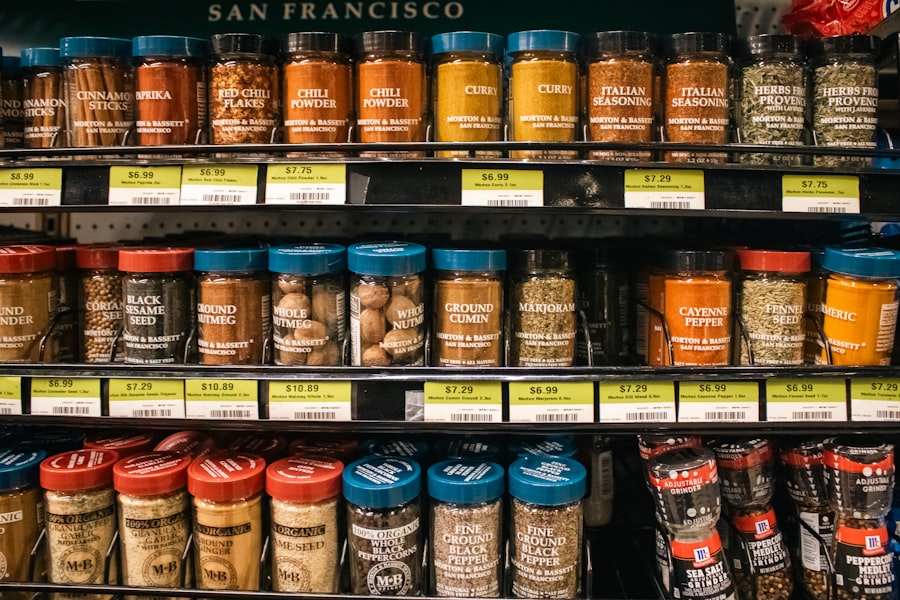
Beyond the numerical data of the Nutrition Facts panel, the ingredient list provides a narrative of a food product, describing its composition in descending order by weight. However, this narrative is often riddled with scientific jargon, proprietary blends, and deliberately vague descriptions, making it a challenging read for the average consumer.
Proprietary Blends: The Secret Symphony
Food manufacturers frequently utilize “proprietary blends” or “natural flavors” on their ingredient lists. These terms allow them to combine a multitude of ingredients, often additives or artificial components, without disclosing their individual names or proportions. This practice effectively creates a “black box” within the ingredient list, obscuring the true nature of what consumers are ingesting. While some proprietary blends may genuinely be trade secrets, others serve to hide ingredients that might deter health-conscious consumers. The proprietary blend becomes a closed curtain, preventing a full view of the ingredients performing within.
Undeclared Allergens and Cross-Contamination Concerns
While regulations exist for labeling common allergens (such as milk, eggs, peanuts, tree nuts, soy, wheat, fish, and shellfish), the potential for cross-contamination in manufacturing facilities remains a significant concern, especially for individuals with severe allergies. Labels often include advisory statements like “May contain traces of…” or “Processed in a facility that also processes…” These warnings, while helpful, underscore the inherent risks and the limitations of complete allergen segregation. For many with allergies, the food landscape remains a minefield, even with these disclaimers.
The Elusive “Natural Flavors”
The term “natural flavors” is another prevalent and often misleading entry on ingredient lists. While originating from natural sources (plants, animals, microorganisms), “natural flavors” can undergo significant chemical processing and may contain numerous undisclosed components, including solvents, preservatives, and emulsifiers. The perceived naturalness linked to the term can be a far cry from the complex chemical concoction it represents. “Natural flavors” are the culinary equivalent of an acoustic illusion, creating the impression of a single note while many instruments are playing.
Marketing Claims: The Siren Call of the Supermarket Aisle
Beyond the official labels, manufacturers employ a barrage of marketing claims on packaging, designed to capture consumer attention and influence purchasing decisions. These claims often lean on emotional appeal and ambiguous language, further muddying the waters of informed choice.
“Farm Fresh” and the Illusion of Proximity
Terms like “farm fresh,” “country style,” or “homemade” are powerful marketing tools, evoking idyllic images of artisanal craftsmanship and locally sourced ingredients. However, these terms are largely unregulated and can be applied to mass-produced products with little to no connection to a small farm or a homemade process. A product labeled “farm fresh” could have traveled thousands of miles and undergone extensive industrial processing, yet the emotional resonance of the phrase remains. “Farm fresh” becomes a whispered promise, often broken by the reality of a long supply chain.
“Gluten-Free” and the Health Halo Effect
The rise in awareness of gluten sensitivity and celiac disease has led to a proliferation of “gluten-free” products. While genuinely beneficial for individuals with these conditions, the “gluten-free” label has also acquired a “health halo” effect, leading many consumers without gluten sensitivities to perceive these products as healthier overall. Many gluten-free alternatives replace gluten with other refined ingredients (like rice flour, tapioca starch, and sugar) that may not offer superior nutritional value. The “gluten-free” label, therefore, can become a detour, leading some consumers away from truly wholesome, naturally gluten-free foods.
“No Added Hormones” and the Cattle Conundrum
For beef products, “No Added Hormones” is a common marketing claim. While it correctly indicates that no artificial growth hormones were administered to the animals, it can create a misleading impression that other meats (like poultry and pork) contain added hormones. Federal regulations prohibit the use of hormones in poultry and pork production; therefore, this claim on such products is redundant and primarily serves as a marketing tactic. It’s akin to stating “No added feathers” on a chicken breast – true, but irrelevant. This claim is often a red herring, diverting attention from other important aspects of animal welfare or feed.
Many consumers are often confused by the information presented on food labels, leading to misconceptions about the nutritional value of products. A related article discusses the various ways in which food labeling can be misleading and the implications it has for public health. For those interested in understanding this issue further, you can read more about it in this informative piece on food labeling practices. This exploration sheds light on the complexities behind what we see on packaging and encourages more informed choices in our diets.
The Path to Empowered Consumption
| Metric | Description | Impact |
|---|---|---|
| Serving Size Manipulation | Manufacturers often list unrealistically small serving sizes to reduce the appearance of calories and nutrients. | Consumers underestimate calorie intake and overconsume products. |
| Use of Ambiguous Terms | Labels use terms like “natural,” “light,” or “healthy” without strict regulatory definitions. | Misleads consumers about the actual healthiness of the product. |
| Hidden Sugars | Sugars are listed under multiple names, making total sugar content hard to identify. | Consumers unknowingly consume excessive sugar. |
| Misleading Health Claims | Claims such as “low fat” or “cholesterol-free” can distract from high sugar or sodium content. | Consumers may choose less healthy options based on incomplete information. |
| Inaccurate Calorie Counts | Calorie counts can be rounded down or based on outdated testing methods. | Leads to underestimation of calorie consumption. |
Navigating the deceptive truth behind US food labels demands a proactive and informed approach from consumers. It requires a willingness to look beyond front-of-package claims and delve into the more granular details of the Nutrition Facts panel and the ingredient list.
Be Your Own Detective
Consumers must cultivate a detective’s mindset, questioning claims and cross-referencing information. This involves not only reading labels but also understanding the regulatory definitions (or lack thereof) behind common marketing terms. The internet serves as a valuable resource for deciphering complex ingredients and understanding food industry practices.
Prioritize Whole Foods
One of the most effective strategies for bypassing misleading labels is to prioritize whole, unprocessed foods. Fruits, vegetables, lean proteins, and whole grains, in their natural state, do not carry ingredient lists or Nutrition Facts panels that can be manipulated. They speak for themselves, offering straightforward nutritional value.
Support Transparent Producers
As consumers become more aware of deceptive labeling practices, their purchasing power can be leveraged to support companies that prioritize transparency and ethical production. Seek out brands that offer detailed information about their sourcing, processing, and ingredient origins, going beyond the minimal legal requirements.
In essence, the US food label, while ostensibly a tool for consumer empowerment, often serves as a complex and occasionally disingenuous artifact of the modern food industry. It is a tapestry woven with threads of regulation, marketing, and scientific jargon, requiring a discerning eye to truly unravel its narrative. By understanding its deceptions and actively seeking truth, consumers can transform themselves from passive recipients of information into empowered architects of their own dietary choices, moving beyond the veil of illusion to embrace a more authentic and nourishing relationship with food.

WATCH NOW ▶️ Why 99% Of American Food Is Illegal Overseas
FAQs
1. Why are US food labels considered misleading?
US food labels are often considered misleading because they can use vague or confusing terms, lack clear information about ingredient quantities, and sometimes highlight certain nutrients while downplaying others. This can make it difficult for consumers to accurately assess the healthiness of a product.
2. What regulations govern food labeling in the United States?
Food labeling in the US is regulated primarily by the Food and Drug Administration (FDA) and the United States Department of Agriculture (USDA). These agencies set standards for nutrition facts, ingredient lists, and health claims, but some loopholes and inconsistencies remain.
3. How do serving sizes on US food labels affect consumer perception?
Serving sizes on US food labels can be misleading because they may not reflect the amount people typically consume. Smaller serving sizes can make calorie and nutrient content appear lower, potentially causing consumers to underestimate their actual intake.
4. What are “natural” and “organic” labels, and why can they be confusing?
The term “natural” is not strictly defined by the FDA, leading to inconsistent use on food packaging. “Organic” labels are regulated but only apply to certain ingredients and production methods. This can cause confusion about the true health benefits or production standards of the product.
5. Are there any efforts to improve the accuracy of US food labels?
Yes, there have been ongoing efforts to improve food labeling accuracy, including updates to the Nutrition Facts label to better reflect current dietary guidelines and clearer definitions for terms like “natural.” However, challenges remain in fully addressing all misleading aspects.