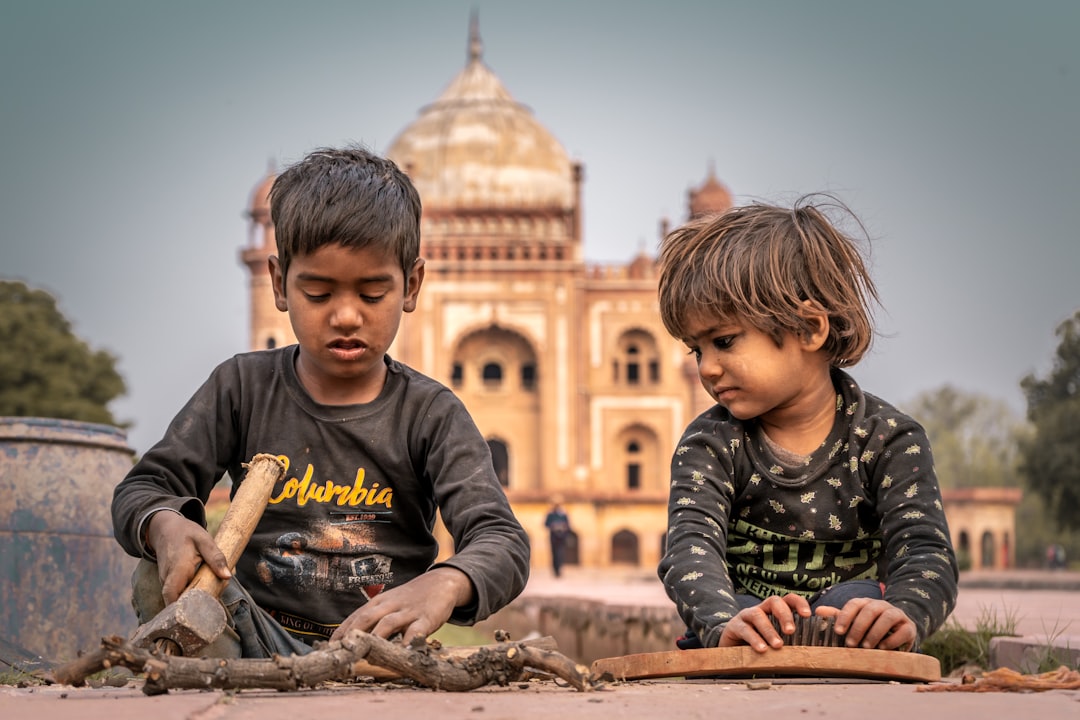
The Industrial Revolution, a period of unprecedented technological advancement and societal transformation, fundamentally reshaped the fabric of human existence. While it undeniably laid the groundwork for modern economies and ushered in an era of progress, its ascent was marred by a shadow so profound it seared itself into the conscience of history: the pervasive exploitation of child labor. This chapter of the Industrial Revolution is not one for rosy spectacles; it is a stark and often brutal testament to how ambition and profit can eclipse basic human decency, turning the innocence of youth into fuel for the insatiable engines of industry.
The allure of a rapidly industrializing world, with its factories belching smoke and its markets demanding ever-increasing output, created a hunger for cheap labor. Children, with their small hands, nimble fingers, and most critically, their low wages, became an inexhaustible resource. This was not a temporary aberration but a systematic practice, deeply embedded within the economic structures of the time, with devastating and far-reaching consequences for generations.
The very nature of the burgeoning industries demanded a workforce that was both compliant and inexpensive. Factories, with their intricate machinery and demanding rhythms, required individuals who could fit into tight spaces, operate delicate mechanisms, and endure monotonous tasks for long hours without complaint or the capacity to negotiate for better conditions. Children, by virtue of their societal position and lack of agency, fit these criteria with chilling efficiency. The economic imperatives of the era acted as a powerful, yet dark, magnet, drawing the most vulnerable into the maw of industrial production.
Economic Pressures and Family Survival
For many working-class families, the Industrial Revolution was not a pathway to prosperity but a desperate struggle for survival. As traditional agrarian economies faltered and urban centers swelled with those seeking work, wages often stagnated or fell to subsistence levels. The income of one adult was frequently insufficient to feed and house a family, let alone clothe them. In this grim calculus of necessity, a child’s meager earnings were not a luxury but a vital component of household income. The specter of starvation and destitution loomed large, pushing parents, who themselves may have abhorred the thought, to send their children into the factories. The choice was not one of preference; it was a grim bargain with fate.
The Demographics of Exploitation
The children employed in factories and mines were not a homogeneous group. They spanned a range of ages, from as young as five or six years old to adolescents on the cusp of adulthood. The vast majority hailed from impoverished backgrounds, their very birth into hardship predetermining their fate. Orphans, street children, and those from families riddled with poverty were particularly vulnerable, often having no one to advocate for their rights or protect them from exploitation. Their silence was the loudest testament to their powerless state.
A New Economic Paradigm: The Value of Smallness
The industrial machinery itself was designed with a particular kind of labor in mind. Small, agile bodies could navigate the cramped spaces between moving parts, reach into intricate mechanisms to clear blockages or mend breaks, and perform repetitive tasks with a dexterity that adult limbs might lack. This was not about skill or innovation in the children themselves, but about their physical attributes being perfectly tailored to the demands of the machines. It was a dehumanizing integration, where the human body became an extension of the mechanical, its worth measured only by its ability to serve the operational needs of the factory.
Child labor and exploitation during the Industrial Revolution is a critical topic that highlights the harsh realities faced by young workers in factories and mines. For a deeper understanding of this issue, you can read the article titled “The Dark Side of Progress: Child Labor in the Industrial Revolution” which explores the historical context and personal stories of affected children. To access the article, click on this link: The Dark Side of Progress: Child Labor in the Industrial Revolution.
The Factory Floor and the Mineshaft: Life in Miniature
The environments where child laborers spent their days were often as brutal as they were dangerous. The conditions were antithetical to the concept of childhood, robbing young souls of their innocence and replacing it with weariness, pain, and fear. The echoes of machinery and the darkness of the mines were the constant soundtracks to their formative years.
The Relentless Hum of the Machine
Factories were characterized by deafening noise, poor ventilation, and the constant threat of injury from unfenced machinery. Children, often too small to reach the operating controls or too exhausted to react quickly enough, were susceptible to being caught, crushed, or maimed by the very machines they tended. The air was thick with dust and fibers, leading to chronic respiratory illnesses that would plague them throughout their lives. The relentless rhythm of the industrial process, a metronome of misery, did not acknowledge the need for rest or respite.
The “Piecer” and the “Scavenger”: Grimly Assigned Roles
Specific roles were designed for children, leveraging their size and perceived disposability. “Piecers,” often very young children, were tasked with rejoining broken threads on spinning machines. This required them to crawl beneath the machinery while it was in motion, a perilous endeavor with a high risk of serious injury. “Scavengers” performed similar tasks in the textile mills, picking up fallen cotton or wool from the floor without stopping the machinery. These were not jobs requiring intellectual engagement but pure, unthinking manual labor performed under extreme duress.
The Darkness Below: Child Labor in the Mines
The coal mines presented an even more dire landscape for child laborers. The work was physically grueling and fraught with constant danger. Children, some as young as seven, were employed as “trappers,” opening and closing ventilation doors in the dark, damp tunnels to ensure a flow of air for the miners. They would sit for hours in isolation, often in the chilling darkness, their only company the scurrying of rats and the drip of water. Other children worked as “hurriers” or “thrusters,” pulling or pushing heavy carts of coal through narrow passages, often on their hands and knees.
The Constant Threat of Collapse and Suffocation
The mines were inherently unstable environments. Cave-ins were a terrifying and frequent occurrence, trapping and crushing children who had no means of escape. The air quality was abysmal, filled with coal dust that caused debilitating lung diseases like “black lung.” Gas explosions, ignited by an errant spark, could be catastrophic. The darkness was not merely an absence of light; it was a pervasive symbol of the hopelessness and danger that these young lives endured.
The Wages of Misery: A Pittance for a Lifetime of Suffering
The compensation for this back-breaking and life-threatening labor was invariably meager. Children earned a fraction of what an adult male would receive, their wages often barely covering the cost of their own rudimentary sustenance. This economic disparity was a deliberate strategy by factory owners to maximize profits. The child’s labor was viewed as a commodity, its value determined by its cost, not by the human toll it exacted. This unholy trinity of relentless work, dangerous conditions, and starvation wages formed the bedrock of child labor exploitation.
The Scars That Remain: Physical and Psychological Tolls
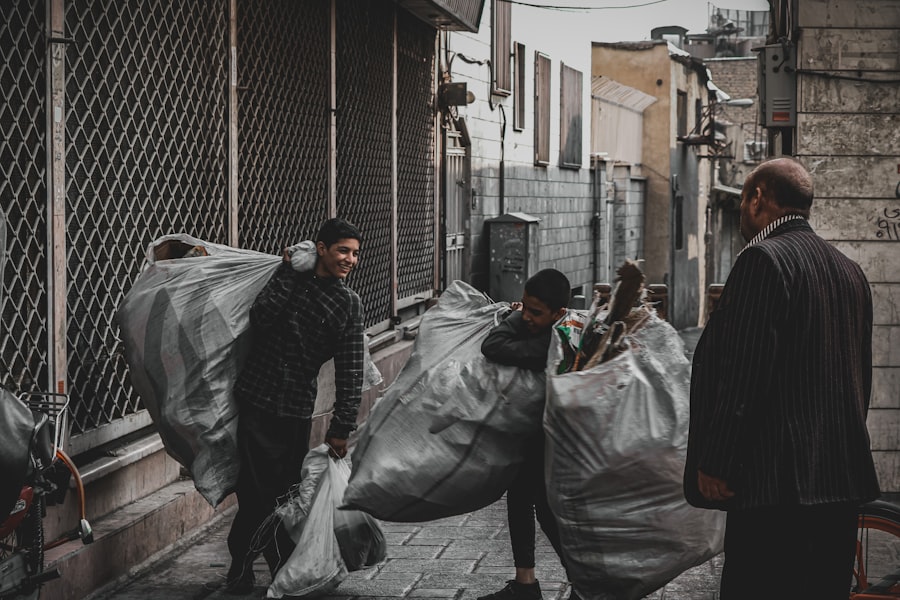
The impact of child labor was not confined to the fleeting moments spent within the industrial complex. The years of exploitation inflicted deep and lasting wounds, shaping the physical health, emotional well-being, and future prospects of these children. Their childhoods were stolen, replaced by a premature adulthood of hardship and a legacy of suffering.
A Legacy of Physical Ailments
The physical toll on child laborers was immense. Chronic injuries, often untreated, led to permanent disabilities. Diseases contracted in the polluted factory air or the damp mines characterized many adult lives. Stunted growth due to malnutrition and overwork was common. The physical resilience of youth was systematically eroded, leaving behind bodies prematurely aged and bearing the indelible marks of their arduous labor. It was a generation physically hobbled before its time.
The Specter of Industrial Accidents
Accidents were a daily reality, and for children, their impact could be catastrophic. Lost limbs, crushed bones, and severe burns were not uncommon. The lack of effective safety measures meant that even minor incidents could escalate into life-altering tragedies. The haunting imagery of a child maimed by machinery became a dark emblem of the era.
The Erosion of the Mind: Psychological Trauma and Lost Potential
Beyond the physical afflictions, the psychological impact of child labor was profound. The constant fear, the lack of play or education, and the dehumanizing treatment inflicted deep emotional scars. Children were robbed of the opportunity to develop social skills, intellectual curiosity, and a sense of self-worth. The trauma experienced in these formative years could lead to lifelong psychological issues, including anxiety, depression, and a pervasive sense of hopelessness. Their minds, like their bodies, bore the imprint of their harsh upbringing.
A Stolen Childhood: The Barren Landscape of Youth
Childhood is a period of discovery, learning, and emotional development. For child laborers, this vital stage was replaced by a monotonous existence of dangerous toil. The absence of education meant a lack of opportunity for social mobility. The constant exposure to adult struggles and the harsh realities of their environment stunted their emotional growth, leaving them ill-equipped to navigate the complexities of adult life. Their innocence was not merely lost; it was systematically extinguished.
The Cycle of Poverty Deepened
The exploitation of child labor often perpetuated the very cycle of poverty it was meant to alleviate. Children who labored instead of learning were denied the skills necessary for better-paying jobs in adulthood. This meant that they, in turn, were likely to rely on their own children’s labor to survive, thus entrenching poverty across generations. The Industrial Revolution, in this regard, became a self-perpetuating engine of hardship for many.
The Seeds of Change: Resistance and Reform

The sheer scale of suffering, however, did not go unnoticed. As the grim realities of child labor became more apparent, a growing chorus of voices began to rise in protest. Reformers, writers, and eventually governments started to acknowledge the moral bankruptcy of the system and advocate for change. The seeds of reform, though slow to germinate, were sown in the fertile ground of public conscience.
The Voices of Conscience: Early Critics and Activists
From within the industrial heartlands and beyond, individuals began to document and expose the cruelties of child labor. Writers like Charles Dickens, through his powerful novels such as Oliver Twist and Nicholas Nickleby, painted vivid pictures of the plight of child workers, stirring the public imagination and exposing the hidden horrors of the factories and workhouses. Social reformers, philanthropists, and religious leaders also played a crucial role, campaigning tirelessly for legislation and public awareness.
The Power of Literature: Shining a Light in the Darkness
Literature served as a critical tool for exposing the injustices. By weaving tales of suffering and resilience, authors brought the abstract concept of child labor exploitation into the tangible realm of human experience. Their words acted as a stark mirror reflecting the moral failings of society, compelling readers to confront the uncomfortable truths of industrial progress.
The Gradual Emergence of Legislation
The pressure from social reformers and the growing public outcry eventually compelled lawmakers to act. Early legislation was often piecemeal and poorly enforced, but it represented a crucial first step. Laws began to be introduced that aimed to limit working hours for children, set minimum age requirements, and mandate basic safety standards. These legislative efforts were a hard-won battle, often met with fierce resistance from factory owners who saw them as an infringement on their economic freedoms.
The Long Road to Regulation: From Weak Laws to Meaningful Protection
The journey from initial legislative attempts to robust child labor laws was a protracted and arduous one. Early acts, like the Factory Acts in Britain, were often met with loopholes and lax enforcement. However, with each iteration, the legislation became more comprehensive, addressing working hours, age restrictions, and educational requirements. This gradual tightening of legal frameworks, though slow, was a testament to the persistent efforts of reformers.
The Rise of Education as an Alternative
A key component of the reform movement was the recognition that education offered a vital alternative to child labor. The establishment of schools and the promotion of compulsory education aimed to provide children with a pathway out of poverty and exploitation. By keeping children in classrooms, reformers sought to equip them with the knowledge and skills necessary for a brighter future, thereby severing the chains of intergenerational poverty.
School Bells Triumphant Over Factory Sirens
The slow but steady expansion of educational opportunities represented a profound shift. The ringing of school bells began to drown out the incessant hum of factory machinery for a growing number of children. This was not merely about imparting knowledge; it was about reclaiming childhood and offering a vision of a future where potential, not exploitation, determined a person’s trajectory.
The issue of child labor and exploitation during the Industrial Revolution is a crucial topic that highlights the harsh realities faced by young workers in factories. For a deeper understanding of this historical phenomenon, you can explore a related article that discusses the various factors contributing to child labor practices and the eventual reforms that aimed to protect children. This insightful piece can be found here, providing a comprehensive overview of the struggles and changes that shaped labor laws in the 19th century.
Confronting the Legacy: Lessons for the Present and Future
| Aspect | Details / Metrics |
|---|---|
| Age of Child Workers | As young as 5 years old |
| Average Working Hours | 12 to 16 hours per day |
| Common Industries | Textiles, coal mines, factories, agriculture |
| Typical Wages | 10% to 20% of adult wages |
| Health Impact | Frequent injuries, respiratory problems, stunted growth |
| Legislation Introduced | Factory Acts (1833, 1844, 1847), Mines Act (1842) |
| Effect of Legislation | Limited working hours, minimum age restrictions, improved conditions |
| Percentage of Child Laborers (mid-19th century UK) | Approximately 20% of industrial workforce |
The dark chapter of child labor exploitation during the Industrial Revolution serves as a potent reminder of humanity’s capacity for both incredible innovation and profound cruelty. It is a history that demands careful study and reflection, not for the sake of dwelling on the past, but for the vital lessons it holds for the present and the future. The echoes of those factory whistles and mine shafts still resonate, urging vigilance.
The Universal Declaration of Human Rights
The enduring scar of child labor exploitation was instrumental in shaping the modern discourse surrounding human rights. The recognition of children’s inherent vulnerability and their right to protection, education, and freedom from exploitation is now enshrined in international law. The Universal Declaration of Human Rights and subsequent conventions specifically address the issue of child labor, making it a global concern and a benchmark of societal progress.
A Global Commitment to Protection
The lessons learned from the Industrial Revolution have spurred a global commitment to eradicating child labor. International organizations and national governments now collaborate to enforce laws, provide support to vulnerable families, and raise awareness about the issue. This global effort, while facing ongoing challenges, represents a significant advancement in safeguarding the rights of children.
The Enduring Fight Against Modern Exploitation
While the overt child labor practices of the Industrial Revolution may seem confined to history, the fight against all forms of child exploitation is far from over. Modern globalized economies, with their complex supply chains and persistent inequalities, present new and insidious forms of child labor. From sweatshops in developing nations to the exploitation in domestic service or even online, the threat remains a palpable one. The vigilance required to combat it must be as unwavering as the efforts that finally began to dismantle the systems of the past.
The Shifting Landscape of Exploitation
The forms of child labor may have evolved, but the underlying principles of exploitation – the pursuit of profit at the expense of a child’s well-being – remain disturbingly similar. Understanding the historical context of child labor during the Industrial Revolution provides crucial insight into the motivations and mechanisms of such exploitation, equipping us to recognize and combat it in its contemporary manifestations.
A Call for Continued Vigilance and Ethical Consumption
The legacy of the Industrial Revolution’s dark side implores us to remain vigilant. It calls for conscious ethical consumption, for demanding transparency in supply chains, and for supporting businesses that uphold fair labor practices. It is a call to recognize that the convenience or affordability of some goods may come at an unacceptable human cost. The progress secured through the suffering of children during the Industrial Revolution should not be a license for complacency, but a motivation for continued ethical engagement. The past, in its starkest realities, offers enduring lessons for building a more just and humane future.
FAQs
What was child labor during the Industrial Revolution?
Child labor during the Industrial Revolution referred to the widespread employment of children in factories, mines, and other industrial settings. Children often worked long hours under harsh and unsafe conditions for very low wages.
Why were children employed in factories during the Industrial Revolution?
Children were employed because they were a cheap source of labor, could perform tasks requiring small size or agility, and families often needed the additional income. Industrialists preferred children as they could be paid less than adults.
What types of work did children do during the Industrial Revolution?
Children worked in textile mills, coal mines, glass factories, and as chimney sweeps, among other jobs. Their tasks included operating machinery, cleaning, carrying heavy loads, and crawling into small spaces.
What were the conditions like for child workers during the Industrial Revolution?
Conditions were often dangerous and unhealthy. Children faced long working hours, minimal breaks, exposure to hazardous machinery, poor ventilation, and little protection from injury or exploitation.
How did society respond to child labor during the Industrial Revolution?
Over time, public awareness and concern grew, leading to social reform movements. Laws such as the Factory Acts were introduced to regulate working hours, set minimum age limits, and improve conditions for child workers.