The allure of makeup that promises to stay put from dawn till dusk, clinging to your skin like a second skin, can be incredibly appealing. You envision a flawless facade that withstands the rigors of your day, from that early morning meeting to that late-night rendezvous without the need for midday touch-ups. This convenience, however, often comes at a significant cost, a hidden price tag etched in the form of toxic chemicals that may be lurking within your beloved “long-wear” cosmetic arsenal. You might think you’re investing in lasting beauty, but in reality, you could be inadvertently inviting a host of health concerns to reside on your face, and within your body. These products, designed for endurance, can become silent infiltrators, their chemical inhabitants slowly weathering your well-being with each application.
Long-wear makeup formulations are engineered for tenacity. This robust performance is often achieved through a complex blend of ingredients, some of which raise considerable alarms regarding their potential impact on your health. You might be smearing a veritable chemical cocktail onto your skin without fully grasping the implications. These ingredients, designed to bind to your skin, resist transfer, and endure moisture and oils, can also penetrate your skin barrier or be ingested, leading to a cascade of potential health issues. Understanding these components is the first step in safeguarding yourself from their insidious effects.
Preservatives: The Unseen Guardians with a Dark Side
Preservatives are essential for preventing microbial growth in cosmetic products, ensuring their safety and shelf life. However, some common preservatives used in long-wear formulations have come under scrutiny for their potential health risks.
Parabens: The Ubiquitous Culprits
Parabens, such as methylparaben, propylparaben, butylparaben, and ethylparaben, are widely used due to their effectiveness and low cost. They act as antimicrobials, preventing the growth of bacteria, molds, and yeasts. However, studies have suggested that parabens can mimic estrogen, a primary female sex hormone, in the body. This endocrine disruption can potentially interfere with the body’s natural hormone balance.
Endocrine Disruption: A Hormonal Imbalance
When parabens enter your system, whether through skin absorption or accidental ingestion (a common occurrence with lip products), they can bind to estrogen receptors. This mimicry can lead to a range of reproductive health issues, affecting both men and women. For women, this could translate to menstrual irregularities, fertility problems, and an increased risk of certain hormone-sensitive cancers, such as breast cancer. For men, it might contribute to decreased sperm count and quality, and feminizing effects. Your body’s delicate hormonal symphony can be thrown out of tune by these seemingly innocuous ingredients.
Skin Sensitization and Allergic Reactions
Beyond endocrine disruption, parabens can also act as allergens for some individuals. Repeated exposure can lead to contact dermatitis, characterized by redness, itching, and inflammation of the skin. This means that what was once a reliable beauty staple could become a source of persistent irritation and discomfort, turning your makeup routine into a battle against your own skin.
Formaldehyde Releasers: A Slow-Acting Threat
Another class of preservatives to be wary of are formaldehyde-releasers. These ingredients, such as quaternium-15, DMDM hydantoin, imidazolidinyl urea, and diazolidinyl urea, slowly release small amounts of formaldehyde over time. While the individual doses may be low, the cumulative effect of daily exposure can be problematic.
Carcinogenic Concerns
Formaldehyde is classified as a known human carcinogen by the International Agency for Research on Cancer (IARC). While the amount released from cosmetics is generally considered small, chronic exposure, especially to sensitive facial skin, is a cause for concern. You are essentially applying a product that contains a slow-dissolving carcinogen to your face daily.
Respiratory and Skin Issues
In addition to cancer risk, formaldehyde can also trigger allergic reactions and cause skin irritation. For individuals with asthma or other respiratory sensitivities, inhaling airborne particles from cosmetic products containing formaldehyde releasers can exacerbate their conditions. This can make your makeup bag a source of airborne toxins, impacting your breathing as well as your skin.
Film Formers: The Unseen Glue
To achieve that coveted long-lasting finish, many makeup products employ film-forming agents. These ingredients create a flexible, continuous layer on the skin that adheres to pigment and prevents smudging or fading. However, some of these film formers can be less than beneficial for your skin’s health.
Silicones: The Smooth Operators with a Catch
Silicones, such as dimethicone and cyclomethicone, are popular for their ability to create a smooth, silky feel and provide a barrier on the skin. They are excellent at giving makeup that flawless, pore-blurring effect. However, their occlusive nature can be a double-edged sword.
Pore Blockage and Acne Breakouts
While silicones themselves are generally considered non-comedogenic, meaning they don’t directly clog pores, their film-forming properties can trap sweat, oil, and dead skin cells beneath the surface. This can create an environment ripe for bacterial growth, leading to acne breakouts and exacerbating existing skin conditions. You might be seeking a smooth complexion, but inadvertently creating a breeding ground for blemishes.
Potential for Buildup and Irritation
Over time, silicone can build up on the skin, making it feel heavy and dull. This buildup can also make it more difficult for beneficial ingredients in your skincare routine to penetrate the skin, effectively forming a barrier against your treatments. Furthermore, some individuals may experience irritation or a “stifled” feeling on their skin due to the occlusive nature of these ingredients.
Acrylates Copolymers: The Unyielding Bond
Acrylates copolymers are synthetic polymers that are widely used in long-wear makeup for their film-forming and adhesive properties. They create a strong, flexible film that provides durability and water resistance.
Respiratory Irritants
While not as common an issue as with other ingredients, certain acrylates can, in powdered forms or when aerosolized, be potential respiratory irritants. This is more of a concern during the manufacturing process or for makeup artists handling large quantities, but it’s a reminder of the industrial origins of some cosmetic components.
Environmental Concerns
Beyond personal health, the persistent nature of some acrylate-based film formers also raises environmental questions regarding their biodegradability and potential accumulation in wastewater. While not a direct personal health danger in the short term, it’s a broader concern about the long-term impact of these persistent chemicals.
Fragrance: The Aromatic Deception
Many long-wear makeup products feature artificial fragrances to mask the inherent chemical odors of the ingredients and to provide a pleasant sensory experience. However, the term “fragrance” on an ingredient list is often a placeholder for a complex mixture of proprietary chemicals, many of which are known allergens and irritants.
Allergens and Irritants: A Symphony of Sensitivity
The specific components within “fragrance” are not disclosed due to trade secret laws. This means you could be exposed to a cocktail of allergens, including phthalates, which are often used to prolong the scent. These can trigger allergic reactions, headaches, and respiratory problems in sensitive individuals. Your desire for a pleasant-smelling product could be a pathway to unwelcome physical reactions.
Phthalates: The Scent Stabilizers with Hormone-Disrupting Properties
Phthalates are commonly used in fragrances to help the scent last longer. They are also known endocrine disruptors, similar to parabens, with potential links to reproductive health issues. The subtle pluming of a floral scent could be carrying a more sinister payload.
Exacerbation of Skin Conditions
For individuals with sensitive skin, eczema, or rosacea, artificial fragrances are a common trigger for redness, itching, and inflammation. What might seem like a pleasant addition to your makeup can actually be a potent irritant, turning your makeup application into a source of discomfort.
Recent discussions surrounding the safety of long-wear makeup have highlighted concerns about the presence of toxic chemicals in these products. Many consumers are becoming increasingly aware of the potential health risks associated with ingredients such as parabens and phthalates, which are often used to enhance the longevity of makeup. For more insights on this topic, you can read a related article that delves into the implications of these chemicals on skin health and overall well-being at Hey Did You Know This.
The Hidden Dangers of Ingestion and Inhalation
You might meticulously apply your foundation and lipstick, but the journey of these products doesn’t end at your skin’s surface. Throughout the day, you are inevitably going to ingest and inhale tiny particles of your makeup, inadvertently introducing the chemical cocktail directly into your body.
Accidental Ingestion: A Constant Through the Day
From lipsticks and glosses that transfer to your food and drinks, to eyeshadow and powders that can be inhaled and then swallowed, accidental ingestion is a constant risk with makeup.
Lip Products: A Direct Route to Your Digestive System
Lipsticks and lip glosses are particularly prone to ingestion. Every time you take a bite of food or a sip of a beverage, you are transferring a portion of the product into your mouth. This direct route bypasses many of the body’s natural defense mechanisms, allowing chemicals to be absorbed more readily. You might be applying color to your lips, but you are also consuming a medley of compounds designed for durability.
Powder Products: Airborne Infiltration
Eyeshadows, blushes, and powders, when applied with brushes or sponges, can release fine particles into the air. These particles can then be inhaled and subsequently swallowed. While the quantity may seem negligible with each application, it accumulates over time.
Inhalation: The Unseen Breath of Chemicals
The fine powders in makeup can become airborne during application and throughout the day, especially if you touch your face and then inhale.
Respiratory Tract Irritation
Certain ingredients, particularly synthetic fragrances and finely milled powders, can irritate the delicate lining of your respiratory tract, leading to coughing, sneezing, and even shortness of breath in sensitive individuals.
Systemic Absorption Through the Lungs
The lungs are highly efficient at absorbing substances into the bloodstream. When you inhale makeup particles containing potentially harmful chemicals, they can be rapidly absorbed into your circulation, potentially impacting various organs throughout your body. You are breathing in more than just air; you’re breathing in your makeup’s chemical occupants.
Long-Term Health Implications: A Slow Erosion of Well-being

The effects of daily exposure to these toxic chemicals in long-wear makeup are not always immediate. They can be cumulative, slowly eroding your well-being over months and years. Think of it as a slow drip, imperceptible at first, but eventually leading to significant damage.
Hormonal Imbalance and Reproductive Concerns
As discussed earlier, ingredients like parabens and phthalates can disrupt your endocrine system. This can have far-reaching consequences for your reproductive health, affecting fertility, menstrual cycles, and increasing the risk of hormone-sensitive cancers. This isn’t about a single application; it’s about the relentless, daily assault on your hormonal equilibrium.
Increased Risk of Certain Cancers
The presence of formaldehyde-releasing preservatives and potentially other carcinogens in some long-wear makeup formulations raises concerns about the increased risk of certain cancers, particularly with prolonged and consistent use. While regulatory bodies may deem certain levels safe, the question of chronic, low-dose exposure remains a significant concern. You are, in essence, applying potential cancer-causing agents to your largest organ, your skin, on a daily basis.
Skin Sensitization and Chronic Inflammation
Repeated exposure to irritants and allergens in makeup can lead to chronic skin inflammation. This can manifest as persistent redness, itching, dryness, and increased sensitivity. Your skin, which is supposed to be a protective barrier, can become a battleground, constantly reacting to the very products you use to enhance its appearance.
Neurological Effects and Other Systemic Issues
Emerging research is exploring the potential links between exposure to certain cosmetic chemicals and neurological effects, as well as impact on other organ systems. While definitive conclusions are still being drawn, the breadth of potential concerns highlights the importance of being vigilant about the ingredients you use. The chemicals in your makeup may be silently navigating to other parts of your body, causing disturbances you wouldn’t initially associate with your beauty routine.
Navigating the Beauty Landscape: Making Safer Choices
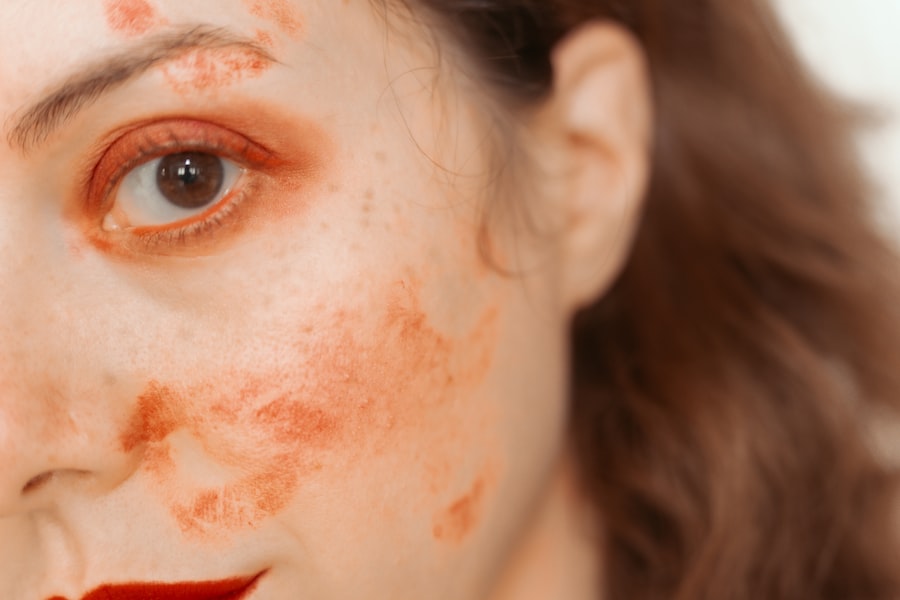
The knowledge of these potential dangers can feel overwhelming, but it doesn’t mean you have to abandon makeup altogether. Instead, it empowers you to become a more informed consumer and to make conscious choices that prioritize your health.
Decoding Ingredient Lists: Your Chemical Compass
The first and most crucial step is to become an avid reader of ingredient lists. Don’t be intimidated by the scientific names; arm yourself with knowledge about the common culprits.
Recognizing Red Flag Ingredients
Familiarize yourself with the names of parabens, formaldehyde-releasers, phthalates, and certain silicones and synthetic fragrances. These are your personal “do not touch” list when it comes to your beauty products. You are the ultimate arbiter of what goes on your body, and understanding the language of ingredients is your shield.
Researching Unfamiliar Ingredients
If you encounter an ingredient you don’t recognize, take a moment to research it. Many reputable websites and resources are dedicated to providing information on cosmetic ingredients and their potential health impacts. A few minutes of research can save you from years of potential harm.
Seeking Out “Free-From” Labels: A Starting Point
Look for products that are explicitly labeled as “paraben-free,” “phthalate-free,” “fragrance-free,” or “silicone-free.” While these labels are a good indicator, it’s still essential to check the full ingredient list, as manufacturers may use different forms of problematic chemicals. A “free-from” claim is a beacon, but not always the full story.
Opting for “Clean” and “Natural” Formulations: A Healthier Alternative
The beauty industry is increasingly responding to consumer demand for safer products. This has led to the rise of “clean” and “natural” beauty brands.
Understanding the Nuances of “Natural”
The term “natural” can be ambiguous in the beauty industry. It’s important to understand that “natural” doesn’t always equate to “safe.” Some natural ingredients can still be allergenic or irritating. Look for brands that are transparent about their sourcing and testing.
Prioritizing Minimalist Ingredient Lists
Products with shorter ingredient lists often indicate a less complex chemical formulation. This can be a good sign that the product is less likely to contain a cocktail of potentially harmful substances. A minimalist approach to ingredients often translates to a more benevolent approach to your skin.
The Power of Patch Testing: A Prudent Precaution
Before applying any new makeup product to your face, especially long-wear formulations, perform a patch test.
Applying to a Discreet Area
Apply a small amount of the product to a discreet area of skin, such as behind your ear or on your inner forearm.
Observing for Reactions Over Time
Leave the product on for the recommended wear time (if applicable) and observe the area for any signs of redness, itching, burning, or other irritation for at least 24-48 hours. This simple step can save your entire face from an adverse reaction. You are conducting a small-scale trial to protect your larger canvas.
Concerns about toxic chemicals in long wear makeup have been growing, as many consumers are becoming more aware of the potential health risks associated with these products. A recent article discusses the various harmful ingredients often found in cosmetics and their possible effects on skin health and overall well-being. For those interested in learning more about this important topic, you can read the full article here. As awareness increases, many are now seeking safer alternatives that do not compromise on quality or longevity.
Embracing a Holistic Approach to Beauty and Well-being
| Toxic Chemical | Common Use in Long Wear Makeup | Potential Health Risks | Typical Concentration Range | Regulatory Limits |
|---|---|---|---|---|
| Lead | Color pigment in lipsticks and foundations | Neurotoxicity, developmental issues, carcinogenic | 0.1 – 10 ppm | Max 10 ppm (FDA recommended) |
| Parabens (Methylparaben, Propylparaben) | Preservatives to extend shelf life | Endocrine disruption, allergic reactions | 0.1% – 0.8% | Max 0.8% combined concentration (EU) |
| Phthalates (e.g., DBP) | Plasticizers in nail polish and some foundations | Reproductive toxicity, endocrine disruption | Trace amounts to 0.1% | Banned or restricted in many countries |
| Formaldehyde Releasers (e.g., DMDM Hydantoin) | Preservatives in primers and foundations | Skin irritation, allergen, carcinogenic potential | Up to 0.2% | Max 0.2% free formaldehyde (EU) |
| Toluene | Solvent in nail polish and some mascaras | Respiratory issues, neurotoxicity | Trace amounts | Restricted or banned in cosmetics |
| Polycyclic Aromatic Hydrocarbons (PAHs) | Contaminants in mineral pigments | Carcinogenic, skin irritation | Trace to low ppm | Minimized by good manufacturing practices |
Ultimately, true beauty stems from within, and a healthy body is the foundation for radiant skin. This means looking beyond just the makeup you apply and considering your overall lifestyle.
Nourishing Your Body from the Inside Out
A balanced diet rich in antioxidants, vitamins, and minerals supports your skin’s natural ability to repair and protect itself. Hydration is also crucial for maintaining skin elasticity and function. What you consume has a direct impact on the health of your largest organ.
Stress Management and Adequate Sleep: The Unsung Heroes
Chronic stress and lack of sleep can wreak havoc on your skin and overall health. Prioritizing stress-reducing activities and ensuring you get enough restful sleep can significantly contribute to a healthier complexion and a more resilient body. Your internal state is reflected on your external presentation.
Regular Detoxification and Supporting Your Body’s Natural Processes
While the idea of “detox” is often overused, supporting your body’s natural elimination processes through adequate water intake, a healthy diet, and regular physical activity is vital for processing and removing toxins. Your body is a sophisticated system, and helping it function optimally is key.
The convenience of long-wear makeup is a siren’s call, promising effortless beauty. However, you must be the captain of your own ship, navigating the waters of cosmetic choices with a critical eye and a commitment to your well-being. By understanding the potential dangers lurking within these formulations and by making informed decisions, you can achieve lasting radiance without compromising your health. Your face is not a canvas for chemicals; it is a living, breathing organ that deserves to be treated with respect and care.

WATCH NOW ▶️ WARNING: 50 Chemicals Banned Overseas (In Your Home)
FAQs
What are some common toxic chemicals found in long wear makeup?
Common toxic chemicals in long wear makeup include parabens, phthalates, formaldehyde-releasing preservatives, lead, and synthetic fragrances. These substances can potentially cause skin irritation, hormonal disruption, or other health issues.
Why are toxic chemicals used in long wear makeup products?
Toxic chemicals are often used in long wear makeup to enhance product durability, improve texture, and extend shelf life. For example, preservatives prevent microbial growth, while certain chemicals help makeup resist smudging and fading.
How can toxic chemicals in long wear makeup affect health?
Exposure to toxic chemicals in makeup can lead to allergic reactions, skin irritation, hormonal imbalances, and in some cases, long-term health risks such as reproductive issues or increased cancer risk, depending on the chemical and level of exposure.
Are there regulations controlling toxic chemicals in long wear makeup?
Yes, many countries have regulatory agencies like the FDA (U.S.) or the European Commission that set safety standards and restrict or ban certain harmful chemicals in cosmetics. However, regulations vary by region and some toxic ingredients may still be permitted in low concentrations.
How can consumers avoid toxic chemicals in long wear makeup?
Consumers can avoid toxic chemicals by reading ingredient labels carefully, choosing products labeled as non-toxic or free from parabens, phthalates, and synthetic fragrances, and opting for brands that prioritize natural or organic ingredients and transparency in their formulations.