
The human body is a complex biological machine, finely tuned to process the nutrients and compounds it encounters. For millennia, this machine operated on a diet of whole, unprocessed foods. Today, however, the modern food landscape presents a different, and often more challenging, environment. Processed and ultra-processed foods, staples in many diets, frequently contain a cocktail of food additives – substances intentionally added to food to perform specific functions such as preserving freshness, enhancing flavor, or improving texture. While regulatory bodies deem these additives safe in isolation within specified limits, a growing concern revolves around the potential dangers of stacking food additive exposure. This refers to the cumulative effect of consuming multiple different additives concurrently, often from a variety of processed food sources throughout the day. Understanding this phenomenon requires a closer look at how these substances interact within the body and the potential consequences for long-term health.
A Modern Dietary Landscape
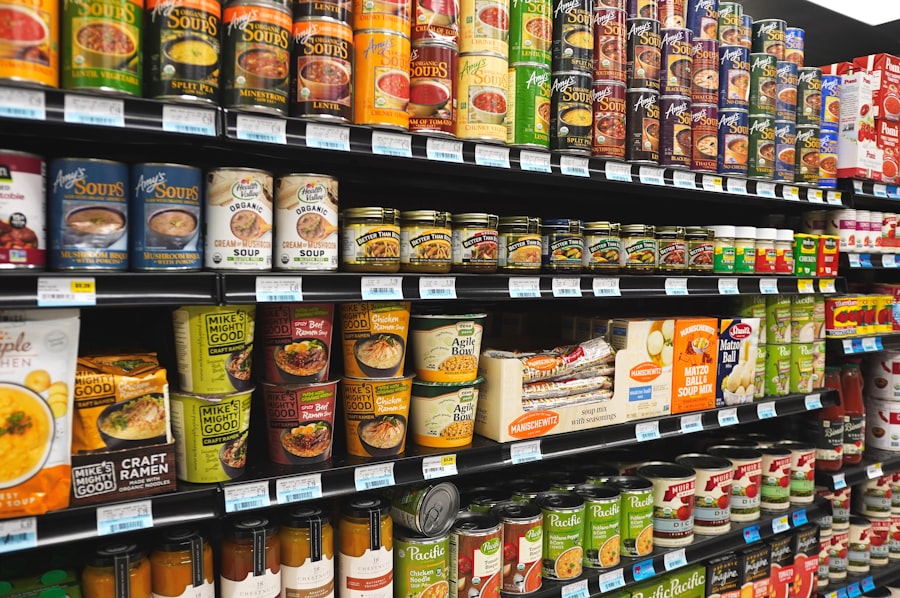
The twenty-first century diet is a far cry from that of our ancestors. Convenience and shelf-life have become paramount, leading to a significant increase in the consumption of processed and ultra-processed foods. These foods, designed for mass production and extended usability, rely heavily on a diverse array of additives to achieve their desired characteristics. From the vibrant hues of candies and cereals to the creamy texture of yogurts and the extended freshness of baked goods, food additives are the silent architects of our modern pantry. Their presence is so widespread that it can be challenging to avoid them entirely, even with a conscious effort.
Categories and Functions of Common Additives
Food additives serve a vast array of purposes, each playing a specific role in product development and consumer appeal. They can be broadly categorized by their function, though many additives may possess multiple properties.
Preservatives: Guarding Against Decay
Preservatives are perhaps the most common and essential category of food additives. Their primary function is to inhibit the growth of microorganisms such as bacteria, molds, and yeasts, thereby extending the shelf life of food products and preventing spoilage. This not only reduces food waste but also protects consumers from potentially harmful pathogens. Common examples include:
- Sulfites: Used in dried fruits, wine, and processed meats to prevent browning and inhibit microbial growth.
- Nitrates and Nitrites: Primarily used in cured meats like bacon and hot dogs to preserve color and prevent the growth of Clostridium botulinum.
- Sorbates: Found in cheeses, baked goods, and dried fruits to inhibit mold and yeast.
- Benzoates: Common in acidic foods like soft drinks, fruit juices, and pickles, effective against bacteria and yeast.
Antioxidants: Battling Oxidation’s Advance
Oxidation is a natural process that can lead to the deterioration of food, causing rancidity in fats and oils and color changes in fruits and vegetables. Antioxidants work by neutralizing free radicals, thereby slowing down these oxidative processes. Familiar examples include:
- Ascorbic Acid (Vitamin C): A natural antioxidant found in many fruits and vegetables, also used as an additive to prevent browning and preserve color.
- Tocopherols (Vitamin E): Fat-soluble antioxidants used in oils, fats, and processed foods to prevent rancidity.
- BHA (Butylated Hydroxyanisole) and BHT (Butylated Hydroxytoluene): Synthetic antioxidants commonly added to cereals, potato chips, and chewing gum.
Emulsifiers and Stabilizers: Achieving Smoothness and Consistency
These additives are crucial for creating and maintaining the desired texture and uniformity in many food products. Emulsifiers help to blend ingredients that would normally separate, such as oil and water, creating stable mixtures. Stabilizers, on the other hand, help to maintain consistency and prevent separation of ingredients.
- Lecithin: A natural emulsifier derived from soybeans or eggs, used in chocolate, baked goods, and salad dressings.
- Mono- and Diglycerides: Widely used in ice cream, baked goods, and margarine to improve texture and stability.
- Xanthan Gum and Guar Gum: Polysaccharides used as thickeners and stabilizers in sauces, dressings, and dairy products.
Colorants: Enhancing Visual Appeal
Food colorants are added to compensate for color loss during processing or to enhance the natural color of food, making it more attractive to consumers. These can be natural or artificial.
- Artificial Colorants: Such as FD&C Red 40, Yellow 5, and Blue 1, widely used in candies, beverages, and processed snacks.
- Natural Colorants: Including carotenoids (from carrots), anthocyanins (from berries), and turmeric.
Flavor Enhancers and Sweeteners: Amplifying Taste Experiences
These additives are designed to augment or modify the taste of food. Flavor enhancers amplify existing flavors, while sweeteners provide sweetness without the caloric contribution of sugar.
- Monosodium Glutamate (MSG): A widely used flavor enhancer that adds an umami taste to savory dishes, soups, and snacks.
- Artificial Sweeteners: Such as aspartame, saccharin, and sucralose, common in diet beverages, sugar-free desserts, and chewing gum.
- High-Fructose Corn Syrup (HFCS): While technically a sugar, its widespread use as a sweetener in processed foods and beverages significantly contributes to overall sugar intake.
The “Ingredient List” Archipelago
A casual glance at the ingredient list of many modern packaged foods reveals a veritable archipelago of chemical names. These are not arbitrary concoctions but carefully selected substances designed to achieve specific results. However, the sheer volume and variety of these ingredients, often listed in small print, can obscure the cumulative impact of their consumption. It is like navigating a complex system of interconnected islands, where each island represents a different additive, and together they form a vast, often uncharted territory of dietary exposure.
In exploring the complexities of food safety, the article on stacking food additive exposure risks provides valuable insights into how multiple additives can interact and potentially impact health. For a deeper understanding of this topic, you can read more in the related article found here: Stacking Food Additive Exposure Risks. This resource highlights the importance of being aware of cumulative exposure and encourages consumers to make informed choices about the foods they consume.
The Concept of Additive Stacking: An Unseen Cumulative Effect
Beyond the Individual Dose: The Cocktail Approach
The prevailing regulatory approach to food additive safety is largely based on evaluating each additive in isolation. This means that each substance is assessed for its potential toxicity at a given dose, and an Acceptable Daily Intake (ADI) is established. However, this paradigm does not fully account for the real-world scenario where individuals consume a multitude of different additives simultaneously, often at levels far below their individual ADIs, but in combination. This is the essence of additive stacking: the synergistic or cumulative impact of multiple additives being consumed together. This complex interplay within the body has been likened to a orchestra playing different tunes simultaneously – the individual melodies might be pleasant, but the cacophony can be overwhelming and disharmonious.
Potential for Synergistic Interactions
While research into additive stacking is still in its nascent stages, there is a growing body of evidence and theoretical concern suggesting that certain additives might interact in ways that magnify their effects. This means that the combined impact of two or more additives could be greater than the sum of their individual impacts. For instance, two additives, each considered safe at their typical consumption levels, might, when consumed together, overwhelm detoxification pathways or trigger inflammatory responses that neither would independently. The body’s intricate biochemical machinery is not designed to process such complex mixtures of xenobiotics (foreign chemical compounds).
Mimicking and Interfering with Biological Processes
Many food additives are structurally similar to natural hormones, enzymes, or neurotransmitters. This molecular mimicry can lead to unintended consequences, where these additives might bind to receptors meant for endogenous molecules, thereby disrupting normal physiological processes. When multiple such mimic molecules are present, the potential for interference and dysregulation increases. Imagine introducing several keys into a complex lock mechanism, each designed to fit a specific tumbler, but some keys are slightly misshapen, leading to a jamming or unintended turning of multiple tumblers. This can lead to cascading effects throughout metabolic and endocrine systems.
Emerging Health Concerns Linked to Additive Stacking

Gastrointestinal Distress and Dysbiosis
The gut microbiome, a vast ecosystem of bacteria and other microorganisms residing in the digestive tract, plays a crucial role in overall health, influencing digestion, immunity, and even mood. Certain food additives, particularly artificial sweeteners, emulsifiers, and preservatives, have been implicated in altering the composition and function of the gut microbiome. When consumed in combination, these additives could potentially create a more hostile environment for beneficial bacteria, leading to dysbiosis (an imbalance in the gut flora). This imbalance can manifest as digestive issues like bloating, gas, and changes in bowel habits, and has been linked to more serious conditions such as inflammatory bowel disease and irritable bowel syndrome.
Endocrine Disruption and Hormonal Imbalances
The endocrine system, a network of glands that produce and secrete hormones, regulates a myriad of bodily functions, including metabolism, growth, and reproduction. Several food additives, particularly some synthetic colorants and plasticizers that can leach into food from packaging, are suspected endocrine disruptors. These substances can interfere with the natural production, secretion, transport, metabolism, and elimination of hormones, potentially leading to hormonal imbalances. The cumulative exposure from a variety of processed foods containing different endocrine-disrupting additives could contribute to a subtle but persistent disruption of the delicate hormonal feedback loops that govern our bodies, with potential long-term effects on reproductive health, growth, and metabolic regulation.
Impact on Thyroid Function
The thyroid gland, responsible for producing hormones that regulate metabolism, is particularly sensitive to disruption. Some additives, through their chemical structures or by influencing other hormonal pathways, may interfere with thyroid hormone synthesis or function. This can lead to conditions like hypothyroidism or hyperthyroidism, affecting energy levels, weight, and overall metabolic health.
Reproductive Health Concerns
Emerging research suggests a potential link between chronic exposure to certain food additives and adverse effects on reproductive health, in both males and females. This can include impacts on fertility, sperm quality, and hormonal regulation crucial for reproductive processes.
Immune System Modulation and Allergic Reactions
The immune system is designed to protect the body from foreign invaders. However, chronic exposure to certain food additives, especially those with known allergenic potential or those that can trigger inflammatory responses, may contribute to an overactive or dysregulated immune system. This can manifest as increased susceptibility to infections, heightened allergic reactions, or the development of autoimmune conditions. For individuals with pre-existing sensitivities, the cumulative burden of multiple additives could act as a trigger for more severe or widespread immune responses.
Sensitivities and Intolerances
While not all reactions to food additives are true allergies, many individuals report sensitivities and intolerances that can manifest as headaches, hives, digestive upset, or behavioral changes, particularly in children. The additive stacking hypothesis suggests that repeated exposure to a cocktail of different sensitizing agents might lower an individual’s threshold, leading to more pronounced reactions even at previously tolerated levels.
Neurological and Behavioral Effects
The brain is highly sensitive to the chemical environment, and some food additives, particularly artificial colorants and sweeteners, have been linked to neurological and behavioral effects, especially in children. While individual additive effects are debated and often confined to specific sensitivities, the stacking of multiple such additives might contribute to subtle but widespread neurological changes. This could manifest as issues with attention span, hyperactivity, or mood regulation. The notion here is not a direct neurotoxin effect but rather a subtle disruption of neurotransmitter activity or communication pathways when multiple interfering agents are present.
The “Brain Fog” Phenomenon
Some anecdotal reports suggest that a diet high in processed foods laden with various additives can contribute to a persistent feeling of “brain fog” or cognitive sluggishness. While difficult to scientifically quantify, this could be the result of cumulative interference with neurotransmitter function or mild inflammatory processes triggered by multiple additive exposures.
Increased Risk of Chronic Diseases
While direct causal links are still under investigation, the cumulative effects of additive stacking are a factor in the broader discussion of diet and chronic disease. By contributing to gut dysbiosis, endocrine disruption, immune dysregulation, and inflammation, the constant bombardment of multiple food additives may, over time, create an internal environment conducive to the development of chronic conditions such as obesity, type 2 diabetes, cardiovascular disease, and certain cancers. These chronic diseases are often multifactorial, and the cumulative burden of environmental and dietary modulators, including additive exposure, is a significant area of inquiry.
Regulatory Challenges and the Precautionary Principle
The “Safe in Isolation” Conundrum
The current regulatory framework for food additives, while robust in its assessment of individual substances, presents a significant challenge when it comes to additive stacking. The sheer number of approved additives and the complexity of their potential interactions make it difficult to systematically study every conceivable combination. This leaves a gap in our understanding of how these substances collectively impact human health. The absence of direct evidence of harm from a specific combination does not equate to absence of risk.
The Precautionary Principle: A Shield Against the Unknown
In the face of scientific uncertainty, the precautionary principle advocates for taking preventive action to avoid potential harm, even if the causal link is not fully established. Applying this to food additive stacking would involve a more cautious approach to the approval and use of additives, particularly those with known biological activity or structural similarities to harmful compounds. It suggests that rather than waiting for definitive proof of harm, which can take years or even decades of exposure, regulatory bodies and food manufacturers should prioritize minimizing exposure to the widest possible array of additives. This principle acts as a shield, urging caution when peering into the fog of potential, unconfirmed dangers.
Food Manufacturer Responsibility
Manufacturers have a significant role to play in reducing additive stacking. By reformulating products to use fewer artificial additives, prioritizing natural alternatives, and being more transparent about their ingredient lists, they can empower consumers to make more informed choices and contribute to a healthier food supply. The drive for convenience and shelf-life should not permanently sacrifice the nuanced health of the population.
Consumer Empowerment Through Label Reading
For the individual, the most immediate defense against additive stacking is informed consumerism. This involves taking the time to read ingredient labels, understanding the function of common additives, and making conscious choices to select foods with shorter, more recognizable ingredient lists. Seeking out whole, minimally processed foods can significantly reduce overall additive exposure.
Recent discussions on the cumulative effects of food additives have highlighted the importance of understanding stacking exposure risks. A related article explores how various food additives can interact and potentially amplify health concerns, making it essential for consumers to be informed about what they are consuming. For more insights on this topic, you can read the full article here. This knowledge can empower individuals to make healthier choices and advocate for clearer labeling practices in the food industry.
Navigating the Food Landscape: Strategies for Minimizing Exposure
| Food Additive | Common Use | Average Daily Intake (mg/kg body weight) | Acceptable Daily Intake (ADI) (mg/kg body weight) | Potential Health Risks | Stacking Effect Concern |
|---|---|---|---|---|---|
| Tartrazine (E102) | Food coloring | 2.5 | 7.5 | Hyperactivity, allergic reactions | Increased risk of allergic reactions when combined with other azo dyes |
| Sodium Benzoate (E211) | Preservative | 3.0 | 5.0 | Potential DNA damage, asthma exacerbation | May enhance oxidative stress when combined with ascorbic acid |
| Monosodium Glutamate (MSG, E621) | Flavor enhancer | 1.2 | 30 | Headaches, nausea in sensitive individuals | Possible additive neurotoxic effects with other excitotoxins |
| Sulfites (E220-E228) | Preservative | 0.8 | 0.7 | Asthma attacks, allergic reactions | Stacking may increase respiratory risk in sensitive individuals |
| BHA (Butylated Hydroxyanisole, E320) | Antioxidant | 0.4 | 0.5 | Possible carcinogen, endocrine disruption | Combined exposure with BHT may increase toxicity |
Embracing Whole, Unprocessed Foods
The cornerstone of minimizing additive exposure lies in returning to the foundation of a healthy diet: whole, unprocessed foods. Fruits, vegetables, whole grains, lean proteins, and healthy fats are naturally free of synthetic additives and provide essential nutrients without the hidden baggage of chemical cocktails. Building meals around these food groups significantly reduces the likelihood of encountering a diverse range of additives. Imagine a vibrant garden bursting with natural goodness versus a meticulously arranged but ultimately artificial display – the former nourishes, the latter primarily appeals.
The Power of Home Cooking
Preparing meals from scratch at home grants unparalleled control over the ingredients used. By choosing fresh produce, selecting quality raw ingredients, and making your own sauces and dressings, you bypass the multitude of additives commonly found in pre-packaged meals and condiments. It is an act of culinary sovereignty, reclaiming control over what enters your body.
Decoding Labels: A Detective’s Toolkit
Becoming adept at reading food labels is an essential skill in today’s food environment. Understanding the names of common additives, their E-numbers (in Europe), and their potential functions empowers informed decision-making. Recognizing lists that are dominated by unfamiliar chemical names serves as a red flag, indicating a higher likelihood of additive stacking.
Identifying “Ultra-Processed” Pitfalls
Ultra-processed foods, characterized by extensive industrial processing and the addition of numerous ingredients, are often the primary vehicles for additive stacking. Recognizing these foods and actively choosing to limit their consumption is a crucial step. This includes many commercially baked goods, sugary cereals, processed meats, and many ready-to-eat meals.
Seeking Naturally Occurring Alternatives
As consumer demand for less artificial food grows, so does the availability of products utilizing natural colorants, flavors, and preservatives. While these may sometimes be present in slightly higher levels than their synthetic counterparts, they often come with fewer concerns about stacking and potential long-term health effects.
The Art of Gradual Reduction
For individuals accustomed to a diet of highly processed foods, making drastic changes overnight can be overwhelming. A more sustainable approach involves gradually reducing the intake of foods with complex additive lists, replacing them with whole food alternatives or products with simpler ingredient profiles. This gradual shift allows the body and palate to adjust.
The Future of Food Additive Safety: A Call for Further Research
The Need for Comprehensive Stacking Studies
The scientific community’s understanding of additive stacking remains incomplete. There is a pressing need for more extensive and sophisticated research, including long-term epidemiological studies and controlled human trials, that specifically investigate the cumulative effects of multiple food additive exposures. These studies should explore potential synergistic interactions, dose-response relationships in combinations, and the impact on various physiological systems. The current body of knowledge is like a partially assembled puzzle; we see individual pieces, but the full picture of their combined impact remains elusive.
Redefining Regulatory Frameworks
Given the growing awareness of additive stacking, regulatory bodies worldwide may need to re-evaluate and adapt their frameworks. This could involve a more holistic approach that considers the aggregate exposure to multiple additives, even if each is deemed safe in isolation. The concept of “cumulative risk assessment” may need to be expanded to encompass the complex interplay of dietary chemicals.
Promoting Transparency and Education
Open communication and education about food additives are paramount. Empowering consumers with accurate and accessible information about the potential risks, alongside the benefits of additive-free or minimally processed foods, is essential for fostering healthier dietary choices. This includes clear labeling, accessible public health campaigns, and educational resources. The ultimate goal is to equip individuals with the knowledge to navigate the modern food landscape with confidence and make choices that support their long-term well-being. The journey towards a healthier diet is an ongoing exploration, and understanding the potential dangers of stacking food additive exposure is a vital compass in this endeavor.

WATCH NOW ▶️ Why 99% Of American Food Is Illegal Overseas
FAQs
What does “stacking food additive exposure” mean?
Stacking food additive exposure refers to the cumulative intake of multiple food additives from various sources in a person’s diet. This can increase the overall exposure risk beyond what might be expected from individual additives alone.
Why is stacking food additive exposure a concern?
It is a concern because consuming multiple additives simultaneously or over time may lead to combined effects that are not fully understood, potentially increasing health risks such as allergic reactions, toxicity, or other adverse effects.
How are food additive exposure risks assessed?
Regulatory agencies assess exposure risks by evaluating the safety of individual additives, estimating typical consumption levels, and considering cumulative exposure from multiple additives. Toxicological studies and dietary surveys help inform these assessments.
Can consumers reduce their exposure to stacked food additives?
Yes, consumers can reduce exposure by choosing fresh, minimally processed foods, reading ingredient labels carefully, and limiting intake of products known to contain multiple additives.
Are all food additives harmful when stacked?
Not necessarily. Many food additives are considered safe at approved levels, even when consumed together. However, ongoing research is important to understand potential interactions and cumulative effects to ensure safety.