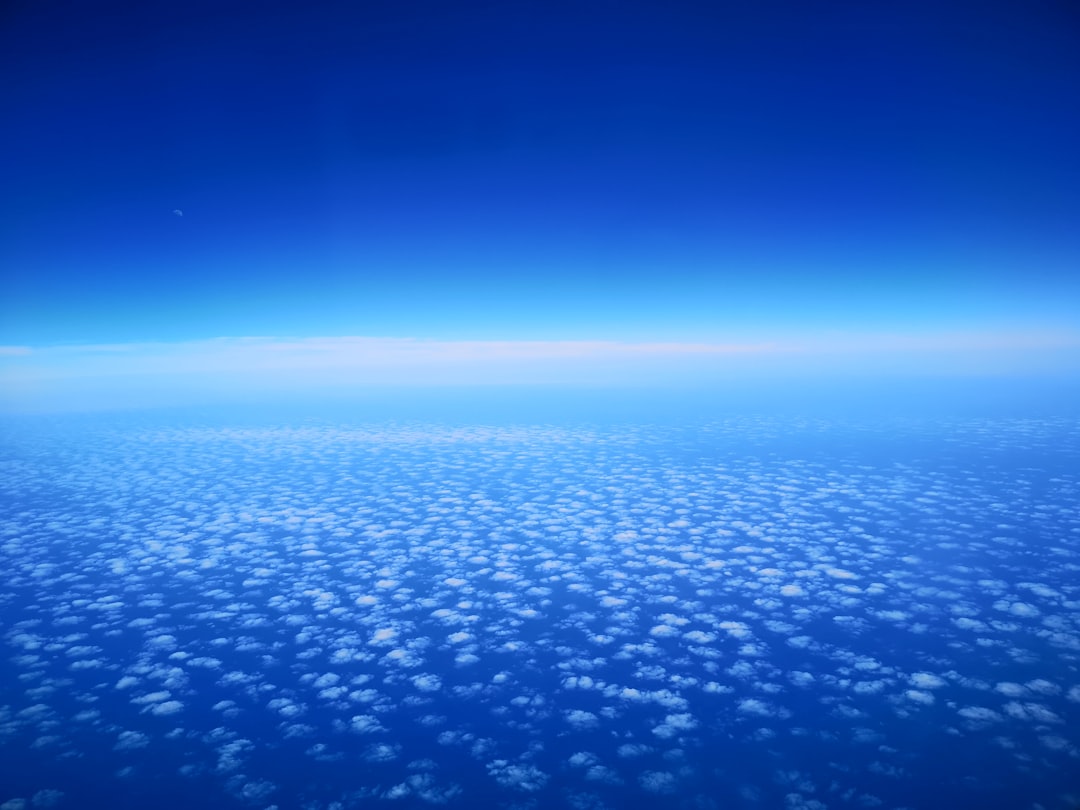
Ozone depletion has emerged as a significant environmental concern over the past few decades, drawing attention from scientists, policymakers, and the general public alike. The ozone layer, a thin shield of ozone molecules located in the stratosphere, plays a crucial role in protecting life on Earth by absorbing the majority of the sun’s harmful ultraviolet (UV) radiation. As human activities have led to the thinning of this protective layer, the consequences have become increasingly evident.
The relationship between ozone depletion and increased UV radiation exposure is complex and multifaceted, with implications that extend beyond mere environmental degradation. The urgency of addressing ozone depletion cannot be overstated. As the ozone layer continues to thin, the amount of UV radiation reaching the Earth’s surface increases, leading to a cascade of adverse effects on human health, ecosystems, and climate.
Understanding the intricacies of this issue is essential for developing effective strategies to mitigate its impact. This article will explore the importance of the ozone layer, the causes and effects of its depletion, and the international efforts aimed at reversing this troubling trend.
Key Takeaways
- The ozone layer protects Earth from harmful UV radiation, which increases due to ozone depletion.
- Human activities releasing CFCs and other chemicals are primary causes of ozone layer damage.
- Increased UV exposure leads to higher risks of skin cancer, eye damage, and health issues.
- Ozone depletion negatively affects marine ecosystems and disrupts environmental balance.
- Global agreements like the Montreal Protocol aim to reduce ozone-depleting substances and protect the atmosphere.
Understanding the Ozone Layer and its Importance
The ozone layer is primarily composed of ozone (O3) molecules and is situated approximately 10 to 30 miles above the Earth’s surface. This layer acts as a natural barrier, absorbing about 97% to 99% of the sun’s harmful UV radiation. Without this protective shield, life on Earth would face severe challenges, as increased UV exposure can lead to a range of detrimental effects on both human health and the environment.
The ozone layer is not only vital for protecting living organisms but also plays a significant role in regulating the Earth’s climate. In addition to its protective functions, the ozone layer contributes to various atmospheric processes that influence weather patterns and climate stability. By absorbing UV radiation, it helps maintain temperature gradients in the stratosphere, which in turn affects wind patterns and precipitation.
The health of the ozone layer is thus intricately linked to broader environmental systems, making its preservation essential for sustaining life on Earth.
Causes of Ozone Depletion
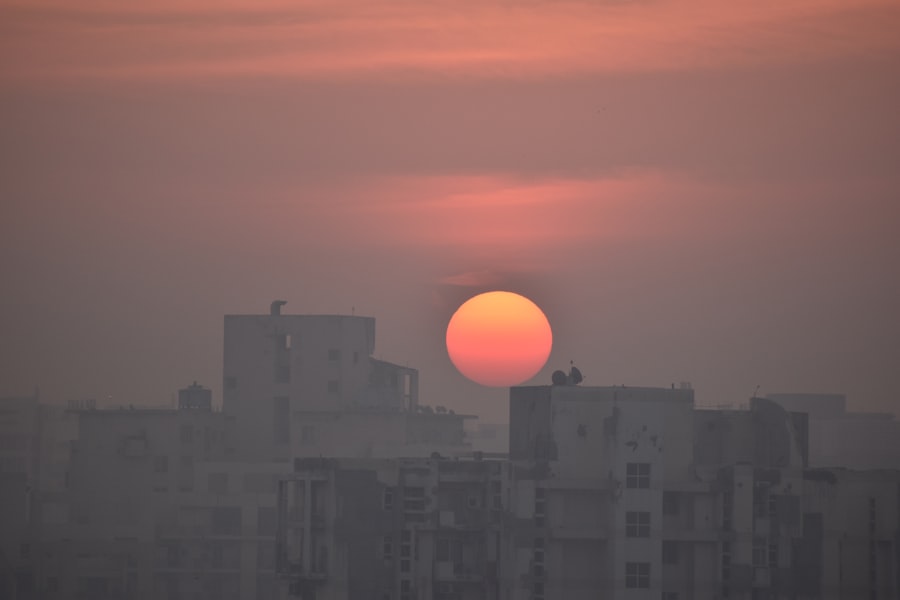
The primary culprits behind ozone depletion are human-made chemicals known as chlorofluorocarbons (CFCs), halons, and other ozone-depleting substances (ODS). These compounds were widely used in refrigeration, air conditioning, aerosol propellants, and foam-blowing agents due to their stability and effectiveness. However, when released into the atmosphere, these chemicals eventually rise to the stratosphere, where they are broken down by UV radiation, releasing chlorine and bromine atoms that catalyze the destruction of ozone molecules.
In addition to CFCs and halons, other factors contribute to ozone depletion. For instance, nitrous oxide emissions from agricultural practices and industrial processes also play a role in thinning the ozone layer. Natural phenomena such as volcanic eruptions can release large amounts of sulfur dioxide into the atmosphere, which can further exacerbate ozone depletion.
The interplay between these various factors highlights the complexity of addressing this environmental challenge.
Effects of Ozone Depletion on Human Health
The thinning of the ozone layer has profound implications for human health. Increased exposure to UV radiation is linked to a higher incidence of skin cancers, including melanoma and non-melanoma types. The World Health Organization estimates that for every 1% decrease in ozone levels, there is a corresponding increase in skin cancer cases by approximately 2%.
This alarming statistic underscores the urgent need for protective measures against UV exposure. Moreover, UV radiation can also have detrimental effects on eye health. Prolonged exposure can lead to cataracts, a condition that clouds the lens of the eye and can result in vision impairment or blindness if left untreated.
Additionally, UV radiation can suppress the immune system, reducing the body’s ability to fend off infections and diseases. As such, the health risks associated with ozone depletion extend beyond skin cancer and eye damage, posing a significant threat to public health.
Impact of UV Radiation on the Environment
| Metric | Description | Typical Values | Impact on UV Radiation |
|---|---|---|---|
| Ozone Concentration | Amount of ozone in the stratosphere, measured in Dobson Units (DU) | 220-350 DU (normal), < 220 DU (depleted) | Lower ozone concentration increases UV-B radiation reaching Earth’s surface |
| UV-B Radiation Intensity | Ultraviolet B radiation intensity at Earth’s surface, measured in mW/m² | 0.1 – 1.0 mW/m² (varies with ozone levels) | Increases as ozone layer thins, leading to higher biological damage risk |
| Ozone Hole Size | Area of significant ozone depletion over Antarctica, measured in million km² | 10-25 million km² during peak depletion (September – November) | Large ozone holes allow more UV radiation to penetrate polar regions |
| UV Index | Scale measuring strength of sunburn-producing UV radiation at surface | 0 (low) to 11+ (extreme) | Higher UV index correlates with increased UV radiation due to ozone depletion |
| Chlorofluorocarbon (CFC) Concentration | Atmospheric concentration of ozone-depleting substances, measured in ppt (parts per trillion) | Peak ~1000 ppt in late 20th century, declining due to regulations | Higher CFC levels accelerate ozone depletion, increasing UV radiation exposure |
The environmental consequences of increased UV radiation due to ozone depletion are far-reaching. Ecosystems across the globe are affected as UV rays penetrate deeper into aquatic environments, disrupting food chains and altering species interactions. Phytoplankton, which forms the foundation of marine food webs, is particularly vulnerable to UV radiation.
A decline in phytoplankton populations can have cascading effects on marine life, impacting fish populations and other organisms that rely on these microscopic plants for sustenance. Terrestrial ecosystems are not immune either; increased UV exposure can harm plant growth and development. Many plants rely on specific light wavelengths for photosynthesis and growth regulation.
Elevated UV levels can lead to reduced crop yields and diminished agricultural productivity, threatening food security in regions dependent on farming. The intricate balance of ecosystems is thus jeopardized by ozone depletion, highlighting the interconnectedness of environmental health and human well-being.
Increased Risk of Skin Cancer and Eye Damage
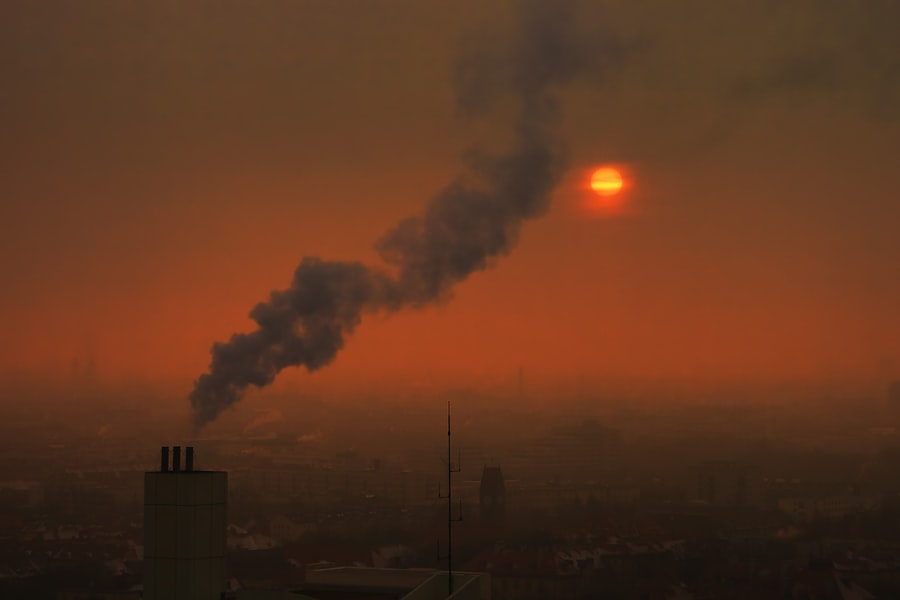
As previously mentioned, one of the most alarming consequences of ozone depletion is the increased risk of skin cancer among populations worldwide. Skin cancer rates have been rising steadily over recent decades, with experts attributing a significant portion of this increase to heightened UV exposure resulting from thinning ozone levels. Melanoma, one of the deadliest forms of skin cancer, has become particularly prevalent in regions with high UV radiation levels.
In addition to skin cancer, eye damage is another critical concern linked to increased UV exposure. Conditions such as cataracts and photokeratitis—often referred to as “snow blindness”—can result from excessive UV radiation reaching the eyes. These conditions not only affect individuals’ quality of life but also place a burden on healthcare systems as they require medical intervention and treatment.
The implications for public health are profound, necessitating increased awareness and preventive measures against UV exposure.
Effects on Marine Life and Ecosystems
The impact of ozone depletion extends significantly into marine ecosystems. Increased UV radiation can adversely affect various marine organisms, particularly those at the base of the food chain. Phytoplankton populations are particularly sensitive to UV exposure; even small increases in UV levels can lead to reduced growth rates and altered reproductive patterns.
Given that phytoplankton serves as a primary food source for many marine species, any decline in their populations can have far-reaching consequences throughout marine food webs. Furthermore, studies have shown that increased UV radiation can affect coral reefs, which are vital ecosystems that support diverse marine life. Coral bleaching—a phenomenon where corals expel their symbiotic algae due to stress—can be exacerbated by elevated UV levels.
This not only threatens coral health but also endangers countless species that depend on coral reefs for habitat and sustenance. The intricate relationships within marine ecosystems highlight how ozone depletion poses a significant threat to biodiversity.
Depletion of Vitamin D Levels
While increased UV radiation poses numerous health risks, it is essential to recognize that some exposure is necessary for human health—specifically for vitamin D synthesis. Vitamin D plays a crucial role in maintaining bone health and supporting immune function. However, as ozone depletion leads to heightened UV levels, individuals may be more cautious about sun exposure due to fears of skin cancer and other health issues.
This paradox creates a dilemma: while people may seek to protect themselves from harmful UV rays, they may inadvertently reduce their vitamin D levels due to decreased sun exposure. This deficiency can lead to various health problems, including weakened bones (osteoporosis) and compromised immune responses. Striking a balance between protecting oneself from harmful UV radiation while ensuring adequate vitamin D levels is essential for overall health.
Ozone Depletion and Climate Change
The relationship between ozone depletion and climate change is complex yet critical to understand. While ozone-depleting substances contribute directly to thinning the ozone layer, they also act as potent greenhouse gases that exacerbate global warming. CFCs and other ODS have a high global warming potential; their presence in the atmosphere contributes not only to ozone depletion but also to rising temperatures.
Conversely, climate change can influence ozone layer dynamics as well. Changes in temperature and atmospheric circulation patterns can affect how ozone is distributed in the stratosphere.
International Efforts to Address Ozone Depletion
Recognizing the urgent need to combat ozone depletion, international efforts have been mobilized over the past few decades. The Montreal Protocol, adopted in 1987, stands as a landmark agreement aimed at phasing out the production and consumption of ozone-depleting substances. This treaty has been remarkably successful; countries around the world have committed to reducing their use of CFCs and other harmful chemicals.
The success of the Montreal Protocol serves as a testament to what collective action can achieve in addressing global environmental challenges. As a result of these efforts, scientists have observed signs of recovery in the ozone layer over recent years—a hopeful indication that concerted action can yield positive outcomes for both human health and environmental sustainability.
Tips for Protecting Yourself from UV Radiation
As awareness grows regarding the risks associated with increased UV radiation due to ozone depletion, individuals can take proactive steps to protect themselves from harmful exposure. Wearing broad-spectrum sunscreen with an SPF of at least 30 is essential when spending time outdoors; reapplication every two hours is recommended for optimal protection. Additionally, donning protective clothing such as long sleeves and wide-brimmed hats can provide an extra layer of defense against UV rays.
Seeking shade during peak sunlight hours—typically between 10 a.m. and 4 p.m.—is another effective strategy for minimizing UV exposure. Furthermore, regular skin checks for unusual moles or changes in existing ones can aid in early detection of skin cancer.
By adopting these protective measures, individuals can enjoy outdoor activities while safeguarding their health against the adverse effects of increased UV radiation resulting from ozone depletion. In conclusion, understanding ozone depletion and its implications is crucial for safeguarding both human health and environmental integrity. Through collective action and individual responsibility, society can work towards preserving this vital protective layer while mitigating its adverse effects on health and ecosystems alike.
For a deeper understanding of the effects of ozone layer depletion and its connection to UV radiation, you can read more in this related article: Hey Did You Know This. This resource provides valuable insights into the ongoing challenges posed by ozone depletion and its impact on our environment and health.
WATCH THIS! 🌍 They Lied About When Earth Dies 🌍
FAQs
What is ozone depletion?
Ozone depletion refers to the gradual thinning and reduction of the ozone layer in the Earth’s stratosphere. This layer contains a high concentration of ozone (O3) molecules, which absorb most of the Sun’s harmful ultraviolet (UV) radiation.
What causes ozone depletion?
Ozone depletion is primarily caused by human-made chemicals called chlorofluorocarbons (CFCs), halons, and other ozone-depleting substances (ODS). These chemicals release chlorine and bromine atoms when broken down by UV light, which then destroy ozone molecules.
How does ozone depletion affect UV radiation?
As the ozone layer thins, it becomes less effective at absorbing UV-B radiation from the Sun. This leads to an increase in the amount of UV-B radiation reaching the Earth’s surface, which can have harmful effects on living organisms.
What are the effects of increased UV radiation on human health?
Increased exposure to UV-B radiation can cause skin cancer, cataracts, and other eye damage, as well as suppress the immune system. It can also accelerate skin aging and cause sunburn.
How does increased UV radiation impact the environment?
Higher levels of UV radiation can harm marine ecosystems by affecting plankton, which are the base of the aquatic food chain. It can also damage terrestrial plant life, reduce crop yields, and affect the health of animals.
What international efforts have been made to address ozone depletion?
The most significant international agreement is the Montreal Protocol, adopted in 1987, which aims to phase out the production and use of ozone-depleting substances. This treaty has been successful in reducing the emissions of harmful chemicals and promoting ozone layer recovery.
Is the ozone layer recovering?
Yes, thanks to global efforts like the Montreal Protocol, the ozone layer has been slowly recovering. However, full recovery is expected to take several decades due to the long atmospheric lifetimes of some ozone-depleting substances.
Can natural factors also affect the ozone layer?
Yes, natural phenomena such as volcanic eruptions and solar activity can influence ozone levels temporarily. However, the significant depletion observed since the mid-20th century is mainly due to human activities.
How can individuals help protect the ozone layer?
Individuals can help by avoiding products that contain or release ozone-depleting substances, supporting policies aimed at protecting the ozone layer, and using environmentally friendly alternatives to harmful chemicals.