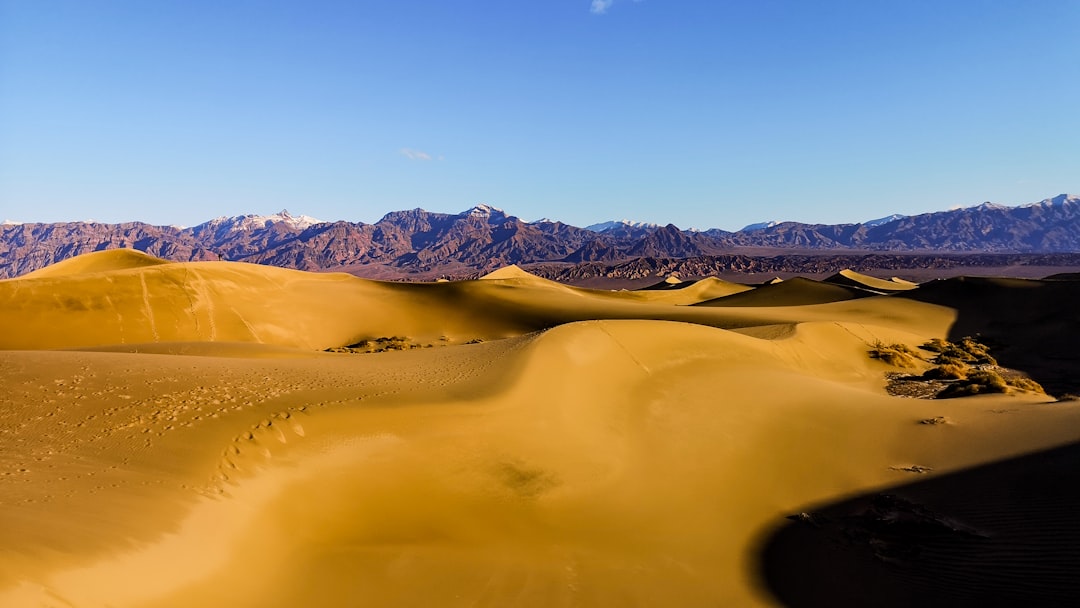
The construction industry relies heavily on concrete, a ubiquitous material fundamental to modern infrastructure. Its strength, durability, and versatility make it an indispensable component in buildings, bridges, roads, and countless other structures. The performance of concrete, however, is intricately linked to the quality of its constituent materials, particularly the aggregates – sand and gravel – that provide bulk and structural integrity. While river sand and quarry-sourced aggregates are commonly employed, the use of desert sand as a substitute presents a unique set of challenges and potential dangers, often overlooked in the pursuit of cost reduction or resource availability. This article will delve into the multifaceted dangers associated with incorporating desert sand into concrete mixes, examining its chemical composition, physical properties, and the detrimental effects it can have on the long-term performance and safety of concrete structures.
One of the most significant dangers posed by desert sand lies in its inherent chemical composition. Deserts are arid environments, and water, when it does exist, often carries dissolved salts. Over prolonged periods, these salts can accumulate within the sand particles.
Chloride Contamination: A Corrosive Menace
The most prevalent and damaging salt found in desert sand is chloride, typically in the form of sodium chloride (NaCl) or calcium chloride (CaCl2).
The Electrochemical Attack on Reinforcement
When concrete containing chloride-laden sand is exposed to moisture, these chlorides can migrate towards the embedded steel reinforcement. Steel, a vital component for tensile strength in reinforced concrete, is highly susceptible to corrosion. Chlorides act as catalysts, breaking down the passive protective oxide layer that naturally forms on steel in concrete. This electrochemical reaction leads to rust formation, which occupies a larger volume than the original steel.
Spalling and Cracking: The Visible Signs of Deterioration
The expansive pressure generated by the rusting steel exerts significant stress on the surrounding concrete. This can manifest as cracking, delamination, and ultimately, spalling – the chipping or breaking off of concrete pieces. Spalling not only compromises the aesthetic appeal of a structure but also exposes the reinforcement to further environmental degradation, accelerating the corrosion process and weakening the overall structural integrity.
Reduced Concrete Durability: A Long-Term Degradation
Beyond the direct attack on steel, high chloride concentrations can also negatively impact the cementitious matrix itself. Chlorides can interfere with the hydration process of cement, leading to incomplete strength development and reduced resistance to aggressive environmental conditions such as freeze-thaw cycles and sulfate attack.
Sulfate Attack: A Swelling Saboteur
Another chemical hazard present in some desert sands is sulfates, often in the form of gypsum (calcium sulfate dihydrate) or anhydrite (anhydrous calcium sulfate).
The Expansive Reaction with Cement Hydration Products
When concrete is hardened, the cement undergoes hydration, forming various calcium silicate hydrate (CSH) gels and calcium hydroxide (CH). Sulfates react with these hydration products, particularly calcium hydroxide and calcium aluminate hydrates, to form expansive compounds like ettringite and gypsum.
Internal Stress and Micro-cracking
The formation of these expansive products within the concrete matrix creates immense internal stresses. These stresses lead to micro-cracking, which can propagate over time, reducing the concrete’s tensile strength, permeability, and overall durability. Structures exposed to fluctuating moisture levels are particularly vulnerable to the damaging effects of sulfate attack initiated by desert sand.
Alkali-Silica Reaction (ASR): The Unforeseen Expansion
While less common than chloride or sulfate issues, some desert sands may contain reactive silica minerals, such as quartz or amorphous silica.
The Gel Formation and Expansion Mechanism
In the presence of moisture and alkalis (primarily from the cement), these reactive silica aggregates can react to form an alkali-silica gel. This gel absorbs water and swells, exerting pressure on the surrounding concrete.
Pattern Cracking and Structural Weakening
The expansion caused by ASR typically manifests as characteristic map-like or random cracking patterns on the concrete surface. Over time, this cracking can lead to significant loss of strength and stiffness, compromising the load-bearing capacity of the structure. The presence of soluble alkalis in the cement and sufficient moisture are crucial for ASR to occur, and in certain desert environments, these conditions can be met.
Desert sand is often considered unsuitable for concrete production due to its rounded grains and lack of angularity, which can lead to poor bonding and reduced strength in concrete mixes. For a deeper understanding of the challenges associated with using desert sand in construction, you can read a related article that discusses the implications and alternatives for concrete materials at Hey Did You Know This.
The Physical Imperfections: Aggregates of Doubt
The physical characteristics of desert sand often deviate significantly from those of conventional construction aggregates, leading to substantial performance and durability issues.
Particle Shape and Texture: The Foundation of Bond Failure
Desert sand particles are often formed through aeolian (wind) erosion. This process tends to create rounded and smooth particles, a stark contrast to the angular and rough textures of crushed stone or well-graded river sand.
Reduced Interlocking and Mechanical Interlock
The rounded nature of desert sand particles limits their ability to interlock with each other and with the cement paste. In concrete, the interlocking of aggregates provides a significant portion of the material’s strength and stability. When these particles are smooth and rounded, the mechanical bond between the aggregate and the cement paste is weaker, leading to a less cohesive and weaker concrete mix.
Poor Workability and Increased Cement Demand
The lack of interlocking and the tendency for rounded particles to roll over each other can result in poor workability of the fresh concrete. To achieve a workable mix, engineers may be tempted to increase the water content, which, as discussed later, negatively impacts strength and durability. Alternatively, higher cement content might be used to compensate for poor aggregate properties, increasing costs and potentially exacerbating other chemical issues like ASR due to higher alkali content.
Grading and Particle Size Distribution: The Void Problem
Effective concrete mixes rely on a well-graded aggregate blend, meaning a mix of different particle sizes. This optimal grading minimizes the void spaces between aggregates, allowing for better packing and a more efficient use of cement. Desert sands, however, often exhibit poor or uniform grading.
Inefficient Packing and Increased Voids
A poorly graded desert sand will have larger voids within the aggregate skeleton. These voids need to be filled with cement paste. An excessive void content necessitates a higher proportion of cement paste, which is the most expensive component of concrete. This not only increases the cost of the concrete but also leads to a weaker paste-to-aggregate ratio, potentially reducing overall strength.
Increased Permeability and Susceptibility to Ingress
Larger and more numerous voids within the concrete matrix created by poorly graded desert sand increase its permeability. This means that water, aggressive chemicals, and other harmful substances can more easily infiltrate the concrete. This ingress significantly accelerates degradation processes such as freeze-thaw damage, sulfate attack, and the corrosion of reinforcement.
Presence of Fine Dust and Impurities: The Binding Blockers
Desert sand often contains a higher proportion of fine dust, silt, and clay particles compared to quarried or river sands. These extraneous materials can have a detrimental effect on the performance of concrete.
Interference with Cement Hydration
Fine dust and clay particles can coat the surface of cement grains, hindering their proper hydration. This leads to slower strength development and potentially lower ultimate strength. The film of dust can prevent the cement particles from fully interacting with water, a critical element for the chemical reactions that form hardened concrete.
Reduced Adhesion Between Aggregate and Paste
These fine impurities also act as a barrier to the bond between the aggregate particles and the cement paste. The weak interface created by the dust significantly reduces the tensile strength of the concrete and its resistance to abrasion and wear.
Water Content Implications: The Dilution of Strength
The desire to use readily available desert sand can sometimes be coupled with a disregard for the critical role of water in concrete mix design. The water-to-cement (w/c) ratio is paramount in determining the strength and durability of concrete.
Increased Water for Workability: A False Economy
As previously mentioned, the poor shape and grading of desert sand often lead to a less workable fresh concrete mix. To overcome this, a common temptation is to increase the water content.
Debilitating Effect on Strength
Any increase in the w/c ratio above the optimal level leads to a significant reduction in concrete strength. The excess water creates larger capillary pores within the hardened cement paste, weakening the structure. A higher w/c ratio directly correlates to lower compressive and tensile strength, making the concrete less capable of bearing loads.
Enhanced Permeability and Durability Degradation
Increased water content also results in higher permeability. The larger pore network allows for easier ingress of moisture and aggressive agents, accelerating various deterioration mechanisms. This creates a vicious cycle: to make the inherently problematic desert sand workable, more water is added, which in turn makes the resulting concrete weaker and more susceptible to attack.
Inadequate Washing and Curing: Missed Opportunities for Improvement
Even if some quality control is attempted, the effectiveness of basic site practices can be compromised with desert sand.
Insufficient Washing to Remove Contaminants
Thorough washing of desert sand is crucial to remove soluble salts, fine dust, and organic matter. However, in many pragmatic applications, especially in remote desert construction, this washing process may be inadequate or entirely omitted due to logistical constraints or cost-saving measures.
Compromised Curing and Strength Development
Proper curing, the process of maintaining adequate moisture and temperature for a specific period after placement, is essential for complete cement hydration and strength development. If desert sand has introduced excessive impurities or salts that hinder hydration, or if the inadequate quantity of water in the mix is not replenished through effective curing, the concrete will not achieve its designed properties, leaving it inherently weaker and more prone to early failure.
Environmental and Sourcing Concerns: Beyond the Immediate Construction
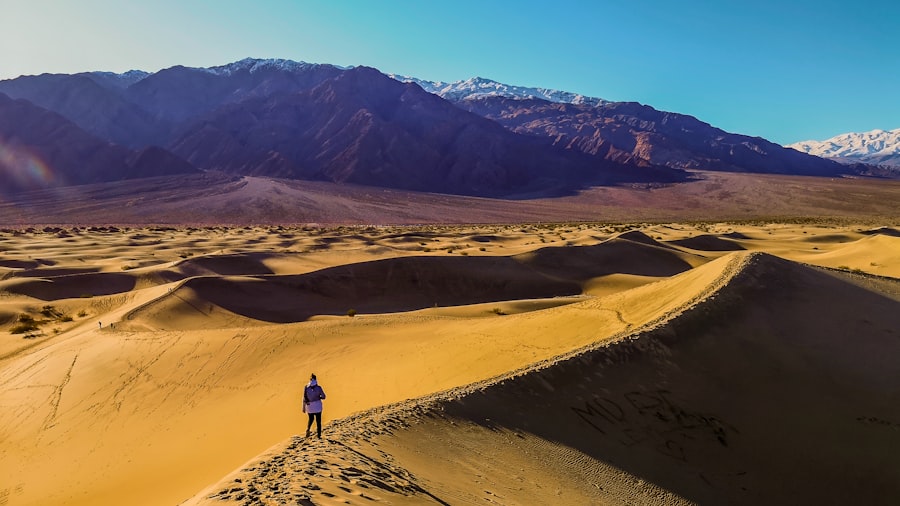
The decision to use desert sand extends beyond the immediate construction site, raising important environmental and long-term sustainability questions.
Ecological Impact of Sand Extraction: Disturbing Fragile Ecosystems
Desert ecosystems, while appearing barren, are incredibly fragile and support unique biodiversity. The large-scale extraction of sand, especially from sensitive dune formations, can have devastating ecological consequences.
Habitat Destruction and Biodiversity Loss
The removal of sand disrupts the natural habitats of desert flora and fauna. Specialized plants that anchor themselves in the sand, as well as the numerous insects, reptiles, and birds that depend on these environments, can be displaced or face extinction due to habitat destruction.
Alteration of Natural Landscapes and Wind Patterns
Dunes play a crucial role in the desert’s landscape and wind patterns. Their removal can lead to increased erosion, changes in local microclimates, and the potential for sand encroachment into adjacent areas, further impacting vegetation and infrastructure.
Resource Depletion and Unsustainable Practices: A Short-Sighted Solution
While desert sand may appear abundant, its extraction for widespread construction use represents a unsustainable practice.
Non-Renewable Resource Exploitation
Desert sands are, in essence, a geological resource that replenishes at an exceedingly slow rate. Large-scale extraction for an industry that demands vast quantities of aggregate is essentially an exploitation of a finite, non-renewable resource.
Potential for Future Water Scarcity and Competition
In some arid regions, desert sands can act as natural aquifers, storing and filtering precious groundwater. Their extraction can disrupt these natural water cycles, potentially exacerbating water scarcity issues for both human consumption and ecological needs. This can lead to competition for resources in already water-stressed areas.
Health Hazards for Construction Workers: Airborne Dangers
The handling and processing of desert sand can pose direct health risks to construction workers.
Respiratory Illnesses from Fine Dust Inhalation
Desert sand often contains very fine dust particles. When dry, this dust can become airborne, leading to occupational respiratory issues such as silicosis and other lung diseases if workers are not adequately protected with appropriate personal protective equipment (PPE) like respirators.
Skin and Eye Irritation
The abrasive nature of sand particles, coupled with their potential chemical composition, can cause skin irritation and severe eye discomfort or damage if proper eye protection is not worn.
Using desert sand in concrete can lead to significant structural issues due to its rounded grains and high salt content, which can weaken the overall integrity of the mix. For a deeper understanding of the challenges associated with using different types of sand in construction, you can explore this informative article on the topic. It provides insights into why certain sands are preferable over others and the implications for building materials. To read more, visit this article.
Mitigation Strategies and Responsible Alternatives: Paving a Safer Path Forward
| Reasons why desert sand is bad for concrete |
|---|
| 1. Rounded grains: Desert sand has rounded grains which do not provide good interlocking and reduce the strength of concrete. |
| 2. Poor grading: Desert sand often has poor grading, leading to a higher void content in concrete and reduced durability. |
| 3. High silt content: Desert sand contains high silt content which can lead to a weaker bond between the sand and cement in concrete. |
| 4. Lack of fines: Desert sand lacks fines, which are essential for filling the voids and improving the workability of concrete. |
| 5. Increased water demand: Desert sand requires more water to achieve the desired workability, leading to a higher water-cement ratio and reduced strength. |
While the dangers of desert sand in concrete are significant, acknowledging them is the first step towards implementing responsible construction practices and seeking viable alternatives.
Strict Quality Control and Testing: The Non-Negotiable Baseline
For any construction project, regardless of the source of aggregates, stringent quality control measures are paramount.
Material Characterization and Performance Testing
This includes comprehensive testing of desert sand for its chemical composition (chlorides, sulfates, alkalis), physical properties (shape, grading, cleanliness), and its impact on concrete performance (strength, durability, workability). Standardized tests like those outlined by ASTM or relevant national bodies should be religiously applied.
Compliance with Building Codes and Standards
Ensuring that the use of any aggregate material, including desert sand, complies with local and international building codes and material standards is essential. These codes are designed to ensure the safety and longevity of structures.
Advanced Treatment and Processing: Enhancing Usability with Caution
Several methods can be employed to mitigate some of the negative properties of desert sand, though their effectiveness and economic viability must be carefully considered.
Thorough Washing and Sieving
Rigorous washing processes can help remove soluble salts and fine dust. Multiple stages of washing and subsequent sieving to achieve a more desirable particle size distribution can improve the sand’s characteristics for concrete production.
Blending with Higher Quality Aggregates
Mixing desert sand with well-graded, clean aggregates like river sand or crushed stone can dilute the negative effects of the desert sand. A carefully calculated blend can help optimize particle packing, improve workability, and reduce the overall proportion of problematic material.
Prioritizing Sustainable Sourcing and Material Selection: The Long-Term Vision
The most effective approach to mitigate the dangers of desert sand is to proactively seek and utilize more suitable and sustainable alternatives.
Utilization of River Sand and Crushed Stone
Where geographically feasible and economically viable, prioritizing the use of river sand and crushed stone aggregates that meet quality standards is the most prudent choice. These materials generally possess better physical properties and a lower risk of chemical contamination.
Research and Development of Novel Aggregates
Ongoing research into alternative and recycled aggregates, such as crushed concrete, slag, or specially processed industrial by-products, offers promising avenues for reducing reliance on traditional, and potentially problematic, sources.
Education and Training for Engineers and Contractors
A critical aspect of ensuring safe and durable concrete construction lies in the knowledge and awareness of professionals involved.
Disseminating Information on Aggregate Quality
Educating engineers, architects, contractors, and site supervisors about the inherent risks associated with different types of aggregates, particularly desert sand, is crucial. This knowledge empowers them to make informed decisions and advocate for the use of appropriate materials.
Promoting Best Practices in Mix Design and Quality Control
Training programs should emphasize the fundamentals of concrete technology, including the critical importance of w/c ratio, aggregate grading, and proper curing, and how these factors are impacted by the quality of the sand used.
In conclusion, while the allure of readily available desert sand may present itself as a cost-effective solution, the potential dangers it introduces into concrete construction are substantial and far-reaching. From the insidious chemical attacks on reinforcement and the underlying cement matrix to the physical deficiencies that compromise structural integrity, desert sand poses a significant threat to the longevity and safety of built environments. Furthermore, the environmental and health repercussions associated with its extraction and use cannot be ignored. A responsible approach to construction demands a thorough understanding of these risks and a steadfast commitment to utilizing high-quality, tested aggregates, prioritizing sustainable sourcing, and embracing rigorous quality control measures to ensure the creation of truly durable and safe infrastructure. The long-term consequences of using substandard materials, particularly in critical infrastructure, far outweigh any short-term economic gains.
FAQs
1. Why is desert sand bad for concrete?
Desert sand is composed of rounded grains that are too smooth to properly interlock, resulting in a weaker concrete mixture with reduced strength and durability.
2. How does desert sand differ from other types of sand for concrete production?
Desert sand differs from other types of sand, such as river or beach sand, in its composition and shape. Desert sand grains are typically round and smooth, lacking the angular edges and rough texture needed for strong concrete.
3. What are the consequences of using desert sand in concrete production?
Using desert sand in concrete production can lead to concrete with reduced strength, increased porosity, and decreased durability. This can result in a higher likelihood of cracking and a shorter lifespan for concrete structures.
4. Can desert sand be used for any construction purposes?
Desert sand is not suitable for concrete production, but it can be used for other construction purposes such as landscaping, filling, and non-structural applications where the strength of concrete is not required.
5. What alternatives are available for concrete production in regions with limited access to suitable sand?
Alternatives to desert sand for concrete production include using crushed rock, manufactured sand, or importing sand from other regions with suitable sand for concrete production. Additionally, recycling and reusing concrete materials can help reduce the demand for new sand.