The Cost of Virgin Plastic vs Recycled: Why the Price Gap?
You’ve likely seen the price tags. When you pick up a product made from recycled plastic, you might notice it’s subtly, or sometimes significantly, cheaper than its virgin plastic counterpart. This price difference isn’t an accident; it’s a direct reflection of the complex journey plastics take from raw materials to finished goods. Understanding this gap requires delving into the economics of extraction, manufacturing, and the inherent limitations and advantages of both virgin and recycled materials.
The initial cost of any plastic material is inextricably linked to its origin. Virgin plastic, by definition, is derived directly from fossil fuels. This process, though automated and efficient, involves substantial upfront investment and ongoing operational costs.
Fossil Fuel Extraction and Refinement
- Upstream Challenges: The journey begins with the extraction of crude oil and natural gas. These are finite resources, and their extraction often involves significant geological surveys, drilling operations, and complex infrastructure. Market fluctuations in oil and gas prices directly impact the cost of virgin plastic. Geopolitical factors, supply and demand dynamics, and the cost of energy required for extraction all contribute to this base price.
- Upgrading to Naphtha: The raw extracted hydrocarbons are then refined, with a key intermediate being naphtha. Naphtha is a feedstock primarily derived from the distillation of crude oil or natural gas. Its production is a crucial, energy-intensive step in the chain that leads to plastics. The efficiency of the refinery, the cost of energy utilized, and the global demand for naphtha as a petrochemical feedstock all play a role in its price.
- Cracking and Polymerization: Naphtha is then subjected to a process called steam cracking. This high-temperature process breaks down larger hydrocarbon molecules into smaller ones, such as ethylene and propylene. These monomers are the building blocks for many common plastics. The cracked components are then polymerized – a chemical process where monomers are linked together to form long chains, creating the plastic resins you see commercialized. Each of these steps requires precise temperature and pressure control, specialized equipment, and significant energy input. The capital expenditure for building and maintaining these facilities, along with the continuous operational costs, are factored into the price of virgin plastic resin.
The Cost of Purity and Consistency
Virgin plastic offers a level of purity and consistency that is difficult and expensive to replicate with recycled materials. Manufacturers value this because it ensures predictable performance, appearance, and chemical properties in their final products.
- Predictable Properties: When a manufacturer specifies a certain grade of polyethylene or polypropylene, they expect it to behave in a particular way during molding, extrusion, or other manufacturing processes. Virgin resins are engineered to meet these stringent specifications with very little variation. This predictability reduces waste during manufacturing and minimizes the risk of product failure.
- Low Contamination Risk: Virgin plastic starts from a clean slate. There are no legacy additives from previous products, no residues from food or other materials, and no degradation from previous use. This purity is especially critical in industries like food packaging and medical devices, where contamination can have serious consequences. The assurance of this purity comes at a premium.
- Color and Transparency Control: Achieving exact colors and levels of transparency in plastic products is another area where virgin materials have an advantage. The pigments and additives used in virgin plastic production are precisely controlled, allowing for a consistent and reproducible visual outcome. While colorants can be added to recycled plastics, matching the exact shade and ensuring uniformity across batches can be more challenging and may require more sophisticated processing.
The economic disparity between virgin plastic and recycled plastic is a topic of significant interest, particularly in the context of environmental sustainability. A related article that delves into this issue can be found at Hey Did You Know This, where it explores the factors contributing to the lower cost of virgin plastic, such as the abundance of raw materials and the efficiency of production processes. Understanding these dynamics is crucial for developing strategies to promote the use of recycled materials in various industries.
The Recycled Realm: A Different Economic Landscape
Recycled plastic, on the other hand, does not begin its life by being pulled from the earth. Its genesis involves collecting, sorting, and processing materials that have already served a purpose. This creates a different set of economic considerations.
Collection and Sorting: The Foundation of Recycling
The cost of recycled plastic is heavily influenced by the efficiency and effectiveness of the recycling infrastructure.
- Collection Infrastructure Costs: Setting up and maintaining a robust collection system is a significant logistical challenge. This includes public awareness campaigns to encourage recycling, the provision of bins and collection vehicles, and the labor required to sort materials at the curb or at collection points. These costs are often subsidized by municipalities or passed on through waste management fees.
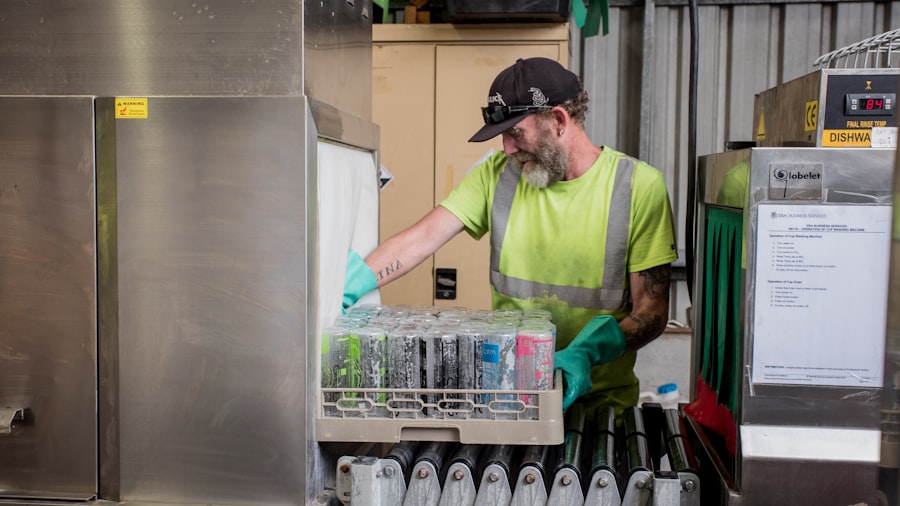
- Sorting Technology and Labor: Once collected, plastic waste must be sorted. This is a multi-stage process that can involve manual labor and sophisticated automated systems. Optical sorters, eddy current separators, and density separators are employed to differentiate between various types of plastics (PET, HDPE, PP, etc.) and to remove contaminants like paper, metal, and glass. The capital cost of this technology, as well as the ongoing wages for skilled operators and sorters, contribute to the overall price of sorted plastic.
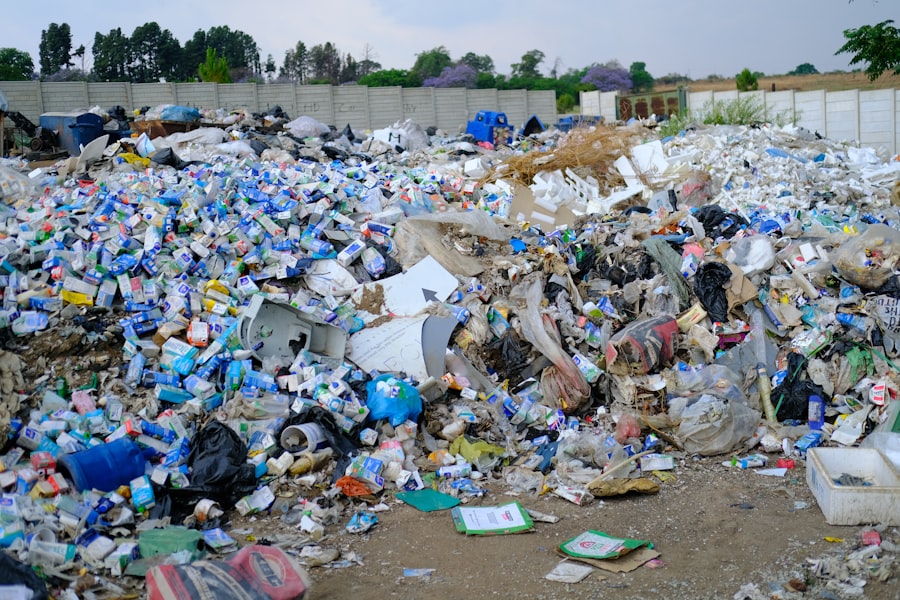
- Contamination as a Cost Driver: The degree of contamination in collected plastic is a primary cost driver for recyclers. Food residues, labels, adhesives, and incompatible plastic types can all compromise the quality of the recycled material. Extensive sorting and cleaning are required to mitigate these issues, adding time and expense to the process. Higher contamination rates translate to higher processing costs and, consequently, higher prices for the resulting recycled resin, or sometimes, the unusable material is simply discarded, a cost in itself.
Processing: From Waste to Resin Pellets
Transforming sorted plastic waste into usable resin pellets involves several steps, each with its own associated costs.
- Washing and Shredding: Collected plastics are typically washed thoroughly to remove dirt, debris, and any remaining residues. This is followed by shredding or grinding the plastic into smaller flakes. These processes require specialized machinery and consume water and energy.
- Melting and Extrusion: The washed and shredded plastic flakes are then melted down and extruded into pellets. This is where the plastic is transformed back into a form that can be used by manufacturers. The extrusion process requires specialized machinery, energy, and skilled operators. The quality of the resultant pellets depends heavily on the purity of the input material and the precision of the extrusion process.
- Degradation and Additives: A key challenge with recycled plastics is that they have already undergone some degree of degradation from their initial use. This can affect their mechanical properties, such as strength and flexibility. To compensate for these changes, manufacturers often need to add virgin plastic or specialized additives to the recycled material. These additives can help restore lost properties, improve UV resistance, or enhance color consistency, but they also add to the cost of the final recycled resin.
The Influence of Market Dynamics
Beyond the intrinsic costs of production, broader market forces significantly shape the price differential between virgin and recycled plastics.
Supply and Demand Volatility
- Demand for Virgin Plastic: The demand for virgin plastic is historically high, driven by its consistent quality and established supply chains. When oil prices are low, the cost of producing virgin plastic decreases, making it a more attractive option for many manufacturers. Conversely, spikes in oil prices can temporarily narrow the gap.
- Demand for Recycled Plastic: The demand for recycled plastic is more nuanced and often influenced by external factors. Government regulations, corporate sustainability commitments, and consumer preference for eco-friendly products can all boost demand. However, if the supply of high-quality recycled material cannot keep pace with this demand, prices can rise. Conversely, if supply outstrips demand, prices can fall.
- Global Economic Conditions: Broader economic downturns can affect both virgin and recycled plastic markets. A slowdown in manufacturing across various sectors can reduce overall demand for plastics, potentially leading to lower prices for both.
Policy and Incentives
- Government Subsidies and Mandates: Governments play a crucial role in influencing the recycled plastic market. Subsidies for recycling infrastructure, tax credits for using recycled content, and mandates for minimum recycled content in certain products can artificially lower the cost of recycled plastic or increase its demand, thereby narrowing the price gap.
- Extended Producer Responsibility (EPR): EPR schemes, where producers are made responsible for the end-of-life management of their products, can incentivize the use of recycled content. If it becomes more costly for a company to manage the waste of virgin plastic products, they may favor recycled alternatives. Conversely, a lack of robust waste management policies can leave the burden on recyclers, potentially increasing their costs and widening the price gap.
Performance and Application: Where Costs Align (or Diverge)
The intended application of the plastic plays a critical role in determining whether the price difference is acceptable or prohibitive.
High-Performance Applications
- Stringent Requirements: Industries like automotive, aerospace, and high-end electronics often require plastics with very specific mechanical properties, extreme temperature resistance, or exceptional chemical inertness. Virgin plastics, with their controlled purity and predictable performance, are often the only viable option for these demanding applications. The higher cost of virgin material is justified by the critical nature of the product and the consequences of failure.
- Specialized Additives: In some cases, achieving the required performance in a recycled plastic might necessitate the addition of expensive virgin plastic or specialized performance-enhancing additives. This can significantly increase the cost of the recycled material, blurring the price advantage.
Everyday Consumer Goods
- Balancing Cost and Functionality: For many everyday consumer goods, such as bottles, containers, and some packaging, the performance requirements are less stringent. In these instances, high-quality recycled plastic can often perform as well as virgin plastic at a lower cost. This is where the price gap becomes a significant driver for manufacturers to choose recycled materials.
- Brand Perception: While cost is a major factor, brand perception can also influence decisions. Companies aiming for a strong sustainability image may actively choose recycled content, even if it means a slightly higher cost or a marginal difference in performance, provided it aligns with their brand values and meets basic functionality requirements.
The ongoing debate about the cost differences between virgin plastic and recycled materials has garnered significant attention in recent years. Many factors contribute to why virgin plastic remains cheaper, including the complexities of the recycling process and fluctuating oil prices. For a deeper understanding of this issue, you can explore a related article that delves into the economic implications of plastic production and recycling. This insightful piece can be found here, providing valuable context on the challenges faced by the recycling industry.
The Future Outlook: Closing the Gap?
| Reasons | Explanation |
|---|---|
| Lower production cost | Virgin plastic production requires less sorting and processing compared to recycled plastic, leading to lower production costs. |
| Higher demand for virgin plastic | Many industries prefer virgin plastic due to its consistent quality and properties, leading to higher demand and lower prices. |
| Subsidies and incentives | In some regions, government subsidies and incentives may make virgin plastic production more cost-effective than using recycled materials. |
| Economies of scale | Large-scale production of virgin plastic may benefit from economies of scale, reducing the cost per unit compared to smaller-scale recycled plastic production. |
The economic landscape of plastic is constantly evolving. Several trends suggest the price gap between virgin and recycled plastic may continue to shift.
Technological Advancements in Recycling
- Chemical Recycling: Emerging technologies in chemical recycling, such as pyrolysis and depolymerization, aim to break down plastics to their original molecular monomers or chemical components. This process has the potential to produce recycled plastics that are virtually indistinguishable from virgin materials, potentially eliminating the performance limitations and thus the price disparity. However, these technologies are still largely in development and face significant scaling and economic challenges.
- Improved Sorting and Cleaning: Continuous innovation in sorting technology, including AI-powered sorting systems and advanced purification techniques, is reducing contamination and improving the quality of recycled plastic. As these technologies become more widespread and efficient, the cost of producing high-quality recycled resin is expected to decrease.
Policy Shifts and Investor Pressure
- Circular Economy Initiatives: A growing global focus on the circular economy, where materials are kept in use for as long as possible, is driving policy changes. Stricter regulations on virgin plastic production, increased taxes on virgin materials, and more robust requirements for recycled content are likely to make virgin plastic more expensive and recycled plastic more competitive.
- Corporate Sustainability Goals: Major corporations are setting ambitious sustainability targets, including increasing their use of recycled content. This growing demand will likely incentivize investment in recycling infrastructure and technology, further driving down the cost of recycled materials and narrowing the price gap. Investor scrutiny on environmental, social, and governance (ESG) factors also pushes companies towards more sustainable material choices.
In conclusion, the price gap between virgin and recycled plastic is a multifaceted issue rooted in the fundamental economics of extraction, processing, and market dynamics. While virgin plastic benefits from established supply chains and inherent purity, its reliance on finite fossil fuels and the associated extraction costs keep its price tethered to volatile energy markets. Recycled plastic, while offering environmental advantages, faces hurdles in collection, sorting, and processing due to contamination and material degradation. However, as technology advances and policy landscapes shift towards a more circular economy, the economic playing field for plastics is beginning to level, suggesting a future where the cost of recycled materials becomes increasingly competitive, if not preferential.
FAQs
1. Why is virgin plastic cheaper than recycled plastic?
Virgin plastic is cheaper than recycled plastic because the production process for virgin plastic is less complex and requires fewer resources. Additionally, the demand for virgin plastic is higher, leading to economies of scale and lower production costs.
2. What are the factors that contribute to the cost difference between virgin and recycled plastic?
The cost difference between virgin and recycled plastic can be attributed to the collection, sorting, cleaning, and processing of recycled plastic, which requires additional resources and energy. In contrast, virgin plastic is produced directly from raw materials with less processing involved.
3. Does the quality of virgin plastic differ from recycled plastic?
In terms of quality, virgin plastic is often considered to be more consistent and reliable compared to recycled plastic. This is because recycled plastic may contain impurities or variations in composition due to the recycling process.
4. Are there any environmental benefits to using recycled plastic despite the cost difference?
Yes, using recycled plastic has environmental benefits such as reducing the demand for raw materials, conserving energy, and decreasing the amount of plastic waste in landfills and oceans. These benefits contribute to the overall sustainability of using recycled plastic.
5. What are some strategies to make recycled plastic more cost-competitive with virgin plastic?
Some strategies to make recycled plastic more cost-competitive with virgin plastic include investing in more efficient recycling technologies, increasing the demand for recycled plastic products, and implementing policies or incentives to promote the use of recycled materials in manufacturing processes. Additionally, advancements in recycling infrastructure and consumer education can also help bridge the cost gap between virgin and recycled plastic.