You embark on a journey seeking a holistic approach to wellness, a path often paved with the allure of “natural cures.” You envision a life free from the side effects and complexities sometimes associated with conventional medicine, a life where your body’s innate healing powers are unlocked. But as you delve deeper, you begin to notice a recurring theme: the significant financial investment required for these treatments, not just in terms of direct costs, but in the broader context of your well-being and time. This is the often-unspoken price tag of pursuing natural cure trials, a costly endeavor that demands careful consideration.
Your first step into the realm of natural cures often begins with a consultation. This is where you meet the practitioner, the guide who will chart your individualized course. This initial meeting, however, is rarely a casual chat.
The Practitioner’s Expertise: Valuing Specialized Knowledge
The practitioners you encounter in this space often possess a unique set of skills and knowledge, honed through years of specialized training, often outside the mainstream medical establishment. Whether they are naturopaths, functional medicine physicians with a holistic bent, or practitioners of traditional Chinese medicine, their expertise comes at a price. You are paying for their in-depth understanding of how different natural substances interact with your body, their ability to interpret unconventional diagnostic tests, and their experience in crafting personalized treatment plans. Consider it akin to hiring a master artisan to craft a bespoke suit; the quality of the materials and the skill of the tailor are reflected in the final cost. This consultation fee can range from a few hundred dollars to significantly more, depending on the practitioner’s credentials and the clinic’s location.
Beyond the Initial Chat: The Breadth of Diagnostic Testing
Natural cure trials rarely rely solely on physical examination and self-reported symptoms. To truly understand the root cause of your ailment, practitioners often recommend a suite of diagnostic tests that can extend far beyond what your primary care physician might order.
Bloodwork: A Deeper Dive into Your Biochemistry
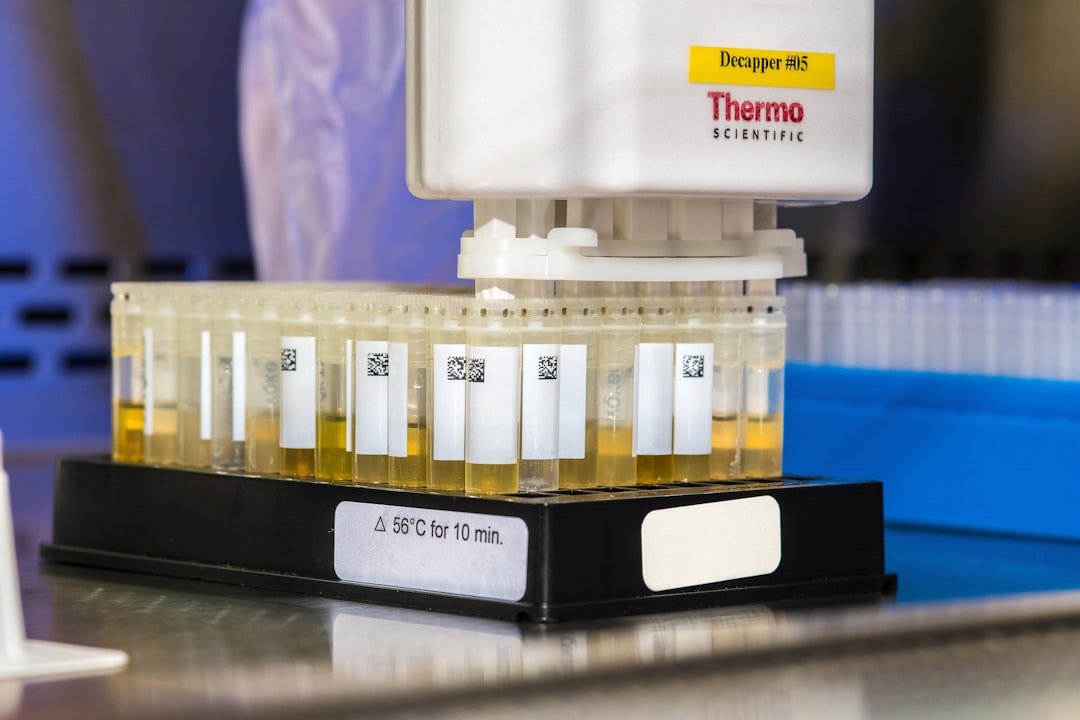
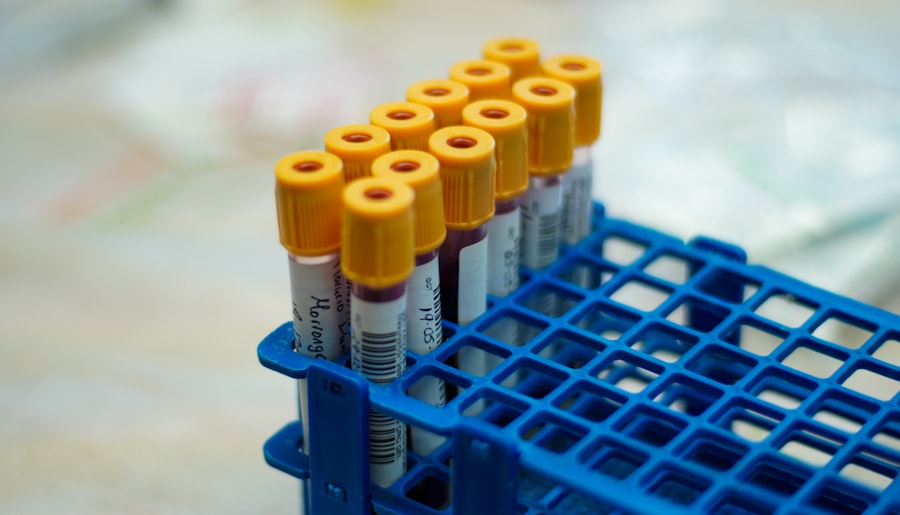
While standard blood panels are a given, natural cure practitioners often go further. You might find yourself undergoing extensive hormone panels, comprehensive nutritional status tests, and evaluations for various sensitivities, such as food intolerances or environmental allergies. These tests, designed to paint a detailed picture of your internal landscape, can cost hundreds, and sometimes, thousands of dollars. Each vial of blood drawn, each specialized assay performed, represents a tangible financial commitment.
Specialized Imaging and Functional Assessments
Depending on your condition, you may be advised to undergo specialized imaging techniques that go beyond X-rays or standard MRIs. This could include functional MRI, specific ultrasound protocols, or even detailed body composition analyses. Furthermore, functional assessments, which measure how well your organs and systems are working, might be part of the diagnostic process. Think of genetic testing, which can delve into predispositions and metabolic pathways, or gut microbiome analysis, providing a window into your digestive ecosystem. These advanced diagnostics, while offering invaluable insights, carry a significant financial burden, often not covered by standard health insurance.
The cost of randomized controlled trials (RCTs) for natural cures has become a significant topic of discussion in the field of alternative medicine. A related article that delves into this issue can be found at Hey Did You Know This, where it explores the financial implications and challenges associated with conducting RCTs for natural remedies. This resource provides valuable insights into the complexities of funding and executing these trials, shedding light on why many natural cures remain under-researched.
The Cost of the Elixir: Therapeutic Interventions and Supplements
Once the diagnostic puzzle pieces are assembled, the therapeutic phase of your natural cure trial begins. This is where you start implementing the recommended treatments, and this is often where the daily, or weekly, financial outlay becomes most apparent.
The Pharmacy of Nature: High-Quality Supplements
The cornerstone of many natural cure protocols lies in supplementation. You’ll be advised to take a variety of vitamins, minerals, herbs, and other bio-active compounds. The emphasis is often on “high-quality,” meaning pure, bioavailable, and ethically sourced products. This is a crucial distinction, as you are often paying a premium for potency and purity, avoiding fillers and artificial ingredients.
The Sheer Volume: A Cabinet Full of Bottles
What might start with a few basic supplements can quickly escalate into a veritable apothecary in your home. You might be taking multiple capsules at different times of the day, each serving its specific purpose in addressing deficiencies, supporting detoxification pathways, or bolstering immune function. The cost of these individual supplements, when multiplied by the number of products and the recommended dosages over weeks or months, can easily amount to hundreds of dollars per month. It’s a continuous drip, a steady stream of expenditure that requires consistent replenishment.
The Price of Purity: Why Quality Matters (and Costs)
You might question why some supplements are significantly more expensive than others. This is typically due to the sourcing of raw materials, the method of extraction and processing, and rigorous third-party testing to ensure purity and absence of contaminants. You are essentially paying for the assurance that what you are ingesting is what the label claims, without harmful additives or allergens. This commitment to quality is a significant factor in the overall cost.
Beyond Pills: Specialized Therapies and Procedures
Natural cures are not confined to oral supplements. You might be introduced to a range of hands-on therapies and more intensive procedures that contribute to the overall expense.
IV Therapies: Direct Nutrient Delivery
Intravenous (IV) therapies, designed for rapid and efficient delivery of vitamins, minerals, and amino acids directly into the bloodstream, are a common component of many natural cure protocols. While offering potential benefits for acute deficiencies or for enhancing detoxification, these treatments come with a substantial price tag per session. You are paying for the sterile environment, the skilled administration by a nurse or practitioner, and the cost of the high-dose nutrient cocktails themselves.
Detoxification Protocols: Purging the System
Comprehensive detoxification programs, designed to cleanse your body of accumulated toxins, can involve a combination of dietary changes, specific supplements, saunas, colon hydrotherapy, or even more specialized procedures. Each element of these protocols adds to the financial investment. Colon hydrotherapy, for instance, requires multiple sessions, and specialized saunas or infrared therapy can also incur recurring costs.
Chelation Therapy and Other Specialized Interventions
For certain conditions, you might be recommended more intensive interventions like chelation therapy, which aims to remove heavy metals from the body. This involves a series of IV infusions over an extended period and is a significant financial undertaking. Likewise, other specialized treatments, depending on the practitioner and the condition, can represent substantial one-time or recurring costs.
The Unseen Costs: Time and Opportunity
Beyond the direct monetary expenses, you must also account for the significant investment of your time and the opportunity costs associated with pursuing natural cure trials.
The Time Sink: Appointments and Self-Care Rituals
Your pursuit of natural cures often demands a substantial investment of your time. This begins with attending regular appointments with your practitioner, which can be frequent, especially in the initial stages of treatment. Beyond these scheduled meetings, you are likely dedicating significant time to implementing your treatment plan.
Preparing Meals and Adhering to Strict Diets
This can involve extensive meal preparation, adhering to specific dietary restrictions that require research, shopping for unique ingredients, and cooking from scratch. The time spent on these activities can be considerable, especially if you are transitioning to a completely new way of eating. What was once a quick grab-and-go meal now requires careful planning and execution.
Performing Home Therapies and Routines
Many natural cure protocols involve daily routines of self-care, such as taking multiple supplements at specific times, performing stretching or mindfulness exercises, or using specific at-home devices like infrared saunas or pulsating electromagnetic field (PEMF) mats. These “rituals” of wellness, while beneficial, consume valuable hours in your day.
The Opportunity Cost: What You Give Up
By dedicating your time and resources to natural cure trials, you are inherently foregoing other opportunities. This is the concept of opportunity cost, a fundamental economic principle.
Lost Income: Taking Time Off Work
If your treatment requires significant time away from your job, you may be experiencing a direct loss of income. This is particularly true if you are self-employed or work in a field with limited flexibility. Even with paid sick leave, extended absences can impact your financial stability.
Social and Recreational Sacrifices
Your commitment to this health journey might also mean sacrificing social engagements, hobbies, or recreational activities that you once enjoyed. The energy and time required for your treatment can leave little room for anything else, leading to a form of social or personal “opportunity cost.”
The Insurance Hurdle: Navigating the Reimbursement Maze
One of the most significant frustrations you will encounter is the often-limited coverage of natural cure treatments by conventional health insurance. This leaves you footing the bill for a large portion, if not the entirety, of the costs.
The “Alternative” Label: A Barrier to Coverage
Many insurance policies are designed to cover treatments deemed “medically necessary” and “evidence-based” within the framework of conventional medicine. Natural cures, due to their differing methodologies and sometimes less extensive large-scale clinical trials that meet traditional medical standards, are often categorized as “alternative” or “experimental,” thus falling outside the scope of standard reimbursement. You are essentially navigating a system that wasn’t built to accommodate your chosen path.
Limited Out-of-Network Benefits: A Partial Lifeline
While some insurance plans may offer limited out-of-network benefits, these are often modest and come with high deductibles and co-pays. This means you might still be responsible for a substantial portion of the practitioner’s fees or the cost of specialized treatments, even with a degree of insurance support. The lifeline offered is often more of a trickle than a steady stream.
The Burden of Pre-Authorization and Appeals: A Bureaucratic Gauntlet
Even when there’s a glimmer of hope for reimbursement, you may find yourself entangled in a complex web of pre-authorization requirements and appeals processes. This can involve submitting extensive documentation, writing letters of medical necessity, and navigating the opaque bureaucracy of insurance companies. This administrative burden itself consumes valuable time and mental energy.
The cost of randomized controlled trials for natural cures has become a significant topic of discussion among researchers and healthcare professionals. As the demand for alternative therapies grows, understanding the financial implications of conducting these trials is essential. A related article explores the various factors influencing the expenses associated with such studies, providing valuable insights into the complexities involved. For more information, you can read the article here: explore the financial aspects of these important trials.
The Long Game: Assessing the Return on Investment
| Cost Category | Estimated Cost |
|---|---|
| Research Personnel | 100,000 – 500,000 |
| Participant Recruitment | 50,000 – 200,000 |
| Data Collection and Analysis | 150,000 – 300,000 |
| Regulatory Compliance | 50,000 – 100,000 |
| Overhead and Administrative Costs | 50,000 – 150,000 |
When you consider the multifaceted costs of natural cure trials, from the tangible financial expenses to the intangible investments of time and energy, the question of the “return on investment” becomes paramount. You are not simply spending money; you are investing in your health and well-being, hoping for a significant positive outcome.
Measuring Success: Beyond a Simple Cure
The definition of success in natural cure trials can be subjective and multifaceted. It’s not always about a single diagnostic marker improving overnight. You might be looking for increased energy levels, improved sleep quality, reduced pain, enhanced mental clarity, or a greater sense of overall vitality. Quantifying these improvements can be challenging, but they are the true indicators of whether your investment is paying off.
The Cumulative Effect: A Gradual Transformation
Unlike a quick pharmaceutical fix, natural cures often work through a process of gradual transformation. The benefits accrue over time, like the slow and steady growth of an ancient tree. Your body is being gently guided back to balance, and this process requires patience and sustained commitment. The initial years of investment may lay the foundation for a lifetime of improved health.
The Cost of Not Investing: The Price of Illness
It is also crucial to consider the cost of not investing in your health, particularly when faced with chronic or debilitating conditions. The ongoing expenses of managing symptoms with conventional medicine, the loss of productivity, the emotional toll of illness, and the potential for further deterioration can be astronomical. In this light, the investment in natural cure trials, while substantial, can sometimes be a more cost-effective long-term strategy for achieving lasting well-being. You are weighing the upfront investment against the potential lifelong burden of unchecked illness.
FAQs
What are randomized controlled trials (RCTs) for natural cures?
Randomized controlled trials (RCTs) are scientific studies that are designed to test the effectiveness of a particular treatment or intervention. In the context of natural cures, RCTs are used to determine whether a specific natural remedy or treatment is effective in treating a particular health condition.
Why are RCTs for natural cures important?
RCTs are important because they provide the most reliable evidence for determining whether a natural cure is effective. By using a randomized and controlled study design, RCTs can help to minimize bias and confounding factors, allowing researchers to draw more accurate conclusions about the effectiveness of a natural cure.
What is the cost of conducting RCTs for natural cures?
The cost of conducting RCTs for natural cures can vary widely depending on a number of factors, including the size and scope of the study, the number of participants, the duration of the study, and the specific natural cure being tested. Generally, RCTs can be quite expensive, with costs ranging from tens of thousands to millions of dollars.
Who typically funds RCTs for natural cures?
RCTs for natural cures are typically funded by a variety of sources, including government agencies, non-profit organizations, private foundations, and pharmaceutical companies. In some cases, researchers may also seek funding from individual donors or through crowdfunding campaigns.
What are some challenges associated with the cost of RCTs for natural cures?
Some of the challenges associated with the cost of RCTs for natural cures include securing funding, managing expenses, and ensuring that the study is conducted in an ethical and transparent manner. Additionally, the high cost of RCTs can sometimes limit the ability of researchers to conduct studies on natural cures, particularly if they do not have access to sufficient funding.