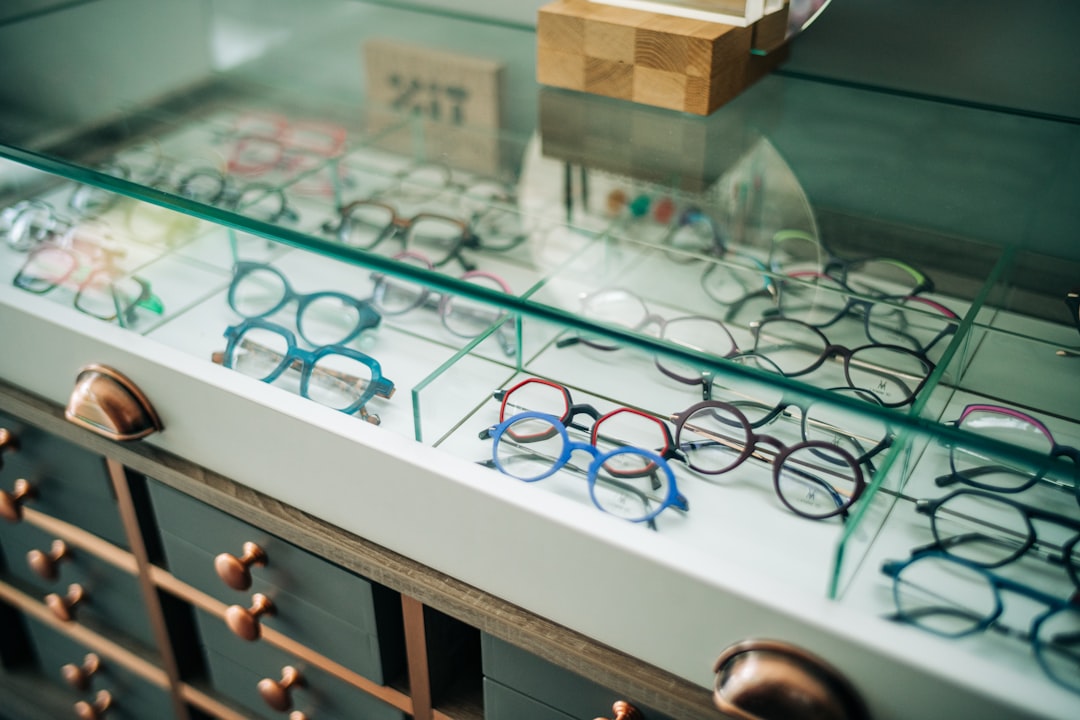
You’re holding a pair of glasses. They sit on your nose, perch on your ears, and allow you to navigate a world that would otherwise be a blur. You likely take them for granted, a necessary accoutrement, a tool of vision. But have you ever stopped to consider the intricate journey they undertook to reach you, and more importantly, what that journey costs? The seemingly simple act of manufacturing eyeglasses is a complex tapestry of materials, labor, technology, and logistics, each thread contributing to the final price you pay.
The cost of your eyeglasses begins with the very substances that form them. While they appear unified, the frame and lenses are distinct entities, each with its own material considerations and associated expenses.
Frame Materials: More Than Just Plastic and Metal
The diversity of frame materials available today is a testament to innovation and evolving consumer preferences, but each choice carries a different price tag.
Acetate: The Colorful and Durable Option
Often chosen for its rich colors and ability to hold a lustrous finish, acetate is a cellulose-based plastic derived from wood pulp. The manufacturing process for acetate involves meticulous color mixing and blending, which can be labor-intensive and requires specialized expertise to achieve consistent hues and patterns. The raw acetate itself, while abundant, isn’t the cheapest plastic. Furthermore, the process of shaping acetate frames involves heat molding, polishing, and buffing, all of which demand skilled hands and precise machinery. Any waste material generated during this process adds to the overall cost.
Metal Alloys: Strength, Flexibility, and Potential Reactivity
Metal frames, from stainless steel to titanium, offer durability and a sleeker aesthetic. Stainless steel is a popular choice due to its affordability and resistance to corrosion. However, the refining and shaping of stainless steel into delicate eyewear frames require significant energy and precision tooling. Stainless steel frames might also undergo plating processes to enhance their appearance or provide hypoallergenic properties, adding further cost.
Titanium, renowned for its strength, lightness, and hypoallergenic qualities, occupies the higher end of the metal frame market. Its extraction and purification are more complex and energy-intensive than those of steel. The process of shaping titanium, particularly for intricate designs, is challenging and requires specialized welding and forming techniques. The cost of raw titanium is significantly higher than that of steel or acetate, directly impacting the price of titanium frames. Other metal alloys, like monel or aluminum, are also used, each with their own unique material costs influenced by global commodity prices and refining processes.
Specialty Materials: From Wood to Advanced Composites
Beyond the common options, there’s a growing market for frames made from exotic woods, recycled materials, or even advanced composite fibers like carbon fiber. Working with natural materials like wood requires careful selection, seasoning, and intricate carving or molding processes, often involving skilled artisans. The sustainability aspect of these materials can also influence their price, as ethically sourced or difficult-to-process materials command a premium. Composite materials, while offering incredible strength-to-weight ratios, are inherently expensive to produce due to complex chemical compositions and specialized manufacturing techniques.
Lens Materials: The Core of Clarity
The lenses are, arguably, the most critical component of your eyeglasses, and their material and manufacturing contribute substantially to the overall cost.
Polycarbonate: The Impact-Resistant Standard
Polycarbonate lenses are a popular choice due to their exceptional impact resistance, making them ideal for children’s eyewear, sports goggles, and safety glasses. The manufacturing of polycarbonate lenses involves an injection molding process. Raw polycarbonate resin is heated and injected into a mold to form the lens shape. This process requires substantial energy and sophisticated, high-precision molds. The resin itself is a petroleum-based product, and its price is influenced by global oil markets. Quality control to ensure consistent optical clarity and impact resistance is rigorous, adding to manufacturing expenses.
High-Index Plastics: Thin and Lightweight Solutions
For individuals with strong prescriptions, high-index plastic lenses are a game-changer, allowing for thinner and lighter lenses. These materials have a higher refractive index, meaning they bend light more efficiently. Producing high-index plastics involves more complex chemical formulations and polymerization processes compared to standard plastics. The raw materials used in these formulations are generally more expensive. The molding and finishing of high-index lenses also require more precise temperature and pressure control, as well as specialized polishing techniques to achieve optimal clarity.
Trivex: A Balance of Properties
Trivex is a relatively newer lens material that offers a desirable blend of impact resistance, UV protection, and optical clarity, all while being very lightweight. Its manufacturing process is similar to polycarbonate but utilizes different proprietary compounds that contribute to its unique properties. The specific chemical components are more costly, and the polymerization process requires specialized machinery and precise environmental controls.
Glass Lenses: The Traditional, Yet Declining, Option
While less common today, glass lenses were once the standard. They offer excellent optical clarity and scratch resistance but are heavy and prone to shattering. The manufacturing of glass lenses involves melting sand (silica) and other minerals at extremely high temperatures, followed by precise grinding and polishing. This process is energy-intensive and requires specialized furnaces and highly skilled technicians. The prevalence of more versatile and safer plastic alternatives has led to a decline in glass lens manufacturing, thus impacting economies of scale and potentially increasing per-unit costs for those few who still opt for them.
When exploring the costs associated with eyewear, it’s interesting to consider how much glasses actually cost to manufacture. A related article that delves into this topic can be found at this link. It provides insights into the various factors that influence manufacturing expenses, including materials, labor, and technology, giving readers a comprehensive understanding of the eyewear industry’s economics.
The Lens Prescription and Coatings: Tailoring Vision
The customization of your eyeglasses extends beyond the frame and basic lens material. The prescription imprinted on your lenses and the various coatings applied to them significantly add to the final cost.
Prescription Grinding and Polishing: The Precision of Vision Correction
The most crucial step in creating prescription lenses is the accurate grinding and polishing of the raw lens blank to match your specific refractive error. This process is highly automated but relies on sophisticated machinery and incredibly precise calculations.
Computer-Controlled Machining: The Digital Sculptor
Modern lens labs utilize computer-controlled edging and surfacing machines. These machines are incredibly expensive to purchase and maintain. The software that drives them, containing complex optical algorithms and patient prescription data, is also a significant investment. The accuracy required is paramount; even slight deviations can lead to visual distortions. The calibration and regular maintenance of this high-tech equipment represent ongoing costs.
Skilled Technicians: The Human Touch in Precision
While automation plays a significant role, skilled technicians are still essential for overseeing the machinery, performing quality control checks, and handling specialized tasks. Their expertise, training, and ongoing professional development contribute to labor costs. They ensure that the lenses are precisely matched to the frame and that the final product meets stringent optical standards.
Lens Coatings: Enhancing Performance and Durability
Lens coatings are not merely aesthetic enhancements; they provide crucial functionality and protection, directly impacting the cost.
Anti-Reflective (AR) Coating: Reducing Glare and Improving Clarity
AR coatings are perhaps the most common and beneficial coatings. They reduce reflections from the lens surface, improving light transmission and reducing eye strain from glare. The application of AR coatings is a multi-step process involving several layers of metallic oxides applied in a vacuum chamber. This requires specialized, high-cost equipment and a controlled environment. The complex chemistry and precise application of these thin films are key contributors to the cost.
Scratch-Resistant Coating: Protecting Against Daily Wear
Most modern lenses come with a hard, scratch-resistant coating. This coating is typically applied through a dipping or spraying process, followed by curing under UV light. The chemicals involved are proprietary and expensive. The effectiveness of the coating is crucial for the longevity of the lenses, and manufacturers invest heavily in developing and applying these protective layers.
UV Protection Coating: Safeguarding Your Eyes
While many lens materials naturally offer some UV protection, dedicated UV coatings provide comprehensive defense against harmful ultraviolet rays. These coatings are often integrated during the lens manufacturing process for certain materials or applied as a separate layer. The cost is tied to the specific chemicals and the manufacturing process required to achieve full UV blockage.
Blue Light Filtering Coatings: Addressing Digital Demands
With increased screen time, blue light filtering coatings have become popular. These coatings selectively absorb or reflect specific wavelengths of blue light emitted from digital devices. The development and application of these specialized filters involve advanced material science and precise manufacturing techniques. The chemicals and processes required to achieve effective blue light filtering are often more complex and costly than standard coatings.
Other Specialized Coatings: Addressing Niche Needs
Beyond these common coatings, there are numerous specialized options such as hydrophobic (water-repellent) coatings, oleophobic (fingerprint-resistant) coatings, and photochromic (light-adjusting) technologies. Each of these involves unique material science, proprietary formulations, and complex manufacturing processes, all contributing to higher costs. Photochromic technology, for instance, relies on light-sensitive molecules embedded within the lens, a process that is intricate and significantly increases the price.
Manufacturing Infrastructure and Technology: The Foundation of Production
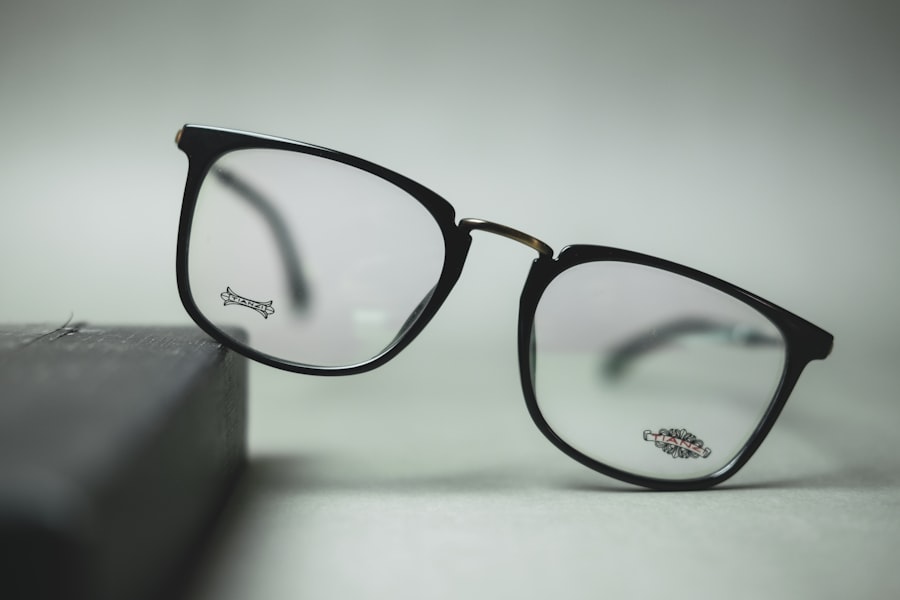
The actual physical facilities and the cutting-edge technology employed in eyewear manufacturing represent a substantial capital investment, a cost that is inevitably passed on to the consumer.
State-of-the-Art Lens Laboratories: Precision at Scale
Modern lens laboratories are highly automated, sophisticated operations. They house vast arrays of high-speed edging machines, surfacing generators, polishers, AR coating units, and quality control systems.
Investment in Machinery: The High Price of Automation
The sheer cost of acquiring and maintaining this advanced machinery is immense. A single AR coating unit can cost tens of thousands of dollars, and a full-scale laboratory can be equipped with millions of dollars worth of technology. Depreciation, repairs, and upgrades are ongoing expenses that manufacturers must factor into their pricing. The demand for faster turnaround times also necessitates higher-capacity, more advanced equipment.
Research and Development: Innovation Drives Cost
The pursuit of lighter, stronger, clearer, and more feature-rich lenses necessitates continuous research and development. Material scientists, optical engineers, and product developers are employed to create new lens materials, coatings, and manufacturing processes. The investment in R&D, including patenting new technologies, is a significant cost that influences the price of innovative eyewear.
Frame Manufacturing Facilities: From Design to Assembly
The production of eyeglass frames, whether through injection molding, stamping, or artisanal crafting, requires dedicated manufacturing facilities and specialized equipment.
Tooling and Molds: The Precision of Form
Creating precise molds for injection molding frames is a costly undertaking. These molds, often made of hardened steel, can cost thousands to tens of thousands of dollars each, depending on complexity. Frame designs can change frequently, requiring the creation of new molds, adding to the overall production expense.
Assembly and Finishing: Labor and Expertise
Even with automation, frame assembly and finishing often require manual labor. This includes attaching temples, inserting nose pads, and meticulous polishing to achieve a flawless finish. The cost of skilled labor, while potentially lower in some regions, is still a significant component of the manufacturing cost.
Labor and Expertise: The Human Element
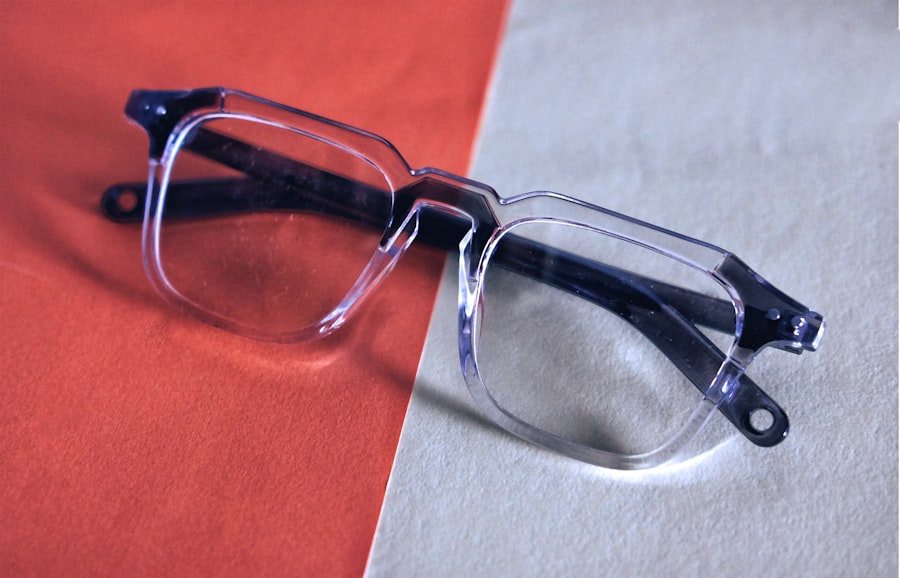
Despite the increasing automation in the eyewear industry, skilled human labor remains an indispensable part of the manufacturing process, contributing to the overall cost.
Skilled Technicians and Opticians: The Precision of Craftsmanship
The individuals who operate and maintain the sophisticated machinery in lens labs, who meticulously adjust and assemble frames, and who perform quality control all possess specialized skills. Their training, experience, and the wages they command are direct costs that are reflected in the final price of your glasses. Opticians, in particular, require extensive education and certification to ensure they can accurately dispense and fit eyewear.
Design and Engineering Teams: Creating the Aesthetics and Functionality
The teams responsible for designing the frames, considering ergonomics, aesthetics, and material properties, are crucial. Similarly, optical engineers work to optimize lens designs for various prescriptions and visual needs. The salaries and benefits of these highly educated professionals contribute to the overall cost of bringing a new eyewear product to market.
Quality Control Personnel: Ensuring Excellence
Rigorous quality control is essential at every stage of manufacturing. Dedicated teams inspect raw materials, monitor production processes, and meticulously examine finished products to ensure they meet stringent optical and structural standards. The labor and time dedicated to these crucial checks are factored into the cost.
When considering the cost of glasses, it’s important to understand the various factors that contribute to their manufacturing expenses. From the type of lenses used to the materials for the frames, each element plays a significant role in the overall price. For a deeper insight into the economics of eyewear production, you might find it interesting to explore a related article that discusses the intricacies of manufacturing costs in detail. You can read more about it here.
Logistics, Distribution, and Overhead: The Journey to Your Eyes
| Cost Component | Average Cost |
|---|---|
| Raw Materials | 5 |
| Labor | 3 |
| Overhead | 2 |
| Equipment | 4 |
| Total Cost | 14 |
The cost of manufacturing glasses doesn’t end at the factory door. The intricate web of logistics, distribution networks, and the general overhead of running a business all contribute to the final price you pay.
Global Supply Chains: Moving Materials and Products
Eyeglass components, from raw materials to finished lenses and frames, are often sourced globally. This necessitates complex shipping, customs clearance, and warehousing. The costs associated with international freight, import duties, and managing these extensive supply chains add to the overall expense. Even domestic transportation of goods between manufacturers, distributors, and optical shops incurs costs.
Warehousing and Inventory Management: Storing the Goods
Optical manufacturers and distributors need to maintain significant warehouse space to store a vast array of frame styles, lens materials, and finished products. The cost of real estate, utilities, security, and inventory management systems are all part of the overhead that influences pricing. Efficient inventory management is crucial to minimize waste and storage costs.
Marketing and Sales: Reaching the Consumer
Companies invest in marketing and sales efforts to make you aware of their products and brand. Advertising campaigns, trade shows, and sales force commissions all contribute to the cost of bringing eyewear to market. While not directly a manufacturing cost, these expenses are passed on to the consumer.
Retail Markups: The Optical Shop’s Role
When you purchase glasses from an optical shop, there is typically a retail markup. This markup covers the shop’s operational costs, including rent, utilities, staff salaries (opticians, sales associates), insurance, and their own inventory management. The expertise of the optician in helping you choose the right frame and lenses, taking measurements, and ensuring proper fit is a valuable service that commands a price. The pricing models of different optical retailers can vary significantly, accounting for differences in overhead and perceived value.
Profit Margins: The Business Imperative
Like any business, eyewear manufacturers and retailers need to generate a profit to remain viable, reinvest in their operations, and reward their stakeholders. These profit margins, while necessary, are a component of the final price. The level of profit sought can vary between brands and retailers, influencing price differences.
In conclusion, the cost of manufacturing glasses is a multifaceted equation. It’s not simply the sum of raw materials; it’s a complex interplay of technological investment, skilled labor, intricate processes, global logistics, and the inherent business costs of design, marketing, and distribution. Understanding these contributing factors can shed light on why your seemingly simple eyewear carries a price tag that reflects a remarkable journey from raw components to the clear vision you experience every day.
FAQs
1. What factors contribute to the cost of manufacturing glasses?
The cost of manufacturing glasses is influenced by factors such as the materials used, the design complexity, the production volume, and the manufacturing processes involved.
2. What is the average cost to manufacture a pair of prescription glasses?
The average cost to manufacture a pair of prescription glasses can range from $10 to $100, depending on the factors mentioned above.
3. How much does it cost to manufacture a pair of designer glasses?
The cost to manufacture a pair of designer glasses can be significantly higher, ranging from $50 to $500 or more, due to the use of high-quality materials, intricate designs, and branding.
4. Are there additional costs involved in the manufacturing of glasses?
Yes, there are additional costs involved in the manufacturing of glasses, such as labor, overhead expenses, quality control measures, and distribution costs.
5. How do economies of scale impact the cost of manufacturing glasses?
Economies of scale can lower the cost of manufacturing glasses as production volume increases, leading to cost savings in materials, labor, and overhead expenses. This can result in lower per-unit manufacturing costs for larger quantities of glasses.