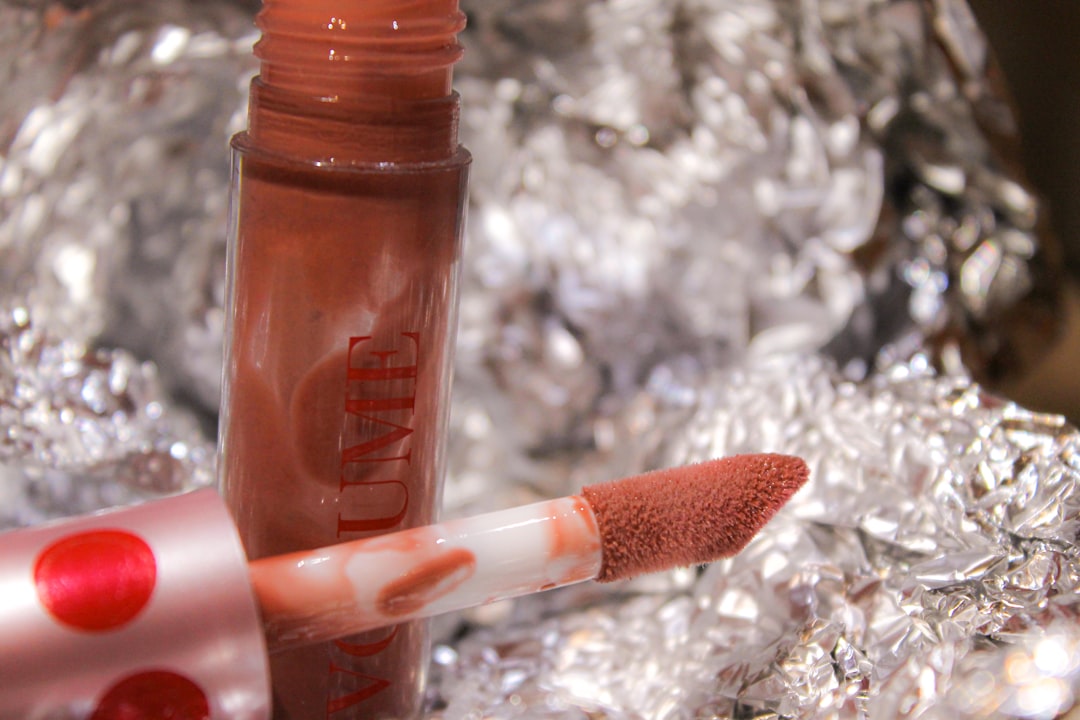
You slather on your favorite moisturizer, hoping for that dewy glow. You swipe on a bold lipstick, aiming for confidence. You dust on a bronzer, chasing that sun-kissed look. You trust what goes on your skin, right? You assume these products, readily available on store shelves and online, have been thoroughly vetted for your safety. But what if there’s a hidden chink in the armor of cosmetic regulation? What if a significant loophole allows certain potentially harmful ingredients to slip through the cracks? You’re likely using products that haven’t been rigorously tested for long-term safety, and the cosmetic industry, in its current form, might not be the vigilant guardian you believe it to be.
The Regulatory Landscape: A Patchwork Quilt, Not a Fortress
You might imagine that the Food and Drug Administration (FDA) acts as a stern gatekeeper, scrutinizing every ingredient before it lands in those sleek, tempting packages. The reality, however, is far more complex and, frankly, a little unsettling. The legal framework governing cosmetics in the United States, primarily the Federal Food, Drug, and Cosmetic Act (FD&C Act), is a patchwork quilt rather than a watertight fortress. While it prohibits the marketing of adulterated or misbranded cosmetics, the definitions and enforcement mechanisms leave much to be desired when it comes to proactive safety assessment.
The FDA’s Limited Authority: A Gentle Suggestion, Not a Command
The FDA’s powers when it comes to cosmetic safety are surprisingly limited. Unlike the strict pre-market approval process required for pharmaceuticals, cosmetics and their ingredients (with the exception of color additives) do not require FDA approval before they go to market. This means that manufacturers are largely responsible for ensuring the safety of their own products and ingredients.
The Burden of Proof: A Manufacturer’s Word
You’re essentially relying on the honor system, or at least the manufacturer’s self-interest in avoiding lawsuits and negative publicity. The onus is on the FDA to prove that a cosmetic is unsafe after it has already reached consumers. This is akin to waiting for a fire to erupt before implementing any fire safety measures.
Lack of Ingredient Review: A Blind Spot for Innovation
The absence of mandatory pre-market review for most cosmetic ingredients means that novel chemicals can be introduced into products without the FDA having an opportunity to assess their potential risks. This can be a double-edged sword; while it allows for innovation and the development of new and exciting formulations you might enjoy, it also creates a pathway for untested or inadequately studied substances to become commonplace. You might unknowingly be an early adopter of a chemical whose long-term effects are yet to be understood.
Post-Market Surveillance: A Reactive Approach
Once a cosmetic is on the market, the FDA can take action, but this is primarily reactive. They can seize products deemed adulterated or misbranded, issue warning letters, and pursue legal action. However, this often occurs after consumers have been exposed to potentially harmful substances.
The “Vigilance” of Consumer Complaints: Your Voice as the Alarm
The FDA relies heavily on consumer complaints and industry self-reporting to identify potential problems. Your report of an adverse reaction, while important, is often a late signal. Imagine an alarm system that only sounds after a burglar has already made off with your belongings.
Limited Enforcement Powers: A Bat with a Dampened Wing
Even when the FDA identifies a problem, its enforcement powers can be less impactful than you might expect. Issuing warning letters is a common first step, but it doesn’t necessarily remove the offending product from shelves immediately. Legal action can be a lengthy and resource-intensive process.
The ongoing concerns regarding cosmetic safety have been highlighted in various discussions, particularly focusing on the significant loopholes in regulations that allow potentially harmful ingredients to remain in products. A related article that delves deeper into this issue can be found at Hey Did You Know This, where it explores the implications of these safety gaps and the need for stricter oversight in the cosmetic industry.
The Notorious Ingredient Loophole: What’s Not Explicitly Banned is Permitted
This is where the “cosmetic safety loophole” truly takes shape. The FD&C Act does not require manufacturers to prove their products are safe. Instead, it prohibits the marketing of unsafe products. This might sound like a subtle distinction, but it has profound implications for your safety.
The Absence of a “Banned Substances” List: A Moving Target
Unlike many other regulatory bodies worldwide, the FDA does not maintain a comprehensive, publicly accessible list of ingredients that are banned for use in cosmetics. While they have banned or restricted certain substances, such as mercury compounds for skin lightening, the list is far from exhaustive. This creates a landscape where something is considered permissible simply because it hasn’t been explicitly prohibited.
Ingredients of Concern: A Known Unknown
There are numerous ingredients that have raised concerns within the scientific community and among consumer advocacy groups due to their potential links to endocrine disruption, allergies, carcinogenicity, or other health issues. Yet, many of these remain legal to use in cosmetics. You could be dabbing on a product containing a chemical that scientists are actively investigating for problematic health effects.
The Power of “Generally Recognized As Safe” (GRAS): A Loosely Applied Standard
For food ingredients, the FDA uses the “Generally Recognized As Safe” (GRAS) standard, which involves a scientific consensus on the safety of an ingredient. While there is a similar concept of self-affirmed GRAS for cosmetic ingredients, the process is much less stringent and lacks the same level of scientific rigor and public scrutiny. This means an ingredient can be considered “safe” for cosmetic use without extensive independent scientific validation.
The Industry’s Role: Self-Regulation and a Drive for Profit
The cosmetic industry is a powerful and influential one, with significant economic stakes. While many companies strive to produce safe and high-quality products, the inherent structure of regulation allows for a segment of the industry to operate with less oversight.
The Cosmetic Ingredient Review (CIR): A Laudable Effort, But Not a Guarantee
The Cosmetic Ingredient Review (CIR) Expert Panel is an industry-funded initiative that assesses the safety of cosmetic ingredients. This panel, comprised of scientists, plays a crucial role in evaluating existing data and making safety recommendations. However, it’s important to understand that CIR is not a government agency, and its findings are recommendations, not legally binding regulations.
CIR’s Limitations: Industry Influence and Data Gaps
While the CIR does valuable work, it’s important to acknowledge its limitations. The panel’s findings are based on the available scientific literature, which can sometimes be incomplete or inconclusive. Furthermore, the industry’s influence, even if unintentional, can be a factor in the review process. You might be looking at a panel’s safety assessment, but it’s not the same as a government mandate.
The Business of Beauty: Profit Over Precaution?
The primary goal of any business is profit. While ethical companies prioritize consumer safety, the regulatory framework in the US incentivizes manufacturers to err on the side of caution only when legally compelled to do so. This can create a situation where ingredients with a cloudy safety profile might persist in products if they are cost-effective and not explicitly banned.
Specific Ingredient Categories of Concern: Unveiling the Potential Culprits
Within the vast ocean of cosmetic ingredients, certain categories have consistently drawn scrutiny from scientists, regulators, and consumer advocates. These are not theoretical worries; they are areas where the regulatory loophole allows for ingredients with documented or suspected risks to remain in your products.
Parabens: The Ubiquitous Preservatives
Parabens have been used for decades as preservatives in a wide range of cosmetic and personal care products, from lotions and makeup to shampoos and conditioners. Their widespread use stems from their effectiveness in preventing the growth of bacteria and mold, thereby extending shelf life.
Estrogenic Activity: A Mimic in Your System
Concerns surrounding parabens largely stem from their potential to mimic estrogen in the body. Research has detected parabens in breast tissue, raising questions about their role in hormone-sensitive cancers. While the scientific consensus on the extent of this risk in humans at typical exposure levels is still debated, the precautionary principle suggests caution.
Endocrine Disruption: Interfering with Your Body’s Signals
Endocrine disruptors are chemicals that can interfere with the body’s endocrine system, which controls hormones. These hormones regulate everything from mood and metabolism to growth and reproduction. The possibility of parabens contributing to endocrine disruption means they could be subtly altering your body’s natural processes.
Phthalates: The Plasticizers with Unwanted Effects
Phthalates are a group of chemicals commonly used to make plastics more flexible and durable. In cosmetics, they are often found in fragrances, nail polish, hair sprays, and lotions, serving as solvents and plasticizers.
Reproductive and Developmental Toxicity: Concerns for All Ages
Studies in animal models have linked phthalate exposure to reproductive and developmental problems, including reduced sperm count and quality, and effects on the development of male reproductive organs. While direct causal links in humans are complex to establish due to multiple exposure sources, the potential for harm is a significant concern.
Fragrance Ingredients: A Cocktail of Unspecified Chemicals
Many cosmetic products boast delightful scents, but these fragrances are often complex mixtures of dozens, or even hundreds, of individual chemicals. Regulations often allow these fragrance mixtures to be listed simply as “fragrance” or “parfum” on ingredient labels, obscuring the presence of potentially concerning phthalates or other allergens. You might be inhaling and absorbing chemicals whose identities are deliberately concealed.
Formaldehyde Releasers: A Slow and Steady Release of a Known Carcinogen
Certain preservatives in cosmetics, known as formaldehyde releasers, are designed to break down over time and release small amounts of formaldehyde. Formaldehyde is a known human carcinogen.
The “Slow Release” of Danger: A Gradual Exposure
While the amount of formaldehyde released at any given moment may be small, the continuous application of products containing these releasers can lead to chronic exposure. This gradual accumulation of a known carcinogen is a particularly insidious aspect of this loophole.
Common Examples: Unveiling the Nomenclature
Ingredients like quaternium-15, DMDM hydantoin, imidazolidinyl urea, and diazolidinyl urea are common formaldehyde releasers. You might be unknowingly exposing yourself to a substance that is classified as a carcinogen.
The Global Perspective: How Other Nations Tackle Cosmetic Safety
You might assume that the regulatory approach in the United States is the global standard. However, a look at other developed nations reveals a stark contrast. Many countries employ a more robust and precautionary approach to cosmetic safety, offering a glimpse into what a more thoroughly protected consumer landscape could look like.
The European Union: A Precautionary Powerhouse
The European Union (EU) has one of the most stringent cosmetic regulatory frameworks in the world. The EU Cosmetics Regulation, established in 2009, has significantly strengthened consumer protection.
Pre-Market Notification and Ingredient Authorization: A Fortress of Safety
Unlike the US, the EU requires manufacturers to notify authorities of all cosmetic products they place on the market and to provide comprehensive safety assessments before products are sold. Furthermore, the EU has a list of banned and restricted ingredients, and a positive list of authorized colorants, preservatives, and UV filters.
The Annexes: A Detailed Blueprint for Safety
The EU regulation includes detailed annexes that specify which substances are prohibited for use, which are restricted (and under what conditions), and which ingredients are authorized for use as preservatives, colorants, and UV filters, along with specific purity criteria and maximum concentration limits. This provides a clear roadmap for manufacturers and a high level of assurance for consumers.
The Precautionary Principle: Err on the Side of Caution
The EU regulatory model is guided by the precautionary principle. This means that where there are threats of serious or irreversible damage, a lack of full scientific certainty shall not be used as a reason for postponing cost-effective measures to prevent environmental degradation or harm to human health. When it comes to your well-being, the EU prioritizes preventing potential harm over waiting for definitive proof of damage.
Canada: A Balanced Approach with Strong Oversight
Canada’s approach to cosmetic safety also involves more robust oversight than that found in the United States. Health Canada regulates cosmetics under the Food and Drugs Act and the Cosmetic Regulations.
Ingredient Right-to-Know: Transparency for Consumers
Canada mandates that cosmetic products sold in the country must have a complete ingredient list on the label, allowing consumers to make informed choices. They also maintain a Cosmetic Ingredient Hotlist, which identifies substances that are prohibited or restricted for use in cosmetics.
Publicly Accessible Hotlist: Your Guide to Potentially Harmful Ingredients
The Hotlist is publicly available and clearly outlines substances that Health Canada considers to be of concern and details any restrictions on their use. This transparency empowers you to understand what ingredients might be present and why they are being monitored.
Post-Market Surveillance with a Proactive Edge: Beyond Reactive Measures
While Canada also engages in post-market surveillance, Health Canada actively reviews new scientific information and updates its regulations accordingly. They conduct risk assessments and can take action to prohibit or restrict ingredients if safety concerns arise, demonstrating a more proactive stance than the FDA.
The ongoing concerns about cosmetic safety have brought attention to significant loopholes in regulations that allow potentially harmful ingredients to be used in beauty products. A related article discusses these issues in depth, highlighting the lack of stringent oversight and the need for reform to protect consumers. For more information on this critical topic, you can read the article here. This discussion is essential for anyone interested in understanding the safety of the products they use daily.
How to Navigate the Cosmetic Minefield: Empowering Your Choices
Understanding the cosmetic safety loophole can feel overwhelming, like navigating a minefield where hidden dangers lurk. However, you are not powerless. By arming yourself with knowledge and adopting proactive strategies, you can significantly reduce your exposure to potentially harmful ingredients.
Decoding Ingredient Labels: Becoming a Label Detective
You are the first line of defense. Learning to read and understand ingredient labels is paramount. Don’t be intimidated by long lists of scientific-sounding names.
The “Free-From” Claims: A Marketing Tactic or a Genuine Promise?
Many products proudly boast “paraben-free” or “phthalate-free” labels. While these can be helpful, remember that these are marketing claims. It’s always best to verify by reading the full ingredient list. A “free-from” claim doesn’t guarantee that other potentially problematic ingredients aren’t present.
Utilizing Online Resources: Your Digital Compasses
Numerous websites and apps are dedicated to providing information on cosmetic ingredients and their safety profiles. Organizations like the Environmental Working Group (EWG) offer extensive databases and ingredient ratings. Use these tools as your digital compass to navigate the complex world of cosmetic ingredients.
Supporting Reform: Advocating for Stronger Regulations
Individual choices are important, but systemic change is also crucial. You can contribute to fostering a safer cosmetic landscape by supporting efforts to reform current regulations.
Consumer Advocacy Groups: A Collective Voice
Many consumer advocacy groups are actively working to push for stronger cosmetic regulations in the US. Supporting these organizations through donations or by signing petitions can amplify your voice and contribute to their efforts to lobby lawmakers.
Contacting Your Representatives: Making Your Concerns Heard
Don’t underestimate the power of contacting your elected officials. Share your concerns about cosmetic safety and urge them to support legislation that would strengthen FDA oversight and require pre-market ingredient review. Your voice, when joined with others, can create a powerful ripple effect.
Choosing Brands with Transparency and Ethical Practices: Aligning Your Values with Your Purchases
As you become more informed, you can actively seek out and support brands that demonstrate a commitment to transparency and ethical ingredient sourcing.
Brands Prioritizing Safety: A Growing Trend
A growing number of cosmetic companies are voluntarily choosing to use safer alternatives and are transparent about their ingredient sourcing and safety testing. Seek out brands that are open about their formulations and actively participate in third-party safety certifications.
The Power of Your Wallet: Voting with Your Purchases
Every purchase you make is a vote. By consciously choosing to support brands that align with your safety values, you send a clear message to the industry that consumers demand safer products. Your purchasing power is a formidable tool for driving change.
You hold the power to protect yourself and influence the industry. By understanding the cosmetic safety loophole, becoming a discerning consumer, and supporting calls for reform, you can ensure that the pursuit of beauty doesn’t come at the expense of your health. The products you use every day should be a source of confidence, not a cause for concern.
FAQs
What is the cosmetic safety loophole?
The cosmetic safety loophole refers to gaps or weaknesses in regulations that allow certain cosmetic products or ingredients to be marketed without thorough safety testing or oversight by regulatory agencies.
Which regulatory bodies oversee cosmetic safety?
In the United States, the Food and Drug Administration (FDA) oversees cosmetic safety, but unlike drugs, cosmetics do not require pre-market approval. Other countries have their own regulatory agencies, such as the European Medicines Agency (EMA) in the EU, which may have stricter regulations.
Why are some cosmetic ingredients not fully tested for safety?
Many cosmetic ingredients have historically been considered safe based on traditional use or limited data, and current regulations do not mandate comprehensive pre-market safety testing for all ingredients, leading to potential gaps in safety evaluation.
What risks can arise from the cosmetic safety loophole?
Potential risks include exposure to harmful or allergenic substances, contamination, or long-term health effects that have not been adequately studied or disclosed to consumers.
How can consumers protect themselves given the cosmetic safety loophole?
Consumers can protect themselves by researching product ingredients, choosing products from reputable brands, looking for third-party safety certifications, and reporting any adverse reactions to appropriate authorities.