
Saddam Hussein’s ascent to power is a tale marked by ambition, political maneuvering, and a ruthless determination to maintain control. Born in 1937 in a small village near Tikrit, Iraq, he grew up in a tumultuous environment that shaped his worldview. After joining the Ba’ath Party in the 1950s, he quickly climbed the ranks, leveraging his connections and political acumen.
By 1968, he had orchestrated a coup that placed him in a position of significant authority within the Iraqi government. His leadership style was characterized by a blend of populism and authoritarianism, which resonated with many Iraqis who sought stability after years of political upheaval. Under Saddam’s rule, Iraq experienced significant modernization and economic growth, particularly during the oil boom of the 1970s.
He nationalized the oil industry, which allowed for substantial revenue generation that funded infrastructure projects and social programs. However, this period of prosperity was marred by increasing repression and human rights abuses. Saddam’s regime was notorious for its brutal tactics against dissenters, including mass executions and torture.
As the 1980s approached, his aggressive foreign policy led to the Iran-Iraq War, a devastating conflict that drained Iraq’s resources and left deep scars on its society. By the early 1990s, Saddam’s grip on power began to weaken as international pressures mounted and internal dissent grew.
Key Takeaways
- Saddam Hussein rose to power in Iraq through a combination of political maneuvering, brutal repression, and military aggression.
- The hunt for Saddam Hussein involved a massive manhunt, with the United States offering a million reward for information leading to his capture.
- Saddam Hussein was captured by U.S. forces in December 2003, hiding in a small underground hole near his hometown of Tikrit.
- Saddam Hussein’s trial was highly controversial, with many questioning its legitimacy and fairness, and he was ultimately sentenced to death by hanging.
- The execution of Saddam Hussein in December 2006 sparked mixed reactions, with some celebrating his demise while others condemned the manner in which it was carried out.
The Hunt for Saddam Hussein
Following the U.S.-led invasion of Iraq in 2003, the hunt for Saddam Hussein became a top priority for coalition forces. The initial military campaign swiftly dismantled his regime, but Saddam himself managed to evade capture, disappearing into the vast Iraqi landscape. His ability to elude authorities was aided by a network of loyal supporters who provided him with shelter and resources.
S. forces employing advanced technology and intelligence operations to track him down. The hunt became emblematic of the broader struggle to stabilize Iraq in the wake of Saddam’s ousting.
The search for Saddam was not merely a military operation; it also became a psychological battle. Coalition forces sought to undermine his image as an invincible leader while simultaneously rallying Iraqi citizens to assist in his capture. Leaflets were distributed, offering rewards for information leading to his whereabouts, and local informants were encouraged to come forward.
Despite these efforts, Saddam remained elusive, often moving between safe houses and relying on a small circle of trusted aides. The hunt for him became a symbol of the challenges faced by coalition forces in establishing order in a country rife with chaos and uncertainty.
The Capture of Saddam Hussein
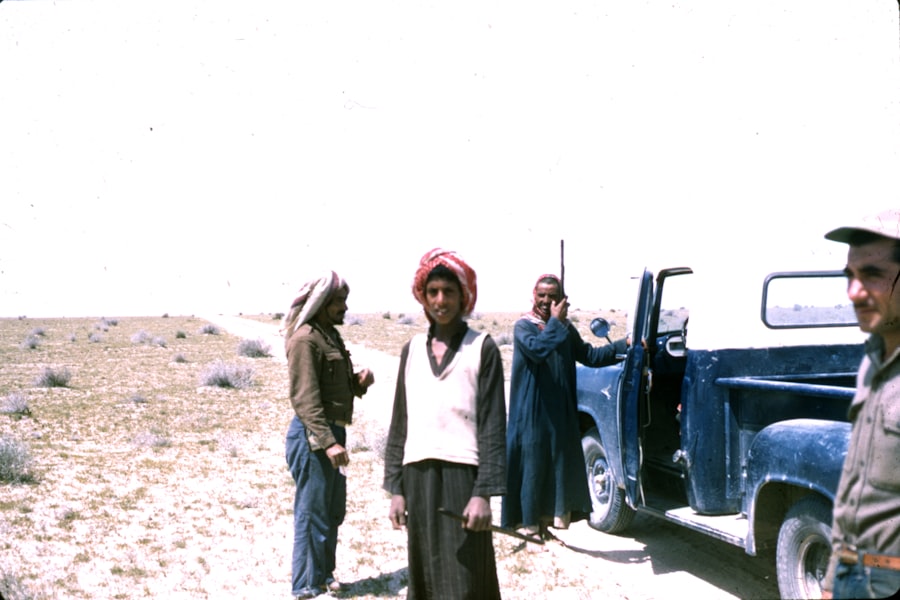
On December 13, 2003, after months of relentless searching, U.S. forces finally located Saddam Hussein in a small underground hideout near Tikrit. Dubbed “Operation Red Dawn,” the operation was executed with precision, resulting in his capture without any significant resistance.
The moment marked a pivotal turning point in the Iraq War and was celebrated by many as a victory over tyranny. Photographs of Saddam’s disheveled appearance during his capture circulated widely, serving as a stark reminder of his fall from power. The circumstances surrounding his capture revealed much about the state of Iraq at the time.
The once-feared dictator was found living in squalor, hiding in a hole barely large enough for him to fit. This image starkly contrasted with the opulence associated with his rule and underscored the extent to which his regime had crumbled. Following his capture, Saddam was taken into custody by U.S.
forces and subsequently transferred to Iraqi authorities, setting the stage for a highly publicized trial that would captivate both national and international audiences.
The Trial of Saddam Hussein
Saddam Hussein’s trial began on October 19, 2005, and quickly became one of the most significant legal proceedings in modern history. Charged with crimes against humanity for his role in the brutal suppression of uprisings and mass killings during his regime, the trial was fraught with controversy from the outset. The proceedings were held in Baghdad under tight security, reflecting the volatile environment in which they took place.
Many Iraqis viewed the trial as an opportunity for justice, while others saw it as a politically motivated spectacle. Throughout the trial, Saddam maintained an air of defiance, often using the courtroom as a platform to voice his grievances against the U.S.-led invasion and to assert his legitimacy as Iraq’s rightful leader. His behavior polarized public opinion; some admired his bravado while others were appalled by his refusal to accept responsibility for his actions.
The trial was marked by dramatic moments, including outbursts from Saddam and testimony from victims of his regime. Ultimately, on November 5, 2006, he was found guilty of crimes against humanity and sentenced to death by hanging.
The Execution of Saddam Hussein
Saddam Hussein’s execution took place on December 30, 2006, amidst widespread anticipation and controversy. The method chosen for his execution—hanging—was seen by many as fitting for a leader who had presided over such brutality. However, the execution also raised questions about due process and the fairness of the trial that preceded it.
Critics argued that the proceedings were marred by political influence and that they failed to meet international legal standards. As news of his execution spread, reactions varied widely across Iraq and beyond.
The manner in which Saddam was executed—filmed and shared widely—sparked outrage among his supporters and raised ethical concerns about how justice should be administered in such high-profile cases. His death did not bring about the peace many had hoped for; instead, it intensified existing tensions within Iraqi society.
International Reactions to Saddam Hussein’s Capture and Execution

The international community closely monitored both Saddam Hussein’s capture and subsequent execution, leading to a range of reactions that reflected differing perspectives on justice and accountability. Many Western nations hailed his capture as a significant step toward stabilizing Iraq and promoting democracy in the region. For these countries, Saddam’s removal was seen as an opportunity to foster a new era of governance based on rule of law rather than tyranny.
Conversely, numerous human rights organizations expressed concern over the fairness of Saddam’s trial and execution. They argued that while accountability for war crimes is essential, it must be pursued through transparent legal processes that uphold human rights standards. The execution raised alarms about potential repercussions for sectarian tensions within Iraq and highlighted the complexities involved in transitioning from dictatorship to democracy.
As discussions unfolded globally regarding justice in post-conflict societies, Saddam’s case became emblematic of broader debates about how best to address past atrocities while fostering reconciliation.
The Legacy of Saddam Hussein
Saddam Hussein’s legacy is one marked by contradictions—he is remembered both as a tyrant who inflicted suffering on millions and as a figure who played a pivotal role in shaping modern Iraq. His reign left an indelible mark on Iraqi society; while some citizens recall periods of stability and economic growth under his rule, others cannot forget the pervasive fear and repression that characterized daily life. The scars left by his regime continue to influence Iraq’s political landscape long after his death.
In addition to his impact on Iraq, Saddam’s legacy extends beyond its borders. His defiance against Western powers positioned him as a controversial figure in Arab nationalism; many viewed him as a symbol of resistance against foreign intervention. However, this perception is complicated by the brutal tactics he employed against both internal dissenters and neighboring countries during conflicts such as the Iran-Iraq War and the Gulf War.
As historians continue to analyze his life and rule, they grapple with how best to contextualize his actions within broader geopolitical dynamics.
The Impact of Saddam Hussein’s Capture and Execution on Iraq
The capture and execution of Saddam Hussein had profound implications for Iraq’s political landscape and societal dynamics. Initially perceived as a potential turning point toward stability, these events instead exacerbated existing divisions within Iraqi society. Following Saddam’s death, sectarian violence surged as various factions vied for power in an increasingly fragmented political environment.
His execution did not quell dissent; rather, it ignited further unrest among those who viewed him as a martyr. Moreover, Saddam’s removal from power left a vacuum that various groups sought to fill—leading to the rise of insurgency movements and extremist organizations such as ISIS. The power struggles that ensued contributed to ongoing instability in Iraq, complicating efforts at nation-building and reconciliation among diverse ethnic and religious communities.
As Iraq continues to navigate its post-Saddam reality, the legacy of his capture and execution remains intertwined with broader questions about governance, justice, and national identity.
The Role of the United States in Saddam Hussein’s Capture and Execution
The United States played a pivotal role in both the capture and execution of Saddam Hussein following its invasion of Iraq in 2003. Initially framed as part of a broader strategy to dismantle weapons of mass destruction (WMD) programs—though no such weapons were ultimately found—the U.S.-led invasion aimed to remove Saddam from power due to perceived threats he posed regionally and globally. Following his capture, U.S. authorities facilitated the transfer of custody to Iraqi officials while maintaining significant influence over the legal proceedings that followed. Critics argue that U.S. involvement in Saddam’s trial raised questions about impartiality and fairness; many believed that American interests shaped both the judicial process and public perception surrounding it. The execution itself occurred under U.S.-backed Iraqi governance but was met with skepticism regarding its legitimacy among various factions within Iraq. As discussions continue about America’s role in post-Saddam Iraq, questions persist regarding accountability for actions taken during this tumultuous period.
The Controversy Surrounding Saddam Hussein’s Capture and Execution
Saddam Hussein’s capture and execution were shrouded in controversy from start to finish—raising critical questions about justice, legality, and morality within post-conflict societies. Many observers criticized the trial process as politically motivated rather than genuinely focused on delivering justice for victims of human rights abuses committed during his regime. Concerns about due process were amplified by allegations that external influences shaped key decisions throughout proceedings.
The manner of his execution also sparked debate; filmed footage circulated widely online raised ethical concerns regarding how societies should handle high-profile cases involving former leaders accused of egregious crimes. For some observers, this spectacle undermined any sense of justice achieved through legal means—leading them to question whether true accountability could ever be attained amid such complexities surrounding power dynamics within Iraq.
Lessons Learned from the Capture and Execution of Saddam Hussein
The saga surrounding Saddam Hussein’s capture and execution offers numerous lessons relevant not only to Iraq but also to global governance practices concerning transitional justice after conflict or dictatorship ends. One key takeaway is recognizing that accountability must be pursued through transparent legal processes that uphold human rights standards—ensuring fairness while addressing past atrocities effectively. Additionally, it highlights how removing authoritarian leaders does not automatically lead to stability; rather than fostering unity among diverse populations grappling with historical grievances or sectarian divides requires careful navigation through reconciliation efforts alongside justice initiatives aimed at healing societal wounds left behind by oppressive regimes.
Ultimately, understanding these lessons can inform future approaches toward addressing legacies left by dictatorships worldwide—emphasizing collaboration between local communities alongside international actors committed toward fostering sustainable peace rooted within principles promoting justice rather than retribution alone.
After Saddam Hussein was captured by U.S. forces in December 2003, he was held in custody and faced trial for crimes against humanity. His capture marked a significant turning point in the Iraq War, leading to his eventual execution in December 2006. For more detailed insights into the events following his capture and the implications it had on Iraq and international politics, you can read a related article on this topic by visiting Hey Did You Know This. This article provides a comprehensive overview of the aftermath of Saddam Hussein’s capture and the subsequent changes in the region.
WATCH NOW! How the US Hunted and Captured Saddam Hussein: The Untold Story of Operation Red Dawn
FAQs
What happened to Saddam Hussein after he was captured by US forces?
After Saddam Hussein was captured by US forces on December 13, 2003, he was taken into custody and held at a secure location.
What was the legal process following Saddam Hussein’s capture?
Saddam Hussein was eventually turned over to the Iraqi government and was put on trial for crimes against humanity, including the killing of 148 Shi’ite men in the town of Dujail in 1982.
What was the outcome of Saddam Hussein’s trial?
Saddam Hussein was found guilty and sentenced to death by hanging. The execution took place on December 30, 2006.
Where was Saddam Hussein executed?
Saddam Hussein was executed at Camp Justice, an Iraqi army base in Kadhimiya, a neighborhood of Baghdad.
What was the reaction to Saddam Hussein’s execution?
The execution of Saddam Hussein sparked mixed reactions, with some Iraqis celebrating his death while others condemned the manner in which it was carried out. The execution also drew international attention and criticism.