The term “Dark Ages” evokes imagery of intellectual stagnation, widespread illiteracy, and brutal societal conditions following the collapse of the Western Roman Empire. This historical categorization, predominantly applied to the period spanning roughly from the 5th to the 15th centuries in Europe, has long been a subject of scholarly debate and popular misunderstanding. However, a deeper examination reveals a more nuanced reality, demonstrating that this era, far from being universally “dark,” was instead a crucible of significant innovation, cultural transmission, and foundational developments that shaped the course of Western civilization. One must transcend the simplistic binary of light and darkness to appreciate the complex tapestry woven during these centuries.
Reframing the Narrative: From Darkness to Dawn
The popular conception of the “Dark Ages” largely originates from Petrarch’s 14th-century assertion that Europe had entered a period of intellectual gloom following the classical brilliance of Rome. This perspective, amplified during the Enlightenment, contrasted the perceived barbarism of the medieval period with the “enlightenment” of their own era. However, modern historical scholarship increasingly challenges this anachronistic judgment, advocating for a re-evaluation based on extensive archaeological discoveries, reinterpreted primary sources, and a more holistic understanding of societal evolution.
It is crucial to recognize that the “darkness” of this period was not uniform. While there was undoubtedly a decline in centralized political power and a disruption of existing societal structures in some regions, particularly Western Europe following the collapse of the Roman administration, other areas, such as the Byzantine Empire and the Islamic world, experienced profound flourishing. These civilizations served as vital custodians of classical knowledge, expanding upon it and preparing it for later reintroduction into Western Europe. Therefore, the “Dark Ages” in its broadest sense is a misnomer, as it overlooks significant concurrent developments elsewhere.
Despite popular belief, learning and scholarship did not vanish entirely during this period. Monasteries, in particular, became indispensable centers for the preservation and transmission of knowledge.
Monastic Scribes and Scriptoria
Monasteries across Europe played a crucial role as intellectual bastions. Within their scriptoria, monks meticulously copied and preserved classical texts, biblical manuscripts, and theological works. Without their tireless efforts, much of the intellectual heritage of Greece and Rome would have been irrevocably lost. Consider, for a moment, the sheer dedication required to transcribe entire volumes by hand, often in dimly lit conditions, without the aid of printing presses. This was not merely mechanical reproduction; it was an act of profound cultural stewardship.
- Preservation of Classical Knowledge: Works of Plato, Aristotle, Virgil, and countless other classical authors survived through monastic copying. These texts, often accompanied by glosses and commentaries, formed the intellectual bedrock upon which later medieval and Renaissance thought would build.
- Development of New Scripts: The Carolingian minuscule, developed in the late 8th and early 9th centuries, was a direct result of monastic efforts to create a clear, legible script conducive to widespread copying and reading. This significantly improved literacy and accessibility of texts compared to the more ornate and disparate scripts that preceded it.
- Production of Illustrated Manuscripts: Beyond mere copying, many monastic scriptoria produced exquisite illuminated manuscripts, integrating art and text in ways that elevated books to objects of immense aesthetic and spiritual value. These works stand as testaments to the artistic sophistication of the era.
The Role of Islamic and Byzantine Scholarship
While often excluded from the Western-centric “Dark Ages” narrative, the Byzantine Empire and the Islamic world were vibrant centers of learning that significantly contributed to the intellectual heritage of humanity.
- The Byzantine Empire as a Repository: Constantinople, the capital of the Byzantine Empire, maintained strong ties to classical antiquity, preserving Greek literature, philosophy, and science long after the Western Roman Empire’s decline. Byzantine scholars served as vital intermediaries, transmitting this knowledge to the West during later periods.
- Islamic Golden Age: From the 8th to the 13th centuries, the Islamic world experienced an unparalleled flourishing of science, mathematics, medicine, and philosophy. Scholars in Baghdad, Damascus, and Cordoba translated, studied, and expanded upon Greek, Persian, and Indian texts. Their innovations in algebra, optics, and medicine, for instance, were truly groundbreaking and had a profound impact on later European developments. Consider algebra, a cornerstone of modern mathematics, whose very name derives from the Arabic al-jabr.
The notion that the Dark Ages were a period of cultural and intellectual stagnation has been widely challenged by historians, who argue that this era was actually marked by significant advancements in various fields. For instance, an insightful article on this topic can be found at Hey Did You Know This, which explores how the period saw the rise of universities, the preservation of classical knowledge by monks, and the flourishing of art and architecture. This perspective highlights that, contrary to popular belief, the Middle Ages were not devoid of progress but rather a time of transformation and development.
Agricultural Innovations and Economic Development
The “Dark Ages” were not a period of widespread destitution and economic collapse, though localized disruptions certainly occurred. Instead, significant agricultural advancements laid the groundwork for future population growth and economic prosperity.
Revolutionary Farming Techniques
Necessity, as the adage goes, is the mother of invention. Faced with challenging terrains and climatic conditions, medieval farmers introduced several innovations that dramatically improved agricultural output.
- The Heavy Plow (Carruca): The introduction of the heavy plow, often equipped with wheels and an iron share, allowed for the cultivation of heavier, wetter soils that were previously unworkable. This invention literally opened up vast new tracts of land for farming, particularly in Northern Europe.
- Three-Field System: The shift from a two-field to a three-field system of crop rotation significantly increased arable land use and reduced the risk of famine. Instead of leaving half the land fallow each year, farmers allowed only one-third to rest, while planting different crops in the other two-thirds. This also improved soil fertility and crop yield.
- The Horse Collar: The development of the padded horse collar, which shifted the burden from the animal’s neck to its shoulders, allowed horses to be used for plowing more efficiently than oxen. Horses, being faster, could plow more land in a day, further boosting agricultural productivity.
Emergence of Trade Networks and Urban Centers
While the scale of trade diminished somewhat after the fall of Rome, it did not disappear. New trade networks emerged, facilitating economic exchange and the growth of urban centers.
- Viking Trade Routes: The Vikings, often portrayed solely as raiders, were also sophisticated traders who established extensive networks across Northern Europe, reaching as far as Byzantium and even North America. They exchanged furs, timber, amber, and slaves for silver, silks, and other goods.
- Rise of Merchant Guilds: As towns began to grow, particularly from the 10th century onwards, merchant guilds formed to regulate trade, protect their members’ interests, and foster economic stability. These guilds were precursors to modern business associations and played a vital role in urban development.
- Local Markets and Fairs: Beyond international trade, local markets and regional fairs became essential hubs for economic activity, allowing farmers to sell their surplus produce and artisans to hawk their wares. These gatherings fostered community interaction and localized economic growth.
Architectural Marvels and Artistic Expressions
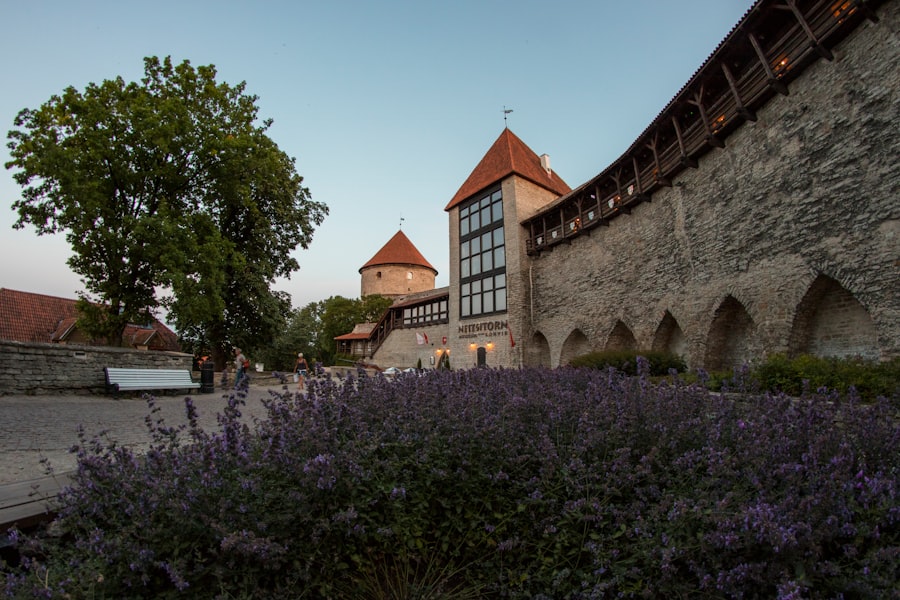
The architectural and artistic achievements of the “Dark Ages” are often overlooked, overshadowed by the grand structures of Rome or the later Gothic cathedrals. Yet, this period saw the development of distinct and influential styles.
Romanesque Architecture
The Romanesque style, which flourished from roughly the 10th to the 12th centuries, is characterized by its massive quality, thick walls, round arches, sturdy piers, groin vaults, large towers, and decorative arcading. These features gave Romanesque churches and castles an imposing, fortress-like appearance, a stark contrast to the more open structures of later periods.
- Functionality and Symbolism: Romanesque buildings were not merely shelters; they were statements of power, faith, and stability in a world often perceived as chaotic. Their robust construction was meant to withstand the test of time, both physically and spiritually.
- Pilgrimage Churches: Many of the grandest Romanesque churches were built along pilgrimage routes, such as the Camino de Santiago in Spain. These churches were designed to accommodate large numbers of pilgrims, often featuring side aisles and ambulatories to facilitate the flow of worshippers.
- Sculptural Decoration: Romanesque churches often featured elaborate sculptural programs on their tympanums, capitals, and portals, depicting biblical scenes, saints, and monstrous figures. These sculptures served as didactic tools, conveying religious narratives to a largely illiterate populace.
Insular Art and Manuscript Illumination
In regions like Ireland and Britain, a distinct art form known as Insular art developed, particularly evident in illuminated manuscripts.
- Intricate Knotwork and Zoomorphics: Insular art is renowned for its intricate interlace patterns, often incorporating zoomorphic (animal) figures, forming complex and visually stunning designs. The Book of Kells is a prime example of this artistic mastery.
- Symbolic Richness: The elaborate decorations within these manuscripts were not merely ornamental; they were imbued with deep symbolic meaning, reflecting the spiritual and cultural beliefs of their creators.
- Portability and Evangelization: These beautifully crafted manuscripts served not only as religious texts but also as portable objects of evangelism, awe-inspiring converts and reinforcing the faith.
Legal and Political Foundations for Modern Europe
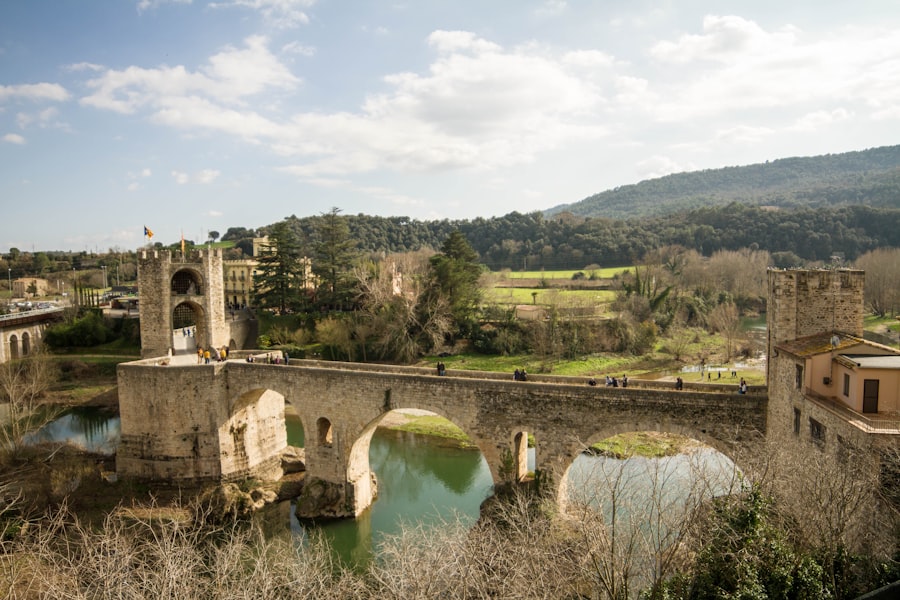
The “Dark Ages” were instrumental in laying the groundwork for many of the legal and political systems that would later define medieval and early modern Europe. The collapse of centralized Roman authority forced the development of new approaches to governance.
Emergence of Feudalism
Feudalism, a complex system of social, economic, and political relationships, emerged as a pragmatic response to the power vacuum created by the decline of Rome and the constant threat of invasion. While often criticized as oppressive, it provided a framework for localized governance and protection.
- Vassalage and Fiefs: The core of feudalism involved a reciprocal relationship between a lord and a vassal, where the vassal pledged military service and loyalty in exchange for a grant of land (a fief). This hierarchical structure provided a degree of stability where central authority was weak.
- Local Governance and Justice: In the absence of a large, centralized state, feudal lords often exercised local judicial and administrative powers, dispensing justice and maintaining order within their domains.
- Rise of the Knightly Class: Feudalism fostered the development of the knightly class, a professional military elite that played a crucial role in warfare and the protection of territories. Chivalry, as an ethical code, also began to emerge during this period.
Development of Common Law and Charters
The legal landscape of the “Dark Ages” also saw the nascent development of systems that would evolve into common law and the use of written charters to define rights and responsibilities.
- Anglo-Saxon Law Codes: In Anglo-Saxon England, various kings, such as Alfred the Great, promulgated written law codes that attempted to standardize justice and introduce elements of a common legal framework, blending Germanic customs with Christian principles.
- Magna Carta as a Landmark (Later Medieval): While the Magna Carta (1215) falls slightly outside the traditional “Dark Ages” timeframe, its principles of limiting royal power and establishing certain rights for the nobility have their roots in earlier interactions between monarchs and their subjects during the preceding centuries. The tradition of granting charters by kings to towns and individuals also speaks to an evolving understanding of rights and privileges.
- Emergence of Representative Assemblies: Precursors to parliamentary bodies, such as the Witenagemot in Anglo-Saxon England, show early forms of consultative assemblies involving leading nobles and churchmen, laying a very distant foundation for representative government.
The notion that the Dark Ages were a time of cultural stagnation and ignorance has been challenged by many historians, who argue that this period was actually marked by significant advancements in various fields. For instance, innovations in agriculture, architecture, and philosophy flourished, laying the groundwork for the Renaissance. If you’re interested in exploring this topic further, you can read more about it in this insightful article on the subject, which provides compelling evidence that the era was not as bleak as often portrayed. Check it out here.
Technological Advancements and Practical Innovations
| Aspect | Common Misconception | Reality | Supporting Data / Metrics |
|---|---|---|---|
| Literacy and Education | Literacy rates plummeted and education ceased | Monasteries preserved and copied manuscripts; education continued in religious institutions | Over 12,000 manuscripts from the period have survived, many copied in monasteries |
| Technological Innovation | No technological progress was made | Inventions like the heavy plow, water mills, and windmills improved agriculture and industry | Use of heavy plow increased crop yields by up to 50% |
| Art and Culture | Art and culture were stagnant or regressed | Romanesque architecture and illuminated manuscripts flourished | Hundreds of Romanesque churches built between 1000-1150 AD |
| Scientific Knowledge | Science was ignored or lost | Scholars preserved and expanded upon Greek and Roman knowledge, especially in the Islamic world | Translations of Aristotle and other works increased by 30% during the 12th century Renaissance |
| Economic Activity | Economy collapsed and trade stopped | Trade routes revived and towns grew, leading to economic recovery | Population of European towns increased by 20-30% between 1000-1300 AD |
Beyond the grand narratives of politics and religion, the “Dark Ages” were a period of practical innovation, often driven by the need to improve everyday life and agricultural efficiency.
Mechanical and Engineering Ingenuity
Several seemingly simple but profoundly impactful technological advancements occurred during this era, impacting various aspects of life.
- Watermills and Windmills: The widespread adoption of watermills and, later, windmills revolutionized processes like grain grinding, fulling cloth, and even sawmilling. These machines harnessed natural power sources, reducing reliance on manual labor and increasing productivity.
- Eyeglasses: While arguably a later medieval invention (late 13th century), the development of eyeglasses profoundly impacted literacy and scholarship by allowing individuals with poor eyesight to read and work for longer periods, effectively prolonging intellectual careers.
- The Stirrup: Introduced to Europe around the 8th century, the stirrup transformed ancient warfare. It provided riders with greater stability and leverage, enabling them to deliver more powerful blows with lances and swords, significantly impacting cavalry tactics.
Craftsmanship and Material Culture
The craftsmanship of the “Dark Ages” is often underestimated, showcasing sophisticated techniques in metallurgy, textiles, and other crafts.
- Metallurgy and Weaponry: Master blacksmiths produced high-quality iron and steel tools, armor, and weaponry. The patterned welding techniques used in some swords, for instance, demonstrate a sophisticated understanding of metallurgy.
- Textile Production: The production of textiles, from wool and linen to more luxurious silks (often imported), was a significant industry. Innovations in weaving and dyeing techniques allowed for a diverse range of fabrics and garments.
- Shipbuilding: The Viking longships, constructed with incredible skill and engineering ingenuity, were marvels of their age. Their seaworthiness and speed allowed for exploration, trade, and raiding across vast distances, demonstrating a deep understanding of naval architecture.
In conclusion, the label “Dark Ages” is a relic of a bygone historical perspective, one that fails to acknowledge the rich complexities and formative developments of a millennium. While it is undeniable that there were periods of upheaval and intellectual decline in certain regions, particularly following the initial break-up of the Roman Empire in Western Europe, to paint the entire era with a brush of universal darkness is to commit an historical injustice.
Readers should appreciate that this period was not a void, but a crucial bridge, a crucible in which the elements of classical antiquity, developing Christian thought, and Germanic traditions were forged into something new. It was an epoch of profound transformations: the foundation of monasticism preserving knowledge, the evolution of agricultural practices feeding growing populations, the birth of distinctive architectural and artistic styles, the emergence of early legal and political systems, and the slow but steady stream of practical innovations. These were the fertile grounds upon which the High Middle Ages and eventually the Renaissance would blossom. To truly understand Western civilization, one must look not merely to the blinding brilliance of Rome or the Enlightenment, but also to the subtle yet profound glimmerings that illuminated the so-called “Dark Ages,” proving that even in perceived shadow, the seeds of future light were diligently sown and nurtured.
FAQs
What time period is referred to as the Dark Ages?
The Dark Ages generally refer to the early medieval period in Europe, roughly from the 5th to the 10th century, following the fall of the Western Roman Empire.
Why were the Dark Ages originally considered “dark”?
They were called “dark” because of the perceived cultural and economic decline, scarcity of written records, and the assumption that little progress was made during this time.
What evidence challenges the idea that the Dark Ages were truly “dark”?
Archaeological discoveries, preserved manuscripts, advancements in agriculture, and the continuation of trade and learning in certain regions show that the period was not uniformly bleak or stagnant.
Were there any significant achievements during the so-called Dark Ages?
Yes, there were important developments such as the Carolingian Renaissance, improvements in farming techniques, the establishment of universities, and preservation of classical knowledge by monasteries.
How has modern scholarship changed the perception of the Dark Ages?
Modern historians recognize the period as complex and varied, emphasizing continuity and transformation rather than decline, and often prefer terms like “Early Middle Ages” to avoid the negative connotations of “Dark Ages.”