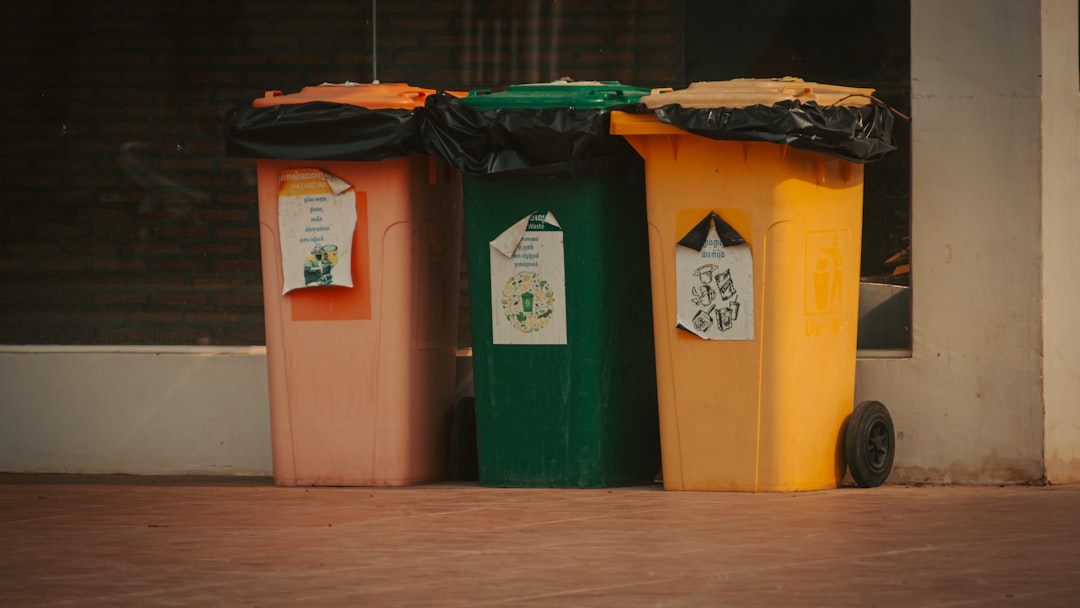
Blue bin recycling has become a staple in many communities, symbolizing a collective effort to reduce waste and promote sustainability.
Many individuals believe that simply tossing items into the blue bin guarantees their recycling, but the reality is far more complex.
The effectiveness of blue bin recycling hinges on a multitude of factors, including proper sorting, contamination levels, and the capabilities of local recycling facilities. In essence, blue bin recycling is not just a matter of convenience; it requires a concerted effort from consumers to ensure that recyclable materials are correctly identified and disposed of. The journey of recyclables begins with the consumer’s choice to recycle, but it does not end there.
The entire process involves a series of steps that determine whether materials are successfully recycled or end up in landfills. Understanding this process is crucial for fostering a culture of responsible recycling and maximizing the benefits of blue bin programs.
Key Takeaways
- Blue bin recycling is often misunderstood, with many common misconceptions about what can be recycled.
- Contamination and improper sorting significantly reduce the effectiveness of blue bin recycling.
- Consumer education plays a crucial role in improving recycling outcomes and reducing contamination.
- Recycling facilities face challenges such as sorting complexity and economic constraints.
- Innovations and informed consumer actions are key to enhancing the future impact of blue bin recycling.
Common Misconceptions About Blue Bin Recycling
One of the most prevalent misconceptions about blue bin recycling is the belief that all materials marked with recycling symbols are suitable for recycling. This assumption can lead to significant contamination issues, as many items that are commonly placed in blue bins do not belong there. For instance, items like plastic bags, pizza boxes, and certain types of glass can disrupt the recycling process and render entire batches of recyclables unusable.
This misunderstanding highlights the need for clear guidelines on what can and cannot be recycled. Another common myth is that recycling is a foolproof solution to waste management. While recycling plays a vital role in reducing landfill waste, it is not a panacea for environmental issues.
Many people fail to recognize that recycling requires energy and resources, and not all materials can be recycled indefinitely. This misconception can lead to complacency among consumers, who may feel that their responsibility ends once they place an item in the blue bin. In reality, effective recycling requires ongoing education and engagement from the community to ensure that materials are properly sorted and processed.
What Really Happens to Recyclables in the Blue Bin
Once items are placed in the blue bin, they embark on a journey through the recycling system that is often invisible to the consumer. After collection, recyclables are transported to a materials recovery facility (MRF), where they undergo sorting and processing. At this stage, workers and machines separate different types of materials—such as plastics, metals, and paper—based on their composition.
This sorting process is critical, as it determines the quality and marketability of the recycled materials. Following sorting, the recyclables are cleaned and prepared for sale to manufacturers who will use them to create new products. However, this process is not without its challenges.
Contaminated materials can lead to increased costs and reduced efficiency at MRFs, ultimately affecting the overall success of recycling programs. Understanding this journey can help consumers appreciate the importance of proper disposal practices and encourage them to take an active role in ensuring their recyclables are clean and correctly sorted.
The Impact of Contamination on Blue Bin Recycling
Contamination poses one of the most significant challenges to blue bin recycling efforts. When non-recyclable items or dirty materials are mixed in with recyclables, they can compromise entire loads, leading to increased costs for recycling facilities and decreased efficiency in processing. For example, if a single pizza box covered in grease is placed in a bin with clean paper products, it can contaminate the entire batch, rendering it unsuitable for recycling.
This issue underscores the importance of consumer awareness regarding what constitutes acceptable recyclable materials. The financial implications of contamination are also noteworthy. Recycling facilities often face higher operational costs due to the need for additional labor to sort out contaminants and the potential loss of revenue from unusable materials.
As a result, many municipalities have had to raise fees or reduce services related to recycling programs. By educating consumers about proper recycling practices and the consequences of contamination, communities can work together to improve the overall effectiveness of blue bin recycling initiatives.
The Role of Consumer Education in Improving Blue Bin Recycling
| Myth | Fact | Impact on Recycling | Source |
|---|---|---|---|
| All plastics can be recycled in the blue bin | Only certain types of plastics (usually #1 and #2) are accepted in blue bin recycling | Contamination from non-recyclable plastics can cause entire batches to be rejected | EPA Recycling Guidelines |
| Blue bin recycling is always sorted by hand | Most facilities use automated sorting technology with some manual quality control | Improves efficiency and reduces labor costs, but contamination still a problem | Waste Management Reports |
| Food residue on recyclables is acceptable | Recyclables should be rinsed to avoid contamination and pests | Dirty items can spoil recyclable materials and reduce quality | Recycling Partnership |
| Blue bin recycling always ends up being recycled | Some materials are sent to landfill due to contamination or lack of market demand | Reduces overall recycling rates and environmental benefits | National Waste Report |
| Glass should always go in the blue bin | Some programs require glass to be recycled separately or not at all | Incorrect disposal can damage sorting equipment and contaminate other recyclables | Local Recycling Guidelines |
Consumer education plays a pivotal role in enhancing the effectiveness of blue bin recycling programs. When individuals are informed about what can be recycled and how to prepare items for recycling, they are more likely to participate responsibly in these initiatives. Educational campaigns can take various forms, including workshops, informational pamphlets, and digital resources that provide clear guidelines on acceptable materials and best practices for recycling.
Moreover, engaging consumers through community events or school programs can foster a sense of responsibility and ownership over local recycling efforts. By creating opportunities for individuals to learn about the environmental impact of their choices and how proper recycling contributes to sustainability, communities can cultivate a culture of conscientious consumption. Ultimately, informed consumers are more likely to make choices that support effective blue bin recycling and contribute positively to their environment.
The Importance of Proper Sorting in Blue Bin Recycling
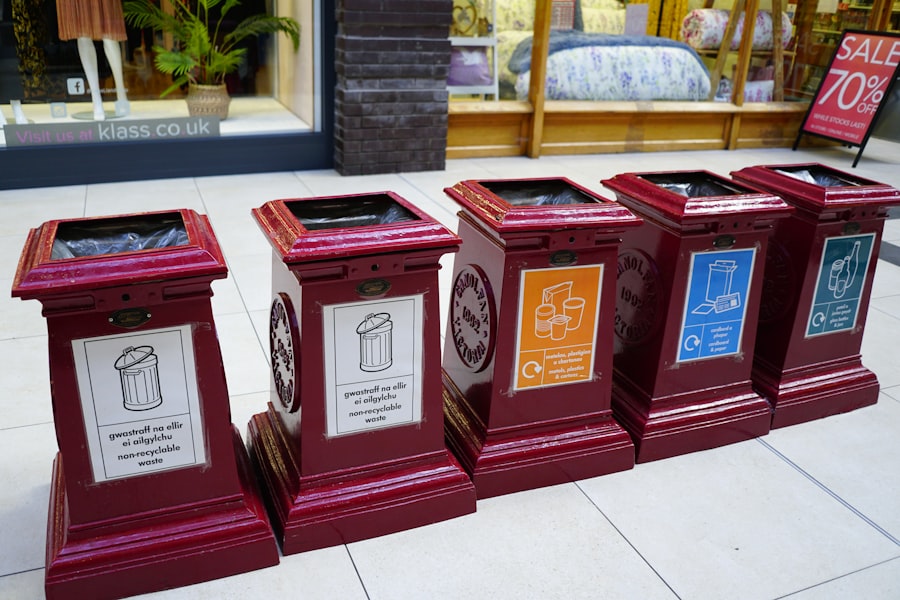
Proper sorting is essential for maximizing the efficiency and effectiveness of blue bin recycling programs. When recyclables are sorted correctly at the source—meaning before they even reach the MRF—it significantly reduces contamination rates and streamlines processing efforts. Consumers play a crucial role in this sorting process by being mindful of what they place in their blue bins and ensuring that items are clean and free from food residue.
In addition to individual efforts, municipalities can implement strategies to improve sorting at the source. For instance, providing clear labeling on bins or offering dual-stream recycling options—where residents separate recyclables into different containers—can enhance sorting accuracy. By prioritizing proper sorting practices, communities can increase the quality of recyclables sent to processing facilities, ultimately leading to higher recovery rates and more successful recycling outcomes.
The Challenges Faced by Recycling Facilities
Recycling facilities encounter numerous challenges that can hinder their ability to process materials effectively. One major issue is fluctuating market demand for recycled materials. When demand decreases, facilities may struggle to find buyers for their products, leading to increased stockpiling or even disposal of recyclables that cannot be sold.
This situation can create a cycle of uncertainty for both facilities and consumers regarding the viability of recycling programs. Additionally, many recycling facilities operate with outdated technology or limited resources, which can impede their efficiency. Upgrading equipment or expanding capacity often requires significant investment, which may not be feasible for all facilities.
As a result, some facilities may be unable to keep pace with growing volumes of recyclables or adapt to changing market conditions. Addressing these challenges requires collaboration between local governments, private companies, and community members to ensure that recycling systems are robust and capable of meeting current demands.
The Environmental Benefits of Effective Blue Bin Recycling
Effective blue bin recycling offers numerous environmental benefits that extend beyond simply reducing landfill waste. By diverting recyclable materials from landfills, communities can significantly decrease greenhouse gas emissions associated with waste decomposition. Additionally, recycling conserves natural resources by reducing the need for virgin materials in manufacturing processes.
For example, recycling aluminum saves up to 95% of the energy required to produce new aluminum from raw ore. Moreover, successful blue bin recycling contributes to a circular economy by promoting sustainable practices within industries. When manufacturers use recycled materials in their production processes, they reduce their reliance on finite resources and minimize environmental degradation associated with extraction and processing activities.
This shift towards circularity not only benefits the planet but also fosters economic resilience by creating jobs within the recycling sector and supporting local economies.
The Economic Reality of Blue Bin Recycling
While blue bin recycling presents numerous environmental advantages, it also faces economic realities that cannot be overlooked. The costs associated with collecting, sorting, and processing recyclables can be substantial, particularly when contamination rates are high or market demand fluctuates. Municipalities often grapple with budget constraints that impact their ability to maintain robust recycling programs.
Furthermore, as global markets for recycled materials evolve, local governments must adapt their strategies accordingly. In some cases, municipalities have had to reassess their recycling programs or explore alternative waste management solutions due to economic pressures. This reality underscores the importance of consumer participation in ensuring that blue bin recycling remains viable and effective; when individuals take responsibility for proper sorting and contamination prevention, they contribute directly to the economic sustainability of local recycling initiatives.
The Future of Blue Bin Recycling: Innovations and Solutions
The future of blue bin recycling holds promise as innovations emerge within the industry aimed at improving efficiency and effectiveness.
These innovations have the potential to revolutionize how recyclables are processed while minimizing contamination rates.
Additionally, there is growing interest in developing closed-loop systems where manufacturers take responsibility for their products’ end-of-life management. Extended producer responsibility (EPR) policies encourage companies to design products with recyclability in mind and invest in systems that facilitate responsible disposal. By fostering collaboration between manufacturers, consumers, and waste management entities, communities can work towards creating more sustainable blue bin recycling systems that benefit both people and the planet.
How You Can Make a Difference in Blue Bin Recycling
Individuals have a significant role to play in enhancing blue bin recycling efforts within their communities. By educating themselves about what can be recycled and adhering to proper sorting practices, consumers can help reduce contamination rates and improve overall program effectiveness. Simple actions—such as rinsing containers before placing them in the blue bin or avoiding placing non-recyclable items alongside recyclables—can make a substantial difference.
Moreover, advocating for better education initiatives within local communities can amplify these efforts further. Engaging with local governments or organizations focused on sustainability can help promote awareness campaigns that inform residents about best practices for blue bin recycling. By taking proactive steps toward responsible consumption and encouraging others to do the same, individuals can contribute meaningfully to creating a more sustainable future through effective blue bin recycling practices.
Many people are often misled by common myths surrounding blue bin recycling, which can lead to improper disposal of recyclable materials. For a deeper understanding of the misconceptions and facts about recycling, you can read a related article that debunks these myths and provides valuable insights. Check it out here: Recycling Myths Debunked.
WATCH THIS! 🚨 THE RECYCLING LIE: How Big Oil Fooled the World for 50 Years 🚨
FAQs
What is the blue bin recycling myth?
The blue bin recycling myth refers to common misconceptions about what can and cannot be recycled in blue bins, often leading to contamination of recyclable materials.
What items are commonly mistaken as recyclable in blue bins?
Items such as plastic bags, food-contaminated containers, styrofoam, and certain types of glass or plastic not accepted by local programs are often mistakenly placed in blue bins.
Why is contamination in blue bin recycling a problem?
Contamination can cause entire batches of recyclables to be sent to landfill instead of being processed, increasing waste and reducing the efficiency of recycling programs.
How can I find out what is accepted in my local blue bin recycling?
Check your local municipality or waste management website for specific guidelines, as accepted materials can vary by location.
Are all plastics recyclable in blue bins?
No, not all plastics are recyclable in blue bins. Typically, only certain types of rigid plastics are accepted, while plastic bags and films usually are not.
Does rinsing containers before recycling matter?
Yes, rinsing containers helps reduce contamination by removing food residue, which can spoil other recyclables.
Can I recycle electronics or batteries in the blue bin?
No, electronics and batteries require special disposal and should not be placed in blue bin recycling.
What happens to materials placed incorrectly in the blue bin?
Incorrectly placed items can damage recycling machinery, contaminate recyclable materials, and increase processing costs.
Is it better to throw questionable items in the trash or the blue bin?
If unsure, it is generally better to avoid placing questionable items in the blue bin to prevent contamination; check local guidelines or recycling centers for advice.
How can I help improve blue bin recycling effectiveness?
Educate yourself on local recycling rules, properly clean and sort recyclables, avoid placing non-recyclable items in the bin, and participate in community recycling programs.