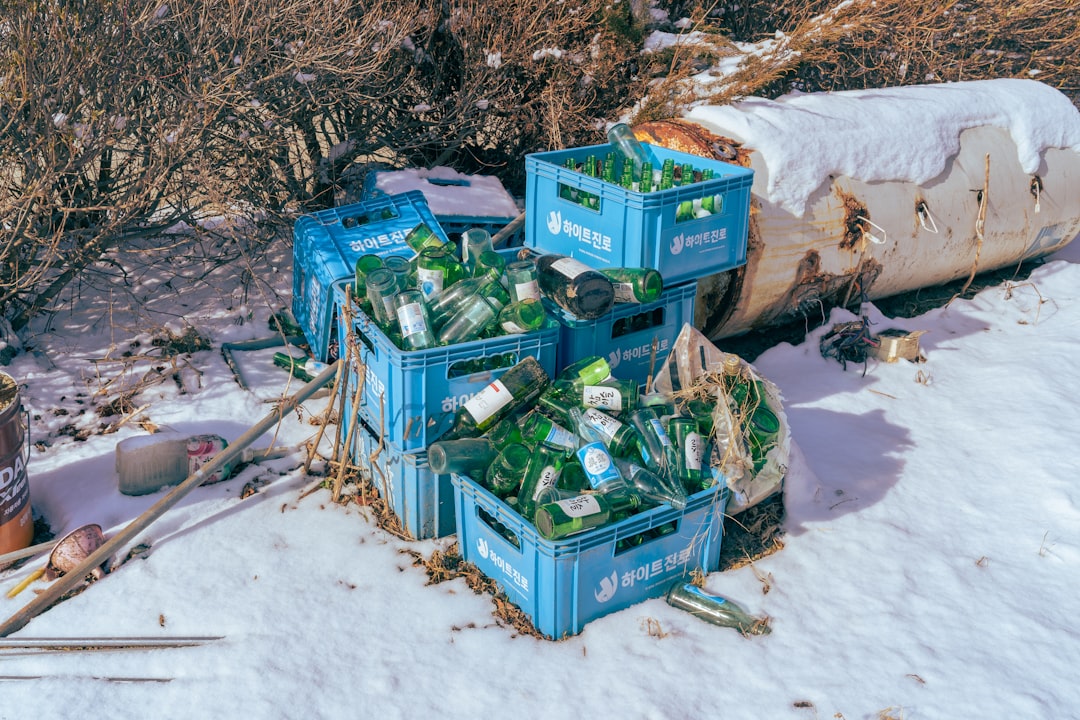
Recycling has long been heralded as a cornerstone of environmental conservation, yet many misconceptions cloud the public’s understanding of its true efficacy. While the intention behind recycling is noble, the reality is often more complex than the simple act of tossing materials into a designated bin. The truth about recycling involves a nuanced understanding of what can be recycled, how it is processed, and the actual benefits it provides to the environment.
Many individuals believe that all recyclable materials are automatically transformed into new products, but this is not always the case. The journey from the blue bin to a new item is fraught with challenges that can undermine the recycling process. Moreover, the effectiveness of recycling programs varies significantly across different regions.
Some municipalities have robust systems in place that ensure a high percentage of materials are successfully recycled, while others struggle with outdated infrastructure and limited resources. This disparity can lead to confusion and frustration among consumers who may feel that their efforts to recycle are in vain. Understanding the truth about recycling requires a critical examination of local practices, the types of materials accepted, and the overall impact on waste reduction.
Key Takeaways
- Recycling programs like the Blue Bin have specific guidelines that are crucial for effective waste management.
- Contamination in recycling bins significantly reduces the efficiency and environmental benefits of recycling.
- Proper education and consumer participation are essential to improve recycling outcomes.
- Challenges such as plastic recycling require innovative solutions and ongoing advancements.
- Reducing, reusing, and recycling collectively contribute to a more sustainable future and environmental protection.
The Blue Bin Recycling Program: What You Need to Know
The Blue Bin Recycling Program is a common initiative in many communities aimed at encouraging residents to recycle their waste. Typically, this program allows individuals to place various recyclable materials—such as paper, cardboard, glass, and certain plastics—into a designated blue bin for collection. However, the specifics of what can be recycled often vary by location, making it essential for residents to familiarize themselves with their local guidelines.
This knowledge not only helps streamline the recycling process but also maximizes the potential for materials to be repurposed effectively. In addition to understanding what can be recycled, residents should also be aware of the collection schedule and any special events that may occur throughout the year. Some communities offer additional drop-off locations or seasonal clean-up days that provide opportunities for residents to dispose of larger items or hazardous waste responsibly.
Engaging with local recycling programs can foster a sense of community responsibility and encourage individuals to take an active role in reducing waste.
Common Misconceptions About Blue Bin Recycling
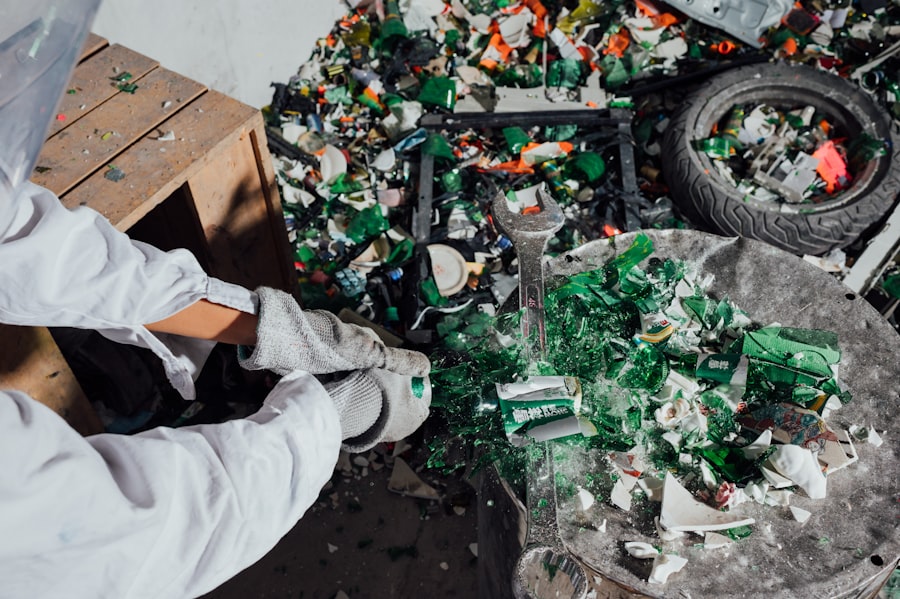
Despite the widespread adoption of Blue Bin Recycling Programs, several misconceptions persist that can hinder their effectiveness. One prevalent myth is that all items placed in the blue bin will be recycled regardless of their condition or type. In reality, contamination—such as food residue on containers or mixing non-recyclable materials—can lead to entire batches being sent to landfills instead of being processed for recycling.
This misunderstanding highlights the importance of proper sorting and cleaning before placing items in the bin. Another common misconception is that recycling is a panacea for environmental issues. While recycling plays a crucial role in waste management, it is not a complete solution to the growing problem of plastic pollution and resource depletion.
Many individuals believe that by simply recycling, they are absolving themselves of responsibility for their consumption habits. In truth, reducing waste at the source and reusing items whenever possible are equally important components of an effective environmental strategy.
The Environmental Impact of Blue Bin Recycling
The environmental impact of Blue Bin Recycling can be significant when executed properly.
For instance, recycling aluminum saves up to 95% of the energy required to produce new aluminum from bauxite ore.
Similarly, recycling paper reduces deforestation and water usage, contributing positively to ecosystem preservation. However, the benefits of recycling are contingent upon effective systems in place to manage collected materials. If contamination rates are high or if there is insufficient market demand for recycled products, the environmental advantages can diminish rapidly.
Therefore, while Blue Bin Recycling has the potential to make a positive impact on the environment, it must be part of a broader strategy that includes reducing consumption and promoting sustainable practices across all sectors.
The Reality of Recycling Contamination
| Myth | Fact | Impact on Recycling | Source |
|---|---|---|---|
| All plastics can be recycled in the blue bin | Only certain types of plastics (usually #1 and #2) are accepted in blue bin recycling | Contamination from non-recyclable plastics can cause entire batches to be sent to landfill | Environmental Protection Agency (EPA) |
| Blue bin recycling is always sorted by hand | Most blue bin materials are sorted using automated machinery and optical sorters | Improves efficiency but requires proper sorting at source to reduce contamination | Recycling Partnership Report 2023 |
| Food residue on recyclables is acceptable | Recyclables should be rinsed to remove food residue before placing in the blue bin | Food contamination can spoil recyclable materials and reduce recycling rates | Waste Management Guidelines |
| Blue bin recycling is the same everywhere | Recycling rules vary by municipality and region | Incorrect disposal due to misunderstanding local rules leads to higher contamination | Local Government Recycling Programs |
| Glass is always accepted in blue bin recycling | Some programs require glass to be recycled separately or not at all in blue bins | Mixing glass with other recyclables can damage equipment and reduce quality | Recycling Industry Association |
Recycling contamination is a pressing issue that undermines the effectiveness of Blue Bin Recycling Programs. Contamination occurs when non-recyclable items or improperly cleaned recyclable materials are mixed in with acceptable items. This can lead to entire loads being deemed unsuitable for recycling and subsequently sent to landfills or incinerators.
The reality is that contamination rates can be alarmingly high; studies have shown that up to 25% of materials placed in recycling bins may not be recyclable at all. Addressing contamination requires education and awareness among consumers about what constitutes acceptable recyclable materials. Many municipalities have implemented campaigns aimed at informing residents about proper recycling practices, including clear guidelines on how to clean and sort items before disposal.
By fostering a culture of responsibility around recycling, communities can significantly reduce contamination rates and enhance the overall effectiveness of their recycling programs.
The Challenges of Recycling Plastic
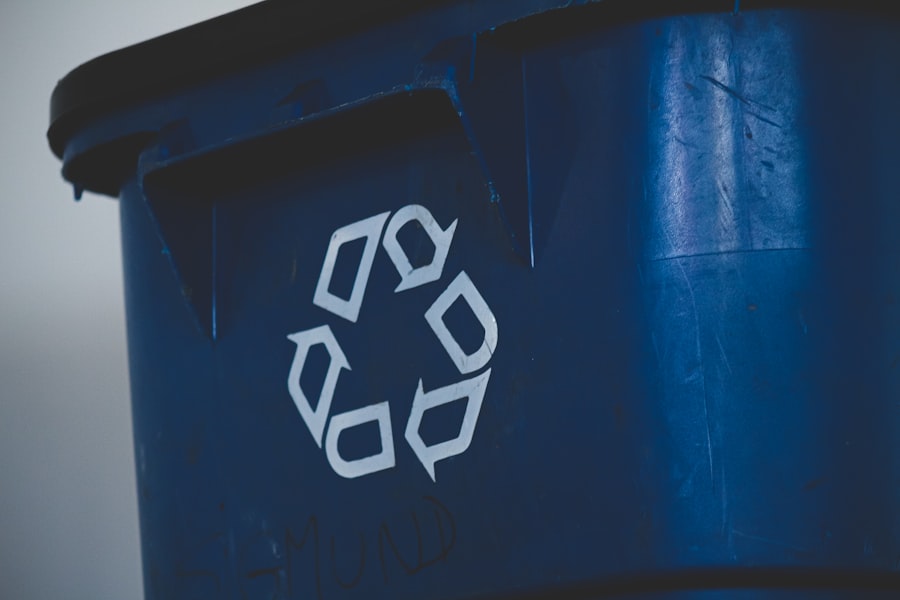
Plastic recycling presents unique challenges that complicate efforts to manage plastic waste effectively. One major issue is the sheer variety of plastics available on the market, each with different properties and recycling requirements. Many types of plastic are not accepted in curbside recycling programs due to their complexity or lack of market demand for recycled materials.
As a result, a significant portion of plastic waste ends up in landfills or oceans, contributing to environmental degradation. Additionally, the recycling process for plastics can be resource-intensive and costly. Many facilities struggle with outdated technology that makes it difficult to efficiently sort and process different types of plastics.
This inefficiency can lead to lower recycling rates and increased reliance on virgin materials. To combat these challenges, innovations in plastic recycling technology and increased investment in infrastructure are essential for creating a more sustainable future.
The Importance of Proper Recycling Education
Proper recycling education is crucial for maximizing the effectiveness of Blue Bin Recycling Programs and reducing contamination rates. Many individuals are unaware of what materials can be recycled or how to prepare them for collection. Educational initiatives can take various forms, including community workshops, informational pamphlets, and digital campaigns aimed at raising awareness about best practices in recycling.
Moreover, education should extend beyond just what can be recycled; it should also encompass broader concepts such as waste reduction and sustainable consumption. By equipping individuals with knowledge about their environmental impact and encouraging them to adopt more sustainable habits, communities can foster a culture of responsibility that extends beyond recycling alone.
The Role of Consumers in Effective Recycling
Consumers play a pivotal role in ensuring the success of recycling initiatives within their communities. Their choices directly influence what materials are collected and how effectively they are processed. By being informed about local recycling guidelines and actively participating in proper sorting practices, consumers can significantly reduce contamination rates and enhance overall recycling outcomes.
Furthermore, consumers can advocate for better recycling policies and practices within their municipalities. Engaging with local government representatives and supporting initiatives aimed at improving recycling infrastructure can lead to more effective programs that benefit both the environment and community members. Ultimately, consumer involvement is essential for creating a sustainable future where recycling is not just an option but a standard practice.
The Future of Recycling: Innovations and Solutions
The future of recycling holds promise as innovations continue to emerge in technology and processes aimed at improving efficiency and effectiveness. Advances in sorting technology, such as artificial intelligence and robotics, have the potential to revolutionize how recyclable materials are processed by increasing accuracy and reducing contamination rates. These innovations could lead to higher recovery rates and greater market demand for recycled products.
Additionally, there is growing interest in developing closed-loop systems where products are designed with their end-of-life in mind. This approach encourages manufacturers to create items that are easier to recycle or repurpose, ultimately reducing waste generation at its source. As society becomes more aware of environmental issues, there is hope that these innovations will pave the way for a more sustainable future where recycling plays an integral role in resource management.
The Benefits of Reducing, Reusing, and Recycling
The benefits of reducing, reusing, and recycling extend far beyond mere waste management; they encompass economic, social, and environmental dimensions as well. By prioritizing reduction—minimizing consumption before it occurs—individuals can significantly decrease their overall waste footprint. Reusing items whenever possible not only conserves resources but also fosters creativity and resourcefulness within communities.
Recycling complements these practices by ensuring that materials are diverted from landfills and reintroduced into the production cycle. This not only conserves natural resources but also creates jobs within the recycling industry and stimulates local economies. Collectively, these three principles form a comprehensive approach to sustainability that empowers individuals and communities to take meaningful action toward environmental stewardship.
Taking Action: How You Can Make a Difference in Recycling
Taking action in support of effective recycling practices begins with individual commitment and awareness. Residents can start by educating themselves about their local recycling guidelines and ensuring they follow them diligently. Simple actions such as rinsing containers before disposal or avoiding wish-cycling—placing non-recyclable items in hopes they will be accepted—can make a significant difference in reducing contamination rates.
By sharing knowledge with friends and family about proper recycling methods and encouraging others to adopt sustainable habits, individuals can create a ripple effect that fosters a culture of responsibility toward waste management. In conclusion, while challenges remain within the realm of recycling—particularly regarding contamination rates and plastic waste—the potential for positive change is immense when individuals take proactive steps toward education and advocacy.
By understanding the truth about recycling and actively participating in local programs, consumers can contribute significantly to creating a more sustainable future for generations to come.
Many people are often misled by common myths surrounding blue bin recycling, which can lead to improper disposal of recyclable materials. For a deeper understanding of these misconceptions and to learn more about effective recycling practices, you can read the article on this topic at