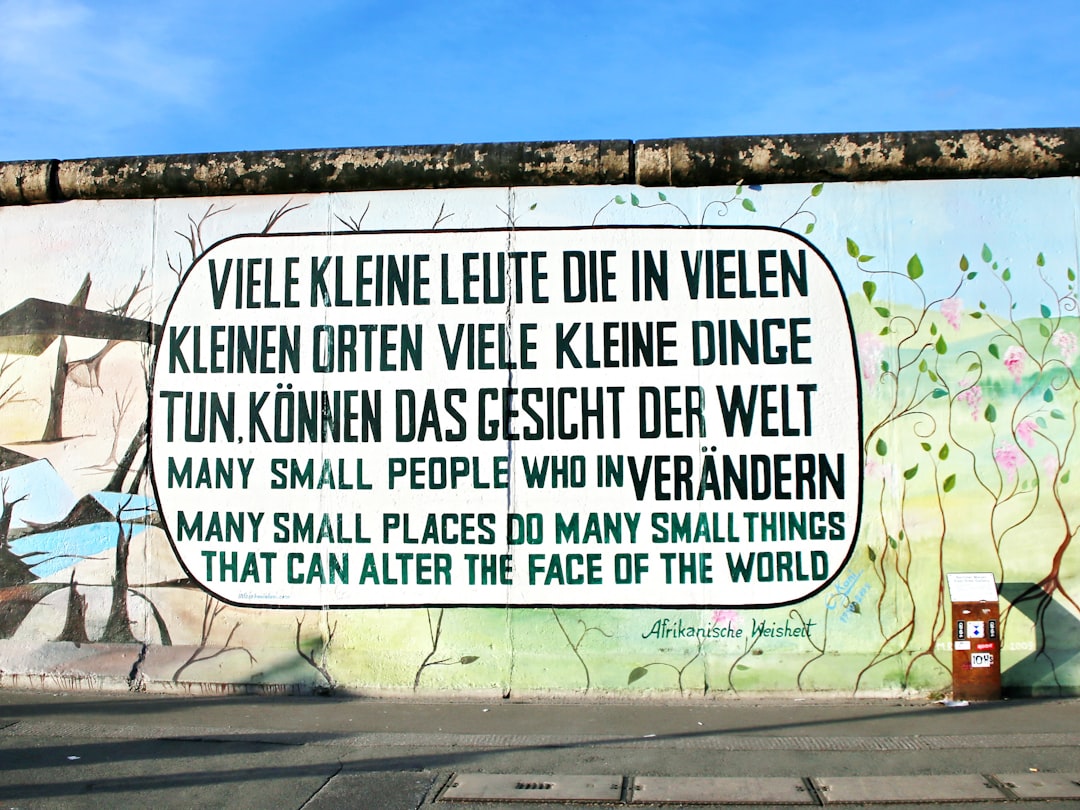
The crumbling of the Berlin Wall on November 9, 1989, was not an isolated event; it was a seismic tremor that signaled a profound shift in the geopolitical landscape, a prelude to the eventual dissolution of the Union of Soviet Socialist Republics (USSR). This monumental occasion, etched into the collective memory of the 20th century, represented more than just the reunification of a city; it was a potent symbol of the ideological and systemic decay that had been steadily eroding the foundations of Soviet power. To understand this interconnectedness, one must examine the internal vulnerabilities of the Soviet system, the growing dissent within its sphere of influence, and the cascading effects that the fall of the Wall unleashed.
The Soviet Union, a vast and ideologically driven empire, was not a monolithic entity immune to the passage of time and the pressures of reality. Its vastness, while a source of strength in terms of raw resources, also presented immense logistical, administrative, and economic challenges. Decades of centralized planning, designed to achieve utopian ideals, had instead fostered inefficiency, stagnation, and a pervasive sense of disillusionment among its citizens and those in its satellite states.
The Burden of the Command Economy
At the heart of the Soviet Union’s internal struggles lay its command economy. This system, characterized by state ownership of the means of production and central planning of economic activity, was intended to eliminate market fluctuations and ensure equitable distribution. However, it proved to be a rigid and unresponsive mechanism. Production targets, often dictated by bureaucratic fiat rather than consumer demand, led to chronic shortages of some goods and surpluses of others. Innovation was stifled as conformity was prioritized over creativity. The pursuit of military parity with the West, a cornerstone of Soviet foreign policy throughout the Cold War, placed an immense strain on an already faltering economy. Resources that could have been invested in improving the living standards of citizens were diverted to the arms race, further exacerbating economic woes. The lack of consumer goods and the often-poor quality of available products created a stark contrast with the West, a contrast that the growing access to Western media, even through clandestine channels, made increasingly apparent. This economic malaise acted as a slow-acting poison, weakening the Soviet edifice from within.
Ideological Erosion and Growing Cynicism
The official ideology of Marxism-Leninism, once a powerful animating force, had, by the late 20th century, become largely an empty ritual for many within the Soviet Union and its satellite states. The discrepancy between the proclaimed ideals of communism – equality, justice, and prosperity – and the lived reality of shortages, repression, and corruption bred widespread cynicism. The ruling Communist Party, once seen as the vanguard of the proletariat, was increasingly perceived as a self-serving and ossified bureaucracy. The narrative of external capitalist threats, long used to rally support and justify sacrifices, began to ring hollow as the economic and social disparities became more pronounced. The lack of political freedoms, including censorship and the suppression of dissent, further fueled this disillusionment. When the state controls all avenues of information, the truth, like a stubborn weed, always finds a way to sprout.
The Gorbachev Factor: Perestroika and Glasnost
The rise of Mikhail Gorbachev in 1985 marked a turning point. Recognizing the deep-seated problems, Gorbachev embarked on a program of reforms: Perestroika (restructuring) and Glasnost (openness). Perestroika aimed to introduce market-like mechanisms into the Soviet economy, decentralize decision-making, and encourage private enterprise. Glasnost sought to increase transparency, reduce censorship, and allow for greater public discussion and participation. While intended to revitalize the Soviet system, these reforms inadvertently opened Pandora’s Box. For decades, the lid of Soviet repression had been held firmly shut. Glasnost began to lift that lid, allowing the long-suppressed grievances and aspirations of the people to surface. Perestroika, by introducing economic adjustments without fully dismantling the old system, often led to increased disruption and uncertainty, further fueling discontent. Gorbachev’s reforms, like a surgeon attempting to heal a diseased limb, inadvertently exposed the extent of the rot.
The Fall of the Berlin Wall in 1989 marked a significant turning point not only for Germany but also for the entire Soviet Union, as it symbolized the decline of communist influence in Eastern Europe. This event catalyzed a series of reforms and ultimately contributed to the dissolution of the USSR in 1991. For a deeper understanding of the implications of this historic moment, you can read a related article that explores the broader effects of the Berlin Wall’s fall on the Soviet Union and its satellite states. Check it out here: related article.
The Winds of Change: Eastern Europe’s Thaw
The Soviet Union’s firm grip on its Eastern European satellite states, forged in the aftermath of World War II, had always been a source of tension. The imposition of communist regimes, the suppression of democratic aspirations, and the economic exploitation of these nations created a fertile ground for dissent. Gorbachev’s reforms, particularly Glasnost, sent ripples of change across the Iron Curtain, emboldening populations long accustomed to Soviet dominance.
The Rejection of the Brezhnev Doctrine
A critical factor in the Eastern European thaw was the implicit or explicit abandonment of the Brezhnev Doctrine. This doctrine, articulated in the late 1960s, asserted the Soviet Union’s right to intervene in the affairs of its satellite states if socialist gains were perceived to be threatened. This threat of Soviet military intervention had been a powerful deterrent against any move towards greater independence. As Gorbachev signaled a departure from rigid Soviet control and emphasized the Soviet Union’s own internal challenges, the perceived threat of Soviet tanks rolling in began to recede. This withdrawal of the implicit threat provided a crucial window of opportunity for popular movements to assert themselves.
The Domino Effect of Peaceful Revolutions
Inspired by the shifting Soviet stance and emboldened by their own long-simmering desires for freedom, Eastern European nations began to shed their communist regimes in a series of largely peaceful revolutions in 1989. Poland led the way with the Solidarity movement, which negotiated a peaceful transition to democracy. Hungary opened its border with Austria, a symbolic act that would have profound consequences for East Germany. Czechoslovakia experienced its “Velvet Revolution,” a swift and non-violent overthrow of the communist government. Bulgaria and Romania also witnessed significant political upheaval. These events, occurring in rapid succession, created a palpable sense of momentum, a collective realization that change was not only possible but imminent. Each successful transition acted as a powerful beacon, illuminating the path forward for others.
The German Question and the Berlin Wall
The division of Germany, a direct legacy of World War II, was a constant scar on the European landscape. The Berlin Wall, erected in 1961, became the most potent symbol of this division and the broader Cold War divide between East and West. For decades, it stood as a concrete manifestation of ideological separation, a grim barrier separating families, friends, and a nation. The mounting pressure for reform in East Germany, fueled by the democratic transitions in neighboring countries and the ongoing economic stagnation, became increasingly difficult for the GDR leadership to contain. Citizens, witnessing the freedoms enjoyed elsewhere and yearning for their own, began to flee, particularly through newly opened borders in Hungary and Czechoslovakia. The government’s attempts to stem this exodus proved futile, and the calls for freedom within East Germany grew louder.
The Night the Wall Came Down: A Symbol of Collapse
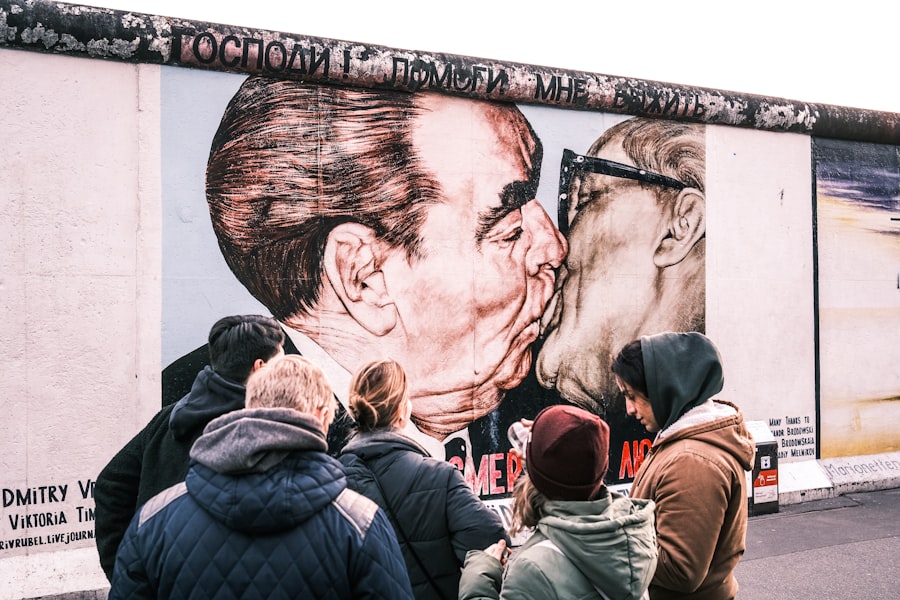
The fall of the Berlin Wall was not a planned, orchestrated event leading to the Soviet Union’s demise. Rather, it was a spontaneous eruption of popular will, a symbolic dismantling of a decades-old barrier that signaled the irrepressible desire for freedom and unity. Its collapse served as a powerful catalyst, accelerating the decline of Soviet authority and ushering in an era of profound geopolitical transformation.
The Accidental Announcement and the Tipping Point
On November 9, 1989, during a press conference, East German official Günter Schabowski, misinformed about the details of new travel regulations, mistakenly announced that East Germans would be free to travel to West Germany with immediate effect. This casual, almost accidental, pronouncement acted as the spark that ignited a wildfire. Thousands of East Berliners, hearing the news, converged on the border crossings, demanding passage. Border guards, overwhelmed and without clear orders, eventually relented, opening the gates. The images of jubilant East and West Berliners embracing, dancing on top of the Wall, and chipping away at its concrete structure were broadcast worldwide, resonating deeply as a triumph of hope over oppression. This was not a carefully planned demolition; it was the dam breaking under the weight of accumulated pressure.
The Inevitable March of History
The fall of the Berlin Wall served as an undeniable signal that the Soviet Union’s ability to control its sphere of influence was rapidly diminishing. The ideological legitimacy of Soviet-backed regimes across Eastern Europe had been severely undermined. The scenes of the Wall’s destruction were a powerful testament to the failure of the Soviet model and the resilience of the human spirit’s desire for self-determination. The Iron Curtain, once seemingly impenetrable, had been breached, and the cracks were rapidly widening into chasms. The genie of freedom, once released, could not be easily cajoled back into its bottle.
The Echoes Across the Soviet Republics
The symbolic victory in Berlin resonated far beyond Eastern Europe, stirring dormant aspirations within the Soviet Union’s constituent republics. The perception that Moscow’s control was weakening emboldened nationalist and independence movements within the USSR itself. Baltic states, which had been forcibly annexed by the Soviet Union, intensified their calls for independence. Republics across the Caucasus and Central Asia began to assert their own identities and seek greater autonomy. The fall of the Wall demonstrated that the seemingly unshakeable Soviet monolith was, in fact, susceptible to popular pressure and the irresistible tide of self-determination.
The Unraveling of a Superpower: The USSR’s Final Years
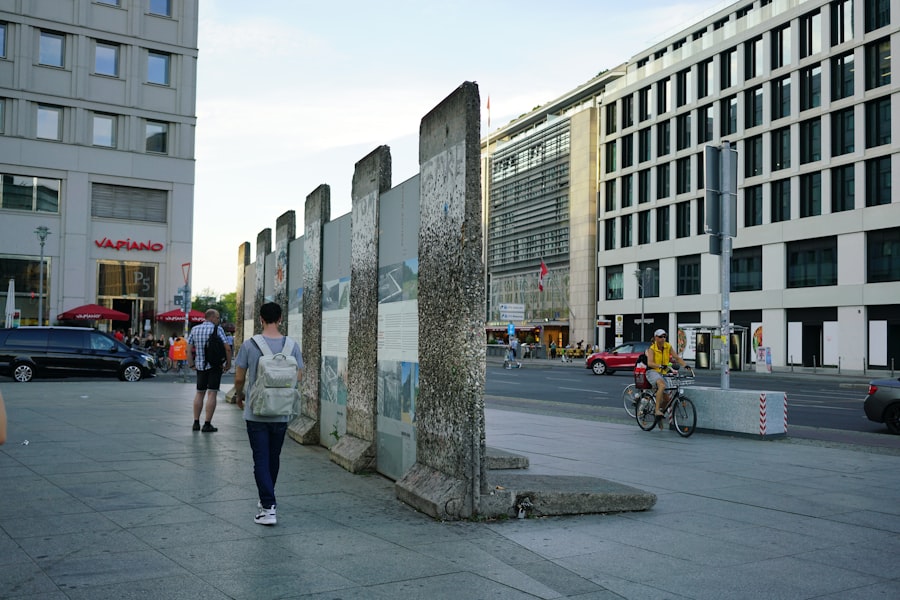
The fall of the Berlin Wall was not the sole cause of the Soviet Union’s demise, but it acted as a powerful accelerant to pre-existing trends. The economic stagnation, the erosion of ideological credibility, and the growing nationalist sentiments within the republics had already set the stage for a potential collapse. The events of 1989 removed a significant prop, exposing the underlying structural weaknesses.
The Rise of Nationalism and Separatist Movements
The loosening of Moscow’s grip, catalyzed by the events in Eastern Europe, unleashed a torrent of nationalist aspirations within the Soviet Union. Republics that had been brought into the Soviet fold through force or political maneuvering now saw an opportunity to reclaim their independence. The Baltic states – Estonia, Latvia, and Lithuania – were at the forefront of this movement, having experienced periods of independence before their annexation. Their declarations of sovereignty and independence in 1990 and 1991 were met with increasing resistance from hardline elements within the Soviet government, but the momentum was undeniable. This surge of nationalism was akin to a dam bursting, releasing the pent-up frustrations of decades.
The August Coup and the Final Blow
A desperate attempt to reverse the tide of change came in August 1990 with a coup by hardline Communist Party officials, attempting to oust Gorbachev and reassert centralized control. The coup, however, was widely condemned and ultimately failed, largely due to public resistance led by Boris Yeltsin, the President of the Russian Federation. The failure of the coup fatally wounded the Communist Party and further discredited the old guard, accelerating the disintegration of the Soviet Union. The attempted crackdown, meant to preserve power, instead served as the final nail in the coffin.
The Dissolution of the Union
Following the failed coup, the remaining Soviet republics swiftly moved towards full independence. On December 26, 1991, the Soviet Union officially ceased to exist. The hammer and sickle flag was lowered over the Kremlin for the last time, marking the end of an era that had spanned over seventy years. The vast geopolitical entity, once a superpower that had reshaped the world order, had fractured into fifteen independent nations. The collapse was not a singular explosion but a complex cascade of events, with each republic acting as a falling domino.
The Fall of the Berlin Wall in 1989 marked a significant turning point in history, not only for Germany but also for the entire Eastern Bloc and the USSR. This monumental event symbolized the collapse of communist regimes in Eastern Europe and set the stage for the eventual dissolution of the Soviet Union in 1991. For a deeper understanding of the broader implications of this pivotal moment, you can explore an insightful article on the topic at Hey Did You Know This, which discusses how the fall of the wall influenced political dynamics and social changes across the region.
The Legacy of the Wall and the End of an Empire
| Metric | Before Fall of Berlin Wall (1988) | After Fall of Berlin Wall (1990) | Effect on USSR |
|---|---|---|---|
| Political Control in Eastern Europe | Strong Soviet influence over East Germany and other Eastern Bloc countries | Rapid loss of control as Eastern European countries moved towards independence | Weakened USSR’s geopolitical influence and control over satellite states |
| Public Support for Communist Regime in USSR | Moderate to high support, though declining | Significant decline in support and rise in reform movements | Increased internal dissent and pressure for political reform |
| Economic Stability | Struggling but stable economy with centralized planning | Economic turmoil worsened due to loss of Eastern Bloc markets and reforms | Accelerated economic decline contributing to USSR collapse |
| Military Expenditure | High military spending to maintain control over Eastern Europe | Reduced military spending as USSR faced internal crises | Reduced ability to project power and maintain influence |
| Year of USSR Dissolution | Not applicable | 1991 | Directly linked to loss of control and legitimacy after Berlin Wall fall |
The fall of the Berlin Wall and the subsequent decline and dissolution of the Soviet Union represent one of the most significant geopolitical shifts of the late 20th century. The event continues to shape the global political and economic landscape, reminding us of the enduring power of human aspiration for freedom and the inherent fragility of oppressive systems.
A World Transformed
The end of the Cold War, signaled by the fall of the Wall, ushered in a period of unprecedented global change. The bipolar world order, dominated by the United States and the Soviet Union, gave way to a unipolar moment with the US as the sole superpower. Eastern European nations began their transition to market economies and democratic governance, albeit with varying degrees of success and challenges. The geopolitical map was redrawn, and new alliances and rivalries emerged. The world, once sharply divided by ideological lines, began to reconfigure itself in complex and often unpredictable ways.
Enduring Lessons of History
The fall of the Berlin Wall serves as a powerful lesson in the dynamics of power, ideology, and human agency. It demonstrates that even the most formidable and seemingly entrenched systems can crumble under the pressure of popular will and the relentless pursuit of freedom. The dismantling of the Wall was a testament to the fact that walls, both physical and ideological, can be overcome. The decline of the Soviet Union underscores the inherent limitations of centralized control, the importance of economic viability, and the enduring appeal of self-determination. The echoes of that November night in Berlin continue to resonate, a reminder that the pursuit of liberty, though often fraught with challenges, remains a potent force in shaping the course of human history. The ghosts of the Wall stand as a silent, yet powerful, testament to what can be achieved when people dare to dream of a world without barriers.
FAQs
What was the Fall of the Berlin Wall?
The Fall of the Berlin Wall occurred on November 9, 1989, when the East German government announced that citizens could freely cross the border between East and West Berlin. This event marked the beginning of the end for the division of Germany and symbolized the collapse of communist control in Eastern Europe.
How did the Fall of the Berlin Wall affect the USSR?
The Fall of the Berlin Wall significantly weakened the Soviet Union’s influence over Eastern Europe. It accelerated the decline of communist regimes in the region, undermined Soviet authority, and contributed to the eventual dissolution of the USSR in 1991.
Why was the Berlin Wall built originally?
The Berlin Wall was constructed in 1961 by the East German government, with Soviet backing, to prevent East Germans from fleeing to West Berlin and West Germany. It served as a physical barrier symbolizing the ideological divide between the communist East and capitalist West during the Cold War.
What role did the Fall of the Berlin Wall play in German reunification?
The Fall of the Berlin Wall paved the way for the reunification of East and West Germany. It led to increased political and social integration, culminating in the official reunification of Germany on October 3, 1990.
Did the Fall of the Berlin Wall directly cause the collapse of the Soviet Union?
While the Fall of the Berlin Wall was a major event signaling the weakening of Soviet control in Eastern Europe, it was one of several factors that contributed to the collapse of the Soviet Union. Economic problems, political reforms, and nationalist movements within the USSR also played critical roles in its dissolution.