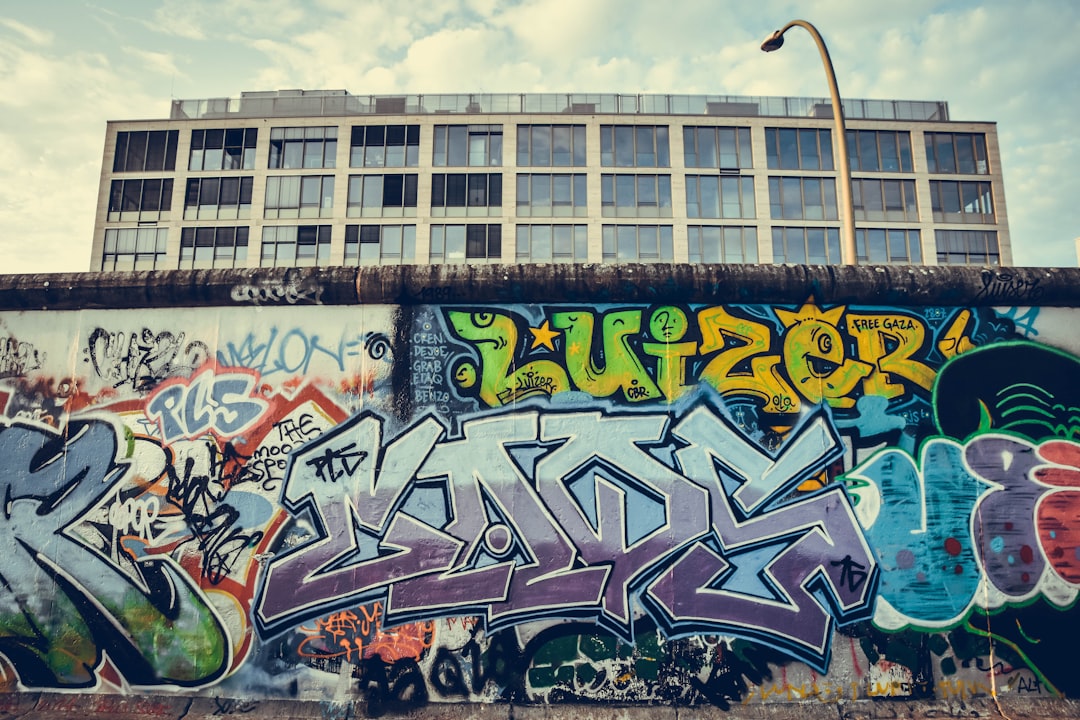
The Berlin Wall, a stark physical manifestation of a deeply fractured world, represented far more than a mere border. Its purpose was not to keep external enemies out, but rather to contain its own population, a potent symbol of the inward-looking policies and pervasive distrust that characterized the German Democratic Republic (GDR) and the broader Soviet bloc. The structure, in its various iterations, served as a tangible barrier against the perceived ills and alluring freedoms of the West, primarily through the systematic suppression of its own citizens’ ability to depart.
The roots of the Berlin Wall lie in the fractured landscape of post-World War II Germany. The Allied victory brought an end to Nazi rule, but it also ushered in a new era of geopolitical tension. The victorious powers – the United States, the United Kingdom, France, and the Soviet Union – divided Germany and its capital, Berlin, into four occupation zones. This division, initially intended as a temporary measure during the period of denazification and reconstruction, quickly calcified into entrenched political realities.
The Seeds of Divergence: Ideological Clashes and Economic Disparities
The fundamental ideological differences between the Western Allies and the Soviet Union became increasingly apparent. The Western zones embraced democratic principles and market economies, fostering recovery and relative prosperity. In contrast, the Soviet zone implemented socialist policies, prioritizing state control and centralized planning. These divergent paths led to stark economic disparities, with West Berlin, supported by the West, becoming a beacon of consumerism and opportunity compared to the increasingly strained economy of East Berlin and the GDR.
The Marshall Plan’s Influence
The Marshall Plan, a significant US initiative to aid European economic recovery, further accentuated this divide. While West Germany benefited immensely, contributing to its rapid revitalization, the Soviet Union refused to participate and prevented its satellite states from accepting aid. This decision solidified the economic separation and deepened the chasm between the two Germanies, providing a fertile ground for future conflict and division.
The Berlin Airlift: A Precursor to Isolation
The Soviet Union’s attempts to assert control over Berlin culminated in the Berlin Blockade of 1948-1949. The Soviets severed all land and water access to West Berlin, hoping to force the Western Allies to abandon the city. The audacious and ultimately successful Berlin Airlift, wherein the Western powers supplied West Berlin by air for over a year, demonstrated the West’s commitment to the city and highlighted the Soviet Union’s isolation tactics. This event served as a stark warning of the increasing hostility and the potential for more extreme measures to maintain control.
The “Iron Curtain” Descends
Winston Churchill famously declared in 1946 that an “Iron Curtain” had descended across Europe, a metaphorical barrier separating the Soviet sphere of influence from the West. The physical division of Berlin, epitomized by the increasing restrictions on movement between sectors, was a concrete manifestation of this geopolitical reality. Each checkpoint, each barbed-wire fence, was a testament to the growing estrangement.
The Berlin Wall, a symbol of division during the Cold War, was constructed not only to separate East and West Berlin but also to prevent East Germans from fleeing to the West. This inward-facing design served as a stark reminder of the oppressive regime in East Germany, as it aimed to keep its citizens confined rather than protect them from external threats. For a deeper understanding of the implications of the wall’s structure and its historical context, you can read more in this related article: here.
The Great Escape: A Flood of Talent and the GDR’s Desperation
The economic and political disparities between East and West Germany were acutely felt by the citizens of the GDR. The allure of Western freedoms, higher wages, and greater consumer choice proved too powerful for many to resist. This sustained outflow of its population, particularly skilled workers and intellectuals, posed a severe threat to the GDR’s viability and the Soviet bloc’s ideological narrative.
Brain Drain and Labor Shortages
The constant exodus of its citizens, often referred to as a “brain drain,” severely hampered the GDR’s economic development. Factory workers, doctors, engineers, and academics all sought better opportunities in the West, leaving behind a critical shortage of skilled labor and a growing sense of despair. The GDR government viewed this emigration not as a symptom of its own failures, but as an act of sabotage orchestrated by the West.
The “Republikflucht” Legislation
In response to this unprecedented outflow, the GDR government enacted increasingly draconian measures, criminalizing unauthorized emigration. The offense, known as “Republikflucht” (flight from the Republic), carried severe penalties, including lengthy prison sentences and even capital punishment in some cases. This legislation underscored the government’s desperation to stem the tide and its willingness to inflict harsh punishment on its own people.
The Psychological Impact of Division
Beyond the economic consequences, the constant movement of people also created a psychological divide within Berlin and Germany. Families were separated, friendships strained, and entire communities were fractured overnight. The city, once a bustling metropolis, became a patchwork of disconnected sectors, each with its own distinct atmosphere and reality.
The Promise of Socialism Blunted
The GDR’s founding narrative was built on the promise of a worker’s paradise, a society free from exploitation and inequality. However, the visible prosperity of West Berlin and the constant stream of emigrants served as a persistent counter-narrative, undermining the legitimacy of the socialist project. The wall, in its early stages, was a desperate attempt to silence this uncomfortable truth.
The Concrete Curtain: Fortification and a State Under Siege
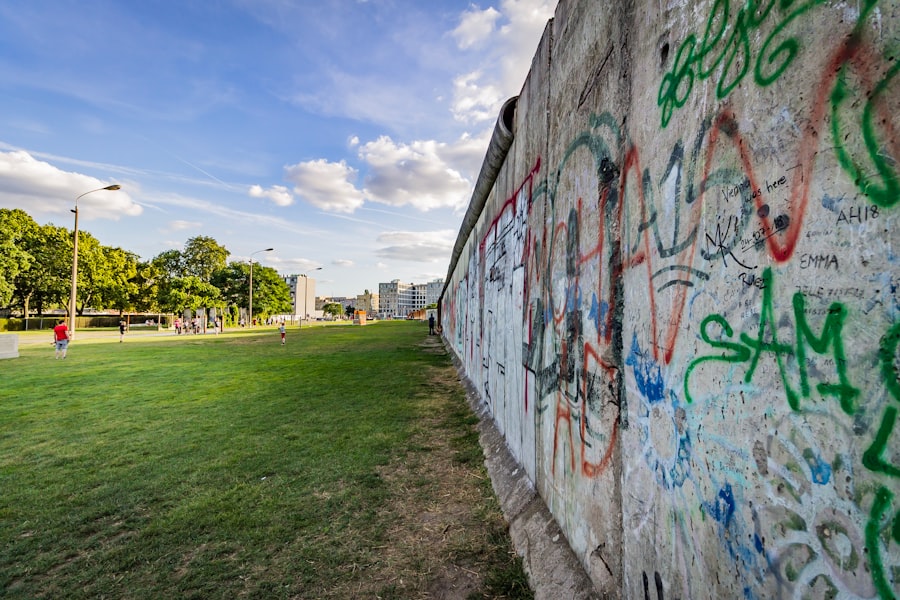
The escalating emigration crisis reached a breaking point in the summer of 1961. Faced with the continued hemorrhaging of its population, the GDR, with Soviet backing, made the fateful decision to physically seal off East Berlin from West Berlin. The construction of the Berlin Wall was not a gradual process, but a sudden and brutal imposition, designed to shock and deter.
The Night of Barbed Wire
In the early hours of August 13, 1961, East German border guards began erecting barbed-wire fences and barricades across the city, blocking all roads and railway lines connecting the two sectors. The suddenness of this action caught Berliners by surprise, leading to scenes of chaos, confusion, and heartbreak as people woke up to find themselves separated from loved ones, workplaces, and familiar streets.
Families Torn Asunder
The immediate consequence of the “Night of Barbed Wire” was the brutal separation of families. Parents were unable to reach their children, spouses were divided, and the very fabric of daily life was ripped apart. Commuters, who had crossed the sector border daily for work, were instantly rendered jobless or forced to find new employment on the other side.
The Evolution of the Wall
The initial barbed-wire fences were a temporary measure, quickly replaced by more substantial and fortified structures. Over the next decades, the Berlin Wall evolved into an imposing complex of concrete walls, watchtowers, guard dogs, anti-vehicle trenches, and minefields. It became a meticulously engineered barrier designed to make escape virtually impossible.
The “Death Strip”
The most notorious feature of the Wall was the “death strip” – a wide, cleared area between the inner and outer walls, patrolled by armed guards and equipped with motion sensors and floodlights. This no-man’s-land was designed as a kill zone, where any individual attempting to cross was to be shot on sight. The sheer brutality of this measure reflected the GDR’s determination to maintain its internal control.
The Wall as Prison: Life Under Surveillance and the Suppression of Dissent
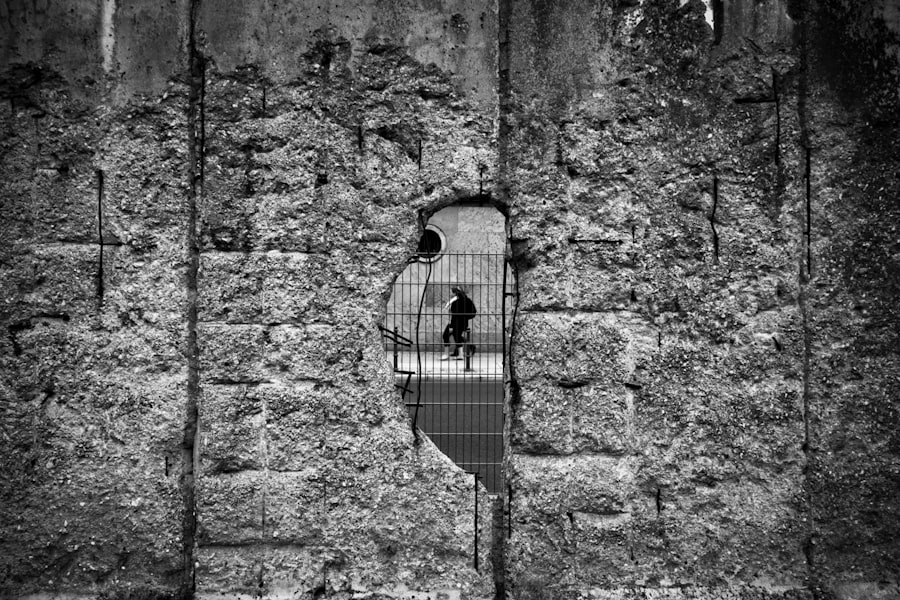
The Berlin Wall was more than just a physical impediment; it was a symbol of a society under siege, constantly monitoring and controlling its own population. The GDR, in its effort to prevent emigration and maintain ideological purity, developed a pervasive system of surveillance and repression that impacted every aspect of daily life.
The Stasi’s Reach
The Ministry for State Security, or Stasi, was the GDR’s notorious secret police. Its vast network of informants infiltrated every level of society, from workplaces and schools to families and social circles. Citizens were encouraged to report on one another, fostering an atmosphere of fear and distrust that stifled open expression and genuine connection.
The Culture of Fear
The omnipresent surveillance created a pervasive culture of fear. People learned to self-censor, to avoid controversial topics, and to maintain a careful public persona. The risk of being denounced, interrogated, or even imprisoned for perceived disloyalty was ever-present, shaping individual behavior and limiting the scope of personal freedom.
The Restrictions on Movement Within the GDR
While the Wall primarily prevented outward migration, the GDR also imposed significant restrictions on internal travel. Citizens were often required to obtain permits to travel between cities or regions, and movement into the heavily fortified border zones was strictly forbidden. This further emphasized the state’s control over its people and their movements.
The Gilded Cage
For those who remained in the GDR, life behind the Wall was often characterized by the paradox of limited freedom. While basic necessities were generally provided, opportunities for personal advancement, genuine self-expression, and access to information were severely curtailed. The GDR presented itself as a society of equality and security, but for many, it felt like a gilded cage.
The Berlin Wall, a symbol of division during the Cold War, was constructed not only to keep people from escaping East Berlin but also to reinforce the regime’s control over its citizens. This inward-facing design served as a stark reminder of the oppressive nature of the East German government, which feared that its own people might seek freedom in the West. For a deeper understanding of the psychological and political implications of this structure, you can read more in this insightful article about the Berlin Wall’s impact on society. To explore further, visit this link.
The Cracks Appear: Dismantling the Symbol of Division
| Reasons | Explanation |
|---|---|
| Prevent defection | The wall was built to prevent East Berliners from escaping to West Berlin. |
| Political control | The inward-pointing wall symbolized the East German government’s desire to control its own citizens. |
| Isolation | By pointing inward, the wall isolated East Berlin from the influence of the West. |
| Propaganda | The wall served as a propaganda tool to showcase the strength and unity of the East German regime. |
Despite its formidable appearance and the ruthless measures employed to maintain it, the Berlin Wall could not permanently withstand the growing pressure for change. The late 1980s witnessed a wave of reforms sweeping across Eastern Europe, fueled by Mikhail Gorbachev’s policies of Glasnost and Perestroika in the Soviet Union. This liberalization created an opening for dissent and ultimately led to the fall of the Wall.
The “Monday Demonstrations” and Peaceful Revolution
Throughout 1989, mass protests, particularly the “Monday Demonstrations” in Leipzig, gained momentum. Ordinary citizens, emboldened by the changing political climate, took to the streets to demand freedom of speech, assembly, and travel. The GDR government, isolated and facing immense internal and external pressure, found its authority increasingly eroded.
The Hungarian Border Opening
A crucial catalyst was Hungary’s decision to open its border with Austria in May 1989. This provided a loophole for East Germans to travel to Hungary and then on to West Germany, bypassing the Berlin Wall and the heavily fortified Czechoslovakian border. This exodus further highlighted the GDR’s inability to control its population and signaled the crumbling of the Iron Curtain.
The Miscommunication on November 9th, 1989
The dramatic events of November 9th, 1989, were a culmination of mounting pressure and a significant dose of miscommunication. During a press conference, GDR official Günter Schabowski, when asked about new travel regulations, mistakenly announced that East Germans were free to travel to the West “immediately, without delay.”
The Gates Open: A Flood of Humanity
As news of this announcement spread, thousands of East Berliners flocked to the border crossings, demanding passage. Border guards, overwhelmed and lacking clear orders, eventually relented. Initially, jubilant East Germans streamed into West Berlin, met by equally ecstatic West Berliners. This spontaneous opening of the Wall marked the symbolic end of its reign.
The Physical Dismantling and a Nation Reunited
In the weeks and months that followed, the physical dismantling of the Berlin Wall began. Ordinary citizens, armed with hammers and chisels, chipped away at the concrete, creating souvenirs of this historic moment. The fall of the Wall paved the way for the reunification of Germany, which officially occurred on October 3rd, 1990, ending decades of division.
Echoes of the Division
While the physical wall is largely gone, its legacy continues to resonate. The scars of division, both economic and psychological, are still felt in some areas. The Berlin Wall served as a profound reminder of the human cost of ideological conflict and the enduring desire for freedom, standing as a stark testament to an inward-pointing division that ultimately proved unsustainable.
FAQs
1. What was the purpose of the Berlin Wall?
The Berlin Wall was built by the German Democratic Republic (GDR) to prevent its citizens from fleeing to West Berlin, which was part of West Germany. It was intended to stop the mass emigration of East Germans to the West.
2. Why did the Berlin Wall point inward?
The Berlin Wall pointed inward to prevent East Germans from escaping to the West. The wall was heavily guarded on the eastern side, with watchtowers, barbed wire, and armed guards to deter any attempts to escape.
3. How did the Berlin Wall impact the people of East Germany?
The Berlin Wall had a profound impact on the people of East Germany, as it effectively cut them off from the rest of the world. Families were separated, and many East Germans were unable to visit or communicate with their relatives in the West for nearly 30 years.
4. When was the Berlin Wall constructed and when was it demolished?
The construction of the Berlin Wall began on August 13, 1961, and it stood for nearly 28 years until November 9, 1989, when the East German government announced that its citizens could cross the border freely.
5. What was the significance of the Berlin Wall coming down?
The fall of the Berlin Wall symbolized the end of the Cold War and the reunification of Germany. It also marked a significant moment in history, signifying the triumph of freedom and democracy over oppression and division.