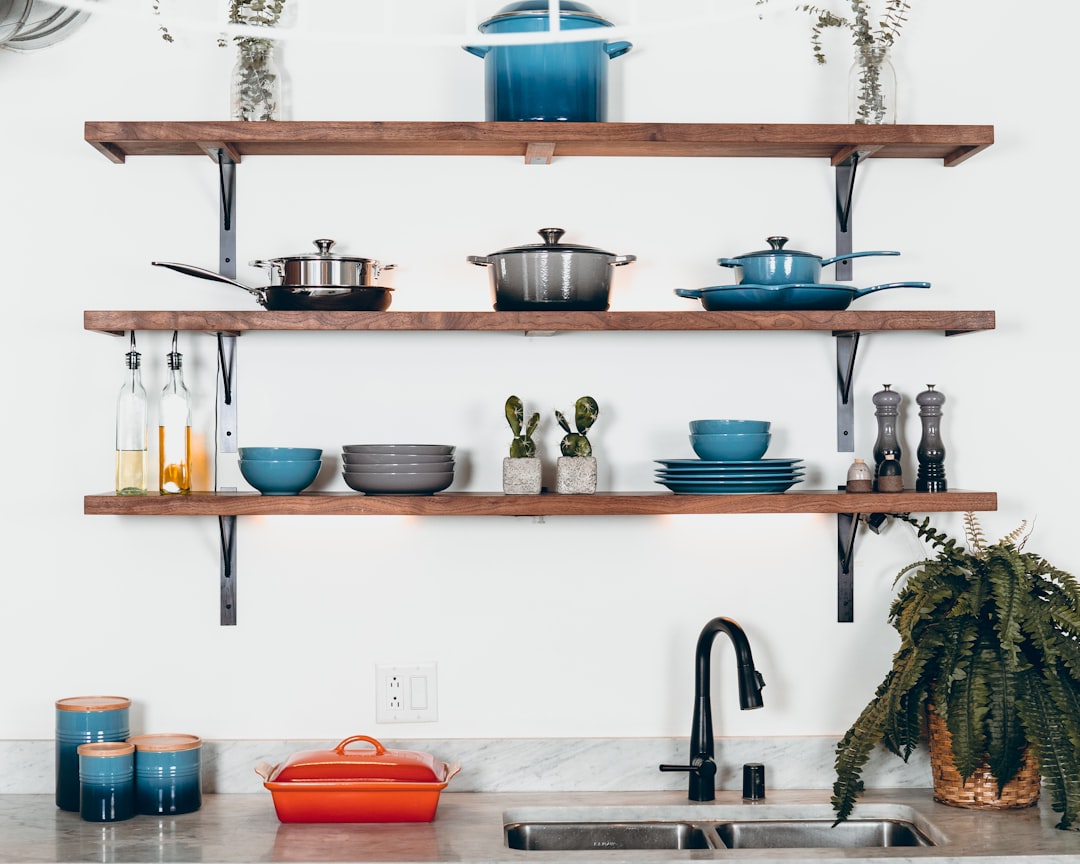
The enduring popularity of stainless steel cookware stems from a confluence of practical advantages that make it a workhorse in kitchens worldwide. Unlike some trend-driven materials that promise the moon and deliver only fleeting brilliance, stainless steel offers a consistent and reliable performance, forged from its inherent properties. This article will explore the multifaceted benefits of this ubiquitous kitchen companion.
The cornerstone of stainless steel cookware’s appeal is its exceptional durability. This material, essentially a blend of iron, chromium, and other elements, is engineered to withstand the rigors of daily culinary battles.
Resistance to Corrosion and Rust
A primary benefit of stainless steel is its inherent resistance to rust and corrosion. The addition of chromium to the iron alloy forms a thin, invisible, and passive layer of chromium oxide on the surface. This protective shield acts as a barrier, preventing oxygen from reaching the underlying metal and initiating the oxidation process that leads to rust. This means the pots and pans will maintain their aesthetic integrity and functional performance over extended periods, unlike reactive metals that can pit, discolor, or degrade with exposure to moisture and acidic foods. This inherent resilience makes it a dependable tool, like a sturdy fortress against the elements.
Resistance to Pitting and Scratching
The robust nature of stainless steel also translates into a significant resistance to pitting and scratching. While not entirely impervious to damage, it is considerably harder and more resilient than many other cookware materials. This means that under normal cooking conditions, stainless steel pots and pans are less likely to develop small indentations (pitting) or noticeable scratches. This is particularly advantageous for those who use metal utensils, a practice that can be detrimental to non-stick coatings or other softer materials. This resistance ensures the cooking surface remains smooth and functional, facilitating even heat distribution and preventing food from adhering unnecessarily.
Non-Reactive Nature
Perhaps one of the most crucial benefits of stainless steel cookware is its non-reactive nature. This characteristic is vital for preserving the true flavors of food. Unlike some metals, such as aluminum or copper (when not properly lined), stainless steel does not react with acidic ingredients like tomatoes, lemon juice, or wine. This prevents an undesirable metallic taste from leaching into the food, ensuring that the subtle nuances of your culinary creations are not compromised. This neutrality acts like a clear pane of glass, allowing the natural flavors of your ingredients to shine through without distortion.
If you’re interested in learning more about the benefits and maintenance of stainless steel cookware, you might find this related article insightful: Discover the Advantages of Stainless Steel Cookware. It delves into the various features that make stainless steel a popular choice for both professional chefs and home cooks, as well as tips on how to keep your cookware in top condition for years to come.
Excellent Heat Distribution and Retention: Mastering the Flame
While stainless steel itself is a relatively poor conductor of heat compared to materials like copper or aluminum, its effectiveness in cookware is significantly enhanced through intelligent design and construction.
The Importance of Core Materials
To overcome the inherent thermal conductivity limitations of stainless steel, manufacturers often incorporate a core of highly conductive material within the base and/or walls of the cookware. This core is typically made of aluminum or copper, metals renowned for their ability to rapidly and evenly distribute heat.
Aluminum Core
Aluminum, being lightweight and an excellent conductor, is a common choice for the core. When sandwiched between layers of stainless steel, it acts as a rapid heat spreader, ensuring that heat travels quickly and evenly across the entire cooking surface. This minimizes hot spots, those dreaded areas where food can burn while other parts remain undercooked. Think of the aluminum core as the circulatory system of your pan, efficiently delivering warmth to every corner.
Copper Core
Copper, even more conductive than aluminum, is often used in higher-end stainless steel cookware. A copper core offers superior heat responsiveness and consistency. Pots and pans with copper cores heat up very quickly and adjust to temperature changes with remarkable speed, offering a high degree of control for delicate cooking techniques. This level of responsiveness can be likened to a finely tuned instrument, capable of precise adjustments.
Even Heating and Reduced Hot Spots
The presence of a conductive core within the stainless steel structure is paramount to achieving even heating. This design principle ensures that heat is distributed uniformly across the bottom and up the sides of the pan. This even distribution is critical for consistent cooking results. When food makes contact with a uniformly heated surface, it cooks at a predictable rate, reducing the likelihood of uneven browning or the dreaded phenomenon of “hot spots” where food can burn prematurely. This evenness eliminates the culinary gamble, allowing you to trust that your ingredients will be treated fairly by the heat.
Heat Retention Properties
Once heated, stainless steel, especially with a thicker construction or a dense core, exhibits good heat retention. This means that after reaching the desired temperature, the cookware will maintain that heat for a considerable period. This is beneficial for several reasons. It allows for lower heat settings once food is in the pan, preventing overcooking and promoting gentle simmering. It also means that dishes can be kept warm for longer after cooking, making it ideal for serving. The ability to hold onto heat is like a warm embrace for your food, keeping it at the perfect temperature.
Versatility and Adaptability: A True Kitchen Chameleon
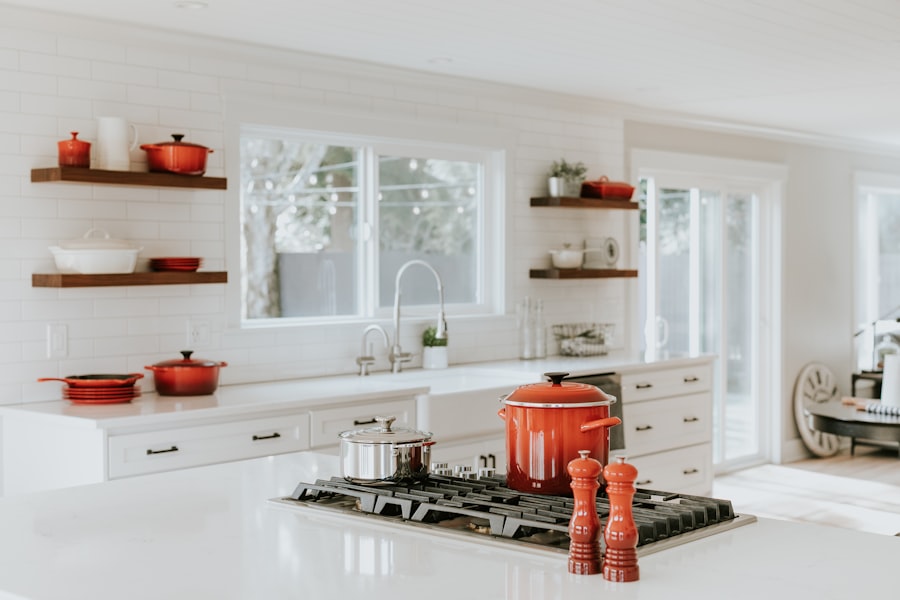
The inherent properties of stainless steel, combined with its robust construction, make it an exceptionally versatile material suitable for a wide range of cooking methods and applications.
Induction Cooktop Compatibility
A significant advantage of modern stainless steel cookware is its compatibility with induction cooktops. Induction cooking relies on magnetic fields to generate heat directly in the cookware. Stainless steel, particularly certain grades like those with a magnetic base, readily interacts with these magnetic fields. This opens up stainless steel cookware to a highly efficient and precise cooking technology. For households with or considering induction stoves, choosing compatible stainless steel is essential for unlocking its full potential.
Oven Safety
Most stainless steel cookware is oven-safe, meaning it can be safely transferred from the stovetop to the oven for finishing dishes or keeping them warm. This seamless transition is invaluable for recipes that require both stovetop searing and oven baking, such as roasts or gratins. The ability to move from direct heat to radiant heat without switching pans simplifies the cooking process and reduces the number of dishes to clean. This oven-safe attribute transforms a single pan into a culinary bridge, connecting different cooking environments.
Versatility Across Heat Sources
Beyond induction and ovens, stainless steel cookware generally performs well on gas, electric, and ceramic stovetops. Its robust construction and stable base ensure consistent contact with various heating elements, allowing for reliable performance regardless of the heat source. This broad compatibility makes it a practical choice for virtually any kitchen setup, adapting to the available technology. It is a true jack-of-all-trades in the world of cookware.
Sous Vide Ready
The durability and oven-safe nature of stainless steel pots also make them suitable for sous vide cooking. In this method, food is vacuum-sealed and then submerged in a precisely temperature-controlled water bath. A stainless steel pot, when used with a water circulator, can act as the vessel for this precise cooking. The material’s ability to hold a stable temperature and withstand immersion is crucial for successful sous vide outcomes.
Ease of Maintenance and Cleaning: Effortless Aftercare
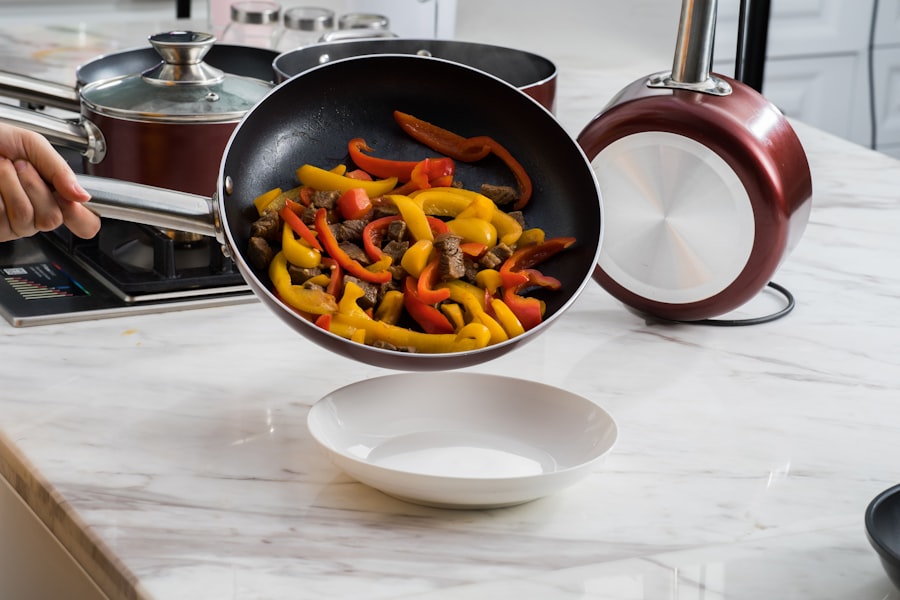
While some cookware materials require specialized cleaning techniques and gentle handling, stainless steel stands out for its relative ease of maintenance and cleaning.
Dishwasher Safe
A significant convenience offered by many stainless steel cookware sets is their dishwasher-safe nature. The non-reactive and durable properties of stainless steel allow it to withstand the high temperatures and robust cleaning cycles of a dishwasher without significant degradation. This feature is a considerable time-saver for busy home cooks. However, it is worth noting that prolonged exposure to harsh dishwasher detergents can, over time, lead to minor discoloration or a dulling of the finish. Therefore, while technically dishwasher safe, manual cleaning is often recommended for preserving the pristine appearance of high-quality stainless steel.
Resistance to Food Sticking (with proper technique)
While stainless steel is not inherently non-stick like Teflon, it can achieve excellent non-stick performance with the application of proper cooking techniques. Preheating the pan adequately and using the correct amount of cooking fat are crucial. When heated properly, the stainless steel surface can become a non-stick barrier, preventing food from adhering. This is achieved through the expansion of the metal at high temperatures, creating a smoother surface. Mastering this technique transforms the cooking experience and makes cleanup significantly easier.
Dealing with Discoloration and Stains
Even the most diligent cooks may encounter occasional discoloration or stubborn stains on their stainless steel cookware. Common issues include heat tint (a rainbow-like discoloration caused by overheating) and mineral deposits from hard water. Fortunately, these are typically superficial and can be addressed with simple cleaning solutions.
Heat Tint Removal
Heat tint, a bluish or rainbow hue, is a cosmetic issue caused by overheating the stainless steel. It can be removed by gently scrubbing the affected area with a paste of baking soda and water, or a specialized stainless steel cleaner. Mild acidic solutions, like vinegar, can also be effective.
Rust Spot Removal
While rust is rare on quality stainless steel, it can occasionally appear, especially if the cookware has been left wet for extended periods or in contact with iron objects. Rust spots can be removed using a baking soda paste, a fine-grade steel wool (used cautiously to avoid scratching), or a dedicated rust remover for stainless steel. It is crucial to dry stainless steel thoroughly after washing to prevent future rust formation.
Stubborn Residue Removal
For stubborn food residue that adheres to the pan, a common and effective method is simmering water in the pot with a few tablespoons of baking soda. This gentle process can often loosen even the most tenacious burnt-on bits. Alternatively, a deglazing process with water or broth after cooking can help lift food particles before they have a chance to harden.
Stainless steel cookware is a popular choice among home chefs due to its durability and excellent heat conductivity. If you’re interested in learning more about the benefits and maintenance of stainless steel, you might find this article on cooking tips particularly helpful. It covers various aspects of using stainless steel in the kitchen, ensuring you get the most out of your cookware.
Cost-Effectiveness and Value Proposition: Investing in Quality
| Metric | Value | Unit | Notes |
|---|---|---|---|
| Material Composition | 18/10 | Stainless Steel Grade | 18% Chromium, 10% Nickel for corrosion resistance |
| Heat Conductivity | 16 | W/m·K | Typical for stainless steel, often improved with aluminum or copper core |
| Durability | High | Rating | Resistant to rust, corrosion, and warping |
| Oven Safe Temperature | 500 | °F | Most stainless steel cookware is oven safe up to this temperature |
| Induction Compatible | Yes | Boolean | Magnetic base allows use on induction cooktops |
| Weight | 1.5 – 3.5 | kg (per piece) | Varies by size and construction |
| Typical Price Range | 50 – 300 | Units | Depends on brand and set size |
| Maintenance | Low | Effort | Dishwasher safe, but hand washing recommended for longevity |
When considering the initial investment required for stainless steel cookware, it is essential to evaluate its long-term value proposition.
Durability Translates to Long-Term Savings
The exceptional durability and longevity of stainless steel cookware mean that it is an investment that pays dividends over time. Unlike cheaper alternatives that may need frequent replacement due to wear and tear or damage, a good set of stainless steel pots and pans can last for decades. This inherent lifespan eliminates the recurring expense of purchasing new cookware, making it a more economical choice in the long run. It is like investing in a classic piece of furniture that ages gracefully and remains functional for generations.
Wide Range of Price Points
Stainless steel cookware is available across a broad spectrum of price points, making it accessible to a wide range of consumers. While high-end models with advanced features and superior materials can command a premium price, there are also many affordable options that offer excellent value. Consumers can choose a set that fits their budget and specific cooking needs without necessarily compromising on core functionality. This scalability ensures that the benefits of stainless steel are not limited to a select few.
Resistance to Chemical Leaching and Food Safety
The non-reactive nature of stainless steel not only preserves the flavor of food but also contributes to its safety. Unlike some plastics or coated metals that can leach chemicals into food, especially when heated, stainless steel is considered inert and safe for food preparation. This provides peace of mind for health-conscious individuals. The assurance of a safe cooking surface is an invaluable component of its overall value.
In conclusion, the multifaceted benefits of stainless steel cookware make it a compelling choice for home cooks of all levels. Its durability ensures it will be a reliable companion through countless meals, its heat distribution capabilities allow for precise cooking control, its versatility makes it adaptable to any kitchen, its ease of maintenance simplifies post-meal cleanup, and its cost-effectiveness represents a wise long-term investment in culinary quality and safety. While not entirely without its minor quirks, the overwhelming advantages of stainless steel solidify its position as a cornerstone of modern kitchenware.
FAQs
What are the benefits of using stainless steel cookware?
Stainless steel cookware is durable, resistant to rust and corrosion, non-reactive with acidic or alkaline foods, and generally easy to clean. It also provides even heat distribution when combined with an aluminum or copper core.
Is stainless steel cookware safe for cooking?
Yes, stainless steel cookware is safe for cooking. It does not leach harmful chemicals into food and is non-reactive, making it suitable for all types of cooking, including acidic dishes.
How do I properly clean and maintain stainless steel cookware?
To clean stainless steel cookware, use warm soapy water and a soft sponge. For stubborn stains or burnt food, a paste of baking soda and water or a stainless steel cleaner can be used. Avoid abrasive cleaners or steel wool that can scratch the surface.
Can stainless steel cookware be used on all types of stovetops?
Most stainless steel cookware is compatible with gas, electric, and ceramic stovetops. Many are also induction-compatible if they have a magnetic base. Always check the manufacturer’s specifications to confirm compatibility.
Does stainless steel cookware require seasoning like cast iron?
No, stainless steel cookware does not require seasoning. Unlike cast iron, it has a smooth surface that does not need to be coated with oil to prevent rust or create a non-stick layer. However, proper preheating and using oil can help prevent food from sticking.