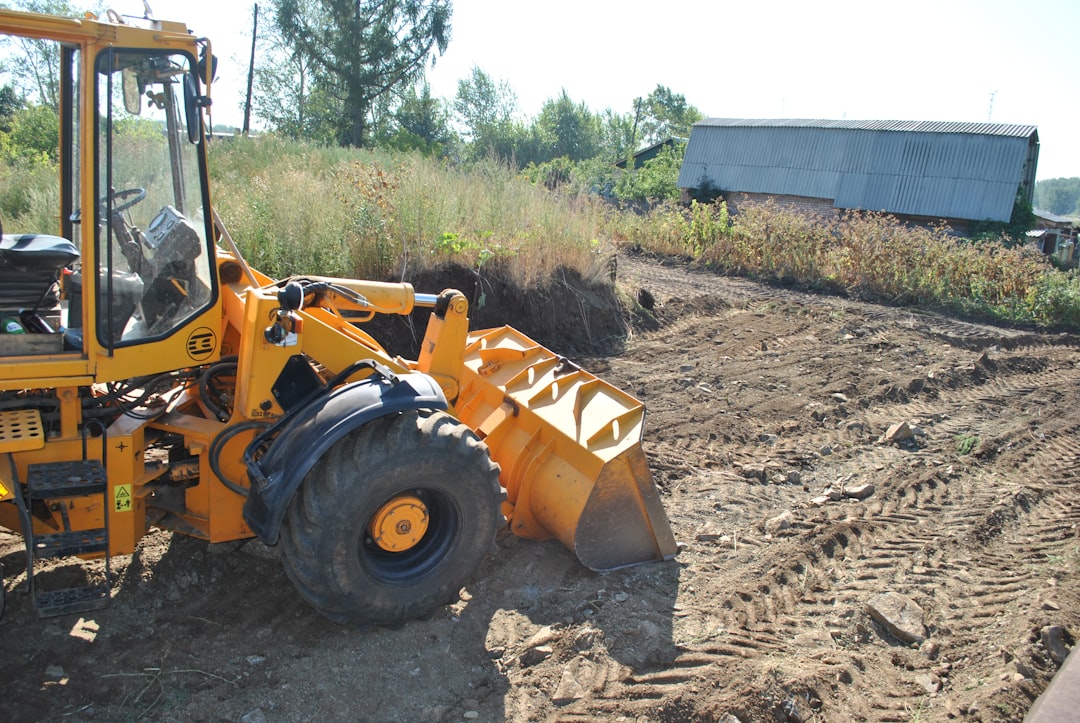
The extraction and utilization of sand have been integral to construction and industry for millennia. However, the escalating demand, coupled with the environmental consequences of traditional river sand mining, has brought manufactured sand (M-sand) to the forefront as a viable alternative. This discourse examines the multifaceted landscape of this emerging conflict, aptly termed “The Battle of Sands,” focusing on river sand mining and its manufactured counterpart.
River sand, extracted directly from riverbeds and banks, has long been the bedrock of construction. Its natural formation over geological timescales imbues it with properties that have historically made it the preferred aggregate.
Natural Formation and Properties
Geographical Availability and Accessibility
Historical Precedence and Industry Reliance
In the ongoing debate between river sand mining and manufactured sand, a pertinent article can be found at Hey Did You Know This, which explores the environmental impacts and sustainability concerns associated with both practices. The article highlights how river sand mining can lead to habitat destruction and increased erosion, while manufactured sand presents a viable alternative that can help mitigate these issues. By examining the benefits and drawbacks of each option, the article provides valuable insights for stakeholders in the construction industry.
The Rise of Manufactured Sand: A Response to Necessity
As the detrimental impacts of unchecked river sand mining became apparent, the construction industry and researchers explored alternative sources. Manufactured sand, produced by crushing rocks and other hard aggregates, emerged as a sustainable solution.
Production Process and Technologies
Material Properties and Consistent Quality
Environmental Benefits and Resource Conservation
Environmental Repercussions of River Sand Mining
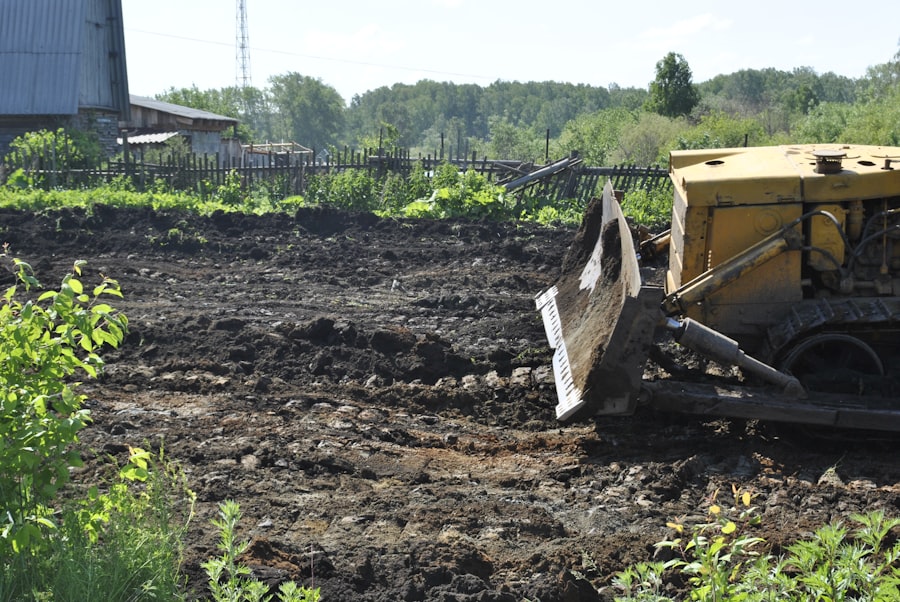
The seemingly innocuous act of extracting sand from rivers carries a significant environmental burden, impacting ecosystems and human livelihoods.
Ecological Degradation of Riverbeds and Banks
Impact on Aquatic Life and Biodiversity
Groundwater Depletion and Changes in Water Flow
Coastal Erosion and Land Subsidence
Economic and Social Dimensions of the Sand Conflict
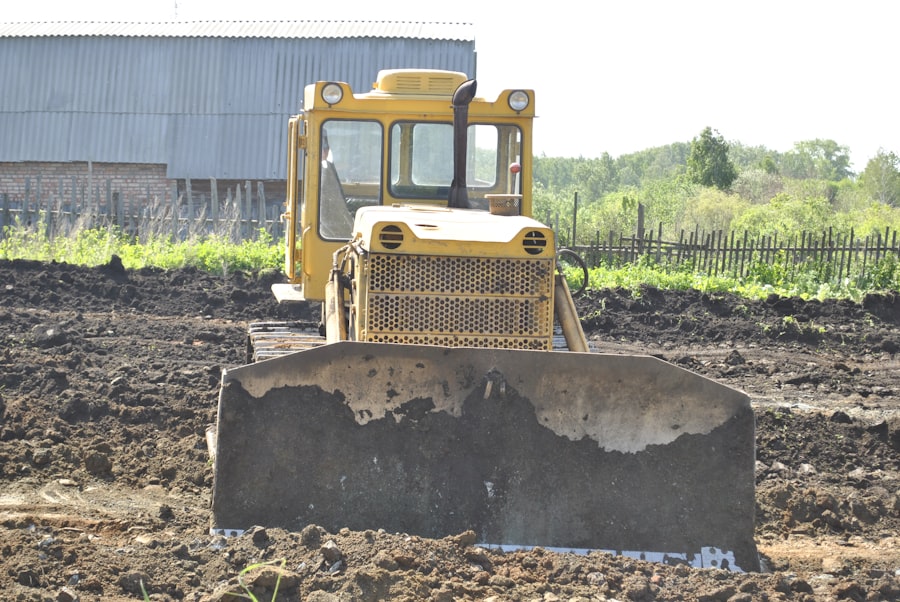
The economic and social ramifications of both sand extraction methods are profound, influencing employment, cost of materials, and community well-being.
Cost-Effectiveness and Market Dynamics
Employment and Livelihood Considerations
Regulatory Challenges and Illegal Mining
Infrastructure Development and Urbanization
The ongoing debate between river sand mining and manufactured sand has significant implications for the construction industry and environmental sustainability. A recent article explores the advantages and disadvantages of both options, highlighting how manufactured sand can mitigate some of the ecological damage caused by river sand extraction. For more insights on this topic, you can read the full article here. Understanding these differences is crucial for making informed decisions in sustainable construction practices.
Future Prospects and Sustainable Solutions
| Aspect | River Sand Mining | Manufactured Sand |
|---|---|---|
| Source | Extracted from river beds | Produced by crushing rocks |
| Environmental Impact | Can lead to erosion and habitat destruction | Less impact on river ecosystems |
| Quality | Natural composition | Uniform particle size and shape |
| Availability | Dependent on river deposits | Consistent supply from crushing plants |
| Cost | May be cheaper due to local availability | Costs may vary based on location and transportation |
Navigating the complexities of sand sourcing requires a forward-thinking approach, prioritizing sustainability and responsible resource management.
Policy Interventions and Regulatory Frameworks
Technological Advancements and Innovation
Public Awareness and Stakeholder Engagement
Integrated Resource Management Strategies
River sand has been the cornerstone of construction for centuries, its ubiquity and naturally occurring characteristics making it the default choice for builders. This readily available resource, deposited over eons through natural fluvial processes, possesses a desirable grain shape and gradation that facilitates easy workability in concrete and mortar. Its natural weathering and abrasion have rounded the edges of the sand grains, contributing to better flowability and reduced water demand in mixes. Historically, accessibility played a significant role. Rivers, often flowing through or near human settlements, provided a convenient and relatively low-cost source of construction material. The infrastructure for extraction, while not always sophisticated, was well-established, relying on manual labor and basic equipment to dredge sand from riverbeds or collect it from exposed banks. This historical reliance has ingrained river sand into construction practices, building codes, and the very fabric of the industry. Architects and engineers have specifications tailored to its properties, and the market is deeply familiar with its performance. The ease of access and the established supply chains have historically made river sand the economically logical and practical choice, often at a lower initial extraction cost compared to alternatives that require significant processing.
However, this long-standing reliance has come at a considerable environmental price. The relentless extraction of sand from river systems disrupts delicate ecological balances. Dredging operations physically remove the substrate of riverbeds, destroying habitats for a multitude of aquatic organisms. Fish spawning grounds, benthic invertebrates, and plant life essential to the river ecosystem are annihilated. The removal of sand also alters the river’s morphology, leading to channel widening, reduced depth, and changes in flow patterns. This can negatively impact water quality by increasing turbidity, affecting light penetration necessary for aquatic vegetation, and releasing trapped pollutants. Furthermore, the physical removal of sand from riverbanks can destabilize them, increasing the risk of erosion and collapse, which can threaten riparian vegetation and nearby human infrastructure.
The consequences extend beyond the immediate riverine environment. Groundwater levels often intricately linked to river systems can be adversely affected by the removal of sand. Sand acts as a natural filter and a reservoir for groundwater. Depleting these sand deposits can lead to reduced groundwater recharge, impacting the availability of fresh water for human consumption, agriculture, and local ecosystems. In coastal areas, the diminution of river sand supply can exacerbate coastal erosion, as the natural replenishment of beaches and shorelines by riverine sediment input is curtailed. This can lead to increased vulnerability to storm surges and sea-level rise, with significant economic and social implications for coastal communities. The cumulative effect of these environmental degradations poses a long-term threat to biodiversity, water security, and the resilience of natural landscapes.
In response to these growing environmental concerns and the increasing scarcity of quality river sand, manufactured sand (M-sand) has emerged as a prominent alternative. M-sand is produced by crushing stones, gravel, or other hard rocks into fine granular material through mechanical processes. Technologies like jaw crushers, cone crushers, and sand making machines are employed to achieve the desired particle size and shape. The production process allows for precise control over the properties of the resulting sand, ensuring consistency in grain size distribution, shape, and overall quality. This is a significant departure from river sand, whose characteristics can vary considerable depending on the geological source and the extent of natural abrasion.
The manufactured nature of M-sand offers several distinct advantages. Firstly, it provides a consistent and controlled quality of aggregate. Producers can engineer M-sand to meet specific construction requirements, ensuring uniformity that is crucial for achieving predictable performance in concrete and mortar. The crushing process can be manipulated to produce angular, cubical particles, which in certain applications can offer better inter-particle interlocking and improved strength in concrete. Secondly, the production of M-sand significantly mitigates the environmental damage associated with river sand mining. By utilizing quarried rock, the pressure on fragile river ecosystems is considerably reduced. This shift conserves riverine habitats, protects aquatic biodiversity, and helps maintain the natural hydrological functions of river systems. Furthermore, the resource base for M-sand is typically much larger and more widely distributed, reducing extensive transportation networks associated with finding and extracting river sand.
The economic and social dimensions of the sand conflict are equally critical. The cost of construction materials directly impacts affordability and the pace of development. Historically, river sand, due to its accessibility and established extraction methods, was often the cheaper option. However, as easily accessible reserves dwindle and regulatory pressures increase, the cost of river sand has risen. Illegal mining, driven by demand and circumventing regulations, often operates at a lower cost but with severe environmental and social consequences. Manufactured sand, while initially perceived as more expensive due to processing costs, can become economically competitive, especially when considering the externalities of river sand extraction, such as environmental remediation and long-term resource depletion. The consistent quality of M-sand can also lead to cost savings in construction by reducing waste and improving performance, thus potentially lowering overall project costs.
Employment is another significant factor. Traditional river sand mining provides livelihoods for large numbers of people, often in informal sectors. The transition to M-sand production necessitates a shift in the labor force, requiring new skills and potentially leading to job displacement in traditional mining communities. Conversely, the M-sand industry creates new employment opportunities in quarrying, crushing, processing, and logistics. Addressing these employment transitions through reskilling programs and support for affected communities is crucial for a just societal shift. Regulatory frameworks play a vital role in managing both sand sources. The challenges associated with regulating river sand mining, particularly combating illegal operations and enforcing environmental protection measures, are substantial. For M-sand, regulations focus on quarrying practices, emission control from crushing plants, and responsible land reclamation.
The future of sand sourcing hinges on implementing sustainable practices and innovative solutions. This requires a multi-pronged approach involving robust policy interventions, technological advancements, and active engagement with all stakeholders. Governments and regulatory bodies must establish clear, enforceable policies that govern both river sand mining and M-sand production. This includes setting extraction quotas for river sand, enforcing environmental impact assessments, and imposing penalties for illegal activities. For M-sand, regulations should focus on sustainable quarrying practices, land restoration, and air quality control. Incentivizing the use of M-sand through policies like tax breaks or preferential procurement can accelerate its adoption.
Technological advancements are key to improving the efficiency and sustainability of both sand sources. In river sand mining, technologies for more precise and less disruptive extraction, such as contained dredging systems, can minimize ecological damage. For M-sand, innovations in crushing and screening technologies can improve energy efficiency, reduce dust emissions, and enhance the quality of the produced sand. Research into alternative aggregates derived from industrial by-products, such as fly ash or slag, also holds significant promise for reducing reliance on traditional sand sources altogether.
Public awareness and stakeholder engagement are paramount in driving the transition towards sustainable sand management. Educating the public, construction professionals, and policymakers about the environmental and economic implications of different sand sources can foster informed decision-making. Collaborative platforms that bring together industry representatives, environmental groups, government agencies, and local communities can help identify common ground and develop integrated solutions. Ultimately, the “Battle of Sands” is not about outright prohibition of one over the other but rather about achieving a judicious balance. This involves recognizing the finite nature of river sand and its ecological fragility, while embracing the potential of manufactured sand as a sustainable and quality-controlled alternative. An integrated resource management strategy that considers the environmental, social, and economic impacts of both sources, alongside embracing innovative alternatives, is essential for ensuring the continued development of our infrastructure without compromising the health of our planet. The long-term viability of construction depends on a responsible and sustainable approach to the fundamental building blocks of our built environment.
FAQs
What is river sand mining?
River sand mining is the process of extracting sand from river beds and banks. This is typically done through dredging or excavation, and the sand is used in construction and other industries.
What is manufactured sand?
Manufactured sand, also known as M-sand, is a substitute for river sand. It is produced by crushing rocks, quarry stones or larger aggregates into sand-sized particles.
What are the environmental impacts of river sand mining?
River sand mining can lead to erosion, loss of biodiversity, and disruption of river ecosystems. It can also contribute to the depletion of groundwater and increase the risk of flooding.
How does manufactured sand compare to river sand in construction?
Manufactured sand is often considered a more sustainable and environmentally friendly alternative to river sand. It has consistent particle size and shape, and can be produced closer to construction sites, reducing transportation costs.
What are the economic implications of using manufactured sand over river sand?
Using manufactured sand can reduce the reliance on river sand, which can help preserve river ecosystems and reduce the environmental impact of sand mining. Additionally, it can lead to cost savings in construction projects.