
The landscape of breakfast cereals in the United Kingdom, while diverse, notably differs from that of the United States. This article explores the various facets of these distinctions, delving into regulatory frameworks, cultural preferences, market dynamics, and the consumer experience. The “American Cereal Difference,” as perceived by UK consumers, is a multi-layered phenomenon reflecting globalised markets and localized tastes.
The fundamental differences in cereal offerings between the US and the UK often stem from distinct regulatory environments. Food and drug administrations across the globe establish guidelines for manufacturing, ingredient sourcing, and nutritional labelling, which, like invisible fences, delineate the boundaries of what products can be sold and how.
Sugar Content and Labelling Standards
One of the most immediate and frequently discussed distinctions relates to sugar content. Historically, US breakfast cereals have been perceived as containing higher levels of added sugars than their UK counterparts. This is not merely anecdotal; regulatory bodies in both nations approach sugar declaration and recommended daily allowances differently.
- US Labelling: The US Food and Drug Administration (FDA) requires “added sugars” to be listed on nutritional labels, providing consumers with specific information about sugars not naturally occurring in the ingredients.
- UK Labelling: The UK, under the guidance of the Food Standards Agency (FSA), has implemented a “traffic light” labelling system, which colour-codes fat, saturated fat, sugars, and salt content as red (high), amber (medium), or green (low). This visual cue can immediately inform consumer choices.
- Reformulation Pressures: The traffic light system and public health campaigns in the UK have exerted significant pressure on manufacturers to reformulate their products, leading to a general reduction in sugar, salt, and fat content across many categories, including cereals. This has created a ripple effect, often resulting in different ingredient formulations for the same brand sold in both markets.
Fortification Policies and Nutritional Value
Another significant area of regulatory divergence concerns the fortification of cereals with vitamins and minerals. Both countries recognise the role of cereals as vehicles for delivering essential micronutrients, but their approaches vary.
- Mandatory Fortification in the US: In the US, certain cereals are often mandatorily fortified with specific vitamins and minerals, such as folic acid (B9) and iron, to address public health concerns like neural tube defects and anaemia.
- Voluntary Fortification in the UK: While fortification is common in the UK, it is often voluntary, driven by manufacturer initiatives and market demand rather than blanket mandates. This can lead to a less uniform nutritional profile across cereal brands.
- Impact on Consumer Health: These differing policies can influence the nutritional contribution of breakfast cereals to the average diet in each country, acting as silent guardians or absent benefactors in the dietary landscape.
If you’re curious about the differences between American and UK cereals, you might find it interesting to explore a related article that delves into the cultural and nutritional variations in breakfast foods across the two regions. This article provides insights into how taste preferences, marketing strategies, and ingredient availability shape the cereal landscape. For more information, you can read the full article here: Why American cereal is different in the UK.
Cultural Preferences and Breakfast Rituals
Beyond the strictures of regulation, the cultural tapestry of each nation profoundly shapes its breakfast cereal consumption patterns and the types of products that find favour. Breakfast, more than just a meal, is a ritual, imbued with history and local custom.
Sweetness Expectations and Flavour Profiles
The British palate, when it comes to breakfast, often leans towards less intensely sweet options compared to its American counterpart. This is a broad generalisation, but it manifests in the cereal aisle.
- Traditional UK Cereals: Many traditional UK cereals, such as Weetabix, Shredded Wheat, and plain porridge oats, are inherently less sweet, often consumed with optional added sugar or honey, allowing for individual customisation.
- American Sweetness as a Draw: American cereals, known for their often vibrant colours and dessert-like flavour profiles (e.g., Fruity Pebbles, Lucky Charms, Reese’s Puffs), sometimes function as a novelty or occasional treat in the UK. This perception is akin to seeing a vibrant carnival amidst more subdued everyday life.
- Children’s Market: The children’s cereal market is particularly influenced, with UK brands facing stricter guidelines on marketing and sugar content in products aimed at younger demographics, making the more overtly “fun” and sugar-laden American options stand out.
Portion Sizes and Meal Context
The perceived “correct” portion size and the role of cereal within the broader breakfast repertoire also differ.
- UK Portion Norms: UK consumers generally tend towards more modest portion sizes of cereal, often accompanied by milk, and sometimes fruit. The perception is often of a practical, quick meal.
- US Portions and Snacking: American cereal portions can often be larger, and some highly sweetened cereals are even marketed as snacks or dessert items, blurring the lines between meal and treat. This flexibility in consumption reflects a different relationship with food.
- Breakfast as a Primary Meal: While breakfast is important in both cultures, the emphasis on a variety of breakfast options in the UK (e.g., full English breakfast, toast, crumpets, pastries) means cereal competes with a broader field of traditional choices, potentially dampening the dominance of highly specialized or dessert-like cereal offerings.
Market Dynamics and Availability

The practicalities of market entry, distribution, and consumer demand play a critical role in determining what American cereals are available in the UK, and in what form. The global marketplace is not a free-for-all; it is governed by logistical and strategic choices.
Importation Channels and Niche Markets
Direct import of US-produced cereals into the UK is a complex process, often subject to various checks and tariffs. This usually leads to a bifurcated market.
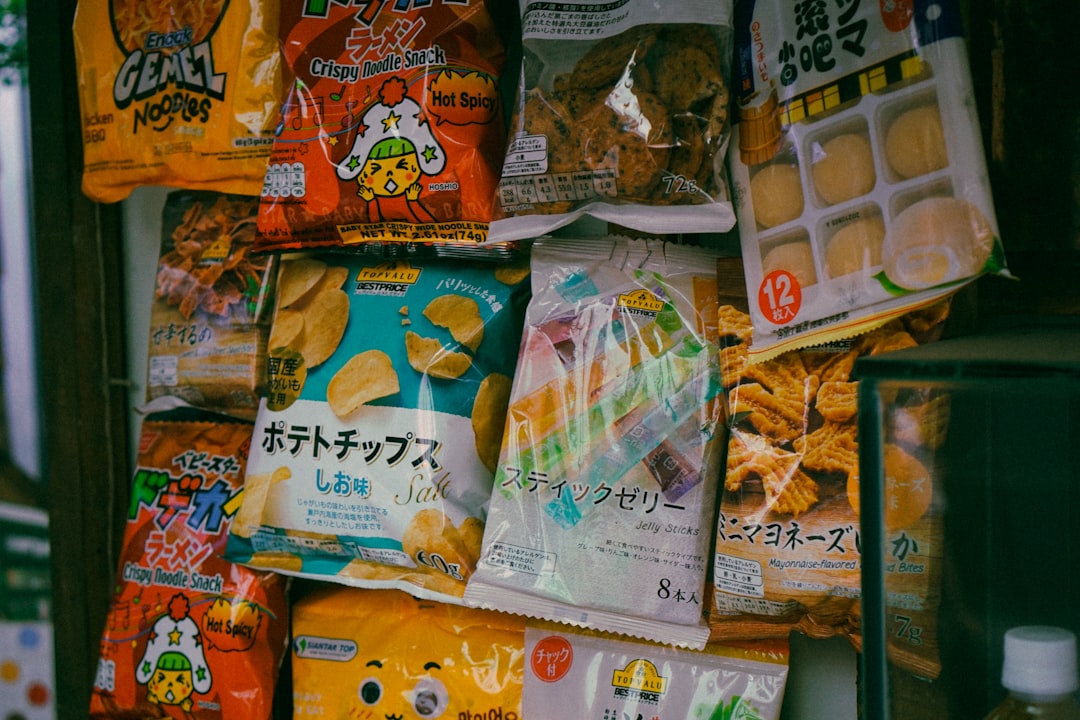
- Speciality Stores and Online Retailers: Many American cereals not readily available in mainstream UK supermarkets are found in specialist American candy stores, import shops, or through online retailers. These channels cater to expatriates, those seeking novelty, or individuals drawn to specific nostalgic brands. The prices in these outlets are typically higher, reflecting import costs and limited supply. This creates a “premium” perception, where rarity equates to a certain allure.
- Dedicated Aisles and “World Foods”: Some larger UK supermarkets have begun to dedicate small sections to “World Foods” or “American Imports,” where a limited selection of US cereals might appear. These are typically the most popular or universally appealing brands.
- Limited Demand for Direct Imports: The sheer volume of existing UK cereal options, coupled with the differing preferences and regulatory hurdles, means there isn’t a massive mainstream demand for a direct, widespread import of the full US cereal catalogue.
Brand Licensing and Local Production
A more common path for American cereal brands to enter the UK market is through licensing agreements and local production by multinational food conglomerates.
- Recipe Adaptation: When major US brands like Kellogg’s or General Mills introduce their products to the UK, they are often manufactured locally or within the EU. This allows for adaptation of recipes to comply with UK/EU regulations and to better suit local taste preferences, particularly regarding sugar and salt content. The brand name might be the same, but the product inside can be a distinct entity, much like two siblings with the same surname but different personalities.
- Packaging Differences: Even when the product is similar, packaging often differs due to varying labelling requirements, language nuances, and target market aesthetics. This includes information on allergens, nutritional values, and legal disclaimers.
- Strategic Market Presence: Companies make calculated decisions about which brands to introduce, considering the competitive landscape, perceived consumer demand, and the cost-effectiveness of local production over importation. Not every successful US cereal will translate into a viable UK product.
The Consumer Experience and Perception

The ultimate arbiter of the “American Cereal Difference” is the consumer. Their perceptions, informed by media, personal experience, and marketing, shape the narrative.
Novelty and Indulgence
For many UK consumers, American cereals represent novelty and a touch of indulgence. They are often seen as “treats” rather than everyday staples.
- “American Candy Store” Culture: The rise of dedicated American candy and snack stores in the UK has fuelled this perception. These shops often prominently feature American cereals, positioning them alongside confectionery and fizzy drinks, reinforcing their image as an indulgence.
- Media Influence: American television shows and films, where characters often consume brightly coloured, sugary cereals, contribute to this exotic perception. It’s a visual shorthand for a different kind of morning.
- Occasional Purchase: Consumers might purchase an American cereal for a special occasion, for children’s parties, or simply out of curiosity, rather than it being a recurring item on their weekly shopping list. This creates a specific niche, distinct from the daily grind of breakfast.
Perceived Healthfulness and Ingredients
Perceptions of healthfulness, accurate or not, heavily influence consumer choices, particularly in an era of increasing health consciousness.
- “Sugary” Stereotype: There’s a pervasive stereotype that American cereals are inherently more sugary and less healthy than their UK counterparts, even if specific UK-produced versions of US brands have been reformulated. This perception acts as a barrier for some consumers.
- Ingredient Scrutiny: Growing consumer awareness about ingredient lists, artificial colours, and preservatives means that any noticeable differences in these areas between US and UK versions are more likely to attract attention and influence purchasing decisions. The “clean label” trend resonates strongly in the UK.
- Comparison and Disappointment: For those who have experienced genuine US versions, trying the UK-adapted versions can sometimes lead to disappointment if the flavour profile has been significantly altered to meet local tastes or regulations. This divergence can be a source of bewilderment or even frustration for the discerning palate.
The differences in American and UK cereals can be quite surprising, especially when it comes to taste and ingredients. For a deeper understanding of these variations, you might find it interesting to explore a related article that discusses the cultural influences on breakfast foods in different countries. This article highlights how regional preferences shape the cereals we consume daily. To learn more, check out this insightful piece on the subject here.
The Future of American Cereals in the UK
| Aspect | United States Cereal | United Kingdom Cereal | Reason for Difference |
|---|---|---|---|
| Sweetness Level | Higher sugar content (up to 12-15g per serving) | Lower sugar content (around 5-8g per serving) | UK regulations and consumer preference favor less sugary cereals |
| Portion Size | Larger serving sizes (typically 30-40g) | Smaller serving sizes (typically 20-30g) | Different dietary guidelines and packaging standards |
| Fortification | Often fortified with vitamins and minerals like iron, B vitamins | Fortification varies; some cereals less fortified | Different nutritional regulations and consumer expectations |
| Ingredients | Use of corn syrup, artificial flavors, and colors common | More natural ingredients, fewer artificial additives | UK stricter food additive regulations and labeling laws |
| Marketing & Packaging | Bright, cartoon-heavy packaging targeting children | More subdued packaging, sometimes targeting adults | Cultural differences in advertising and marketing regulations |
| Texture & Flavor | Often crunchier and sweeter | Less sweet, sometimes softer texture | Consumer taste preferences differ between countries |
The trajectory of American cereals in the UK market is likely to continue evolving, shaped by ongoing global trends and localized pressures.
Evolving Health Trends and Consumer Demand
As health and wellness trends continue to gain traction in the UK, the pressure on all cereal manufacturers, including those producing American-originated brands, to offer healthier options will intensify.
- Demand for Less Sugar: The drive for lower sugar content is unlikely to diminish. Manufacturers will feel ongoing pressure to innovate and reduce sugar, even in traditionally sweet products, without compromising taste too severely.
- Plant-Based and Organic Options: The rise of plant-based diets and demand for organic or ‘natural’ products will likely influence the cereal aisle. American brands seeking to expand their UK presence may need to ensure their offerings align with these macro trends.
- Transparency and Sustainability: Consumers are increasingly demanding greater transparency about sourcing, production methods, and environmental impact. Brands that can demonstrate strong commitments in these areas may gain a competitive edge.
Globalization and Digital Marketplace
The continued globalization of markets and the expanding reach of online retail will undoubtedly play a significant role.
- Increased Availability: The digital marketplace may continue to bridge geographical gaps, making a wider array of specialty American cereals accessible to UK consumers, albeit at a premium.
- Cultural Exchange: Social media and online platforms facilitate a greater cultural exchange, potentially introducing UK consumers to new American cereal trends and generating demand for products that might not traditionally have been imported.
- Direct-to-Consumer Models: Some smaller, independent American cereal brands may explore direct-to-consumer shipping models to the UK, bypassing traditional retail channels and catering to niche markets. This could be a game-changer, allowing greater access to artisanal or highly specialized cereals.
In conclusion, the American cereal difference in the UK is a multifaceted phenomenon, a complex interplay of regulatory frameworks, deep-seated cultural preferences, logistical market realities, and nuanced consumer perceptions. It is a testament to the fact that even in an increasingly interconnected world, national identities and local contexts remain powerful forces in shaping the everyday act of breakfast. The cereal aisle, therefore, serves as a quiet but potent symbol of cultural convergence and divergence, a culinary mirror reflecting broader societal currents.
WATCH NOW ▶️ Why 99% Of American Food Is Illegal Overseas
FAQs
Why does American cereal taste different in the UK?
American cereal tastes different in the UK due to variations in ingredients, sweeteners, and recipes. The UK often uses different types of sugars, such as beet sugar instead of corn syrup, and may have stricter regulations on additives and fortification.
Are the ingredients in American cereal the same when sold in the UK?
No, the ingredients can differ. UK versions of American cereals often have modified recipes to comply with local food regulations and consumer preferences, which can affect taste, texture, and nutritional content.
Is the nutritional content of American cereal different in the UK?
Yes, the nutritional content may vary. UK cereals might have different levels of vitamins, minerals, and sugar due to local fortification laws and health guidelines, resulting in a product that is tailored to UK standards.
Why are some American cereals harder to find in the UK?
Some American cereals are harder to find in the UK because of import restrictions, distribution costs, and market demand. Additionally, some brands may choose to produce UK-specific versions or not sell certain products overseas.
Do packaging and branding of American cereals change in the UK?
Yes, packaging and branding often change to meet UK labeling laws, including nutritional information, ingredient lists, and allergen warnings. Branding may also be adapted to appeal to UK consumers and comply with advertising standards.