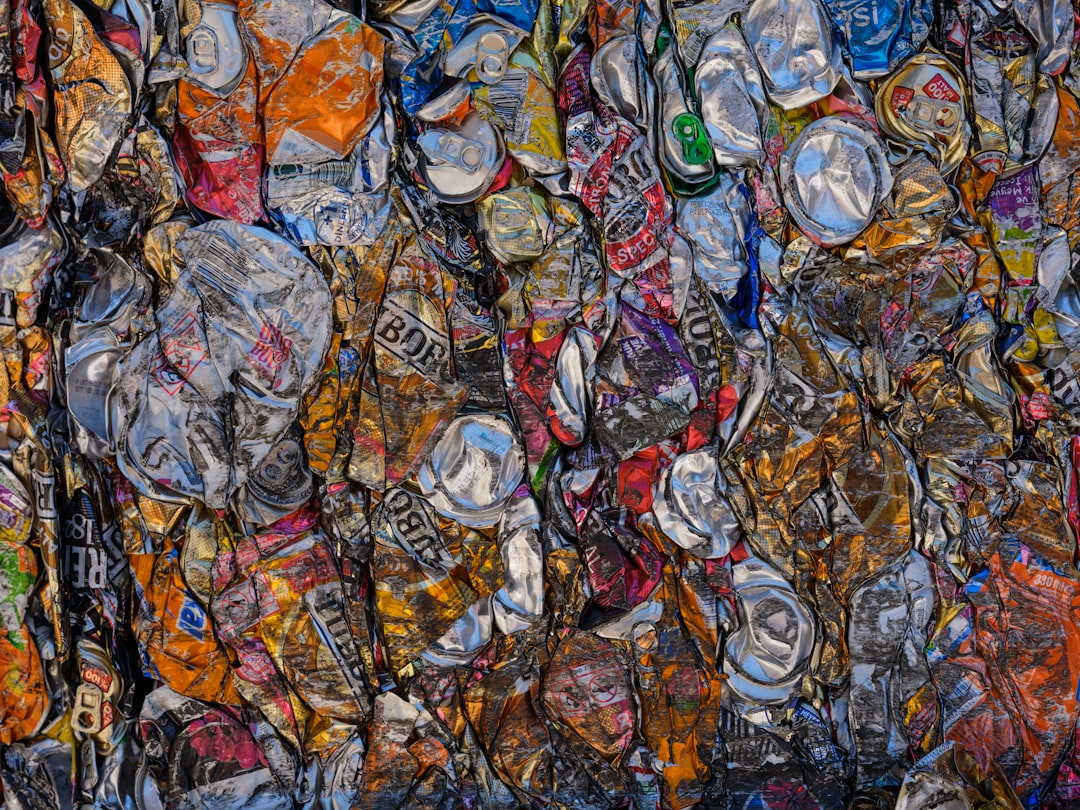
In recent years, the concept of advanced recycling has emerged as a beacon of hope in the quest for sustainable waste management. This innovative approach promises to transform plastic waste into valuable resources, thereby addressing the growing concerns surrounding plastic pollution. Proponents of advanced recycling argue that it offers a solution to the limitations of traditional recycling methods, which often struggle to process complex materials.
By utilizing advanced technologies, such as chemical recycling, this method aims to break down plastics into their fundamental components, allowing for the creation of new products without the need for virgin materials. The allure of advanced recycling lies not only in its potential to reduce waste but also in its ability to create a circular economy. In this model, materials are continuously reused and repurposed, minimizing the extraction of new resources and reducing environmental impact.
As society grapples with the consequences of plastic waste, advanced recycling presents an opportunity to rethink how materials are managed. However, while the promise of advanced recycling is enticing, it is essential to critically examine its implications and the realities that accompany its implementation.
Key Takeaways
- Advanced and chemical recycling are promoted as innovative solutions for plastic waste management.
- Environmental and economic concerns challenge the effectiveness and sustainability of chemical recycling.
- Lack of regulation and transparency raises doubts about the true benefits of chemical recycling technologies.
- Big corporations play a significant role in advancing chemical recycling, often overshadowing traditional recycling efforts.
- There is a strong call for accountability and the development of genuinely sustainable waste management solutions.
The Rise of Chemical Recycling
Chemical recycling has gained significant traction as a subset of advanced recycling, capturing the attention of both industry leaders and environmental advocates. This process involves breaking down plastics into their chemical building blocks through various methods, including pyrolysis and depolymerization. By converting waste into feedstock for new products, chemical recycling offers a way to divert plastics from landfills and incineration.
The rise of chemical recycling has been fueled by advancements in technology and increased investment from major corporations. Many companies are now exploring partnerships with chemical recycling facilities to enhance their sustainability efforts and meet consumer demand for eco-friendly products.
This shift reflects a broader trend within the industry, where businesses are recognizing the importance of integrating sustainable practices into their operations. However, despite its potential benefits, the widespread adoption of chemical recycling raises questions about its efficacy and long-term viability.
The Environmental Concerns
While chemical recycling presents an innovative solution to plastic waste, it is not without its environmental concerns. Critics argue that the process may not be as environmentally friendly as proponents claim. For instance, the energy-intensive nature of chemical recycling can lead to significant greenhouse gas emissions, undermining its intended purpose of reducing environmental impact.
Moreover, there are concerns regarding the potential release of harmful pollutants during the chemical recycling process. The breakdown of plastics can produce toxic byproducts that may pose risks to human health and ecosystems.
As communities increasingly demand transparency and accountability from industries, it is crucial to address these environmental concerns and ensure that chemical recycling does not inadvertently contribute to further pollution.
The False Claims of Chemical Recycling
As the chemical recycling industry continues to grow, so too do the claims surrounding its benefits. Some companies have been accused of overstating the effectiveness and environmental advantages of their chemical recycling processes. This phenomenon has led to skepticism among environmentalists and consumers alike, who are wary of greenwashing tactics that may mislead the public about the true impact of these technologies.
The term “chemical recycling” itself can be ambiguous, leading to confusion about what it entails and how it differs from traditional recycling methods. In some cases, companies may label their processes as “recycling” when they do not meet established definitions or standards. This lack of clarity can undermine public trust and hinder efforts to promote genuine sustainable practices.
It is essential for stakeholders to critically evaluate claims made by companies involved in chemical recycling and demand transparency regarding their processes and outcomes.
The Economic Implications
| Metric | Description | Reported Issues | Impact |
|---|---|---|---|
| Investment Amount | Capital invested in advanced chemical recycling projects | Overstated project viability leading to inflated investments | Financial losses for investors and stakeholders |
| Recycling Output | Actual volume of recycled material produced | Significantly lower than claimed; some plants produced negligible output | Misleading environmental benefits and false sustainability claims |
| Technology Efficiency | Conversion rate of plastic waste to reusable material | Reported efficiencies often exaggerated or unverified | Questionable environmental impact and resource use |
| Regulatory Compliance | Adherence to environmental and safety regulations | Instances of non-compliance and falsified reports | Legal penalties and loss of public trust |
| Transparency | Availability of independent audits and data verification | Lack of transparency and refusal to share data | Difficulty in assessing true performance and risks |
The economic implications of advanced and chemical recycling are multifaceted and warrant careful consideration. On one hand, these technologies have the potential to create new jobs and stimulate economic growth within the recycling sector. As companies invest in advanced recycling facilities and technologies, they may contribute to local economies by providing employment opportunities and fostering innovation.
This could lead to a more robust circular economy that benefits both businesses and communities. On the other hand, there are concerns about the economic viability of chemical recycling in comparison to traditional recycling methods. The high costs associated with establishing and operating chemical recycling facilities may deter investment and limit scalability.
Additionally, if chemical recycling does not deliver on its promises of efficiency and sustainability, it could divert resources away from more effective waste management strategies. As stakeholders navigate these economic implications, it is crucial to strike a balance between innovation and practicality.
The Lack of Regulation

One of the most pressing issues surrounding advanced and chemical recycling is the lack of regulation governing these practices. Unlike traditional recycling methods, which are often subject to established guidelines and standards, chemical recycling operates in a regulatory gray area. This absence of oversight raises concerns about safety, environmental impact, and accountability within the industry.
Without clear regulations, companies may be incentivized to prioritize profit over environmental responsibility, leading to practices that could harm communities and ecosystems. Furthermore, the lack of standardized definitions for terms like “chemical recycling” can create confusion among consumers and hinder informed decision-making. To ensure that advanced recycling technologies fulfill their promise of sustainability, it is imperative for policymakers to establish comprehensive regulations that promote transparency and accountability within the industry.
The Impact on Traditional Recycling Programs
The emergence of advanced and chemical recycling has significant implications for traditional recycling programs. While these new technologies offer innovative solutions for managing plastic waste, they may inadvertently undermine existing recycling efforts. As companies invest in chemical recycling facilities, there is a risk that they may divert resources away from traditional recycling programs that have been established over decades.
This shift could lead to a decline in participation in traditional recycling initiatives, as consumers may perceive chemical recycling as a more effective solution. However, traditional recycling remains a critical component of waste management strategies, particularly for materials that can be easily recycled through established processes. It is essential for stakeholders to recognize the value of both traditional and advanced recycling methods and work towards an integrated approach that maximizes resource recovery while minimizing environmental impact.
The Role of Big Corporations
Big corporations play a pivotal role in shaping the landscape of advanced and chemical recycling. Many industry leaders have embraced these technologies as part of their sustainability initiatives, often touting their commitment to reducing plastic waste. However, this involvement raises questions about corporate motivations and accountability.
While some corporations genuinely seek to address environmental challenges through advanced recycling, others may use these initiatives as a marketing tool to enhance their public image without making substantial changes to their practices. This phenomenon underscores the importance of scrutinizing corporate claims and ensuring that commitments to sustainability translate into meaningful action. As consumers become increasingly aware of corporate responsibility, they are likely to demand greater transparency regarding the role of big corporations in advancing sustainable solutions.
The Need for Transparency
Transparency is essential in fostering trust between consumers, corporations, and regulatory bodies within the realm of advanced and chemical recycling. As stakeholders navigate this complex landscape, clear communication about processes, outcomes, and environmental impacts is crucial for informed decision-making. Companies involved in chemical recycling must provide accurate information about their practices and demonstrate how they align with sustainability goals.
Moreover, transparency extends beyond corporate communication; it also encompasses regulatory oversight. Policymakers must establish clear guidelines for chemical recycling practices to ensure that companies adhere to established standards and prioritize environmental responsibility. By promoting transparency at all levels, stakeholders can work together to build a more sustainable future while holding each other accountable for their actions.
The Push for Sustainable Solutions
As society grapples with the challenges posed by plastic waste, there is an urgent need for sustainable solutions that go beyond advanced and chemical recycling. While these technologies offer promising avenues for resource recovery, they should not be viewed as panaceas for plastic pollution. Instead, a comprehensive approach that includes reducing plastic production, promoting reusable alternatives, and enhancing traditional recycling programs is essential for addressing the root causes of plastic waste.
The push for sustainable solutions requires collaboration among various stakeholders, including governments, businesses, non-profit organizations, and consumers. By working together towards common goals, these groups can develop innovative strategies that prioritize environmental stewardship while fostering economic growth. Ultimately, a holistic approach that encompasses multiple facets of sustainability will be necessary to create lasting change in how society manages plastic waste.
The Call for Accountability
In light of the complexities surrounding advanced and chemical recycling, there is a growing call for accountability within the industry. Stakeholders must hold companies responsible for their claims and practices while advocating for policies that promote ethical behavior in waste management. This accountability extends not only to corporations but also to regulatory bodies tasked with overseeing these practices.
As consumers become more informed about environmental issues, they are likely to demand greater accountability from businesses regarding their sustainability efforts. This shift presents an opportunity for companies to demonstrate genuine commitment to responsible practices while building trust with their customers. By fostering a culture of accountability within the industry, stakeholders can work towards creating a more sustainable future where advanced and chemical recycling serve as effective tools in combating plastic pollution rather than mere marketing strategies.
In conclusion, while advanced and chemical recycling hold promise in addressing plastic waste challenges, it is crucial to critically evaluate their implications on environmental sustainability, economic viability, regulation, traditional practices, corporate responsibility, transparency, holistic solutions, and accountability within the industry. Only through collaborative efforts can society hope to navigate this complex landscape effectively while striving towards a more sustainable future.
Advanced recycling, often referred to as chemical recycling, has sparked considerable debate regarding its efficacy and environmental impact. Critics argue that it may be more of a marketing strategy than a genuine solution to plastic waste, leading some to label it a scam. For a deeper understanding of the complexities surrounding this topic, you can read more in the article found at Hey Did You Know This.
WATCH THIS! 🚨 THE RECYCLING LIE: How Big Oil Fooled the World for 50 Years 🚨
FAQs
What is advanced chemical recycling?
Advanced chemical recycling refers to processes that break down plastic waste into its chemical components, allowing the materials to be reused in manufacturing new plastics or other products. These methods include pyrolysis, gasification, and depolymerization.
How does advanced chemical recycling differ from mechanical recycling?
Mechanical recycling involves physically processing plastics (e.g., shredding and melting) to create new products, whereas advanced chemical recycling breaks plastics down at the molecular level to produce raw materials that can be used to make new plastics or chemicals.
Why is advanced chemical recycling considered controversial?
Advanced chemical recycling is controversial because some companies have exaggerated its environmental benefits, leading to accusations of greenwashing. Additionally, concerns exist about the actual environmental impact, energy use, and emissions associated with these processes.
What is meant by the term “chemical recycling scam”?
The term “chemical recycling scam” refers to claims that some companies or promoters of advanced chemical recycling mislead the public and regulators by overstating the technology’s effectiveness, sustainability, or ability to solve plastic pollution, while continuing to rely on fossil fuels or producing harmful emissions.
Are there environmental concerns associated with advanced chemical recycling?
Yes, environmental concerns include high energy consumption, potential release of toxic emissions, generation of hazardous byproducts, and the possibility that it may perpetuate plastic production rather than reduce overall plastic waste.
Is advanced chemical recycling widely implemented and proven at scale?
Currently, advanced chemical recycling technologies are mostly in pilot or early commercial stages. There is limited evidence of large-scale, economically viable, and environmentally sustainable operations.
What should consumers know about claims made by companies promoting advanced chemical recycling?
Consumers should be cautious and seek independent information, as some companies may use misleading marketing to suggest that advanced chemical recycling is a comprehensive solution to plastic waste, when in reality it may have significant limitations and environmental impacts.
How can policymakers address concerns related to advanced chemical recycling?
Policymakers can implement strict regulations, require transparency and independent verification of environmental claims, promote investment in proven recycling methods, and encourage reduction and reuse strategies alongside any chemical recycling initiatives.