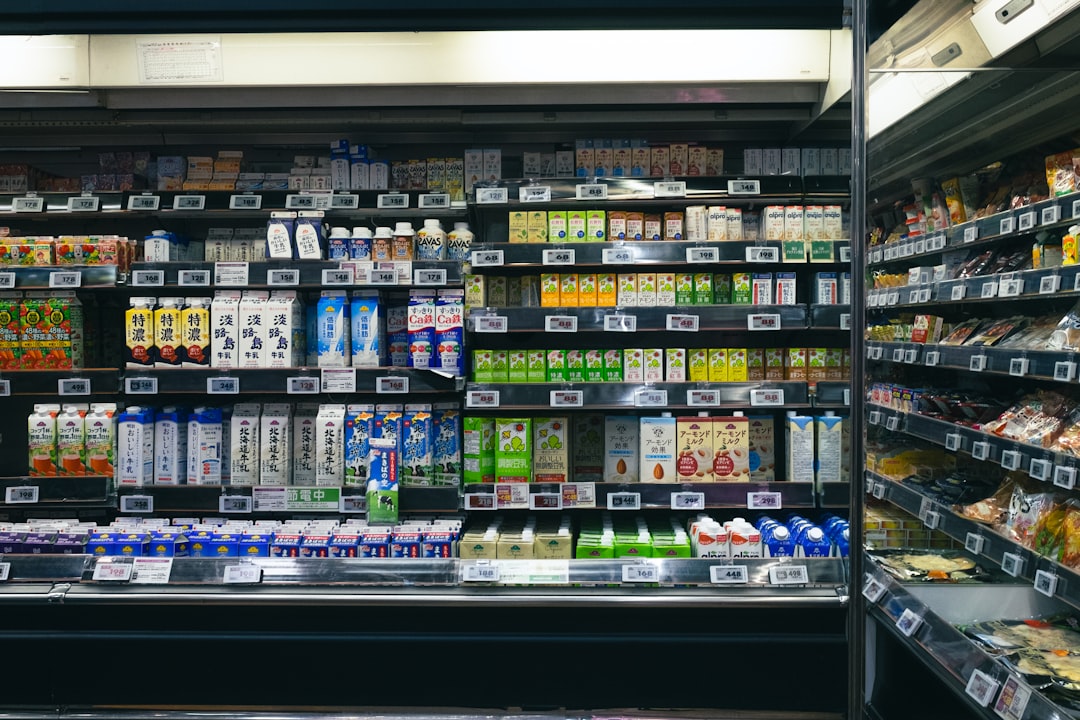
The $40 Billion Milk Industry: A Dairy Giant’s Impact
The global dairy industry represents a significant economic force, with an estimated market value reaching upwards of $40 billion annually. This vast sector encompasses the production, processing, and distribution of milk and a wide array of derived products, from cheese and yogurt to butter and ice cream. At the heart of this economic behemoth lies the dairy cow, an animal whose husbandry has been intertwined with human civilization for millennia. While often perceived as a simple, pastoral business, the modern dairy industry is a complex, technologically advanced, and economically powerful enterprise with far-reaching implications. Understanding the sheer scale of this industry requires a closer examination of its various facets and the entities that shape its trajectory.
The financial underpinnings of the milk industry are substantial and multifaceted. From the cost of feed and veterinary care to the investment in land, machinery, and labor, operating a dairy farm represents a significant capital outlay. However, for those who manage to navigate the complexities, the rewards can be considerable.
Farm-Level Economics and Profitability
Dairy farming operates on a business model that hinges on the efficient conversion of feed into milk. The profitability of individual farms is influenced by a myriad of factors, including herd size, milk yield per cow, feed costs, commodity prices (for both feed and milk), and regulatory compliance. Modern dairy operations often employ advanced management systems to optimize these variables. Automated milking parlors, sophisticated nutrition plans, and herd health monitoring technologies are commonplace, all aimed at maximizing output while minimizing waste and disease. The price of milk, often dictated by global commodity markets and cooperative agreements, is a critical determinant of farm income. Fluctuations in these prices can create periods of challenge and prosperity for producers.
The Role of Cooperatives and Marketing Boards
In many regions, dairy farmer cooperatives play a pivotal role in the industry’s economic structure. These organizations pool the milk produced by their member farms, negotiate prices with processors and distributors, and often provide crucial services such as technical support, shared resources, and marketing initiatives. Cooperatives offer a degree of collective bargaining power to individual farmers, helping to stabilize market access and potentially achieve better returns than they might as independent entities. Marketing boards, often government-sanctioned, can also influence milk pricing, production quotas, and promotional efforts, further shaping the economic landscape.
Global Market Dynamics and Trade
The $40 billion milk industry is not confined by national borders. International trade in dairy products is substantial, with key players like the European Union, the United States, New Zealand, and Australia being major exporters. Global demand for dairy, influenced by population growth, rising incomes in developing economies, and evolving dietary trends, drives international trade flows. Trade agreements, tariffs, and sanitary and phytosanitary regulations all play a crucial role in shaping the accessibility of dairy products across different markets, creating a complex web of economic interdependencies.
The $40 billion milk industry plays a crucial role in the agricultural sector, influencing everything from dairy farming practices to consumer health trends. For a deeper understanding of the dynamics at play within this industry, you can explore a related article that delves into the latest innovations and challenges faced by dairy producers. Check it out here: Hey Did You Know This.
Technological Advancements in Dairy Farming
The image of the pastoral dairy farmer has largely given way to that of a highly skilled manager utilizing cutting-edge technology. Innovation is a constant driver in the quest for greater efficiency, improved animal welfare, and enhanced product quality.
Precision Agriculture and Data Management
Modern dairy farms are increasingly embracing the principles of precision agriculture. This involves the use of sensors, GPS technology, and sophisticated data analytics to monitor and manage individual cows and the farm as a whole. Technologies like activity monitors, which track a cow’s movement and rumination patterns, can signal early signs of illness or estrus, allowing for timely intervention. Milk yield monitors provide real-time data on production, and somatic cell count sensors can detect mastitis, an inflammation of the udder that affects milk quality and quantity. This wealth of data, when properly analyzed, can inform decisions on feeding, breeding, and health management, leading to more optimized herd performance.
Automation and Robotics in Milking
The advent of robotic milking systems has revolutionized the milking process on many dairy farms. These automated systems allow cows to be milked voluntarily, at times that suit their individual needs, rather than adhering to strict human schedules. The robots identify the cow, clean and prepare the teats, attach the milking cups, and monitor milk flow. This not only reduces labor requirements but can also improve cow welfare by minimizing stress associated with traditional milking methods and allowing for more natural feeding and resting behaviors. The data generated by these systems also contributes to the overall precision agriculture framework.
Genetic Improvement and Breeding Technologies
Significant advancements have been made in genetic selection and breeding technologies aimed at improving milk production, milk composition, and disease resistance in dairy cattle. Through advanced reproductive technologies like artificial insemination and embryo transfer, breeders can selectively introduce desirable traits into herds. Genomic testing allows for the identification of animals with superior genetic potential at a young age, accelerating the pace of genetic progress. This focus on genetics contributes to higher milk yields and can also address traits related to animal health and longevity.
Environmental Considerations and Sustainability in the Dairy Sector

The dairy industry, like many large-scale agricultural enterprises, faces scrutiny regarding its environmental footprint. Addressing these concerns is crucial for the long-term viability and social acceptance of the sector.
Greenhouse Gas Emissions and Mitigation Strategies
Dairy farming contributes to greenhouse gas emissions, primarily through methane produced by enteric fermentation (the digestion process in ruminant animals) and manure management. While a significant concern, the industry is actively exploring and implementing strategies to mitigate these emissions. These include improving feed digestibility to reduce methane production, enhancing manure management through techniques like anaerobic digestion (which captures methane for energy generation), and optimizing herd health and productivity to get more milk from fewer cows. Research into feed additives that suppress methane production is also ongoing.
Water Usage and Management Practices
Water is a vital resource for dairy farming, used for drinking water for cows, cleaning facilities, and irrigating feed crops. Responsible water management is therefore a key sustainability priority. Farms are increasingly implementing water conservation measures, such as reusing or recycling water where possible, optimizing irrigation schedules for feed crops, and utilizing water-efficient cleaning systems. Understanding the local water table and watershed dynamics is also crucial for sustainable operation.
Land Use and Biodiversity Impacts
The land required to support dairy herds, both for grazing and for growing feed crops, raises questions about land use efficiency and biodiversity. Sustainable practices aim to minimize the negative impacts by promoting efficient land utilization, preventing soil erosion through techniques like cover cropping and no-till farming, and preserving or enhancing local biodiversity. Some farms are integrating agroforestry practices or establishing buffer zones to support wildlife.
Consumer Demand and Market Trends

The $40 billion milk industry is ultimately driven by consumer preferences and evolving dietary habits, which shape demand for various dairy products.
Shifting Dietary Habits and Plant-Based Alternatives
In recent years, there has been a notable shift in consumer dietary habits, with a growing interest in plant-based diets and alternatives to traditional dairy products. The market for plant-based milks, yogurts, and cheeses has expanded significantly, presenting a competitive challenge to the conventional dairy sector. This trend is driven by various factors, including perceived health benefits, environmental concerns, and ethical considerations. The dairy industry is responding by highlighting the nutritional advantages of dairy and investing in innovation within its own sector.
Demand for Health and Wellness Products
Consumers are increasingly seeking dairy products that offer added health benefits. This has led to a rise in demand for functional dairy foods, such as those fortified with vitamins and minerals, containing probiotics for gut health, or perceived as contributing to overall well-being. Low-fat and reduced-sugar options also continue to be popular. The industry is leveraging these trends by developing and marketing products that cater to these specific health and wellness demands.
Transparency, Traceability, and Ethical Sourcing
Consumers are also demonstrating a growing desire for transparency and traceability in their food supply chains, including for dairy products. There is an increased expectation that dairy products are sourced ethically, with a focus on animal welfare, sustainable farming practices, and fair treatment of farm workers. Brands that can effectively communicate their commitment to these principles often resonate more strongly with consumers, influencing purchasing decisions.
The $40 billion milk industry plays a significant role in the agricultural economy, influencing everything from dairy farming practices to consumer health trends. A recent article discusses the evolving landscape of this industry and highlights innovative approaches that farmers are adopting to meet changing consumer demands. For more insights on this topic, you can read the full article here. Understanding these dynamics is crucial for anyone interested in the future of dairy production and its impact on our diets.
The Future of the Dairy Industry
| Metrics | Data |
|---|---|
| Total Annual Revenue | 40 billion |
| Number of Dairy Cows | 9.4 million |
| Annual Milk Production | 218 billion pounds |
| Top Milk Producing State | California |
| Number of Dairy Farms | 41,809 |
The $40 billion milk industry is in a state of continuous evolution, facing both challenges and opportunities that will shape its future trajectory.
Innovation in Product Development
Future innovation in the dairy sector will likely focus on developing new and improved products that meet evolving consumer needs. This could include further diversification of plant-based alternatives from dairy-based counterparts, the development of more sustainable and nutritious dairy products, and the creation of novel dairy-derived ingredients for a range of applications. Advanced fermentation techniques and novel processing methods could also lead to new product categories.
Addressing the Sustainability Imperative
The imperative for enhanced sustainability will continue to drive innovation and operational changes within the dairy industry. Continued research into reducing greenhouse gas emissions, optimizing water usage, and promoting responsible land management will be paramount. Consumer and regulatory pressure will likely push for greater adoption of verifiable sustainable practices.
Adapting to Global Economic and Geopolitical Shifts
The dairy market is susceptible to global economic fluctuations, trade policies, and geopolitical events. The industry will need to remain agile and adaptable to navigate these external factors. Diversifying markets, strengthening supply chains, and building resilience will be key to managing future uncertainties and ensuring the continued economic viability of this significant industry.
FAQs
1. What is the size of the milk industry in terms of revenue?
The milk industry is estimated to be worth around $40 billion in the United States.
2. How many gallons of milk are produced annually in the United States?
The United States produces over 200 billion pounds of milk annually, which is roughly equivalent to 24 billion gallons.
3. What are the top dairy-producing states in the United States?
The top dairy-producing states in the United States are California, Wisconsin, New York, Idaho, and Texas.
4. What are the main products derived from milk in the industry?
The main products derived from milk in the industry include fluid milk, cheese, butter, yogurt, ice cream, and powdered milk.
5. How does the milk industry impact the economy and employment?
The milk industry plays a significant role in the U.S. economy, providing jobs for millions of people in dairy farming, processing, distribution, and retail. Additionally, it contributes to the overall economic growth and stability of rural communities.