
Testing Soil for Legacy Phosphorus: A How-To Guide
Legacy phosphorus refers to phosphorus that has accumulated in the soil over extended periods, typically from past agricultural practices such as the repeated application of fertilizers, animal manures, and biosolids. While phosphorus is an essential nutrient for plant growth, excessive accumulations can lead to environmental concerns, most notably eutrophication of water bodies. Understanding and quantifying legacy phosphorus levels is crucial for informed nutrient management strategies, helping to prevent further accumulation and mitigate potential environmental risks. This guide outlines a practical approach to testing soil for legacy phosphorus.
The Environmental Significance of Legacy Phosphorus
Legacy phosphorus presents a unique challenge in soil fertility management. Unlike readily available phosphorus, which is quickly taken up by plants or undergoes relatively rapid transformations in the soil, legacy phosphorus represents a substantial reserve. Its slow release means it can continue to contribute to plant nutrition over time, but it also signifies a potential for off-site transport, particularly during periods of heavy rainfall or erosion. When phosphorus leaches into waterways or is transported via surface runoff, it can fuel excessive algal blooms. This process, known as eutrophication, depletes dissolved oxygen in the water, harming aquatic life and degrading water quality. The persistence of legacy phosphorus makes it a long-term environmental concern, requiring careful monitoring and management.
Forms of Legacy Phosphorus in Soil
Soil phosphorus exists in various forms, broadly categorized as organic and inorganic. Legacy phosphorus encompasses both, with a significant portion often in less soluble or more stable inorganic forms.
Inorganic Phosphorus
Inorganic phosphorus typically exists as orthophosphate ions, which can be loosely bound to soil particles (labile phosphorus), adsorbed onto the surfaces of soil minerals like iron, aluminum, and calcium oxides (non-labile inorganic phosphorus), or incorporated into the crystal structure of minerals (recalcitrant inorganic phosphorus). Legacy phosphorus often includes substantial amounts of these adsorbed and mineralized inorganic fractions, which are less accessible to plants but can be slowly released over time. The specific mineralogy of the soil plays a significant role in determining the dominant forms of inorganic phosphorus and their lability. For instance, in acidic soils, phosphorus tends to bind strongly with iron and aluminum. In alkaline soils, it is more commonly associated with calcium.
Organic Phosphorus
Organic phosphorus is found within the soil’s organic matter. It originates from the decomposition of plant and animal residues. Soil microorganisms play a crucial role in cycling organic phosphorus, converting it into inorganic forms that plants can absorb. While organic phosphorus contributes to the soil’s phosphorus pool, its availability is dependent on the activity of these microorganisms and the overall health of the soil ecosystem. Legacy phosphorus can include a substantial organic component, especially in soils with a long history of organic matter amendment. The rate at which organic phosphorus becomes plant-available depends on factors like soil temperature, moisture, and the composition of the organic matter itself.
Factors Influencing Legacy Phosphorus Accumulation
Several factors contribute to the build-up of legacy phosphorus in agricultural soils. Understanding these factors is essential for interpreting test results and developing appropriate management strategies.
Historical Fertilizer Use
The most significant driver of legacy phosphorus accumulation is the long-term application of phosphorus-containing fertilizers. If phosphorus inputs consistently exceed crop removal and environmental losses, the surplus will accumulate in the soil over time. This has been particularly common in conventional agriculture where phosphorus application was often based on general recommendations rather than specific soil testing intervals or on crop nutrient needs relative to the soil’s existing phosphorus supply. The type of fertilizer used also plays a role; some forms are more prone to fixation or becoming less available over time than others.
Manure and Biosolid Application
The application of animal manures and biosolids (treated sewage sludge) is another major source of phosphorus accumulation. These materials are rich in phosphorus, and if applied without regard to the existing soil phosphorus levels or the nutrient requirements of the crops, they can lead to significant build-ups. The rate of application, the frequency, and the nutrient content of the manure or biosolids are all critical factors. Older, less processed manures might have a higher proportion of less bioavailable phosphorus compared to more thoroughly composted or treated materials.
Soil Properties and Site-Specific Conditions
Soil type, pH, organic matter content, and drainage conditions all influence how phosphorus behaves in the soil and how readily it accumulates. For example, soils with a high capacity to fix phosphorus (e.g., those rich in iron and aluminum oxides in acidic conditions, or calcium in alkaline conditions) may accumulate phosphorus more readily as less soluble forms. Poorly drained soils can also exacerbate phosphorus issues, as saturation can alter redox conditions and affect phosphorus solubility. Understanding these site-specific conditions is crucial for predicting how legacy phosphorus might behave.
If you’re interested in understanding how to test soil for legacy phosphorus, you might find this article helpful: Hey Did You Know This. It provides valuable insights into soil testing methods and the implications of legacy phosphorus on agricultural practices. By exploring this resource, you can gain a deeper understanding of how to assess soil health and manage phosphorus levels effectively.
Methods for Testing Legacy Phosphorus
Accurately measuring legacy phosphorus requires using phosphorus extraction methods that can solubilize these less available forms. Standard soil tests often focus on plant-available phosphorus, which may not capture the full extent of legacy phosphorus. Specialized or modified extraction methods are often employed.
Choosing the Right Extraction Method
The selection of an appropriate phosphorus extraction method is paramount. Different methods target different fractions of phosphorus within the soil. The goal for legacy phosphorus testing is to employ a method that solubilizes a significant portion of the accumulated, less labile phosphorus.
Mehlich-3 Extraction
The Mehlich-3 extraction is a widely used multi-element extractant, popular in many regions for routine soil fertility testing. It is a dilute acid solution (containing ammonium nitrate, ammonium chloride, and acetic acid). While primarily designed to estimate plant-available phosphorus, it can also extract a portion of moderately labile inorganic phosphorus fractions. For legacy phosphorus assessment, Mehlich-3 can provide a baseline, but it may not fully capture the most recalcitrant forms. Its strength lies in its broad applicability and established correlation with crop responses in many agricultural systems, making it a useful starting point for comparison with other methods.
Bray-1 and Bray-2 Extractions
Bray extractions, particularly Bray-1 (using a dilute HCl and NH4F solution) and Bray-2 (using a more concentrated HCl and NH4F solution), are also commonly used. Bray-1 is generally considered to extract more labile forms of phosphorus, while Bray-2 can extract a broader range of inorganic phosphorus, including some of the more adsorbed forms. For assessing legacy phosphorus, Bray-2 might offer a better indication of the total accumulated pool than Bray-1. These methods are particularly effective in soils with low to medium pH.
Olsen (NaHCO3) Extraction
The Olsen P test, using a sodium bicarbonate solution, is the standard method for soils with neutral to alkaline pH. It is effective at extracting phosphorus adsorbed to calcium or existing as calcium phosphates. In alkaline soils, where phosphorus is often tied up with calcium, Olsen P can provide a good estimate of the inorganic phosphorus pool, including some of the legacy component. This method is particularly relevant in regions with calcareous soils.
Resin Extraction
Ion-exchange resins, often in a charged form, can be used to extract phosphorus from the soil solution. This method mimics the plant’s ability to absorb phosphorus from the soil water. While effective at measuring actively available phosphorus, some advanced resin techniques can be adapted to assess more slowly released fractions over longer incubation periods, potentially capturing aspects of legacy phosphorus. However, standard resin tests are typically focused on immediate availability.
Sequential Extraction Techniques
For a more detailed understanding of the different phosphorus fractions, sequential extraction techniques are employed. These methods involve a series of increasingly aggressive chemical extractions to sequentially remove different pools of phosphorus from the soil.
Common Sequential Extraction Schemes
Several sequential extraction schemes exist, such as the Hedley method or variations thereof. These typically start with a labile or weakly adsorbed fraction, followed by extractions targeting adsorbed inorganic phosphorus, organic phosphorus, and finally, mineral or authigenic phosphorus. Such detailed analyses can provide a comprehensive breakdown of the legacy phosphorus pool, distinguishing between forms that are still somewhat accessible and those that are highly recalcitrant. While more complex and time-consuming, these methods offer the most precise characterization of legacy phosphorus.
Laboratory Analysis
Once the soil samples have been collected and extracted, they are sent to a laboratory for analysis. The laboratory will measure the concentration of phosphorus in the extract.
Phosphorus Measurement Techniques
The most common method for measuring phosphorus concentration in solution is spectrophotometry, typically using molybdenum blue colorimetry. This technique involves reacting the extracted phosphate ions with a molybdenum reagent to form a colored complex, the intensity of which is directly proportional to the concentration of phosphorus. Other methods like Inductively Coupled Plasma Atomic Emission Spectrometry (ICP-AES) or Inductively Coupled Plasma Mass Spectrometry (ICP-MS) can also be used for more precise or for multi-element analysis.
Interpreting Laboratory Results
Laboratory results are typically reported in units such as parts per million (ppm) or milligrams per kilogram (mg/kg) of soil. The interpretation of these results depends heavily on the extraction method used and the established calibration for specific crops and soil types in a particular region.
Understanding ‘Available’ vs. ‘Total’ Phosphorus
It is important to distinguish between ‘available’ phosphorus (as measured by standard fertility tests) and ‘total’ phosphorus. Legacy phosphorus testing aims to quantify both the readily available pool and the less available but significant accumulated reserve. A high ‘total’ phosphorus value without a corresponding high ‘available’ value indicates a substantial legacy phosphorus pool.
Regional Calibration and Interpretation Guides
Interpreting soil test results for legacy phosphorus requires reference to regional calibration charts and fertility guides. These resources provide target ranges and recommendations based on extensive field research specific to local soil types, climate, and crops. A value that is considered high in one region might be moderate in another.
The Practical Steps to Testing Soil for Legacy Phosphorus
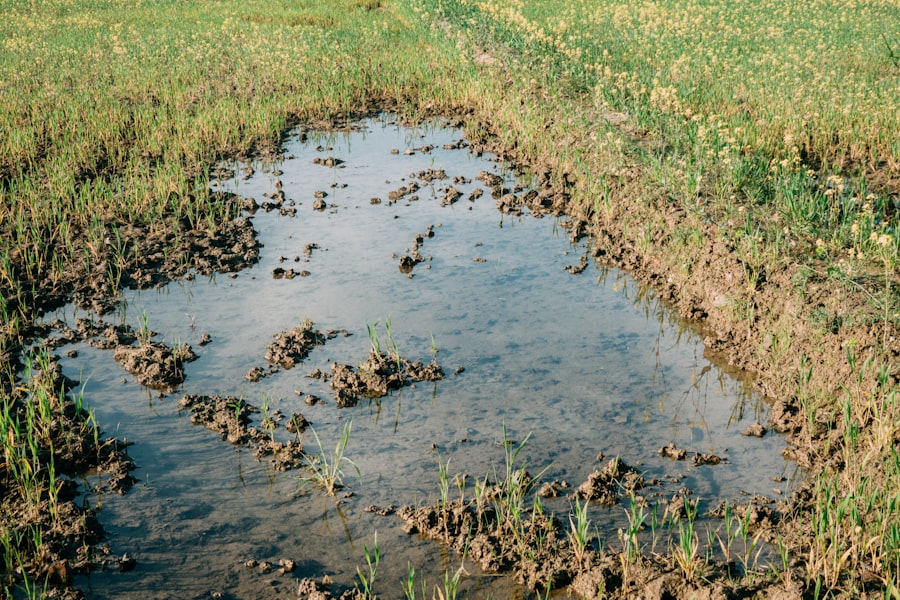
Conducting a soil test for legacy phosphorus involves careful planning, sampling, and laboratory submission. Following a systematic approach ensures reliable and actionable data.
Planning Your Soil Sampling Strategy
Before collecting any samples, a clear plan is essential. This involves determining the areas to be tested, the number of samples needed, and the sampling depth.
Identifying Areas of Concern
Focus on areas where historical phosphorus inputs have been high, such as fields that have received repeated applications of manure, biosolids, or high-phosphorus fertilizers. Also, consider drainage areas or locations near water bodies, as these are areas where phosphorus loss is a greater concern. Delineating management zones within a field based on soil properties or previous management history can also improve the precision of sampling.
Determining the Number and Placement of Samples
For accurate representation, soil samples should be collected systematically across the chosen area. The number of samples needed depends on the variability of the area. A composite sample, made up of multiple subsamples, is typically collected from a defined area. For legacy phosphorus, it may be advisable to collect samples from different depths to understand the vertical distribution of the accumulated phosphorus. Sampling at standard depths (e.g., 0-15 cm) is common, but for legacy phosphorus, deeper sampling (e.g., 0-30 cm or even deeper) might be warranted to assess deeper accumulations.
Standard vs. Targeted Sampling
While standard grid or zone sampling can provide useful information, for a focused assessment of legacy phosphorus, targeted sampling in areas with a known history of high phosphorus application may be more efficient. This allows for a more specific investigation of the accumulated reserves in those areas.
Sample Collection and Preparation
The method of sample collection and preparation can significantly impact the accuracy of the test results. Following standardized procedures is crucial.
Soil Sampling Equipment
Use clean sampling tools, such as a soil probe, auger, or spade. Ensure that all equipment is free of any residual soil or fertilizers that could contaminate the sample. Stainless steel or plastic tools are generally preferred.
Collecting Composite Samples
Collect multiple subsamples (e.g., 10-20) from the defined area. Each subsample should be representative of that portion of the area. For a composite sample, combine all subsamples thoroughly in a clean container. Avoid sampling from unusual spots like fence lines, animal congregation areas, or low-lying wet spots unless they are part of the defined sampling area.
Proper Subsampling and Mixing
Once the subsamples are combined, mix them thoroughly to ensure homogeneity. If the soil is very wet, it may need to be air-dried before mixing and subsampling for laboratory submission. Remove any large stones, roots, or debris that are not representative of the soil matrix.
Sample Storage and Transportation
Store the composite sample in a clean, labeled plastic bag or container. Avoid storing samples in direct sunlight or in a hot environment, as this can alter the chemical properties of the soil. Transport the samples to the laboratory as soon as possible. If immediate transport is not possible, refrigerate the samples.
Submitting Samples to the Laboratory
The final step involves submitting the prepared samples to a reputable soil testing laboratory.
Selecting a Reputable Laboratory
Choose a laboratory that is accredited and experienced in performing soil phosphorus analysis. Inquire about the specific extraction methods they use and their turnaround time. It is also beneficial to choose a lab that provides interpretation services tailored to your region.
Specifying the Desired Analysis
Clearly communicate to the laboratory the types of analyses you require. For legacy phosphorus, you will likely need to request specific phosphorus extraction methods and potentially a full phosphorus fraction analysis if a detailed breakdown is desired. Mention that you are particularly interested in assessing accumulated phosphorus levels.
Providing Essential Information
Ensure that the laboratory receives all necessary information with your sample, including your contact details, the location of the field, the sampling date, the crop being grown or intended, and any relevant historical information about fertilizer or manure applications. This context helps the laboratory in providing a more accurate interpretation.
Analyzing and Interpreting Legacy Phosphorus Test Results

Once the laboratory results are received, the critical task of interpreting them begins. This involves understanding the numbers in the context of your soil, your management history, and your environmental goals.
Understanding Your Report
Familiar familiarizing yourself with the structure and key parameters of your soil test report is the first step.
Key Phosphorus Metrics
Your report will likely present several phosphorus metrics. These could include:
- Extractable Phosphorus (P): This is the direct measurement from your chosen extraction method (e.g., Mehlich-3 P, Bray-2 P, Olsen P).
- Soil pH: This is essential for interpreting phosphorus availability, as pH strongly influences phosphorus fixation.
- Organic Matter Content: Higher organic matter can influence phosphorus cycling and retention.
- Other Nutrients: Reports typically include other essential plant nutrients.
Interpreting Levels by Extraction Method
The reported levels of extractable phosphorus must be interpreted according to the specific extraction method used. A higher reading with Bray-2, for example, will indicate more accumulated phosphorus than the same reading with Mehlich-3, as Bray-2 is generally a more aggressive extractant.
Comparing Results to Recommendations
The most crucial part of interpretation is comparing your results to established recommendations.
Regional Calibration and Target Ranges
Soil testing laboratories and agricultural extension services provide regional calibration guides. These guides specify target ranges for different crops and soil types. For legacy phosphorus, you will be looking for values that exceed the optimal range for current crop needs, indicating an accumulation.
Critical Levels for Plant Uptake
Understand the critical level for plant uptake for the specific extraction method. Values significantly above this critical level typically indicate carryover or legacy phosphorus.
Levels Indicative of Environmental Risk
Specialized interpretations might exist for assessing the risk of phosphorus loss to water bodies. These often consider both the total phosphorus content and the soil’s adsorption capacity, which is influenced by factors like soil pH and the presence of iron, aluminum, and calcium. Values above certain thresholds might flag increased risk.
Considering Management History and Site-Specific Factors
Your historical management practices and the inherent characteristics of your soil are vital for a complete interpretation.
Impact of Past Management Decisions
A high phosphorus reading in a field with a long history of heavy manure application is expected. Conversely, if high levels are found in a field with minimal phosphorus inputs, it might point to naturally high phosphorus parent material or an unusual soil property.
Soil Properties Affecting Phosphorus Availability
The soil’s pH is paramount. In acidic soils, phosphorus can be tied up with iron and aluminum. In alkaline soils, it is associated with calcium. Understanding your soil’s texture and mineralogy can also provide clues about its phosphorus fixation capacity.
Understanding how to test soil for legacy phosphorus is crucial for effective land management and agricultural practices. For those looking to delve deeper into this topic, a related article provides valuable insights and methodologies that can enhance your soil testing efforts. You can explore more about this by visiting this informative resource, which outlines various techniques and considerations for accurately assessing phosphorus levels in your soil.
Developing Management Strategies Based on Legacy Phosphorus Levels
| Testing Method | Pros | Cons |
|---|---|---|
| Soil Testing Kits | Easy to use | May not provide accurate results |
| Laboratory Analysis | Accurate results | Requires sending samples to a lab |
| Field Test Kits | Quick results | May be less accurate than lab analysis |
Once legacy phosphorus levels are understood, informed management decisions can be made to optimize nutrient use and minimize environmental risks.
Adjusting Fertilizer Applications
The presence of legacy phosphorus necessitates a rethinking of phosphorus fertilizer applications.
Reducing or Eliminating Phosphorus Inputs
If soil test results indicate significant legacy phosphorus, the need for supplemental phosphorus fertilizer for crop nutrition may be reduced or eliminated for several years. This not only saves on input costs but also prevents further accumulation.
Focusing on Other Nutrients
With phosphorus needs met by existing reserves, fertilizer budgets can be redirected to address potential deficiencies in other essential nutrients that might be limiting crop growth.
Implementing Best Management Practices (BMPs) for Phosphorus
Strategies to minimize phosphorus loss from fields are paramount when legacy phosphorus is present.
Erosion Control Measures
Practices such as cover cropping, conservation tillage, contour farming, and maintaining vegetative buffer strips along waterways are crucial for preventing the transport of phosphorus via surface runoff. Healthy soil structure, promoted by practices like adding organic matter, also improves water infiltration and reduces runoff.
Nutrient Management Plans
Developing a comprehensive nutrient management plan that takes into account soil test results, crop needs, and environmental risk factors is essential. This plan should detail the timing, rate, and placement of all nutrient applications.
Precision Nutrient Application
Utilizing precision agriculture technologies, such as variable rate application, allows for the targeted application of phosphorus only where and when it is needed, or in reduced amounts in areas with high legacy phosphorus.
Monitoring and Re-testing
Legacy phosphorus is not a static issue. Ongoing monitoring is key to effective management.
Periodic Re-testing Schedules
Establish a schedule for re-testing phosphorus levels, typically every 3-5 years, depending on cropping systems and management intensity. This allows for tracking changes in phosphorus levels and assessing the effectiveness of management strategies.
Tracking Changes in Phosphorus Fractions
If detailed sequential extraction was performed initially, future advanced testing could focus on tracking changes in how these phosphorus fractions are behaving over time. This provides a deeper insight into the dynamics of the legacy phosphorus pool.
By systematically testing soil for legacy phosphorus, producers can gain a deeper understanding of their soil’s nutrient reserves, make more informed management decisions, and contribute to more sustainable agricultural practices that protect environmental quality.
FAQs
What is legacy phosphorus in soil?
Legacy phosphorus refers to the accumulation of phosphorus in soil over time due to historical applications of phosphorus-based fertilizers and other sources. This can lead to long-term impacts on soil health and water quality.
Why is it important to test soil for legacy phosphorus?
Testing soil for legacy phosphorus is important because excessive levels of phosphorus can lead to environmental issues such as algal blooms in water bodies. By understanding the levels of legacy phosphorus in soil, farmers and land managers can make informed decisions about fertilizer application and land use practices.
How can soil be tested for legacy phosphorus?
Soil can be tested for legacy phosphorus using methods such as soil extraction and analysis in a laboratory. These tests can provide information about the levels of phosphorus in the soil and help determine if management practices are needed to mitigate potential environmental impacts.
What are the potential impacts of high levels of legacy phosphorus in soil?
High levels of legacy phosphorus in soil can lead to increased nutrient runoff into water bodies, which can contribute to algal blooms and water quality issues. This can have negative impacts on aquatic ecosystems and human health.
What are some management practices for addressing high levels of legacy phosphorus in soil?
Management practices for addressing high levels of legacy phosphorus in soil may include implementing conservation practices to reduce erosion and nutrient runoff, adjusting fertilizer application rates, and implementing nutrient management plans to minimize environmental impacts.