You’re standing on a street corner, perhaps in a familiar part of your city, perhaps somewhere entirely new. You observe the flow of people, the way they navigate the existing urban fabric. You notice the underutilized spaces, the awkward intersections, the areas that feel neglected or, conversely, dangerously fast-moving. This is the starting point for understanding tactical urbanism, a pragmatic approach to transforming your city by making small, often temporary, interventions. It’s a stark contrast to the grand, top-down master plans that have historically defined urban development.
Your city, like many others, may have been shaped by an “engineered” mindset. This often translates to large-scale projects driven by engineers and planners, focused on efficiency, traffic flow, and imposing order. Think of wide avenues designed primarily for cars, rigid zoning laws, and a hierarchical approach to decision-making. While these approaches have their place, they can also lead to rigid, often sterile, environments that struggle to adapt to changing needs or foster a sense of community. They prioritize a vision of the city as a machine, to be operated and optimized.
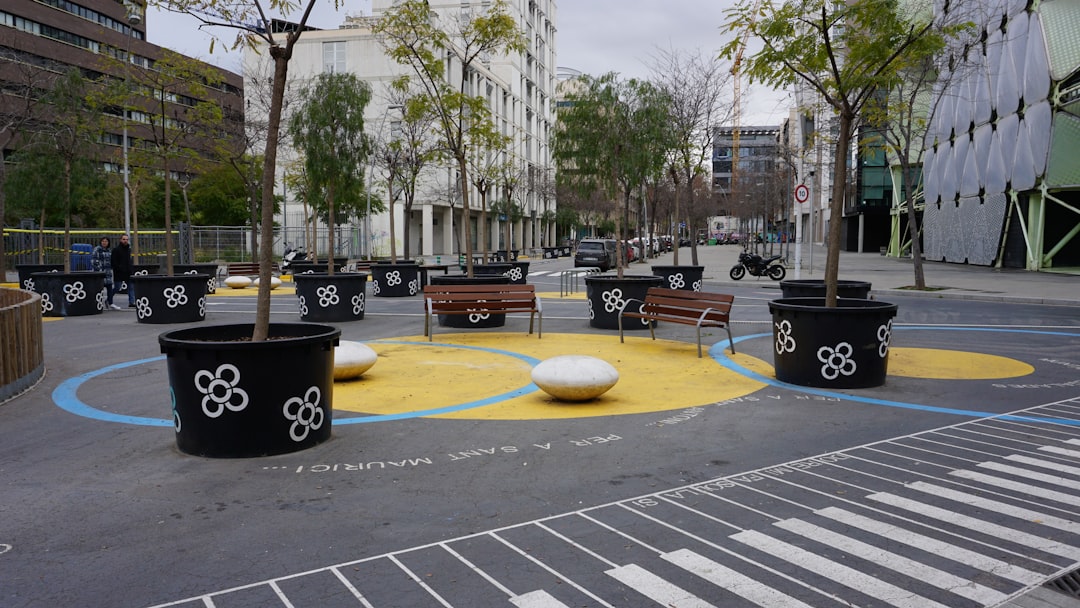
Tactical urbanism, on the other hand, views your city not as a machine, but as a living organism. It’s about small-scale, often reversible actions that can have a significant impact on how you experience and interact with your urban environment. It’s a methodology of experimentation, of testing ideas on the ground before committing to permanent, costly changes. You might have seen it already: a temporary parklet on a street that was once solely for parking, a colorful crosswalk painted by community volunteers, or a pop-up market utilizing an empty lot. These are not accidents; they are deliberate acts of urban intervention.
This approach is gaining traction because it offers a more agile, responsive, and human-centered way to shape the places where you live, work, and play. It emphasizes community involvement, allowing those who directly experience the city to have a hand in its evolution. It’s about empowering you, the resident, to become an active participant in the urban planning process, rather than a passive recipient of somebody else’s vision. This article will explore how tactical urbanism provides a sustainable alternative to the often inflexible and sometimes alienating nature of engineered cities.
Your city’s history is likely punctuated by periods of significant engineering. This approach, rooted in mid-20th-century urban planning ideals, often prioritized functionality and efficiency above all else. The focus was on shaping the physical environment to serve specific purposes, most notably the unimpeded movement of automobiles.
The Dominance of the Automobile
For decades, the automobile was the central organizing principle of urban design. Wide roads, expansive parking lots, and strict separation of land uses were seen as necessary components of a modern, efficient city. This led to designs that often prioritized vehicular speed and capacity over pedestrian comfort and safety.
- Reduced Pedestrian Connectivity: The emphasis on car-centric design often resulted in fragmented neighborhoods, with wide, unsafe streets acting as barriers between communities. Crossing a busy street could become a daunting, even dangerous, undertaking.
- Loss of Public Space: Streets were primarily envisioned as conduits for cars, leading to a reduction in accessible and inviting public spaces for people. Sidewalks became narrow afterthoughts, and the concept of shared streets, where pedestrians and vehicles coexisted, was largely absent.
- Sprawl and Commuting: This car-centric approach fueled suburban sprawl, increasing commute times and reliance on private vehicles, contributing to air pollution and traffic congestion.
Rigid Planning and Bureaucracy
Engineered cities are typically governed by comprehensive, long-term master plans. These plans are often developed through extensive public consultations, expert analysis, and lengthy approval processes. While intended to provide a stable framework for development, they can also become rigid and resistant to change.
- Slow Adaptation: When societal needs or urban challenges emerge, the traditional planning process can be too slow to respond effectively. Decades might pass before a plan is updated, leaving the city ill-equipped to address contemporary issues.
- Top-Down Decision-Making: These plans are often developed by a select group of professionals, with limited direct input from those who experience the daily realities of urban life. This can lead to solutions that are technically sound but lack local relevance or community buy-in.
- Resistance to Experimentation: The sheer investment and bureaucratic inertia associated with master-planned projects make them ill-suited for experimentation. Trying out new ideas or innovative solutions is often seen as too risky or too disruptive to the established order.
The Unintended Consequences
The engineered city, with its focus on order and efficiency, has often produced unintended negative consequences for its inhabitants and the environment.
- Monotony and Lack of Vibrancy: Large-scale, uniform developments can lead to a sense of monotony. The absence of diverse, human-scaled spaces can stifle spontaneous interaction and create a less vibrant urban experience.
- Environmental Impact: The emphasis on car infrastructure and sprawling development contributes significantly to carbon emissions, resource depletion, and habitat loss.
- Social Disconnection: The separation of uses and the prioritizing of private transportation can weaken community ties, as opportunities for serendipitous encounters and shared public experiences are diminished.
You might recognize some of these characteristics in your own city. The challenge, then, is to find ways to move beyond the limitations of this engineered approach and embrace a more dynamic and responsive model for urban development. This is where tactical urbanism offers a compelling alternative.
Tactical urbanism has emerged as a compelling alternative to traditional engineered cities, emphasizing community-driven interventions that enhance urban spaces. For a deeper understanding of this innovative approach and its impact on urban planning, you can explore the article titled “The Rise of Tactical Urbanism: Transforming Cities from the Ground Up” available at this link. This article delves into various case studies and highlights how grassroots initiatives can effectively address urban challenges while fostering a sense of community.
Tactical Urbanism: A Pragmatic Approach to Intervention
Tactical urbanism offers a different philosophy for urban transformation. Instead of grand blueprints and extensive timelines, it focuses on small-scale, low-cost, and temporary interventions designed to test ideas, gather feedback, and foster community engagement. It’s about making things happen in the present, rather than waiting for a distant future envisioned by planners.
The Power of Temporary Interventions
The core of tactical urbanism lies in its embrace of temporality. These are not permanent structures or irrevocably altered landscapes. They are designed to be piloted, observed, and ideally, to provide evidence for more permanent changes.
- Low Risk, High Reward: By making interventions temporary, you significantly reduce the financial and political risk associated with experimentation. If an idea doesn’t work, it can be removed or modified without significant loss.
- Rapid Prototyping: Tactical urbanism allows for rapid prototyping of urban solutions. You can test a new street layout, a seating arrangement, or a community garden scheme in a matter of days or weeks, not years.
- Demonstrating Possibilities: Temporary interventions can powerfully demonstrate what is possible. A street that was once dominated by cars might be temporarily transformed into a pedestrian plaza, showing residents and city officials a different vision for its use.
Community-Driven Initiatives
A hallmark of tactical urbanism is its emphasis on community involvement. It recognizes that those who live and work in a place are often the most knowledgeable about its needs and potential.
- Empowering Local Knowledge: Residents have an intimate understanding of their neighborhoods, including the challenges and opportunities that might be overlooked by external planners. Tactical urbanism provides a framework for harnessing this local knowledge.
- Building Social Capital: When communities come together to implement a tactical project, they build relationships, foster trust, and strengthen their collective capacity to address urban issues.
- Democratizing Urban Design: It democratizes the urban design process by giving a voice and agency to individuals and groups who have historically been excluded from traditional planning.
Flexibility and Adaptability
Unlike the rigid structures of engineered cities, tactical urbanism is inherently flexible and adaptable. It’s a methodology that can respond to evolving needs and unforeseen circumstances.
- Learning by Doing: The iterative nature of tactical urbanism encourages learning from experience. Successful interventions can be scaled up or made permanent, while unsuccessful ones can be deconstructed and their lessons applied elsewhere.
- Responding to Emerging Needs: As your city changes, tactical urbanism can provide rapid responses to new challenges, such as increased demand for public space, the need for safer cycling routes, or opportunities to activate underutilized areas.
- Creating Dynamic Urban Spaces: By allowing for frequent interventions and adjustments, tactical urbanism contributes to the creation of more dynamic and responsive urban environments that feel alive and evolving.
You might start to see how this approach shifts the paradigm from imposing a fixed vision onto your city to fostering an organic, responsive evolution driven by its inhabitants. It’s about embracing the messy, human element of urban life and using it as a catalyst for positive change.
Key Tactics and Interventions

Tactical urbanism manifests itself in a diverse range of interventions, each designed to address specific urban challenges or opportunities. These are not abstract concepts; they are tangible actions that you can see and experience in your surroundings.
Reclaiming Street Space for People
One of the most common and impactful applications of tactical urbanism is the reallocation of street space, traditionally dominated by cars, for human use.
- Parklets: These are small, often temporary, seating areas or green spaces that replace one or two parking spaces along a street. They offer a place to rest, socialize, and enjoy the urban environment, transforming monotonous streetscapes into vibrant micro-public spaces.
- Pop-Up Plazas and Pedestrian Zones: Underutilized intersections, wide medians, or even entire streets can be temporarily closed to vehicles and transformed into public gathering spaces. These can host events, markets, or simply provide a place for people to linger and connect.
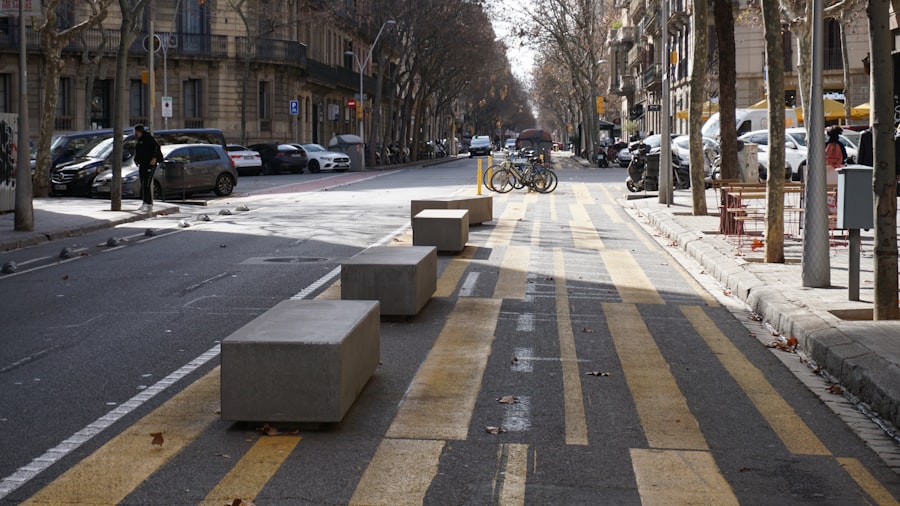
- Temporary Bike Lanes and Pedestrian Improvements: To test the viability of new cycling infrastructure or to improve pedestrian safety, temporary bike lanes or painted crosswalks can be implemented. This allows for real-world testing and feedback before committing to permanent construction.
Activating Underutilized Spaces
Many cities have a surplus of underutilized or vacant spaces that often become eyesores or attract undesirable activity. Tactical urbanism offers creative ways to bring these spaces back to life.
- Pop-Up Markets and Retail: Empty storefronts or vacant lots can be temporarily activated with pop-up markets, art installations, or small retail ventures. This revitalizes the area, generates economic activity, and provides opportunities for local entrepreneurs.
- Temporary Community Gardens: Neglected parcels of land, whether publicly or privately owned, can be transformed into community gardens. This provides fresh produce, fosters community engagement, and beautifies the neighborhood.
- Temporary Art Installations and Street Art: Public art can be used to enliven streets, parks, and public spaces. Temporary installations or commissioned street art can transform mundane environments into engaging and memorable places.
Enhancing Safety and Accessibility
Tactical urbanism can significantly improve safety and accessibility for all users of the urban environment, particularly for vulnerable populations.
- Improved Crosswalks: Beyond basic white lines, tactical urbanism can involve painting colorful, eye-catching crosswalks, adding planters to narrow roadways, or implementing temporary traffic calming measures to make crossings safer and more appealing.
- Tactical Traffic Calming: Methods like temporary speed humps, chicanes (roadway curves), or raised intersections can be implemented to slow down traffic in residential areas or near schools, making streets safer for pedestrians and cyclists.
- Wayfinding and Signage: Simple, well-designed temporary signage can help people navigate the city more easily, highlight points of interest, and promote the use of public transportation or active modes of transport.
You can observe these tactics playing out in your city, or perhaps you can even be a part of implementing them. The beauty of tactical urbanism lies in its accessibility – it doesn’t always require massive budgets or complex permits for initial implementation.
Sustainability Beyond the Environmental
When you think of sustainability, your mind might immediately go to environmental concerns: reducing carbon emissions, conserving resources, or protecting ecosystems. While tactical urbanism certainly contributes to environmental sustainability, its impact extends far beyond that, creating a more resilient and thriving urban fabric.
Social Sustainability: Building Stronger Communities
The social fabric of your city is as crucial as its physical infrastructure. Tactical urbanism plays a vital role in strengthening these connections.
- Fostering Social Interaction: By creating inviting public spaces and opportunities for planned and spontaneous gatherings, tactical urbanism encourages people to connect with each other. These interactions can lead to stronger social ties, increased trust, and a greater sense of belonging.
- Inclusivity and Equity: When communities are involved in shaping their environment, it increases the likelihood that interventions will meet the diverse needs of all residents. This can address historical inequities and ensure that public spaces are accessible and welcoming to everyone.
- Citizen Empowerment and Agency: Tactical urbanism provides a platform for residents to experience agency over their surroundings. This empowerment can lead to greater civic engagement and a more invested citizenry, who are more likely to care for and maintain their neighborhoods.
Economic Sustainability: Localizing and Stimulating Growth
While not always the primary goal, tactical urbanism can have positive economic ripple effects, particularly at the local level.
- Supporting Local Businesses: Pop-up markets and temporary retail spaces can provide affordable opportunities for local entrepreneurs to test and develop their businesses, contributing to a more diverse and resilient local economy.
- Increasing Foot Traffic: By making streets more inviting and creating attractive public spaces, tactical urbanism can draw more people to commercial areas, leading to increased patronage for local businesses.
- Demonstrating Economic Viability: Successful temporary interventions can provide evidence of demand for certain urban amenities or services, paving the way for more substantial and sustainable economic development.
Adaptive and Resilient Urban Systems
The engineered city, with its fixed infrastructure, can be vulnerable to disruption. Tactical urbanism, by its very nature, fosters adaptability and resilience.
- Testing and Iteration: The ability to test and iterate on urban solutions means that your city can adapt more quickly to changing conditions, such as shifts in population, new transportation technologies, or the impacts of climate change.
- Decentralized Innovation: Tactical urbanism often springs from the grassroots, leading to a more decentralized and diverse approach to innovation, rather than relying solely on top-down directives.
- Reduced Reliance on Large-Scale, Inflexible Infrastructure: By focusing on smaller, more adaptable interventions, tactical urbanism can reduce the long-term reliance on massive, costly, and potentially obsolete infrastructure projects.
You can see how tactical urbanism is not just about making your city look prettier or more interesting. It’s about building a more robust, socially connected, and economically dynamic city that is better equipped to handle the challenges of the future.
Tactical urbanism has emerged as a compelling alternative to traditional engineered cities, emphasizing community-driven initiatives that enhance urban spaces. For those interested in exploring this concept further, a related article discusses innovative strategies that prioritize local engagement and adaptability in urban planning. You can read more about these transformative approaches in the article found here. By focusing on small-scale, temporary interventions, tactical urbanism allows cities to evolve in response to the needs and desires of their residents, fostering a sense of ownership and connection to the urban environment.
Transitioning from Temporary to Permanent
| Metrics | Tactical Urbanism | Engineered Cities |
|---|---|---|
| Cost | Low cost, often using temporary materials | High cost, long-term investment in infrastructure |
| Timeline | Quick implementation, can be temporary or permanent | Long planning and construction timeline |
| Community Engagement | Emphasizes community involvement and feedback | Less emphasis on community input during planning |
| Flexibility | Allows for experimentation and adaptation based on feedback | Less adaptable once infrastructure is in place |
| Sustainability | Can promote sustainable and eco-friendly practices | May or may not prioritize sustainability |
The ultimate success of tactical urbanism often lies in its ability to inform and drive more permanent, systemic changes. The temporary interventions are not an end in themselves but rather stepping stones towards a more thoughtfully designed urban future.
Gathering Data and Informing Long-Term Planning
The temporary nature of tactical urbanism makes it an ideal tool for data collection and experimentation.
- Observing User Behavior: Planners and city officials can observe how people interact with temporary interventions, providing valuable insights into usage patterns, preferences, and potential issues that might not be apparent in theoretical plans.
- Collecting Feedback: Direct feedback from residents and users is crucial. Surveys, comment boxes, and community meetings associated with temporary projects can offer invaluable qualitative data.
- Demonstrating Demand: Successful tactical projects can demonstrate clear public demand for certain types of urban amenities or infrastructure, providing a strong mandate for their permanent implementation.
The Feedback Loop: From Tactic to Policy
The most effective tactical urbanism efforts create a clear feedback loop, where the lessons learned from temporary projects influence policy, funding decisions, and the development of comprehensive plans.
- Advocacy and Political Will: When communities rally around a successful tactical intervention, it can build significant political will for its permanent adoption. Residents become advocates for the tangible improvements they have experienced.
- Integrating into Master Plans: Successful tactics can be integrated into larger urban planning documents and master plans, ensuring that the lessons learned are not lost and are incorporated into the city’s long-term vision.
- Securing Funding: Demonstrating the success and public support for a tactical intervention can make it easier to secure funding for more permanent, scaled-up versions through municipal budgets or grants.
Case Studies and Examples
You’ll find numerous examples worldwide where tactical urbanism has successfully transitioned into permanent urban improvements.
- The High Line, New York City: Originally an abandoned elevated railway line, its transformation began with community advocacy and temporary activations, eventually leading to its development as a world-renowned linear park.
- Shared Streets Initiatives: Many cities have experimented with temporarily closing streets for pedestrian use during weekends or holidays, leading to permanent policies that designate certain streets as shared spaces or pedestrian zones.
- Parklet Programs: The widespread adoption of parklet programs in cities like San Francisco and Los Angeles began with small-scale, temporary installations that proved popular and effectively utilized street space, leading to formalized city programs.
Your role in this transition is vital. By participating in, advocating for, and supporting tactical urbanism projects, you are not just contributing to temporary improvements; you are actively shaping the long-term evolution of your city into a more livable, sustainable, and people-centered place. The engineered city may have provided a framework, but tactical urbanism offers the seeds for its organic, and ultimately more resilient, rebirth.
FAQs
What is tactical urbanism?
Tactical urbanism refers to a grassroots approach to city building that uses short-term, low-cost, and scalable interventions to improve public spaces and promote community engagement.
How does tactical urbanism differ from traditional city planning?
Tactical urbanism focuses on quick, temporary, and low-cost solutions, while traditional city planning often involves long-term, large-scale, and expensive infrastructure projects.
What are some examples of tactical urbanism projects?
Examples of tactical urbanism projects include pop-up parks, temporary bike lanes, street art installations, and community-led street festivals.
What are the benefits of using tactical urbanism in cities?
Tactical urbanism can help cities test out new ideas, gather community feedback, and make incremental improvements to public spaces without the need for extensive planning and construction processes.
What are the potential challenges of implementing tactical urbanism?
Challenges of implementing tactical urbanism may include navigating regulatory hurdles, securing funding, and ensuring that temporary interventions do not create safety hazards or disrupt existing infrastructure.