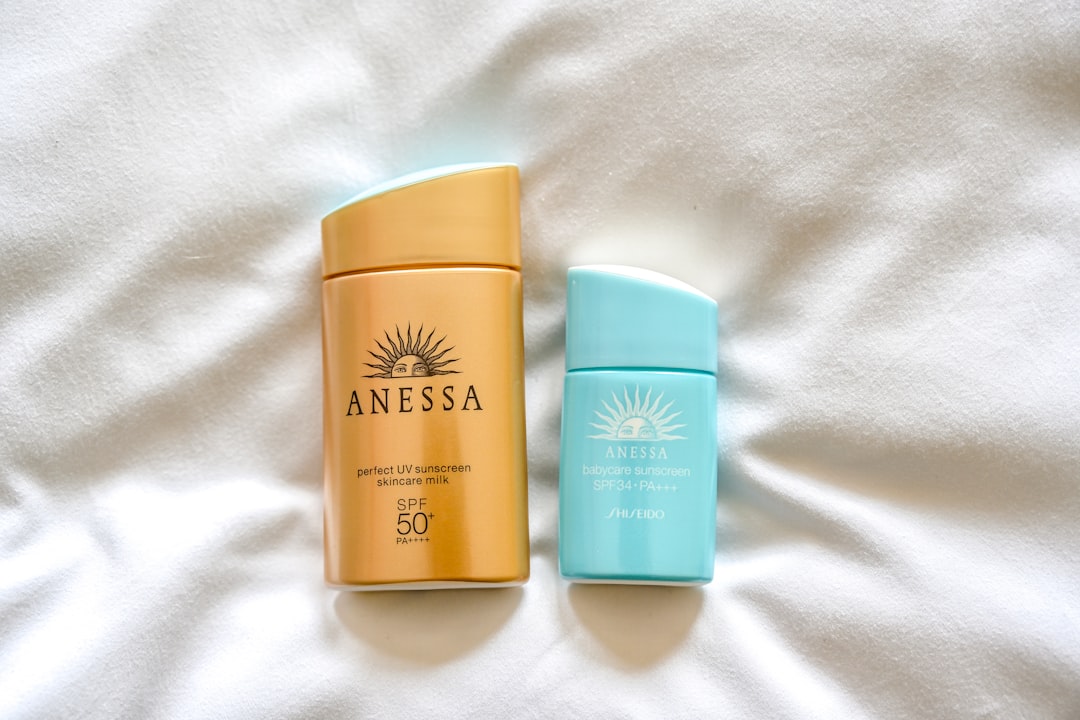
Sunscreen has been a fundamental component of sun protection for decades, evolving from basic formulations to advanced products designed to protect skin from harmful UV radiation. Risk compensation has been associated with sunscreen use since its early adoption. When sunscreen became widely available in the 1970s and 1980s, many users developed a misconception that applying sunscreen provided complete protection, allowing unlimited sun exposure without negative consequences.
Marketing campaigns during this period often highlighted sunscreen’s ability to prevent sunburn and skin damage, which unintentionally encouraged extended sun exposure. Research subsequently documented a concerning correlation: as sunscreen usage increased, rates of sunburn and skin cancer also rose. This pattern exemplifies risk compensation, a phenomenon where individuals adopt riskier behaviors when they perceive themselves to be protected.
For example, people might extend their time in direct sunlight based on the belief that sunscreen provides complete protection. This historical pattern demonstrates the importance of understanding how sunscreen use can influence behavior and risk perception.
Key Takeaways
- Risk compensation leads people to take greater sun exposure risks when using sunscreen.
- Misunderstanding sunscreen’s protection can increase the danger of sunburn and skin damage.
- Proper application and combining sunscreen with other protective measures are essential.
- Education plays a key role in correcting misconceptions and promoting safe sun habits.
- Awareness of psychological factors helps individuals avoid risky behavior while using sunscreen.
Understanding Risk Compensation
Risk compensation is a psychological phenomenon where individuals adjust their behavior in response to perceived levels of risk. When you apply sunscreen, you may feel a sense of security that leads you to underestimate the dangers of prolonged sun exposure. This can manifest in various ways, such as spending more time outdoors or neglecting other protective measures like seeking shade or wearing protective clothing.
Essentially, the more you believe you are protected, the more likely you are to engage in risky behaviors. This concept is not limited to sunscreen; it can be observed in various aspects of life. For example, wearing a seatbelt might lead some drivers to feel invulnerable, prompting them to drive more recklessly.
In the context of sunscreen, understanding risk compensation is crucial for promoting safe sun practices. By recognizing that sunscreen is just one part of a comprehensive sun protection strategy, you can make more informed choices about your time in the sun.
The Dangers of Risk Compensation with Sunscreen
The dangers associated with risk compensation when using sunscreen are significant and multifaceted. One of the most pressing concerns is the increased likelihood of skin damage and skin cancer. When you rely solely on sunscreen for protection, you may inadvertently expose yourself to harmful UV rays for longer periods than you would otherwise.
This overexposure can lead to sunburns, premature aging, and an elevated risk of developing melanoma and other skin cancers. Moreover, risk compensation can create a false sense of invulnerability. You might think that because you’ve applied sunscreen, you’re immune to the harmful effects of the sun.
This mindset can lead to neglecting other essential protective measures, such as reapplying sunscreen every two hours or after swimming or sweating. The combination of overconfidence and inadequate protection can have dire consequences for your skin health.
Research and Studies on Sunscreen Risk Compensation
Numerous studies have explored the relationship between sunscreen use and risk compensation behaviors. Research indicates that individuals who regularly use sunscreen may be more likely to engage in prolonged sun exposure compared to those who do not use it at all. For instance, a study published in a prominent dermatology journal found that participants who applied sunscreen felt less compelled to seek shade or wear protective clothing, leading to increased UV exposure.
Additionally, some studies have shown that people often underestimate the amount of sunscreen needed for effective protection. Many individuals apply only a fraction of the recommended amount, which diminishes the product’s effectiveness. This miscalculation can further exacerbate the risks associated with relying solely on sunscreen for protection against UV radiation.
Understanding these research findings can empower you to make better choices regarding sun safety.
The Psychological Impact of Sunscreen Risk Compensation
| Study | Sample Size | Risk Compensation Behavior Observed | Key Findings | Conclusion |
|---|---|---|---|---|
| Mahler et al. (2005) | 120 beachgoers | Increased sun exposure time after sunscreen use | Participants using sunscreen stayed in the sun 30% longer than those without | Sunscreen use may lead to longer sun exposure, increasing risk |
| Autier et al. (1999) | 500 adults | No significant increase in sun exposure | Sunscreen users did not report more sunbathing or sunburns | Risk compensation behavior not supported in this population |
| Gillen et al. (2014) | 200 adolescents | Increased risky sun behaviors despite sunscreen use | Adolescents using sunscreen reported more frequent sunbathing and tanning bed use | Risk compensation may be present in younger populations |
| O’Riordan et al. (2006) | 150 adults | Mixed results on risk compensation | Some participants increased sun exposure, others did not change behavior | Risk compensation behavior varies by individual factors |
The psychological impact of risk compensation extends beyond physical health; it also affects your mental well-being. When you believe that sunscreen provides complete protection, you may experience a sense of complacency that can lead to anxiety when faced with potential sun exposure. This paradox can create a cycle where you feel compelled to apply more sunscreen but simultaneously engage in riskier behaviors.
Moreover, societal pressures and marketing messages can contribute to this psychological dynamic.
Recognizing these psychological influences is vital for developing a balanced approach to sun protection.
How to Avoid Sunscreen Risk Compensation
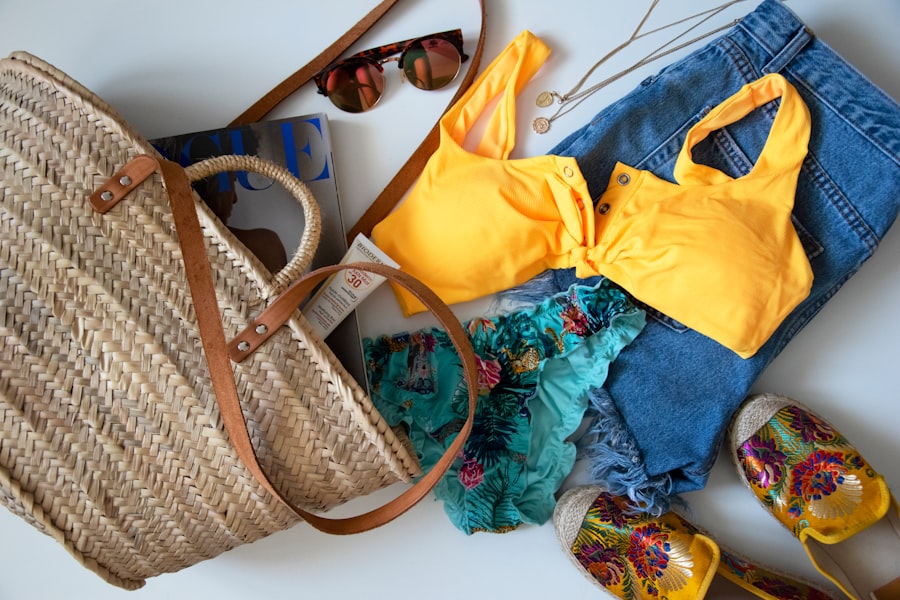
To avoid falling into the trap of risk compensation while using sunscreen, it’s essential to adopt a holistic approach to sun safety. First and foremost, educate yourself about the limitations of sunscreen. Understand that while it is an important tool for protecting your skin, it should not be your only line of defense against UV radiation.
Incorporate additional protective measures into your routine. Seek shade whenever possible, especially during peak sun hours between 10 a.m. and 4 p.m.
Wear protective clothing, such as wide-brimmed hats and long-sleeved shirts made from UV-blocking fabrics. By combining these strategies with regular sunscreen application, you can significantly reduce your risk of sun damage while enjoying outdoor activities.
The Importance of Proper Sunscreen Application
Proper application of sunscreen is crucial for maximizing its effectiveness and minimizing the risks associated with overexposure to UV rays. Many people underestimate how much sunscreen they need; experts recommend applying about one ounce (a shot glass full) for full-body coverage. Additionally, it’s essential to apply sunscreen generously and evenly across all exposed skin areas.
Reapplication is equally important; sunscreen should be reapplied every two hours or immediately after swimming or sweating. Even water-resistant formulas lose their effectiveness over time, so staying vigilant about reapplication is key to maintaining protection throughout your time outdoors. By prioritizing proper application techniques, you can enhance your sun safety practices and reduce the likelihood of engaging in riskier behaviors.
Alternative Sun Protection Methods
While sunscreen is an essential component of sun protection, there are several alternative methods you can incorporate into your routine for added safety. One effective strategy is wearing protective clothing designed specifically for sun safety. Look for garments with a high Ultraviolet Protection Factor (UPF) rating that blocks harmful rays while keeping you cool and comfortable.
Additionally, consider using accessories like wide-brimmed hats and UV-blocking sunglasses to shield your face and eyes from direct sunlight. These items not only provide physical barriers against UV radiation but also help reduce glare and protect sensitive areas from sunburn. By diversifying your approach to sun protection, you can create a comprehensive strategy that minimizes your risk while enjoying outdoor activities.
The Role of Education in Preventing Sunscreen Risk Compensation
Education plays a pivotal role in preventing risk compensation associated with sunscreen use. By understanding how UV radiation affects your skin and recognizing the limitations of sunscreen, you can make informed decisions about your sun exposure habits. Schools, community organizations, and healthcare providers should prioritize educating individuals about safe sun practices and the importance of combining multiple protective measures.
Workshops and informational campaigns can help raise awareness about the dangers of relying solely on sunscreen for protection. Providing clear guidelines on proper application techniques and encouraging discussions about personal experiences with sun exposure can foster a culture of safety and responsibility when it comes to enjoying the outdoors.
Addressing Misconceptions about Sunscreen
Misconceptions about sunscreen abound, often leading individuals to underestimate its importance or misuse it altogether. One common myth is that people with darker skin tones do not need sunscreen because they are less susceptible to sunburn or skin cancer. In reality, while melanin does provide some natural protection against UV rays, everyone—regardless of skin tone—can benefit from using sunscreen.
Another misconception is that higher SPF ratings equate to significantly better protection. While higher SPF numbers do offer increased protection against UVB rays, they do not provide complete immunity from UV damage or eliminate the need for other protective measures. Addressing these misconceptions through education and awareness campaigns is essential for promoting responsible sunscreen use and overall sun safety.
Navigating Sunscreen Use with Awareness
Navigating the complexities of sunscreen use requires awareness and understanding of both its benefits and limitations. By recognizing the phenomenon of risk compensation and its potential dangers, you can take proactive steps to protect your skin effectively while enjoying outdoor activities. Embrace a holistic approach that combines proper application techniques with additional protective measures like clothing and shade-seeking behaviors.
Education plays a crucial role in fostering responsible sun safety practices; by staying informed and addressing misconceptions about sunscreen, you empower yourself and others to make healthier choices regarding sun exposure. Ultimately, by approaching sunscreen use with mindfulness and awareness, you can enjoy the outdoors while minimizing your risk of skin damage and promoting long-term skin health.
Recent studies have highlighted the phenomenon of risk compensation behavior associated with sunscreen use, where individuals may engage in riskier sun exposure practices believing that sunscreen provides complete protection. For a deeper understanding of this topic, you can explore the article on this subject at this link. This article delves into the implications of such behavior and offers insights into how it affects overall sun safety.
FAQs
What is sunscreen risk compensation behavior?
Sunscreen risk compensation behavior refers to the phenomenon where individuals may engage in riskier sun exposure practices, such as staying out longer in the sun or not seeking shade, because they feel protected by using sunscreen.
Why do people exhibit risk compensation behavior when using sunscreen?
People may feel a false sense of security when applying sunscreen, leading them to underestimate the risks of UV exposure. This can result in behaviors like prolonged sunbathing or neglecting other protective measures such as wearing hats or protective clothing.
Does sunscreen completely prevent sunburn and skin damage?
No, sunscreen reduces the risk of sunburn and skin damage but does not provide 100% protection. It is important to use sunscreen correctly and combine it with other sun safety practices.
How can risk compensation behavior affect skin cancer risk?
If individuals rely solely on sunscreen and engage in longer or more intense sun exposure, they may increase their overall UV radiation exposure, potentially raising their risk of skin cancer despite using sunscreen.
What are recommended practices to avoid risk compensation behavior?
To minimize risk compensation, it is advised to use sunscreen as part of a comprehensive sun protection strategy, including seeking shade, wearing protective clothing, avoiding peak sun hours, and reapplying sunscreen regularly.
Is risk compensation behavior unique to sunscreen use?
No, risk compensation can occur with various safety measures where individuals may take greater risks because they feel protected, such as wearing seat belts or helmets.
How effective is sunscreen when used properly?
When applied correctly and reapplied as directed, sunscreen is effective in reducing UV radiation exposure, preventing sunburn, and lowering the risk of skin damage and skin cancer.
Can education reduce sunscreen risk compensation behavior?
Yes, educating people about the limitations of sunscreen and the importance of comprehensive sun protection can help reduce risk compensation behaviors and promote safer sun habits.