
In recent months, a significant warning has emerged regarding the presence of benzene in certain sunscreen products. As a consumer, it is crucial for you to understand what this means and how it may affect your health. Benzene is a known carcinogen, which means it has the potential to cause cancer in humans.
The alarming discovery of benzene in sunscreens has raised concerns among health professionals and consumers alike, prompting recalls and heightened scrutiny of sunscreen formulations. This warning serves as a reminder of the importance of being vigilant about the products you apply to your skin, especially those designed to protect you from harmful UV rays. The implications of benzene contamination extend beyond mere product recalls; they touch on broader issues of safety and regulation in the cosmetics industry.
As you navigate the aisles of your local pharmacy or supermarket, it’s essential to be informed about which products are safe and which may pose risks. Understanding the benzene contamination warning is not just about avoiding specific brands; it’s about fostering a culture of awareness and responsibility regarding personal care products. By staying informed, you empower yourself to make safer choices for your health and well-being.
Key Takeaways
- Benzene contamination in certain sunscreen brands has prompted a recall due to health risks.
- Exposure to benzene, a known carcinogen, can pose serious health hazards to consumers.
- Contamination often occurs during manufacturing, highlighting the need for stringent quality control.
- Consumers using recalled sunscreens should discontinue use and seek safer alternatives.
- Enhanced government regulations and regular product testing are crucial to ensure sunscreen safety.
Identifying the Sunscreen Brands Affected by the Recall
With the recent warnings about benzene contamination, identifying the specific sunscreen brands affected by the recall is vital for your safety. Several well-known brands have been implicated, leading to widespread concern among consumers. Major companies have issued voluntary recalls of their products after testing revealed the presence of benzene in their formulations.
As you check your sunscreen stash, look for brand names that have been publicly listed in recall announcements. This information is often available on official websites or through news outlets, ensuring you have access to the most current data. It’s important to note that not all sunscreens are affected by this issue.
Many reputable brands have taken proactive measures to ensure their products are free from harmful contaminants. As you sift through your options, consider researching brands that prioritize transparency and safety in their manufacturing processes. By doing so, you can make informed decisions and select sunscreens that not only protect your skin from UV damage but also safeguard your overall health.
Potential Health Risks of Benzene Exposure

The potential health risks associated with benzene exposure are alarming and warrant serious consideration. Long-term exposure to benzene has been linked to various health issues, including blood disorders and an increased risk of leukemia. As you contemplate the implications of using contaminated sunscreen, it’s essential to recognize that even short-term exposure can pose risks, particularly for individuals with pre-existing health conditions or compromised immune systems.
Understanding these risks can help you make more informed choices about the products you use daily. Moreover, the effects of benzene exposure are not limited to immediate health concerns; they can have long-lasting consequences on your well-being. Research indicates that benzene can accumulate in the body over time, leading to chronic health issues that may not manifest until years later.
This reality underscores the importance of being proactive about your health and taking steps to avoid products that may contain harmful substances. By staying informed and vigilant, you can protect yourself and your loved ones from potential health hazards associated with benzene exposure.
How Benzene Contamination Occurs in Sunscreen Products
Understanding how benzene contamination occurs in sunscreen products is crucial for grasping the broader implications of this issue. Benzene can enter cosmetic formulations through various pathways, including the use of contaminated raw materials or during the manufacturing process itself. For instance, certain solvents used in production may contain benzene as an impurity, inadvertently introducing this harmful chemical into the final product.
As you consider the complexities of sunscreen manufacturing, it becomes clear that quality control measures are essential to prevent such contamination. Additionally, improper storage and handling of ingredients can also contribute to benzene contamination. If raw materials are not stored correctly or if equipment used in production is not adequately cleaned, there is a risk of cross-contamination.
This highlights the importance of stringent quality control protocols within manufacturing facilities. As a consumer, being aware of these processes can help you appreciate the significance of choosing brands that prioritize safety and transparency in their production methods.
Steps to Take if You Have Been Using the Recalled Sunscreen
| Brand | Product Name | Batch Number | Recall Date | Benzene Level Detected (ppm) | Health Risk | Action Taken |
|---|---|---|---|---|---|---|
| Brand A | SunShield SPF 50 | 12345X | 2024-05-10 | 3.5 | Potential carcinogen exposure | Product recall and consumer notification |
| Brand B | UltraBlock Sunscreen | 67890Y | 2024-05-15 | 2.8 | Potential carcinogen exposure | Voluntary recall and refund offered |
| Brand C | SunSafe Lotion SPF 30 | 11223Z | 2024-05-20 | 4.1 | Potential carcinogen exposure | Recall and destruction of affected batches |
If you discover that you have been using a recalled sunscreen product, it’s essential to take immediate action to protect your health. First and foremost, stop using the product right away. Discontinue application and dispose of any remaining sunscreen from the affected brand.
While it may be tempting to hold onto it for future use, prioritizing your safety should be your primary concern. Next, consider consulting with a healthcare professional if you have any concerns about potential exposure or if you experience any unusual symptoms after using the product. In addition to seeking medical advice, stay informed about any updates related to the recall.
Manufacturers often provide guidance on how to return or exchange recalled products, so check their official websites for instructions. Keeping abreast of developments will help you navigate this situation more effectively and ensure that you are taking appropriate steps to safeguard your health.
Alternatives to the Recalled Sunscreen Brands
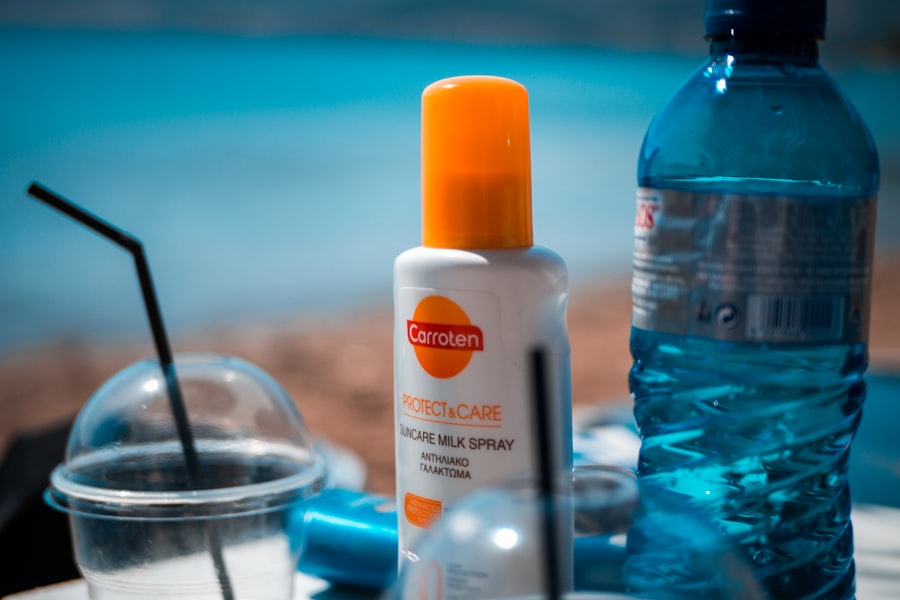
As you seek alternatives to the recalled sunscreen brands, it’s essential to explore options that prioritize safety and efficacy. Many reputable brands offer sunscreens formulated without harmful chemicals like benzene, providing peace of mind as you protect your skin from UV damage. Look for products labeled as “free from harmful chemicals” or those that emphasize their commitment to safety testing.
Mineral-based sunscreens containing zinc oxide or titanium dioxide are often considered safer alternatives since they typically do not contain harmful additives. Additionally, consider exploring organic or natural sunscreen options that utilize plant-based ingredients for sun protection. These products often undergo rigorous testing to ensure they meet safety standards while providing effective UV protection.
By researching and selecting alternative brands that align with your values regarding health and safety, you can continue to enjoy outdoor activities without compromising your well-being.
Government Regulations and Oversight of Sunscreen Products
Government regulations play a critical role in ensuring the safety and efficacy of sunscreen products available on the market. In many countries, regulatory bodies such as the U.S. Food and Drug Administration (FDA) oversee the approval and monitoring of sunscreen formulations.
These agencies establish guidelines for manufacturers regarding ingredient safety, labeling requirements, and testing protocols. As a consumer, understanding these regulations can help you appreciate the efforts made to protect public health while also recognizing areas where improvements may be needed. However, recent incidents involving benzene contamination have raised questions about the effectiveness of current regulations and oversight mechanisms.
Engaging with policymakers and supporting initiatives aimed at enhancing oversight can contribute to a safer marketplace for personal care products, including sunscreens.
Legal Ramifications for the Sunscreen Manufacturers
The legal ramifications for sunscreen manufacturers implicated in benzene contamination can be significant and far-reaching. Companies may face lawsuits from consumers who have been adversely affected by their products, leading to potential financial liabilities and reputational damage. As a consumer, it’s essential to understand that manufacturers have a responsibility to ensure their products are safe for use; failure to meet this obligation can result in legal consequences.
Moreover, regulatory agencies may impose fines or sanctions on companies found to be in violation of safety standards. This serves as a reminder that accountability is crucial in maintaining consumer trust within the cosmetics industry. As you navigate your choices in personal care products, consider supporting brands that prioritize ethical practices and transparency in their manufacturing processes.
Consumer Awareness and Education on Sunscreen Safety
Consumer awareness and education regarding sunscreen safety are paramount in today’s marketplace. With increasing reports of contamination and recalls, it’s essential for you as a consumer to stay informed about potential risks associated with personal care products. Engaging with educational resources—such as articles, webinars, or community workshops—can empower you to make safer choices when selecting sunscreens and other cosmetics.
Additionally, sharing information with friends and family can help raise awareness within your community about the importance of scrutinizing product labels and understanding ingredient safety. By fostering a culture of informed consumers, we can collectively advocate for higher standards in product safety and hold manufacturers accountable for their practices.
The Importance of Regular Sunscreen Testing and Quality Control
Regular testing and quality control are vital components in ensuring the safety of sunscreen products on the market. As a consumer, it’s important to recognize that rigorous testing protocols can help identify potential contaminants before products reach store shelves. Manufacturers should implement comprehensive testing procedures throughout the production process—starting from raw material sourcing all the way through final product formulation—to minimize risks associated with harmful substances like benzene.
Moreover, independent third-party testing can provide an additional layer of assurance regarding product safety and efficacy. As you evaluate different sunscreen brands, consider looking for those that undergo regular testing by reputable organizations or laboratories. This commitment to quality control not only enhances consumer trust but also contributes to overall public health by reducing the likelihood of contaminated products entering circulation.
Future Implications for Sunscreen Manufacturing and Regulation
The recent benzene contamination incidents have significant implications for the future of sunscreen manufacturing and regulation within the cosmetics industry. As consumers become more aware of potential risks associated with personal care products, there will likely be increased demand for transparency and accountability from manufacturers. This shift could lead to stricter regulations governing ingredient safety and testing protocols, ultimately benefiting consumers by ensuring safer products on store shelves.
Furthermore, advancements in technology may pave the way for improved testing methods that can detect contaminants more effectively during production processes. As a consumer, advocating for these changes can help shape a safer marketplace where personal care products are held to higher standards of quality and safety. By staying informed and engaged with industry developments, you can play an active role in promoting positive change within the cosmetics sector while protecting your health and well-being.
Recent concerns regarding benzene contamination in sunscreen products have led to a significant recall, highlighting the importance of safety in personal care items. For more information on this topic, you can read a related article that discusses the implications of these findings and what consumers should be aware of. Check it out here: Sunscreen Benzene Contamination Recall.
FAQs
What is benzene contamination in sunscreen?
Benzene contamination in sunscreen refers to the presence of benzene, a harmful chemical, found in some sunscreen products. Benzene is a known carcinogen and is not an approved ingredient in sunscreens.
Why is benzene found in some sunscreens?
Benzene can sometimes be introduced into sunscreens through contaminated raw materials, manufacturing processes, or packaging. It is not intentionally added but can appear as an impurity.
What are the health risks associated with benzene in sunscreen?
Exposure to benzene is linked to serious health risks, including an increased risk of cancer, particularly leukemia. Prolonged or repeated exposure to benzene-contaminated products can be harmful.
What should I do if my sunscreen is recalled for benzene contamination?
If your sunscreen is recalled due to benzene contamination, stop using the product immediately. Follow the recall instructions, which may include returning the product to the retailer or disposing of it safely.
How can I check if my sunscreen is part of a benzene contamination recall?
You can check for recalls by visiting official websites such as the U.S. Food and Drug Administration (FDA) or the manufacturer’s website. Retailers may also provide recall information.
Are all sunscreens at risk of benzene contamination?
No, not all sunscreens are contaminated with benzene. Recalls typically affect specific batches or brands. It is important to stay informed about recalls and purchase products from reputable sources.
Is benzene contamination common in sunscreens?
Benzene contamination in sunscreens is relatively rare but has occurred in some cases, prompting recalls. Regulatory agencies monitor and test products to ensure safety.
Can I still use sunscreen if I am concerned about benzene contamination?
Yes, sunscreen is important for protecting skin from UV damage. To minimize risk, use sunscreens from trusted brands, check for recalls, and avoid products that have been flagged for benzene contamination.
What regulations exist to prevent benzene contamination in sunscreens?
Regulatory agencies like the FDA set strict guidelines and conduct testing to prevent harmful contaminants like benzene in sunscreens. Manufacturers are required to comply with safety standards.
How is benzene contamination detected in sunscreen products?
Benzene contamination is detected through laboratory testing using methods such as gas chromatography-mass spectrometry (GC-MS), which can identify and quantify benzene levels in products.