Effective sun protection requires more than a single morning application of sunscreen. Sunscreen must be reapplied throughout the day to maintain adequate protection against ultraviolet (UV) radiation. UV exposure causes skin damage, accelerates aging processes, and increases skin cancer risk.
Regular reapplication ensures continuous protection during outdoor activities. Several factors reduce sunscreen effectiveness over time, necessitating frequent reapplication. Physical activities that cause sweating, water exposure from swimming or bathing, and normal wear from clothing or toweling remove the protective layer.
Additionally, sunscreen naturally degrades when exposed to UV radiation and heat. Even without obvious removal mechanisms, sunscreen efficacy decreases after approximately two hours of sun exposure. Proper reapplication maintains the protective barrier and prevents cumulative UV damage to skin cells.
Key Takeaways
- Sunscreen should be reapplied every two hours or immediately after swimming or sweating to maintain effective protection.
- Understanding SPF helps gauge how long sunscreen protects against UVB rays, but reapplication is crucial as SPF does not account for sunscreen breakdown.
- Environmental factors like water, sweat, and physical activity accelerate sunscreen degradation, reducing its effectiveness.
- Choosing water-resistant and broad-spectrum sunscreens enhances protection during outdoor activities and varied skin types.
- Consistent sunscreen reapplication significantly reduces the risk of sunburn, skin damage, and long-term skin cancer.
How Often Should You Reapply Sunscreen?
You might wonder how often you should be reapplying sunscreen to ensure optimal protection. The general recommendation is to reapply every two hours, especially if you are spending time outdoors. However, if you are swimming or sweating heavily, you should consider reapplying even more frequently—approximately every 40 to 80 minutes, depending on the water resistance of your sunscreen.
It’s also important to note that even on cloudy days or during winter months, UV rays can still penetrate through the clouds and reflect off surfaces like snow or water. Therefore, regardless of the weather conditions, you should stick to a routine of reapplying sunscreen every two hours.
By making this a habit, you can significantly reduce your risk of sunburn and long-term skin damage.
Understanding SPF and its Role in Sunscreen Protection
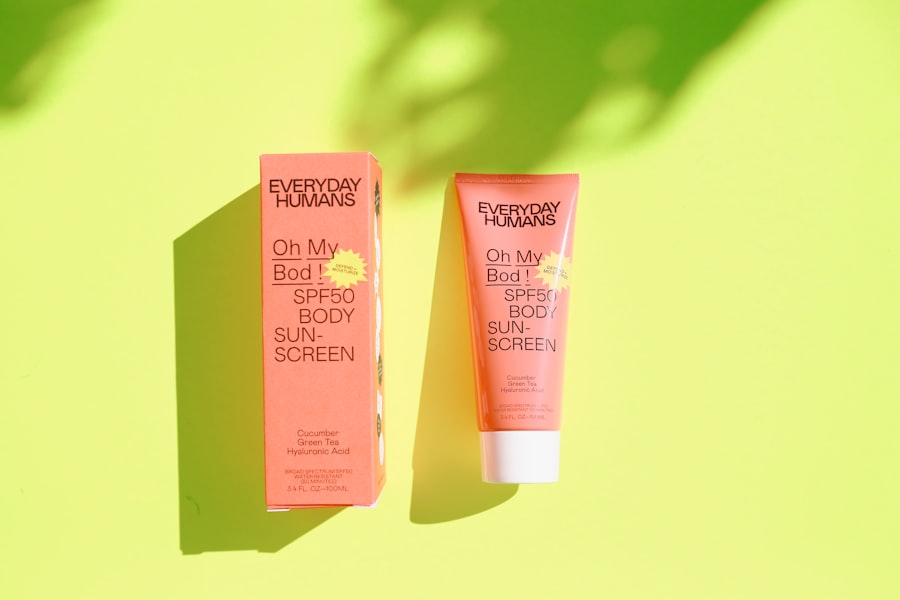
Sun Protection Factor (SPF) is a term you may have encountered frequently when choosing sunscreen. It indicates the level of protection a sunscreen offers against UVB rays, which are primarily responsible for sunburn and contribute to skin cancer. For instance, if you typically burn after 10 minutes in the sun without protection, an SPF 30 sunscreen theoretically allows you to stay in the sun for 30 times longer—about 300 minutes—before burning.
However, this is only true if you apply the recommended amount and reapply it regularly. While SPF is an important factor in selecting sunscreen, it’s essential to understand that it does not provide a complete picture of protection. SPF only measures UVB protection; it does not account for UVA rays, which can penetrate deeper into the skin and lead to aging and other skin issues.
Therefore, when choosing a sunscreen, look for broad-spectrum formulas that protect against both UVA and UVB rays. This comprehensive approach ensures that your skin receives adequate protection from all types of harmful solar radiation.
The Effects of Sunscreen Breakdown on Skin
Over time, sunscreen can break down due to various factors such as exposure to heat, sunlight, and even air. When this breakdown occurs, the effectiveness of the product diminishes significantly. You may not notice immediate effects after a single application, but as the day progresses and the sunscreen begins to degrade, your skin becomes increasingly vulnerable to UV damage.
This degradation can lead to sunburns, premature aging, and an increased risk of skin cancer. Additionally, using expired or improperly stored sunscreen can exacerbate these issues. Sunscreens typically have a shelf life of about three years; however, if they are exposed to high temperatures or direct sunlight for extended periods, their efficacy can be compromised even sooner.
To protect your skin effectively, always check expiration dates and store your sunscreen in a cool, dry place away from direct sunlight.
Tips for Effective Sunscreen Reapplication
| Metric | Value | Notes |
|---|---|---|
| Recommended Reapplication Interval | Every 2 hours | Standard guideline for effective sun protection |
| SPF Effectiveness Duration | Approximately 2 hours | After which sunscreen protection diminishes |
| Amount per Application | 2 mg/cm² of skin | About 1 teaspoon for face and neck |
| Impact of Sweating/Swimming | Increased reapplication frequency | Reapply immediately after towel drying |
| UV Protection Loss Without Reapplication | Up to 50% after 2 hours | Varies by sunscreen type and activity |
| Skin Damage Risk | Increases with delayed reapplication | Higher risk of sunburn and long-term damage |
Reapplying sunscreen effectively requires more than just slathering on another layer; there are specific techniques that can enhance its efficacy. First and foremost, make sure you are using enough product. The general guideline is to use about one ounce (or a shot glass full) for your entire body.
For your face alone, a nickel-sized amount is usually sufficient. Applying too little can lead to inadequate protection. Another tip is to apply sunscreen on dry skin before heading outdoors.
If you’re already sweating or wet from swimming, it’s best to towel off before reapplying. This ensures that the sunscreen adheres properly to your skin and forms an effective barrier against UV rays. Additionally, consider using spray sunscreens for easy reapplication throughout the day; just make sure to rub it in thoroughly for even coverage.
Choosing the Right Sunscreen for Reapplication
Selecting the right sunscreen for reapplication is crucial for maintaining effective sun protection throughout the day. Look for products labeled as “water-resistant” if you plan on swimming or sweating; these formulations are designed to hold up better under such conditions. However, remember that “water-resistant” does not mean “waterproof,” so you will still need to reapply after swimming or heavy sweating.
Furthermore, consider your skin type when choosing a sunscreen for reapplication. If you have oily or acne-prone skin, opt for non-comedogenic formulas that won’t clog your pores. On the other hand, if you have dry skin, look for sunscreens with moisturizing ingredients like hyaluronic acid or glycerin.
By selecting a product tailored to your specific needs, you can ensure that reapplication not only protects your skin but also enhances its overall health.
The Impact of Environmental Factors on Sunscreen Efficacy
Environmental factors play a significant role in how well your sunscreen performs throughout the day. For instance, high temperatures can cause sunscreen to break down more quickly than usual. Similarly, humidity levels can affect how well the product adheres to your skin.
If you’re in a particularly hot or humid environment, you may need to reapply more frequently than you would in cooler conditions. Additionally, factors like altitude and proximity to reflective surfaces can also impact UV exposure levels. At higher altitudes, UV radiation is more intense due to thinner atmosphere layers filtering less sunlight.
Likewise, surfaces like sand and water can reflect UV rays back onto your skin, increasing your exposure even when you’re under an umbrella or shaded area. Being aware of these environmental influences can help you adjust your reapplication schedule accordingly.
The Role of Water and Sweat in Sunscreen Degradation
Water and sweat are two significant factors that contribute to the degradation of sunscreen on your skin. When you swim or engage in activities that make you sweat, these elements can wash away or dilute the protective layer of sunscreen you’ve applied. Even water-resistant formulas have limitations; they may last longer than regular sunscreens but still require frequent reapplication after exposure to water or excessive perspiration.
To combat this issue effectively, consider using a combination of strategies. First, apply a generous amount of water-resistant sunscreen before engaging in water activities or exercising outdoors. After swimming or sweating heavily, take a moment to towel off before reapplying another layer of sunscreen.
This simple step helps ensure that you’re getting maximum protection without compromising your skin’s health.
Sunscreen Reapplication for Different Skin Types
Understanding how different skin types react to sun exposure can help you tailor your sunscreen reapplication routine effectively. For those with sensitive skin or conditions like rosacea or eczema, it’s essential to choose mineral-based sunscreens containing zinc oxide or titanium dioxide as they are less likely to irritate the skin compared to chemical sunscreens. When reapplying these products throughout the day, be gentle and avoid rubbing too harshly on sensitive areas.
If you have oily or acne-prone skin, look for lightweight gel-based sunscreens that won’t clog pores during reapplication. These formulations often contain mattifying ingredients that help control shine while providing adequate sun protection. Regardless of your skin type, always remember that consistent reapplication is key; it helps maintain not only sun safety but also overall skin health.
The Benefits of Consistent Sunscreen Reapplication
The benefits of consistent sunscreen reapplication extend far beyond just preventing sunburns; they encompass long-term skin health as well. Regularly applying sunscreen throughout the day helps reduce the risk of developing skin cancer by minimizing cumulative UV exposure over time. Additionally, consistent use can prevent premature aging signs such as fine lines and wrinkles by protecting collagen and elastin fibers in your skin.
Moreover, by making sunscreen reapplication a part of your daily routine—whether you’re at the beach or simply running errands—you cultivate healthy habits that promote overall well-being.
Sunscreen Reapplication in Different Activities and Environments
Your approach to sunscreen reapplication should vary depending on the activities you’re engaged in and the environments you’re in. For instance, if you’re spending a day at the beach or poolside, it’s crucial to set reminders for reapplication every 40-80 minutes after swimming or sweating heavily. On days spent hiking or engaging in outdoor sports, consider using a sweat-resistant formula and keep a travel-sized bottle handy for easy access during breaks.
In urban settings where you’re mostly walking around or commuting outdoors, you may not need to reapply as frequently as when you’re actively engaging in outdoor activities; however, it’s still wise to apply every two hours if you’re exposed to direct sunlight for extended periods. By adapting your reapplication strategy based on your activities and surroundings, you can ensure optimal sun protection while enjoying all that life has to offer outdoors. In conclusion, understanding the importance of sunscreen reapplication is vital for maintaining healthy skin and preventing long-term damage from UV exposure.
By following guidelines on how often to reapply and choosing the right products tailored to your needs and activities, you can enjoy outdoor experiences with confidence while safeguarding your skin’s health for years to come.
It’s essential to remember that sunscreen should be reapplied every two hours to ensure maximum protection against harmful UV rays. For more insights on the importance of sunscreen and proper application techniques, you can check out this informative article on the topic. For further reading, visit this link.
FAQs
Why is it important to reapply sunscreen every two hours?
Reapplying sunscreen every two hours is important because its effectiveness diminishes over time due to factors like sweating, swimming, and natural breakdown from sun exposure. Regular reapplication helps maintain adequate protection against harmful UV rays.
Does sunscreen lose its effectiveness after two hours?
Yes, most sunscreens lose their effectiveness after about two hours. This is why dermatologists recommend reapplying sunscreen every two hours to ensure continuous protection.
Should I reapply sunscreen more often if I am swimming or sweating?
Yes, if you are swimming, sweating heavily, or towel drying, you should reapply sunscreen more frequently, typically every 40 to 80 minutes, depending on the product’s water resistance.
Can I skip reapplying sunscreen if I am indoors or in the shade?
While UV exposure is lower indoors or in the shade, some UV rays can still reach your skin. It is generally recommended to reapply sunscreen every two hours if you remain outdoors, but if you are indoors and away from windows, reapplication may not be necessary.
Does the SPF number affect how often I need to reapply sunscreen?
No matter the SPF rating, sunscreen should be reapplied every two hours. Higher SPF provides more protection but does not extend the duration of effectiveness beyond the recommended reapplication interval.
Is it necessary to reapply sunscreen if I am wearing makeup or other skincare products?
Yes, sunscreen should be reapplied every two hours regardless of makeup or skincare products. Some products contain SPF, but they may not provide sufficient or lasting protection on their own.
What is the best way to reapply sunscreen?
To reapply sunscreen effectively, use a generous amount to cover all exposed skin evenly. If wearing makeup, consider using a sunscreen spray or powder designed for reapplication without disturbing makeup.
Can I rely on sunscreen alone for sun protection?
No, sunscreen should be part of a comprehensive sun protection strategy that includes seeking shade, wearing protective clothing, hats, and sunglasses, especially during peak sun hours.