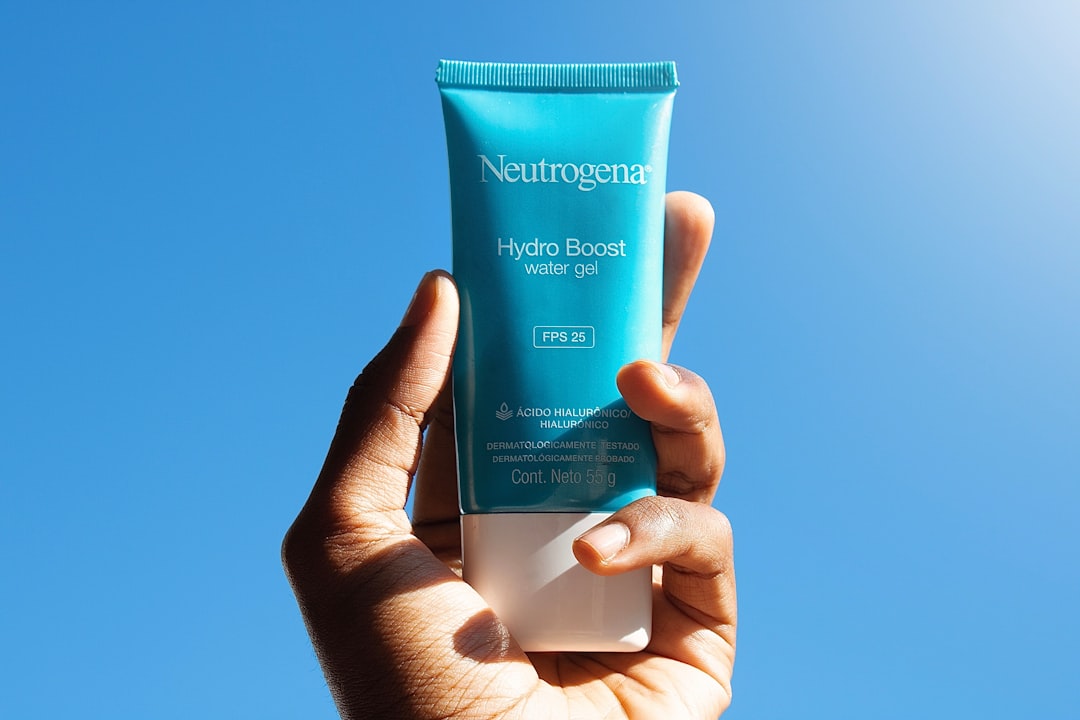
Outdoor construction workers face significant exposure to ultraviolet (UV) radiation during their workday. Prolonged UV exposure increases the risk of developing skin cancer, accelerates skin aging, and can cause various dermatological conditions. Construction sites typically offer minimal natural shade, requiring workers to implement deliberate sun protection strategies.
The physical nature of construction work compounds UV exposure risks. During strenuous outdoor activities, workers experience increased fluid and electrolyte loss through perspiration, which can intensify the harmful effects of UV radiation on the body. Additionally, reflective surfaces common on construction sites, such as metal, concrete, and glass, can amplify UV exposure by redirecting radiation toward workers.
Effective sun protection measures are essential for preventing both immediate effects like sunburn and heat-related illness, and long-term health consequences including melanoma and other skin cancers. Implementing proper UV protection protocols also supports worker performance by reducing heat stress and maintaining hydration levels throughout the workday.
Key Takeaways
- Outdoor construction workers face high risk of sun damage, making sun protection essential.
- Choose broad spectrum sunscreen with appropriate SPF for effective protection against UVA and UVB rays.
- Apply sunscreen properly and reapply every two hours or after sweating to maintain effectiveness.
- Use additional protective measures like hats, sunglasses, and clothing to shield lips, ears, and scalp.
- Stay hydrated, recognize heat-related illness signs, and incorporate sunscreen use into daily work routines for safety.
Choosing the Right Sunscreen for Outdoor Construction Work
When it comes to selecting a sunscreen for your outdoor work environment, you need to consider several factors to ensure optimal protection. Look for a broad-spectrum sunscreen that protects against both UVA and UVB rays. UVA rays penetrate deep into the skin and can lead to long-term damage, while UVB rays are primarily responsible for sunburn.
A broad-spectrum formula will provide comprehensive protection against both types of radiation. Additionally, consider the water resistance of the sunscreen. Since construction work often involves sweating or exposure to water, a water-resistant sunscreen will stay effective longer, allowing you to focus on your tasks without worrying about reapplying frequently.
Choose a sunscreen with an SPF of at least 30, as this level offers adequate protection for most outdoor activities. Remember that higher SPF ratings do not necessarily mean significantly better protection; rather, they provide a marginal increase in UV defense.
Understanding SPF and Broad Spectrum Protection

Understanding SPF (Sun Protection Factor) is crucial for making informed decisions about sun safety. SPF measures how well a sunscreen can protect your skin from UVB rays, which are responsible for sunburn. For instance, if you typically burn after 10 minutes in the sun without protection, an SPF 30 sunscreen theoretically allows you to stay in the sun 30 times longer—about 300 minutes—before burning.
However, this is an ideal scenario and does not account for factors like sweating or swimming. Broad-spectrum protection is equally important as it indicates that the sunscreen protects against both UVA and UVB rays. UVA rays can cause skin aging and contribute to skin cancer, while UVB rays primarily cause sunburn.
This understanding will empower you to make better choices regarding your skin health while working outdoors.
Proper Application Techniques for Sunscreen
Applying sunscreen correctly is just as important as choosing the right product. To maximize its effectiveness, start by applying sunscreen generously to all exposed skin at least 15 minutes before heading outdoors. This allows the active ingredients to bind properly to your skin and provide optimal protection.
Don’t forget commonly overlooked areas such as the back of your neck, tops of your ears, and the back of your hands. When applying sunscreen, use enough product—about an ounce (the size of a shot glass) should cover your entire body. Make sure to rub it in thoroughly and evenly to avoid any missed spots that could lead to sunburn.
Pay special attention to areas that are more prone to burning, such as your nose and shoulders. If you have facial hair or a closely cropped hairstyle, consider using a spray or gel sunscreen that can easily reach the skin beneath.
Reapplication Guidelines for Sunscreen
| Metric | Value | Notes |
|---|---|---|
| Recommended SPF Level | 30-50+ | Broad-spectrum protection against UVA and UVB |
| Reapplication Frequency | Every 2 hours | More frequent if sweating or wiping off |
| Average Daily UV Exposure | 5-8 hours | Typical for outdoor construction workers |
| Water Resistance | Yes (40-80 minutes) | Important due to sweating |
| Common Ingredients | Zinc Oxide, Titanium Dioxide, Avobenzone | Physical and chemical blockers |
| Skin Cancer Risk Reduction | Up to 50% | With consistent sunscreen use and protective measures |
| Additional Protective Measures | Protective clothing, hats, sunglasses | Recommended alongside sunscreen |
Reapplication is a critical aspect of effective sun protection that many outdoor workers overlook. Even if you apply sunscreen correctly at the start of your day, its effectiveness diminishes over time due to sweating, water exposure, and even friction from clothing. As a general rule, you should reapply sunscreen every two hours while working outdoors.
If you are sweating heavily or have been in water, reapply more frequently—ideally every 40 to 80 minutes, depending on the product’s water resistance. To make reapplication easier during your workday, consider keeping a travel-sized bottle of sunscreen in your toolbox or work vehicle. This way, you can quickly reapply without interrupting your workflow significantly.
Remember that even on cloudy days or during winter months, UV rays can still penetrate through clouds and reflect off surfaces like concrete or metal, so don’t skip reapplication even when conditions seem less intense.
Additional Sun Protection Measures for Outdoor Construction Workers

In addition to using sunscreen, there are several other measures you can take to protect yourself from the sun while working outdoors. Wearing protective clothing is one of the most effective ways to shield your skin from harmful UV rays. Opt for long-sleeved shirts and long pants made from lightweight, breathable fabrics that offer UV protection.
Many brands now offer clothing specifically designed for sun safety. Hats are another essential accessory for outdoor workers. A wide-brimmed hat can provide shade for your face, neck, and ears—areas that are particularly vulnerable to sun exposure.
Look for hats made from breathable materials that allow heat to escape while still providing adequate coverage. Additionally, consider wearing sunglasses with UV protection to shield your eyes from harmful rays and reduce glare on bright days.
Importance of Protecting Lips, Ears, and Scalp from Sun Exposure
While you may focus on protecting larger areas of your body from the sun, it’s crucial not to neglect smaller but equally vulnerable areas such as your lips, ears, and scalp. The skin on your lips is thin and sensitive, making it susceptible to sunburn and long-term damage. Use a lip balm with SPF to keep your lips moisturized and protected throughout the day.
Your ears are often overlooked when applying sunscreen but are prone to sunburn due to their exposure during outdoor work. Apply sunscreen directly to your ears or wear a hat with ear flaps for added protection. Additionally, if you have thinning hair or a shaved head, consider using a spray sunscreen or wearing a hat to protect your scalp from direct sunlight.
Tips for Staying Cool and Hydrated in the Sun
Staying cool and hydrated is essential when working outdoors in the heat. Dehydration can exacerbate the effects of sun exposure and lead to heat-related illnesses such as heat exhaustion or heat stroke. Make it a habit to drink water regularly throughout the day—aim for at least eight ounces every hour while working in direct sunlight.
To help regulate your body temperature, take breaks in shaded areas whenever possible. If shade is limited on your job site, consider using portable canopies or umbrellas during breaks to create a cooler environment. Wearing lightweight and light-colored clothing can also help keep you cool by reflecting sunlight rather than absorbing it.
Recognizing Signs of Sunburn and Heat-Related Illness
Being aware of the signs of sunburn and heat-related illnesses is vital for maintaining your health while working outdoors. Sunburn typically presents as red, painful skin that may feel warm or tender to the touch. In severe cases, blisters may form, indicating significant damage to the skin.
If you notice any signs of sunburn during your workday, take immediate action by seeking shade and applying soothing aloe vera or after-sun lotion. Heat-related illnesses can manifest in various ways, including dizziness, excessive sweating, rapid heartbeat, nausea, or confusion. If you experience any of these symptoms while working in the heat, it’s crucial to stop working immediately and find a cool place to rest.
Hydrate with water or electrolyte-replenishing drinks and seek medical attention if symptoms persist or worsen.
Sunscreen Safety and Storage Tips for Outdoor Construction Workers
Proper storage of sunscreen is essential for maintaining its effectiveness over time. Store your sunscreen in a cool place away from direct sunlight; extreme heat can degrade its active ingredients and reduce its protective capabilities. Avoid leaving sunscreen in hot vehicles or exposed areas where temperatures can soar.
Additionally, check expiration dates regularly; expired sunscreen may not provide adequate protection against UV rays. If you notice any changes in color or consistency—such as separation or an unusual odor—it’s best to discard it and purchase a new bottle. By ensuring that your sunscreen is safe and effective, you can better protect yourself from harmful sun exposure while on the job.
Incorporating Sunscreen Use into Daily Routine for Outdoor Construction Work
Incorporating sunscreen use into your daily routine is essential for establishing good sun safety habits as an outdoor construction worker. Start by setting reminders on your phone or calendar to apply sunscreen before heading out each day. Make it part of your morning routine—apply it after showering but before getting dressed so that you don’t forget any exposed areas.
Encourage your coworkers to adopt similar practices by discussing the importance of sun safety during team meetings or breaks. Creating a culture of awareness around sun protection can help everyone stay vigilant about their health while working outdoors. By making sunscreen application a regular part of your daily routine, you’ll be taking proactive steps toward safeguarding your skin against harmful UV rays throughout your career in construction.
Outdoor workers, particularly in construction, face significant risks from prolonged sun exposure, making the use of sunscreen essential for their health and safety. A related article that discusses the importance of sun protection for outdoor workers can be found at heydidyouknowthis.
com/sample-page/’>this link. It highlights the various types of sunscreens available and offers tips on how to effectively apply them to ensure maximum protection against harmful UV rays.
FAQs
Why is sunscreen important for outdoor construction workers?
Sunscreen is essential for outdoor construction workers because they are exposed to harmful ultraviolet (UV) rays from the sun for extended periods. Prolonged UV exposure increases the risk of skin damage, sunburn, premature aging, and skin cancer. Using sunscreen helps protect the skin by blocking or absorbing these harmful rays.
What SPF level is recommended for construction workers?
A broad-spectrum sunscreen with an SPF (Sun Protection Factor) of at least 30 is recommended for outdoor construction workers. SPF 30 blocks about 97% of UVB rays, providing effective protection during long hours outdoors.
How often should construction workers apply sunscreen?
Sunscreen should be applied 15 to 30 minutes before sun exposure and reapplied every two hours. If sweating heavily or after wiping the face, sunscreen should be reapplied more frequently to maintain protection.
Are there specific types of sunscreen better suited for construction workers?
Yes, water-resistant and sweat-resistant sunscreens are better suited for construction workers due to physical activity and sweating. Additionally, non-greasy, quick-absorbing formulas can be more comfortable to wear under helmets and protective gear.
Can sunscreen prevent all sun-related skin damage for outdoor workers?
While sunscreen significantly reduces the risk of sunburn and skin damage, it does not provide 100% protection. It should be used in combination with other protective measures such as wearing hats, long sleeves, sunglasses, and seeking shade when possible.
Is it necessary for construction workers to wear sunscreen on cloudy days?
Yes, UV rays can penetrate clouds, so sunscreen is necessary even on overcast or cloudy days to protect the skin from UV exposure.
What are the common signs of sun damage that outdoor workers should watch for?
Common signs include redness, sunburn, peeling skin, dark spots, rough or leathery skin texture, and new or changing moles. Persistent or severe symptoms should be evaluated by a healthcare professional.
Are there workplace regulations regarding sun protection for outdoor workers?
Some regions have occupational health and safety guidelines recommending or requiring sun protection measures for outdoor workers, including the use of sunscreen, protective clothing, and scheduling work to avoid peak sun hours. Employers should check local regulations and provide appropriate resources.
Can sunscreen cause any side effects for construction workers?
Most people tolerate sunscreen well, but some may experience skin irritation or allergic reactions. It is advisable to test a small amount before regular use and choose sunscreens formulated for sensitive skin if needed.
How should construction workers store sunscreen on the job site?
Sunscreen should be stored in a cool, shaded place away from direct sunlight and extreme heat to maintain its effectiveness. Workers should carry sunscreen in their personal kits for easy access throughout the day.