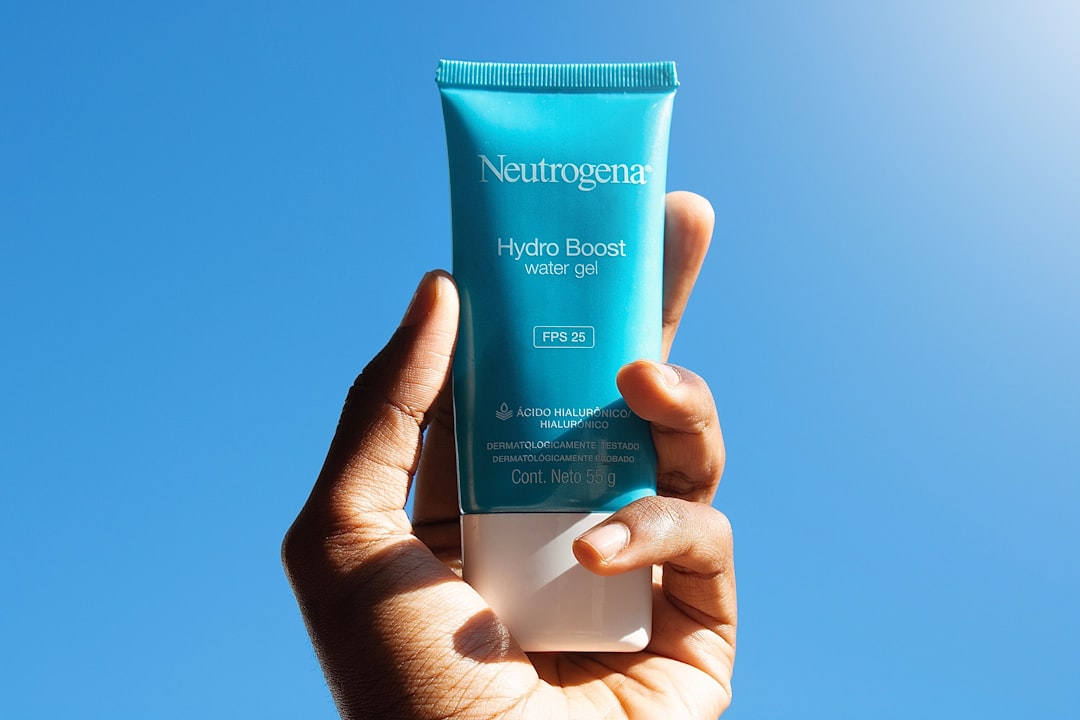
Melasma and hyperpigmentation are common skin conditions that affect individuals across all skin types, with distinct manifestations in darker skin tones. Melasma presents as symmetrical brown or gray-brown patches, predominantly occurring on facial areas including the cheeks, forehead, bridge of the nose, and upper lip. Hyperpigmentation encompasses a broader category of conditions characterized by excessive melanin production, resulting in localized darkening of affected skin areas.
Individuals with darker skin tones experience more pronounced melasma and hyperpigmentation due to naturally elevated melanin levels in their skin. This increased melanin content can intensify the appearance of pigmented areas and complicate treatment approaches, as certain therapeutic interventions may prove ineffective or potentially worsen the condition. Primary contributing factors include hormonal fluctuations (particularly during pregnancy or with oral contraceptive use), ultraviolet radiation exposure, inflammatory skin conditions, and specific medications such as antimalarials and certain chemotherapy agents.
The higher melanin density in darker skin types also increases the risk of post-inflammatory hyperpigmentation following acne, cuts, burns, or other skin trauma. Understanding these condition-specific characteristics and triggering factors enables the development of appropriate prevention strategies and treatment protocols tailored to individual skin types and underlying causes.
Key Takeaways
- Sunscreen is crucial for preventing and managing melasma and hyperpigmentation in dark skin by protecting against UV damage.
- Choosing a sunscreen with broad-spectrum protection and suitable formulation is essential for effectiveness on dark skin.
- Proper application techniques enhance sunscreen efficacy and help maintain even skin tone in dark skin.
- Sunscreen not only prevents pigmentation issues but also plays a key role in reducing skin cancer risk in dark-skinned individuals.
- Integrating sunscreen into a comprehensive skincare routine supports overall skin health and addresses common misconceptions about its use on dark skin.
The Importance of Sunscreen in Preventing Melasma and Hyperpigmentation
Sunscreen is an essential tool in your skincare arsenal, especially when it comes to preventing melasma and hyperpigmentation. The sun’s ultraviolet (UV) rays can trigger the production of melanin, leading to dark spots and uneven skin tone. For you, applying sunscreen daily is not just a recommendation; it is a necessity.
By shielding your skin from harmful UV rays, you can significantly reduce the risk of developing new pigmentation issues. Moreover, consistent use of sunscreen can help prevent existing dark spots from becoming more pronounced. When you expose your skin to sunlight without protection, you are essentially allowing the sun to exacerbate any existing pigmentation problems.
This is particularly important for those with darker skin tones, as the contrast between hyperpigmented areas and your natural skin color can be more stark. By incorporating sunscreen into your daily routine, you are taking a proactive approach to maintaining an even complexion.
How Sunscreen Protects Dark Skin from UV Damage
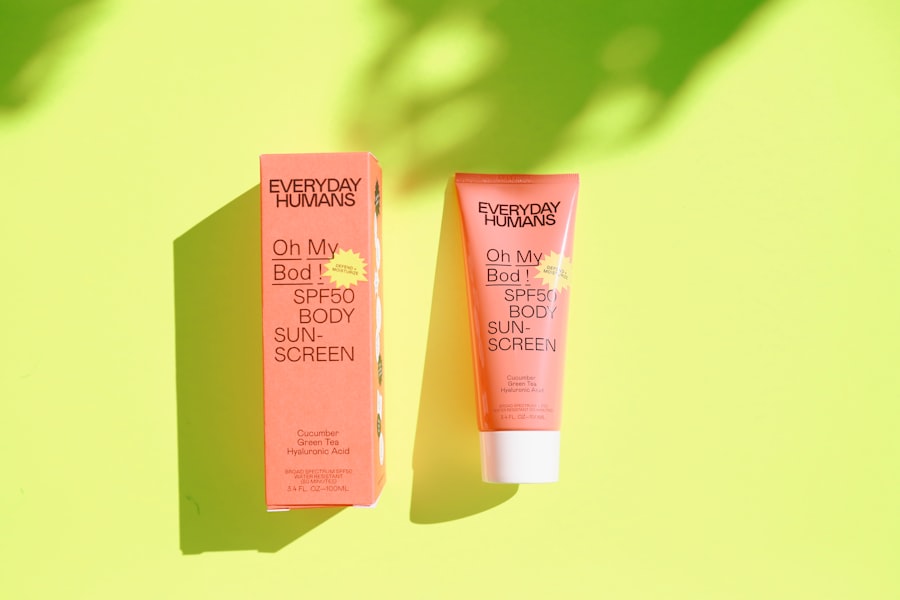
Sunscreen works by creating a barrier that absorbs or reflects UV radiation before it penetrates the skin. For you, this means that applying sunscreen can help prevent the immediate effects of sun exposure, such as sunburn, as well as long-term damage like premature aging and pigmentation changes. The active ingredients in sunscreen—whether chemical or physical—play a crucial role in how effectively it protects your skin.
Chemical sunscreens absorb UV rays and convert them into heat, which is then released from the skin. Physical sunscreens, on the other hand, contain minerals like zinc oxide or titanium dioxide that sit on top of the skin and physically block UV rays. Both types are effective, but you may find that physical sunscreens are less likely to irritate darker skin tones.
Understanding how these products work can empower you to make informed choices about your sun protection.
Choosing the Right Sunscreen for Dark Skin
When selecting a sunscreen for dark skin, there are several factors to consider to ensure optimal protection without compromising your skin’s appearance. Look for broad-spectrum sunscreens that protect against both UVA and UVB rays. This is essential for preventing not only pigmentation issues but also other forms of skin damage.
Additionally, consider the SPF level; an SPF of 30 or higher is generally recommended for effective protection.
Some products can leave a white cast on darker skin tones due to their mineral content.
To avoid this issue, opt for tinted sunscreens or those specifically formulated for darker skin. These products not only provide sun protection but also help even out your complexion, making them a dual-purpose addition to your skincare routine.
Tips for Applying Sunscreen Effectively on Dark Skin
| Metric | Recommended Value/Type | Notes |
|---|---|---|
| SPF (Sun Protection Factor) | 30 to 50+ | High SPF is essential to protect against UVB rays that worsen melasma. |
| UVA Protection | Broad-spectrum (PA++ or higher) | UVA rays penetrate deeper and contribute to hyperpigmentation; broad-spectrum is crucial. |
| Physical vs Chemical Sunscreen | Physical (Mineral) Sunscreens preferred | Zinc oxide and titanium dioxide are less likely to cause irritation and are effective for dark skin. |
| Ingredients to Avoid | Fragrances, alcohol, oxybenzone | These can cause irritation or allergic reactions, worsening pigmentation. |
| Additional Beneficial Ingredients | Niacinamide, antioxidants (Vitamin C, E) | Help reduce pigmentation and protect skin from oxidative stress. |
| Application Frequency | Every 2 hours when outdoors | Reapplication is necessary to maintain protection, especially with sweating or swimming. |
| Texture Preference | Non-comedogenic, lightweight, matte finish | Prevents clogging pores and reduces shine on darker skin tones. |
| Effectiveness in Visible Light Protection | Contains iron oxides | Iron oxides help protect against visible light, which can worsen melasma in dark skin. |
Applying sunscreen effectively is just as important as choosing the right product. For you, this means using enough product to ensure adequate coverage—about a nickel-sized amount for your face alone is a good rule of thumb. Be sure to apply it generously to all exposed areas of your skin, including your ears and neck, which are often overlooked.
Timing is also crucial when it comes to sunscreen application. Ideally, you should apply sunscreen at least 15 minutes before heading outdoors to allow it to absorb properly into your skin. If you’re planning to spend extended periods in the sun or engage in activities that may cause sweating or swimming, reapplication every two hours is essential for maintaining protection.
By following these tips, you can maximize the effectiveness of your sunscreen and protect your skin from harmful UV rays.
The Role of Sunscreen in Treating Existing Melasma and Hyperpigmentation

While sunscreen is primarily known for its preventive benefits, it also plays a significant role in treating existing melasma and hyperpigmentation. When you have these conditions, sun exposure can worsen their appearance and hinder healing efforts. By diligently applying sunscreen daily, you create an environment that allows other treatments—such as topical creams or chemical peels—to work more effectively.
Incorporating sunscreen into your treatment regimen can help stabilize melanin production and prevent further darkening of affected areas. This is particularly important if you’re using products that may increase your skin’s sensitivity to sunlight, such as retinoids or alpha hydroxy acids (AHAs). By protecting your skin from UV damage while undergoing treatment, you enhance your chances of achieving a more even complexion over time.
Common Misconceptions about Sunscreen and Dark Skin
Despite growing awareness about the importance of sunscreen for all skin types, several misconceptions persist regarding its necessity for darker skin tones.
While it’s true that melanin provides a degree of defense against sun damage, it does not eliminate the risk of skin cancer or pigmentation issues.
Another misconception is that darker skin does not experience sunburn or damage in the same way lighter skin does. In reality, while you may not burn as easily, UV rays can still cause significant harm over time, leading to premature aging and increased risk of skin cancer. By debunking these myths and understanding the true role of sunscreen in protecting your skin, you can make informed decisions about your sun care routine.
Sunscreen as Part of a Comprehensive Skincare Routine for Dark Skin
Integrating sunscreen into a comprehensive skincare routine is essential for maintaining healthy skin, especially for those with darker tones prone to hyperpigmentation. Your skincare regimen should include cleansing, moisturizing, and targeted treatments alongside sun protection. A well-rounded routine not only addresses existing concerns but also helps prevent new issues from arising.
Consider incorporating antioxidants into your routine as well; they can help combat free radical damage caused by UV exposure. Ingredients like vitamin C can brighten your complexion and enhance the effectiveness of your sunscreen by providing additional protection against environmental stressors. By viewing sunscreen as one component of a holistic approach to skincare, you can achieve healthier and more radiant skin over time.
The Impact of Sunscreen on Overall Skin Health in Dark Skin
The benefits of using sunscreen extend beyond just preventing melasma and hyperpigmentation; it also contributes significantly to overall skin health. Regular use of sunscreen helps maintain an even skin tone and texture while reducing the risk of developing fine lines and wrinkles associated with sun damage. For you, this means that investing in quality sun protection is an investment in your long-term skincare goals.
Moreover, by protecting your skin from UV rays, you are also reducing the risk of developing other conditions such as actinic keratosis or even skin cancer. This is particularly important for individuals with darker skin tones who may mistakenly believe they are immune to such risks. By prioritizing sunscreen in your daily routine, you are taking proactive steps toward preserving not only your appearance but also your overall health.
Sunscreen and its Role in Preventing Skin Cancer in Dark Skin
While darker skin does have some natural protection against UV radiation due to higher melanin levels, it is not invulnerable to skin cancer. In fact, studies have shown that individuals with darker skin often receive later diagnoses of melanoma and other forms of skin cancer because they may overlook the importance of sun protection. For you, understanding this risk is vital in order to take appropriate measures to safeguard your health.
Using sunscreen regularly can significantly reduce your risk of developing skin cancer by protecting against harmful UV rays that contribute to cellular damage over time. It’s essential to view sunscreen not just as a cosmetic product but as a critical component of cancer prevention strategies. By making it a habit to apply sunscreen daily—regardless of the weather—you are actively participating in protecting yourself from potential health risks associated with sun exposure.
The Future of Sunscreen Technology for Dark Skin
As awareness grows about the unique needs of darker skin tones regarding sun protection, advancements in sunscreen technology are emerging to cater specifically to these requirements. Future formulations may focus on providing better absorption without leaving a white cast while enhancing moisturizing properties tailored for darker complexions. Innovations such as tinted sunscreens that blend seamlessly into various shades will likely become more prevalent.
Additionally, research into new active ingredients that offer broad-spectrum protection while being gentle on sensitive skin will continue to evolve. As consumers like you demand more inclusive options that address specific concerns related to melasma and hyperpigmentation, manufacturers will be encouraged to innovate further in this space. The future looks promising for those seeking effective sun protection tailored specifically for dark skin tones.
In conclusion, understanding the importance of sunscreen in preventing melasma and hyperpigmentation cannot be overstated for individuals with darker skin tones. By choosing the right products and incorporating them into a comprehensive skincare routine, you can protect your skin from harmful UV rays while promoting overall health and well-being. As technology advances and awareness increases, there will be even more options available to meet your unique skincare needs.
For individuals with dark skin experiencing melasma and hyperpigmentation, the importance of sunscreen cannot be overstated. A related article that delves deeper into the effects of sun exposure on melasma and offers tips for effective sun protection can be found here. This resource provides valuable insights into how to choose the right sunscreen and incorporate it into your skincare routine to help manage and prevent further pigmentation issues.
FAQs
What is melasma and how does it affect dark skin?
Melasma is a common skin condition characterized by brown or gray-brown patches, usually on the face. It is more prevalent in individuals with darker skin tones due to higher melanin content, which can make the pigmentation more noticeable and persistent.
Why is sunscreen important for managing melasma?
Sunscreen is crucial in managing melasma because UV exposure can worsen hyperpigmentation. Protecting the skin from UVA and UVB rays helps prevent melasma patches from darkening and reduces the risk of new pigmentation forming.
What type of sunscreen is best for melasma on dark skin?
Broad-spectrum sunscreens with SPF 30 or higher are recommended. Physical (mineral) sunscreens containing zinc oxide or titanium dioxide are often preferred as they provide effective protection and are less likely to cause irritation or leave a white cast on dark skin.
How often should sunscreen be applied for melasma?
Sunscreen should be applied every day, even on cloudy days, and reapplied every two hours when outdoors. Consistent use is key to preventing melasma from worsening.
Can sunscreen alone treat melasma?
No, sunscreen alone cannot treat melasma but is an essential part of a comprehensive treatment plan. Other treatments may include topical lightening agents, chemical peels, or laser therapy, all under the guidance of a dermatologist.
Are there any ingredients in sunscreen that should be avoided for dark skin with melasma?
Sunscreens with harsh chemicals or fragrances may irritate sensitive skin and worsen pigmentation. It is best to choose sunscreens labeled as non-comedogenic, fragrance-free, and suitable for sensitive skin.
Is sun protection necessary indoors for melasma?
Yes, UVA rays can penetrate windows, so wearing sunscreen indoors, especially near windows or when exposed to artificial UV sources, is recommended to protect melasma-prone skin.
Can tinted sunscreens benefit people with melasma and dark skin?
Yes, tinted sunscreens containing iron oxides can provide additional protection against visible light, which can also trigger melasma. They also help to even out skin tone and reduce the appearance of pigmentation.