
You may slather on sunscreen with the best of intentions, aiming to shield your skin from the sun’s harsh rays and the specter of skin cancer. However, a closer examination reveals that beneath the reassuring promise of protection lies a potential minefield of unintended consequences, particularly concerning hormone disruptors. This article will navigate you through the complex landscape of sunscreen ingredients, illuminating the presence and implications of these chemicals, and empowering you to make more informed choices for your health.
You’ve likely encountered the term “hormone disruptor” or “endocrine disruptor” in discussions about environmental health. But what exactly does this mean, and why should it concern you when it comes to your daily sunscreen application?
Defining Endocrine Disrupting Chemicals (EDCs)
For clarity, let’s establish a baseline understanding. Endocrine disruptors are a class of exogenous chemicals that can interfere with the endocrine system, the body’s intricate network of glands and hormones responsible for regulating a vast array of physiological processes. Think of your endocrine system as a finely tuned orchestra, with hormones acting as the musicians, playing their parts to ensure everything from growth and metabolism to reproduction and mood functions harmoniously. EDCs, in this analogy, are like discordant notes or a poorly placed baton, throwing the symphony into disarray.
Mechanisms of Disruption
These chemicals can exert their influence through several insidious mechanisms. They might mimic natural hormones, binding to hormone receptors and tricking cells into initiating a response that shouldn’t occur, or blocking the action of natural hormones, effectively silencing their crucial messages. In some cases, EDCs can directly influence the synthesis, metabolism, or transport of hormones, further muddying the waters of your body’s hormonal communication.
The “Cocktail Effect”
It is essential to recognize that you are rarely exposed to a single EDC in isolation. Instead, you are constantly navigating what scientists refer to as the “cocktail effect” – a cumulative exposure to a mixture of various EDCs from multiple sources, including cosmetics, food packaging, plastics, and household products. The combined impact of these exposures can be greater than the sum of their individual parts, creating a synergistic effect that amplifies the potential for disruption.
Recent studies have raised concerns about hormone-disrupting chemicals found in various personal care products, including sunscreen. These chemicals can interfere with the endocrine system, potentially leading to adverse health effects. For more information on this topic, you can read a related article that delves deeper into the implications of these substances in everyday products by visiting this link.
Common Culprits Lurking in Your Sunscreen Bottles
While the sun protection factor (SPF) on a sunscreen label promises a shield, the very ingredients that provide this defense can also harbor chemicals with endocrine-disrupting properties. Understanding which ingredients to watch out for is your first line of defense.
Chemical UV Filters: The Primary Suspects
The majority of chemical sunscreens utilize organic compounds that absorb UV radiation, converting it into heat that is then released from the skin. While effective at preventing sunburn, many of these filters have come under scrutiny for their potential to disrupt hormonal pathways.
Oxybenzone (Benzophenone-3)
Oxybenzone is a widely used UV filter, lauded for its broad-spectrum protection against both UVA and UVB rays. However, research has linked it to a range of concerns. Studies have demonstrated its ability to bind to estrogen receptors, acting as a weak estrogen mimic. Furthermore, it has been detected in breast milk and urine samples, indicating systemic absorption. Some studies have also suggested potential impacts on thyroid hormones. The widespread use of oxybenzone means your exposure can be significant, especially if you frequently use sunscreens containing it.
Octinoxate (Ethylhexyl Methoxycinnamate)
Another common UVB filter, octinoxate, is also frequently found in sunscreen formulations. Like oxybenzone, it has been shown to exhibit estrogenic activity in vitro. Some animal studies have raised concerns about its potential to interfere with androgen signaling and affect reproductive health. Its presence in environmental waters has also led to concerns about its impact on aquatic life, with documented effects on coral reefs, underscoring its potent biological activity.
Homosalate
Homosalate is a chemical filter primarily used to absorb UVB radiation. While generally considered less potent in its endocrine-disrupting effects compared to oxybenzone or octinoxate, some studies suggest it may also possess weak estrogenic activity. Its lipophilic nature means it can accumulate in the body’s fatty tissues over time, raising questions about long-term accumulation and potential chronic effects.
Octisalate (Ethylhexyl Salicylate)
Octisalate is primarily used to boost UVB protection and enhance the solubility of other UV filters. While research on its endocrine-disrupting potential is less extensive than for oxybenzone or octinoxate, some studies have indicated that it can interfere with thyroid hormone function in laboratory settings.
Avobenzone
Avobenzone is a highly effective UVA filter, often combined with other filters to provide broad-spectrum protection. While its endocrine-disrupting properties are considered less established than some of its counterparts, it is a chemical filter and, as such, warrants consideration within the broader context of chemical sunscreen ingredients. Stability concerns with avobenzone can also lead to the addition of other chemicals, potentially increasing the overall chemical burden.
Preservatives and Other Additives: The Unsung Contributors
Beyond the UV filters, other ingredients commonly found in sunscreens can also contribute to the chemical load your body is exposed to.
Parabens
Parabens are a group of widely used preservatives that prevent the growth of bacteria and mold in cosmetic products, including sunscreens. They have been detected in human tissues and are known to mimic estrogen in the body, leading to concerns about their potential role in hormone-related cancers and reproductive issues. While many brands are now formulating “paraben-free” products, you still need to scrutinize ingredient lists.
Phthalates
Phthalates are a group of chemicals used to make plastics more flexible and are sometimes used as solvents or fragrance enhancers in cosmetics. While not always listed directly on ingredient labels, they can be present as part of “fragrance” or “parfum.” Phthalates are well-known endocrine disruptors, linked to a range of reproductive and developmental problems.
The Science of Suspicions: Evidence of Harm
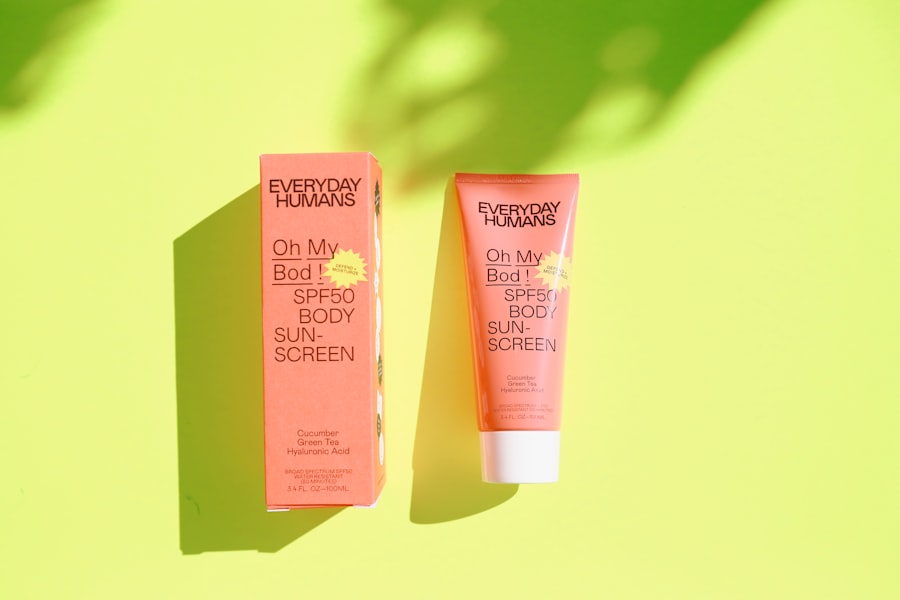
The concerns surrounding hormone disruptors in sunscreens are not merely speculative; they are buttressed by an accumulating body of scientific research, though the full extent of human impact is still an active area of investigation.
In Vitro and In Vivo Studies
Much of the initial evidence linking sunscreen ingredients to endocrine disruption comes from laboratory studies. These experiments, both in vitro (using cells in a lab dish) and in vivo (using animal models), have demonstrated that certain chemicals can indeed interact with hormone receptors and cause changes in hormone levels or function. For instance, studies have shown that oxybenzone can bind to estrogen receptors, leading to an estrogenic response in cells. Animal studies have indicated potential impacts on reproductive development and function.
Human Exposure and Biomarker Studies
Crucially, researchers have moved beyond laboratory settings to investigate human exposure. Studies have found various sunscreen ingredients, including oxybenzone and octinoxate, in the urine and blood of individuals who have recently applied sunscreen. The detection of these chemicals in breast milk raises particular concern for infant exposure. These findings suggest that these ingredients are not simply staying on the skin but are being absorbed into the body.
Potential Health Implications
The potential health implications of chronic exposure to EDCs, including those found in sunscreens, are broad and varied.
Reproductive Health Concerns
A significant area of focus is the impact on reproductive health. EDCs have been linked to issues such as reduced fertility, altered puberty onset, increased risk of endometriosis, and developmental abnormalities in reproductive organs. For men, concerns include sperm count reduction and alterations in hormone balance. For women, the potential disruption of the menstrual cycle and increased risk of hormone-sensitive cancers are points of concern.
Developmental Impacts
The developing bodies of children and fetuses are particularly vulnerable to the effects of EDCs. Exposure during critical windows of development can lead to long-term health consequences, including neurodevelopmental problems, behavioral issues, and an increased susceptibility to chronic diseases later in life.
Metabolic and Other Health Issues
Beyond reproductive and developmental concerns, research is exploring potential links between EDCs and a range of other health issues, including obesity, diabetes, thyroid disorders, and immune system dysfunction. The interconnectedness of the endocrine system means that disruption in one area can have cascading effects throughout the body.
Navigating the Landscape: Your Sunscreen Choices
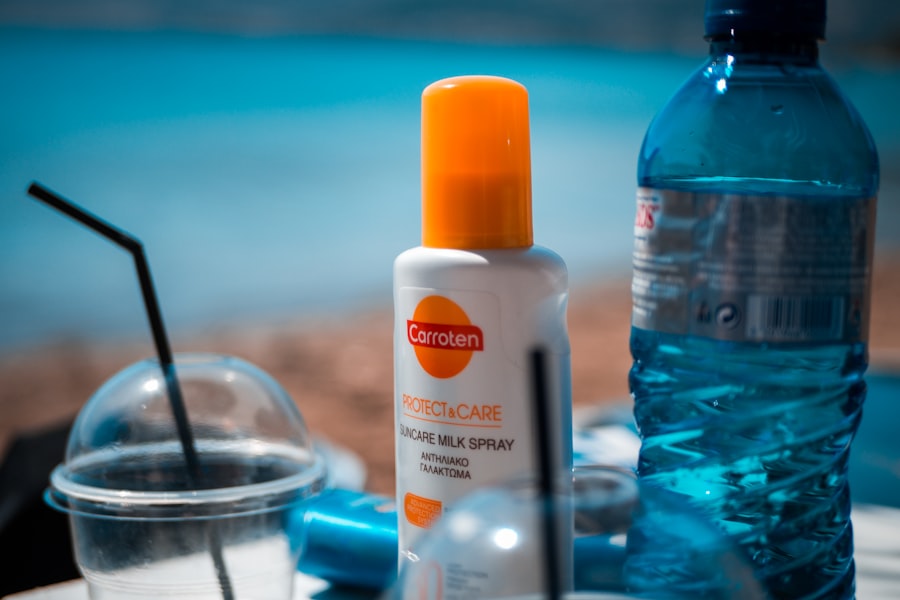
Armed with this knowledge, you are now better equipped to make more conscious decisions about the sunscreens you choose. The goal is not to abandon sun protection entirely but to select products that minimize your exposure to potentially harmful chemicals.
Opting for Mineral Sunscreens: A Solid Defense
Mineral sunscreens, also known as physical sunscreens, offer a compelling alternative to their chemical counterparts. They rely on mineral ingredients, primarily zinc oxide and titanium dioxide, to create a physical barrier on the skin that reflects UV radiation.
Zinc Oxide and Titanium Dioxide: The Stalwart Guardians
These minerals work by sitting on top of the skin and acting as a shield. Unlike chemical filters, they do not absorb UV rays or undergo chemical reactions. The consensus among regulatory bodies is that when formulated as non-nano particles, zinc oxide and titanium dioxide are safe and effective for sun protection. They have a low potential for skin irritation and are generally well-tolerated.
Non-Nano vs. Nano Particles
It’s important to note the distinction between “non-nano” and “nano” particles. Nanoparticles are extremely tiny particles that can, in theory, be absorbed by the skin. While the scientific community is still studying the long-term implications of nano-particle absorption, many opt for “non-nano” formulations to err on the side of caution. Look for labels that explicitly state “non-nano” or ensure the particle size is above 100 nanometers.
Decoding the Ingredient List: A Detective’s Duty
Reading ingredient labels can feel like deciphering an ancient script, but it’s a critical skill in identifying potential hormone disruptors.
Common Chemical Filters to Avoid
As discussed earlier, make a mental note to be wary of ingredients like oxybenzone, octinoxate, homosalate, and octisalate. These are frequently flagged in scientific literature for their endocrine-disrupting potential.
Preservatives and Fragrances: Hidden Hazards
Remember to also scrutinize the presence of parabens and phthalates. If you see “fragrance” or “parfum” listed, understand that this generic term can encompass a multitude of chemicals, including phthalates. Opting for fragrance-free products can be a prudent step.
Look for “Broad Spectrum” and High SPF
While focusing on minimizing chemical exposure, don’t forget the primary purpose of sunscreen: protection. Ensure your chosen sunscreen offers “broad-spectrum” protection, meaning it shields against both UVA and UVB rays. A high SPF (30 or above) is also recommended for adequate protection.
Recent studies have raised concerns about hormone-disrupting chemicals found in various personal care products, including sunscreen. These chemicals can potentially interfere with endocrine function and lead to various health issues. For more in-depth information on this topic, you can read a related article that discusses the implications of these substances on human health and the environment. It’s essential to stay informed about what we apply to our skin, so check out this insightful piece on the subject here.
Beyond Sunscreen: A Holistic Approach to Sun Safety
| Chemical Name | Common Use in Sunscreens | Potential Hormone Disruption | Reported Effects | Regulatory Status |
|---|---|---|---|---|
| Oxybenzone (Benzophenone-3) | UV filter | Estrogenic and anti-androgenic activity | Altered reproductive development, thyroid disruption | Restricted in some regions (e.g., Hawaii, Key West) |
| Octinoxate (Ethylhexyl methoxycinnamate) | UVB filter | Estrogenic effects | Potential reproductive toxicity, endocrine disruption | Banned in some areas due to environmental concerns |
| Homosalate | UVB filter | Possible estrogenic activity | Potential hormone imbalance, bioaccumulation concerns | Allowed but under review in some countries |
| Octocrylene | UVB and UVA filter | Possible endocrine disruptor | Potential thyroid hormone interference | Generally permitted with concentration limits |
| Avobenzone (Butyl methoxydibenzoylmethane) | UVA filter | Low evidence of hormone disruption | Minimal endocrine effects reported | Widely approved and used |
While mindful sunscreen choices are crucial, truly protecting yourself from the sun involves a broader strategy that extends beyond the bottle.
Lifestyle Modifications: The Foundation of Sun Safety
The most effective way to mitigate the risks associated with both UV exposure and sunscreen ingredients is to minimize your overall exposure.
Seeking Shade and Timing Your Sun Exposure
The sun’s rays are strongest between 10 a.m. and 4 p.m. During these peak hours, seek out shade whenever possible. Planning outdoor activities for the early morning or late afternoon can significantly reduce your need for sunscreen and lower your overall UV exposure.
Protective Clothing: An Impenetrable Shield
Clothing is your first and most effective line of defense against the sun. Long-sleeved shirts, long pants, and wide-brimmed hats can block a significant amount of UV radiation. Many companies now offer clothing with built-in UPF (ultraviolet protection factor) ratings, providing an even more robust shield.
Environmental Considerations: Protecting More Than Just Your Skin
Your choices extend beyond your personal health to impact the wider environment. The chemicals that can disrupt your endocrine system can also have detrimental effects on aquatic ecosystems.
Coral Reefs and Aquatic Life
As mentioned, ingredients like oxybenzone and octinoxate have been implicated in coral reef bleaching and can harm other marine organisms. By choosing reef-safe sunscreens, often mineral-based and free from these harmful chemicals, you contribute to the preservation of delicate marine environments.
Advocate for Safer Products
Your purchasing power is a significant force. By supporting brands that prioritize safe, effective, and environmentally conscious formulations, you send a clear message to the industry. Furthermore, engaging with your elected officials and supporting legislation that regulates or restricts the use of harmful chemicals in personal care products can drive systemic change.
In conclusion, while sunscreen is an indispensable tool in your sun-safety arsenal, it’s crucial to approach it with a discerning eye. The potential presence of hormone disruptors in conventional sunscreens necessitates a proactive approach to protect not only your skin from the sun’s harmful rays but also your body’s intricate hormonal balance. By understanding the ingredients, opting for mineral-based alternatives, and embracing a comprehensive sun-safety strategy, you can navigate the summer months and beyond with greater confidence and a healthier approach to sun protection.
FAQs
What are hormone-disrupting chemicals commonly found in sunscreens?
Hormone-disrupting chemicals in sunscreens often include ingredients like oxybenzone, octinoxate, and homosalate. These substances can interfere with the body’s endocrine system by mimicking or blocking natural hormones.
How do hormone-disrupting chemicals in sunscreen affect human health?
These chemicals may potentially disrupt hormone balance, leading to issues such as reproductive problems, developmental delays, and increased risk of certain cancers. However, the extent of these effects depends on exposure levels and individual susceptibility.
Are all sunscreens containing hormone-disrupting chemicals unsafe to use?
Not all sunscreens contain hormone-disrupting chemicals, and many are formulated with safer alternatives. Using sunscreens labeled as “chemical-free,” “mineral-based,” or containing ingredients like zinc oxide or titanium dioxide can reduce exposure to these chemicals.
How can consumers identify sunscreens without hormone-disrupting chemicals?
Consumers should read ingredient labels carefully and look for sunscreens that use mineral-based UV filters such as zinc oxide or titanium dioxide. Avoiding products with oxybenzone, octinoxate, and similar chemicals can help minimize exposure.
What regulations exist regarding hormone-disrupting chemicals in sunscreens?
Regulations vary by country. Some regions have banned or restricted certain chemicals like oxybenzone due to environmental and health concerns. Regulatory agencies continue to evaluate the safety of sunscreen ingredients to ensure consumer protection.