You’ve decided it’s time for new glasses. Perhaps your current prescription is no longer adequate, or maybe you’re simply seeking a style refresh. Whatever your motivation, you’re about to embark on the often-overwhelming pursuit of eyeglass frames and lenses. And within this pursuit lies an art form, a subtle ballet of profit margins and perceived value, that you’ll need to navigate: the eyeglass price theater.
This guide is designed to equip you with the awareness and discernment to understand the pricing strategies employed in the optical industry. It’s not about finding the “cheapest” glasses, but rather about understanding what you’re paying for and how to make an informed decision that aligns with your budget and your needs, free from unnecessary embellishment or inflated claims.
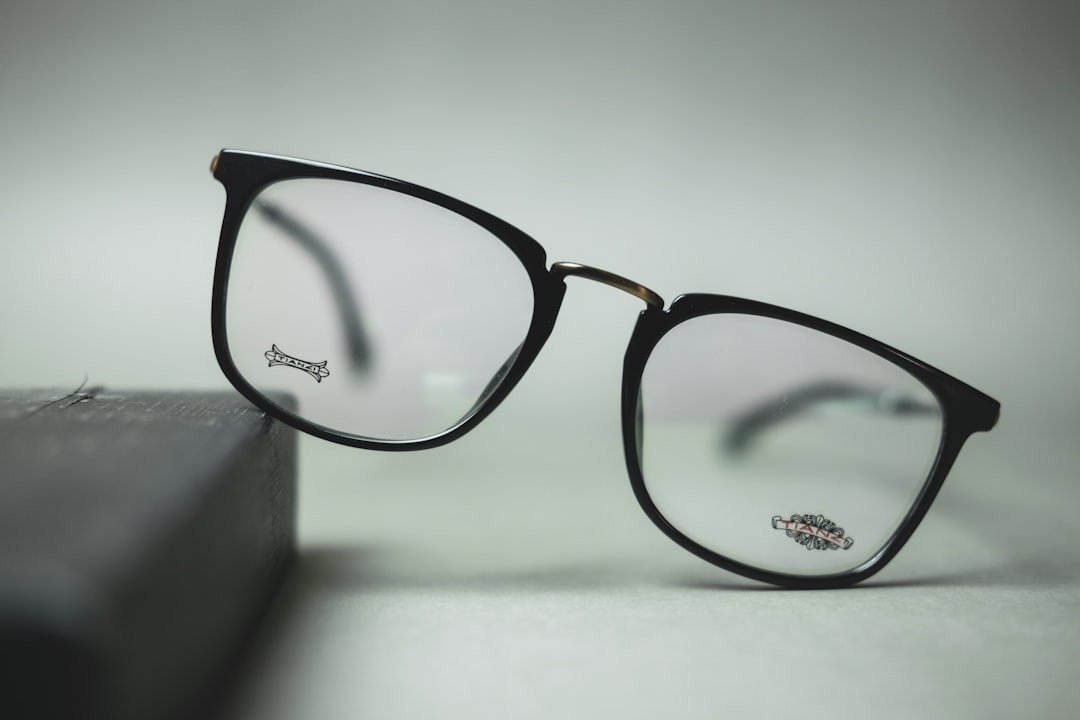
When you walk into an optical shop, the first thing that often strikes you is the sheer volume of frames on display. They are artfully arranged, lit to highlight their contours, and presented as individual wearable sculptures. This presentation is a deliberate part of the perceived value of the frame itself, and it’s a crucial element in understanding eyeglass pricing.
The “Designer” Label and its Weight
The inclusion of a well-known brand name—whether it’s a globally recognized fashion house or a niche eyewear designer—immediately inflates the price. You are, in part, purchasing the association with that brand’s image, its history, and its perceived quality.
What You’re Actually Paying For: Beyond the Logo
While the brand name carries weight, it’s worth considering what constitutes that premium. Is it the materials used? The craftsmanship? The proprietary design elements? Often, a significant portion of the price is tied to marketing, endorsements, and the brand’s overall market positioning. It’s not uncommon for a frame with a prominent designer logo to be manufactured by the same facilities that produce less expensive, unbranded frames. The difference lies in distribution channels, intellectual property licensing, and, you guessed it, branding.
The Power of Exclusivity and Limited Editions
Brands often leverage the concept of exclusivity. Limited edition runs or collaborations can command even higher prices due to their perceived rarity. This taps into the psychological principle of scarcity, making the item seem more desirable simply because it’s not widely available.
Materials: The Foundation of Cost
The materials used in frame construction are a direct determinant of their price. Different materials offer distinct properties in terms of durability, weight, flexibility, and aesthetic appeal.
Acetate: The Versatile Workhorse
Acetate, a cellulose-based plastic, is incredibly popular for its wide range of colors, patterns, and its ability to be molded into various shapes. High-quality acetate can be rich and lustrous, offering a premium feel. However, the quality of acetate can vary significantly, impacting its durability and how well it holds its shape over time. Phrases like “Italian acetate” or “Mazzucchelli acetate” are often used to denote higher quality, and this is often reflected in the price.
Metal Frames: From Basic to Bespoke
Metal frames offer a different aesthetic and feel. Common materials include:
- Monel: A common alloy, generally affordable and durable, but can sometimes cause allergic reactions in sensitive individuals.
- Stainless Steel: Known for its strength, corrosion resistance, and hypoallergenic properties. It’s a more premium option than Monel and often commands a higher price.
- Titanium: A lightweight, strong, and extremely durable material. It’s hypoallergenic and offers excellent flexibility. Titanium frames are typically at the higher end of the metal frame price spectrum due to the cost of the raw material and the precision required in manufacturing.
- Beryllium: Another lightweight and strong option, often used in high-end performance eyewear.
The grade and treatment of these metals also play a role. For instance, a frame plated with gold or rhodium will naturally cost more than one with a simpler finish.
Beyond the Common: Exploring Niche Materials
Occasionally, you might encounter frames made from less common materials such as:
- Wood or Bamboo: These offer a natural, organic aesthetic. The sourcing and craftsmanship involved in working with these materials can contribute to their higher price.
- Horn: Genuine horn frames are a luxury item, prized for their unique patterns and lightweight feel. The ethical sourcing and processing of such materials are significant cost factors.
The Cost of “In-House” Versus “Third-Party” Production
Many eyewear brands, particularly larger ones, have their own manufacturing facilities. This allows for greater control over the production process and potentially lower overall costs per unit. However, it also means they absorb the overhead of those facilities.
Third-party manufacturers, often located in regions with lower labor costs, produce frames for numerous brands. This offers flexibility and can lead to a lower per-unit cost for the brand. Understanding where a frame is manufactured can sometimes offer insight into its pricing, though this information isn’t always readily available or a definitive indicator of quality.
If you’re looking to understand how to spot eyeglass price theater, you might find it helpful to read a related article that delves into the nuances of eyewear pricing strategies. This article offers insights into how retailers often manipulate prices to create an illusion of value, helping consumers make more informed decisions. For more information, check out this informative piece at Hey Did You Know This.
The Lens Landscape: More Than Just Clear Vision
While the frame is the most visible aspect of your eyewear, the lenses are where the true technological investment—and often, the most significant portion of the bill—resides. The complexity of your prescription, coupled with the chosen lens treatments and materials, can dramatically influence the final price.
Understanding Your Prescription: The Foundation of Lens Cost
Your ophthalmologist or optometrist determines your prescription based on your visual needs. The complexity of this prescription has a direct impact on lens manufacturing.
Spherical Lenses: The Basic Correction
These lenses correct for nearsightedness (myopia) or farsightedness (hyperopia). They are the most straightforward to produce and form the base cost for most prescriptions.
Astigmatism Correction: Adding Complexity
When you have astigmatism, your eye’s shape is not perfectly spherical, leading to blurred vision at all distances. Correcting astigmatism requires a cylindrical component in the lens prescription, adding a layer of complexity to the grinding and shaping process.
Presbyopia and Progressive Lenses: The Multivocal Solution
As people age, they often develop presbyopia, making it difficult to focus on near objects. Bifocal and trifocal lenses offer distinct zones for different distances, but progressive lenses provide a seamless transition between distance, intermediate, and near vision.
The “No-Line” Illusion: Advanced Optics at a Premium
Progressive lenses are a marvel of optical engineering. They contain precisely calculated curves that gradually change power across the lens surface. This intricate design requires sophisticated manufacturing technology and advanced lens design software, which is reflected in their significantly higher cost compared to single-vision lenses.
Understanding “Corridor Width” and “Add Power”
Within the realm of progressive lenses, you’ll encounter terms like “corridor width” (the visible area where the prescription changes) and “add power” (the additional magnification for reading). Lenses with wider corridors and higher add powers often involve more complex designs and can thus be more expensive.
Lens Materials: Beyond Standard Plastic
The material from which your lenses are made influences their weight, thickness, and impact resistance.
Polycarbonate: The Impact-Resistant Choice
Polycarbonate is a very impact-resistant material, making it a popular choice for children’s glasses, safety glasses, and for anyone who might be prone to breaking their eyewear. It’s thinner and lighter than standard plastic, but can sometimes have a slightly lower optical clarity.
Trivex: The Balanced Alternative
Trivex is another impact-resistant material that offers a good balance of optical clarity, lightness, and durability. It’s generally considered a superior option to polycarbonate in terms of visual quality.
High-Index Plastics: Thinner and Lighter for Stronger Prescriptions
For individuals with high prescriptions, standard plastic lenses can become thick and heavy, leading to an aesthetically unappealing “coke-bottle” effect. High-index lenses use materials with a higher refractive index, allowing them to be ground much thinner and lighter while still providing the necessary correction. The higher the index (e.g., 1.60, 1.67, 1.74), the thinner and typically more expensive the lens.
Lens Treatments: Enhancing Functionality and Durability
Lens treatments are coatings applied to the lens surface to improve its performance and longevity. These are often where significant markups occur, as they offer perceived added value.
Anti-Scratch Coatings: A Standard Expectation
Virtually all modern lenses come with an anti-scratch coating. This is considered a baseline feature, yet it’s often presented as an optional add-on or bundled service, contributing to the overall price.
Anti-Reflective (AR) Coating: Reducing Glare, Increasing Clarity
Anti-reflective coatings minimize reflections off the lens surface, both from ambient light and from internal reflections of your own vision. This leads to clearer vision, reduced eye strain, and makes your eyes more visible through the lenses.
The “Multi-Coat” Myth: Understanding Different Levels of AR
Not all AR coatings are created equal. Marketing terms like “premium AR,” “super hydrophobic,” or “oleophobic” often denote advanced formulations that repel water and oil more effectively, making lenses easier to clean. While these offer tangible benefits, they also come at a higher price point. Be wary of claims of drastically superior performance without clear evidence.
UV Protection: A Necessary Safeguard
Ultraviolet (UV) protection is crucial for safeguarding your eyes from the damaging effects of UV radiation. Most lens materials offer inherent UV protection, but it’s often promoted as an additional feature, especially in combination with other coatings.
Blue Light Filtering: The Digital Age’s Concern
With increased screen time, blue light filtering lenses have become increasingly popular. These lenses selectively filter out a portion of the high-energy blue light emitted by digital devices, ostensibly to reduce eye strain and improve sleep patterns.
The Science (and Marketing) of Blue Light
The scientific consensus on the long-term effects of blue light exposure from screens is still evolving. While some benefits to eye strain may exist, the marketing surrounding blue light filters can sometimes overstate their efficacy and create a sense of urgency, driving up demand and price.
Photochromic Lenses: Adapting to Light Conditions
Photochromic lenses (like Transitions) darken automatically when exposed to UV light and lighten indoors. This convenience comes at a cost, as these lenses incorporate sophisticated chemical compounds that react to light.
Polarized Lenses: Cutting Glare (Especially for Sunglasses)
Polarized lenses are designed to reduce glare from reflective surfaces like water or snow. While highly effective for sunglasses, they can be a significant addition to prescription eyewear.
The Retail Experience: A Stage for Pricing
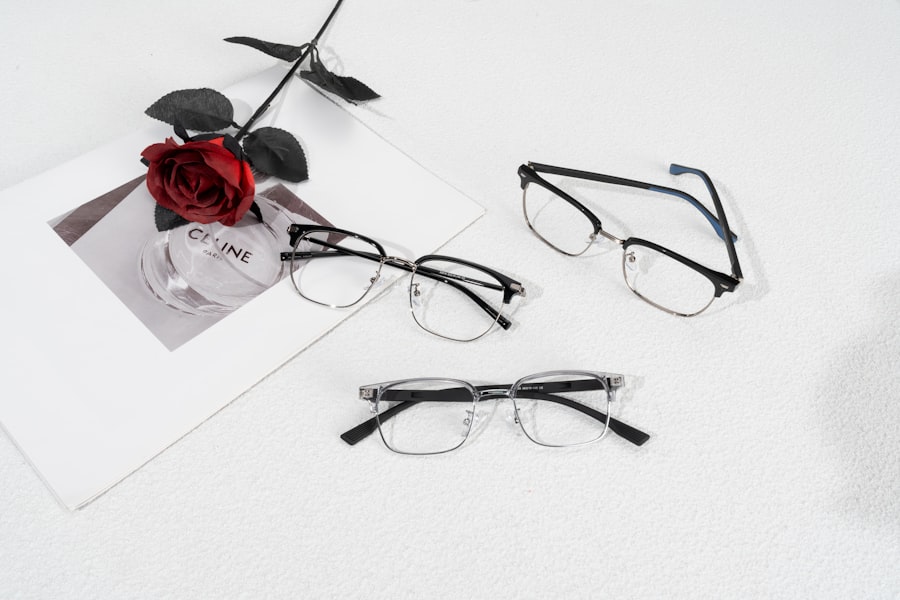
The way eyeglasses are sold significantly impacts their perceived value and, consequently, their price. Optical shops, whether independent or part of larger chains, employ various strategies to present their products and influence your purchasing decisions.
The Optometrist’s Office: Convenience and Integrated Services
Many optometrists offer in-house optical dispensaries. This provides the convenience of getting your eye exam and picking out glasses in the same location.
The “Bundled” Proposition: Exam + Glasses Packages
Often, these integrated services will offer package deals that combine an eye exam with a discount on a pair of frames and lenses. While seemingly a good value, it’s important to dissect the individual costs involved. The bundled price might still be higher than sourcing your prescription and purchasing frames and lenses separately from a specialized optical retailer.
The “In-House” vs. “Referral” Model
Some optometrists may have their own lab or a preferred lab they work with, which can influence pricing. Others might simply refer you to specific optical retailers. Understanding this relationship can provide context.
Independent Optical Boutiques: Curated Selections and Personalized Service
Independent optical shops often aim for a more curated and personalized experience. They may stock unique or niche brands not found in larger chains.
The “Expert” Consultation: Value-Added Service or Upselling Opportunity?
The staff in these boutiques are often highly trained opticians who can offer detailed advice on frame fit, lens options, and style. This expertise is a valuable part of the service, but it can also contribute to higher overheads and, therefore, higher prices. The line between genuine expert advice and persuasive upselling can sometimes be blurred.
The “Brand Aura” and Limited Distribution
These boutiques often pride themselves on carrying specific, often higher-end, brands. The exclusivity of these brands within a particular geographic area can contribute to their higher price point.
Big Box Retailers and Online Giants: Volume, Competition, and Aggressive Pricing
Large retail chains and online eyewear providers operate on a high-volume, low-margin model. They leverage economies of scale to offer competitive pricing.
The “Loss Leader” Strategy: Drawing You In
You might see exceptionally low prices on certain frames or basic lens packages. These can act as “loss leaders” designed to attract customers. Once you’re in the door or on the website, the upsell opportunities for premium lenses, coatings, and designer frames come into play.
The Appeal of the “Deal”: Discounts and Promotions
These retailers frequently run aggressive discount campaigns, especially around holidays or seasonal sales. While these can offer genuine savings, it’s important to compare prices and understand what the “original” price was truly representative of. Was it an inflated manufacturer’s suggested retail price (MSRP), or a genuinely competitive price?
The Online Advantage (and Disadvantage): Price Transparency and Risk
Online retailers offer unparalleled price transparency. You can easily compare prices across multiple platforms. However, this convenience comes with a trade-off: you cannot try on frames physically, and the fitting process is dependent on accurate measurements and trusting the online display. Returns can also be more cumbersome than at a physical store.
The Hidden Costs and “Add-Ons”
Beyond the initial price tag for frames and lenses, there are often a multitude of add-on services and less obvious costs that contribute to the final bill. Being aware of these can prevent sticker shock.
“Protective” Cases and Cleaning Cloths: Standard Necessities Marketed as Extras
A case to protect your glasses and a microfiber cloth for cleaning are essential accessories. In many retail environments, these are presented as optional purchases or included with higher-end packages.
Frame Adjustments and Repairs: When is it Included?
Minor adjustments to the fit of your frames are often part of the service when you purchase glasses from a physical store. However, more significant repairs or ongoing adjustments might incur additional charges, especially if the glasses were not purchased from that establishment.
Extended Warranties and “Protection Plans”: Evaluating the True Value
Many optical retailers offer extended warranties or “protection plans” that cover accidental damage, scratches, or loss.
What Do They Actually Cover? The Fine Print Matters
It’s crucial to read the terms and conditions of these plans very carefully. Many have limitations on what they cover, deductibles, or require specific conditions to be met for a claim to be valid. Often, the cost of these plans over several years might exceed the cost of simply replacing a damaged pair of glasses.
The “Peace of Mind” Premium
The appeal of these plans lies in the psychological benefit of “peace of mind.” For some, especially those prone to accidents or with very expensive eyewear, this might be a worthwhile investment. For others, it might represent an unnecessary expenditure.
Rush Orders and Expedited Service: Paying for Speed
If you need your glasses quickly, you will almost certainly be charged a premium for expedited processing and manufacturing. This is a standard practice across many industries, but it’s important to be prepared for this additional cost.
When it comes to understanding the nuances of eyeglass pricing, it’s essential to recognize the concept of price theater, which can often mislead consumers. A related article that delves deeper into this topic can be found here: how to spot eyeglass price theater. By familiarizing yourself with the tactics used by retailers, you can make more informed decisions and potentially save money on your next pair of glasses.
Navigating the Theater: Practical Strategies for Informed Purchasing
| Aspect | Recommendation |
|---|---|
| Brand | Look for well-known and reputable brands |
| Material | Opt for high-quality materials like titanium or stainless steel |
| Lens Quality | Ensure the lenses are made of durable and scratch-resistant material |
| Frame Style | Choose a timeless and versatile frame style |
| Fit | Make sure the glasses fit comfortably and securely |
Understanding the eyeglass price theater is the first step. The next is developing practical strategies to navigate it effectively and make a purchase that aligns with your values and budget.
Do Your Homework Before You Visit
- Know your prescription: Have a clear copy of your current prescription, and understand the lens types and any specific requirements.
- Research frame styles: Browse online or in magazines to get an idea of frame shapes, materials, and colors that appeal to you. This will help you narrow down your search once you’re in a store.
- Set a budget: Before you start looking, determine a realistic price range you’re willing to spend. This will help you avoid impulse purchases of items that are outside your financial comfort zone.
- Check online prices: Compare prices for similar frames and lens options from reputable online retailers to get a baseline understanding of market value.
Ask Targeted Questions
Don’t be afraid to ask questions. The more informed you are, the better equipped you’ll be to make a decision.
- “What is the base price of this frame?”
- “What are the different lens material options for this prescription, and what are their price differences?”
- “What is the cost of the anti-reflective coating on these lenses?”
- “Are there any discounts available for [specific situation, e.g., first-time purchase, student, senior]?”
- “What is included in the stated price of the progressive lenses? Are there different tiers of progressive lens technology?”
- “How does the warranty work for the frames and lenses?”
Be Wary of Pressure Tactics
If you feel rushed or pressured into a decision, it’s a sign to take a step back. A reputable optical provider will allow you time to consider your options. Disengaging from a salesperson who is employing high-pressure tactics is a valid strategy. You can always say, “I need to think about this,” and leave to evaluate your options elsewhere.
Consider Alternative Purchasing Channels
- Online retailers: As mentioned, these can offer significant savings, especially for basic prescriptions. Ensure you are ordering from reputable sites with good return policies.
- Discount optical chains: While they may have a different range of frame selections, they can be a good option for basic eyewear at competitive prices.
- Costco Optical/Warehouse Clubs: If you are a member, these often offer competitive pricing on both frames and lenses.
Focus on Value, Not Just Price
The “cheapest” option is not always the best. Consider the long-term durability of the frames, the quality of the lenses, and the potential for eye strain reduction. A slightly more expensive pair of glasses that fits well, provides clear vision, and lasts for several years can offer better overall value than a cheaper pair that needs frequent replacement or causes discomfort.
By understanding the dynamics of eyeglass pricing and by approaching your purchase with a critical and informed mindset, you can navigate the eyeglass price theater with confidence and secure eyewear that meets your visual needs without being unduly influenced by the theater of perceived value.
FAQs
What is eyeglass price theater?
Eyeglass price theater refers to the practice of artificially inflating the prices of eyeglasses in order to create the illusion of a discount when the price is later reduced.
How can I spot eyeglass price theater?
You can spot eyeglass price theater by researching the average cost of eyeglasses, comparing prices at different retailers, and being wary of exaggerated discounts or limited-time offers.
What are some red flags to look out for when shopping for eyeglasses?
Red flags to look out for when shopping for eyeglasses include constantly changing prices, excessive use of “sale” or “discount” labels, and prices that seem too good to be true.
Why do some retailers engage in eyeglass price theater?
Some retailers engage in eyeglass price theater to create a sense of urgency and encourage impulse purchases, as well as to make their products appear more valuable than they actually are.
What are some tips for avoiding falling for eyeglass price theater tactics?
To avoid falling for eyeglass price theater tactics, it’s important to do thorough research, compare prices, and be skeptical of exaggerated discounts. Additionally, consider shopping at reputable retailers with transparent pricing practices.