
The process of purchasing a vehicle can be a significant financial undertaking, often accompanied by a complex and sometimes opaque negotiation environment. For many consumers, the car dealership can feel like a labyrinth, with potential pitfalls and opportunities for financial missteps. This article aims to equip prospective car buyers with actionable strategies to navigate the dealership experience effectively, mitigating the risk of common “rip-offs” or unfavorable terms. By understanding the common tactics employed and preparing thoroughly, consumers can transform a potentially stressful experience into a controlled and advantageous one.
In the battleground of car negotiations, information serves as your primary weapon and shield. Entering a dealership without comprehensive research is akin to going into a chess match without understanding the rules; the outcome is likely to be unfavorable.
Understanding Vehicle Value
Before even stepping foot onto a car lot, thoroughly investigate the market value of the vehicle you intend to purchase. This includes both new and used models.
Retail vs. Wholesale Price
Familiarize yourself with the distinction between retail and wholesale prices. Dealerships typically purchase vehicles at wholesale and aim to sell at retail. Utilize online resources like Kelley Blue Book (KBB), Edmunds, and NADAguides to ascertain the fair market value for the specific make, model, year, and trim level you are considering. These platforms provide estimated private party sale prices, trade-in values, and dealer retail prices, offering a robust benchmark for negotiation.
Pricing Trends and Seasonality
Research historical pricing trends for the desired vehicle. Certain times of the year, such as the end of the month, quarter, or year, can offer better deals as dealerships strive to meet sales quotas. Understanding these cyclical patterns can provide a strategic advantage in timing your purchase.
Pre-Purchase Inspection (PPI) for Used Vehicles
For used car purchases, a Pre-Purchase Inspection (PPI) by an independent mechanic is not merely recommended; it is an imperative. This step acts as a critical safety net against hidden mechanical issues.
Independent Assessment
Do not rely solely on the dealership’s inspection or assurances. Arrange for a trusted, third-party mechanic to conduct a comprehensive inspection. This typically involves a thorough examination of the engine, transmission, brakes, suspension, and electronic systems. The cost of a PPI is a small investment compared to the potential expenses of undisclosed repairs.
Identifying Red Flags
The mechanic’s report can reveal existing problems, impending failures, or signs of accident damage that might not be immediately apparent. This information provides substantial leverage in negotiations, allowing you to either request repairs, demand a price reduction, or walk away from a problematic vehicle entirely.
When it comes to purchasing a vehicle, many buyers are concerned about being taken advantage of at a car dealership. To help navigate this process, it’s essential to be informed about common tactics used by salespeople. For more insights on how to avoid being ripped off at a car dealership, you can check out this informative article that provides practical tips and strategies. To read more, visit this link.
Finance Smart: Don’t Let Interest Rates Steal Your Savings
The financing department at a dealership can be a significant source of profit, and without careful scrutiny, consumers can find themselves agreeing to unfavorable loan terms. Approaching financing with the same diligence as vehicle selection is crucial.
Secure Pre-Approval
Obtaining pre-approval for a car loan from an external lender (e.g., your bank or credit union) before visiting the dealership is a powerful negotiating tool.
Establishing a Baseline Rate
Pre-approval provides you with a concrete interest rate and set of terms to compare against the dealership’s financing offers. This prevents the dealership from obscuring the true cost of the vehicle by manipulating interest rates. With a pre-approved loan in hand, you enter the finance office as an educated consumer, not a captive audience.
Separating Vehicle Price from Financing
Pre-approval effectively separates the negotiation for the vehicle’s price from the negotiation for the loan terms. This compartmentalization prevents dealerships from engaging in “payment packing,” a tactic where they focus solely on the monthly payment, obscuring the actual vehicle price and inflated interest rates or add-ons.
Scrutinize the Loan Agreement
Once you are presented with a loan agreement from the dealership, meticulously review every clause before signing. Do not feel rushed or pressured.
Understanding APR vs. Interest Rate
Differentiate between the quoted interest rate and the Annual Percentage Rate (APR). The APR includes various fees and charges, thus representing the true annual cost of borrowing. Ensure you are comparing apples to apples when evaluating loan offers.
Hidden Fees and Markups
Look out for undisclosed fees or marked-up charges. These can include document fees, processing fees, and various administrative costs. While some fees are legitimate, others may be negotiable or entirely superfluous. Question any charge you do not understand or that seems excessive.
The Art of Negotiation: Beyond the Sticker Price
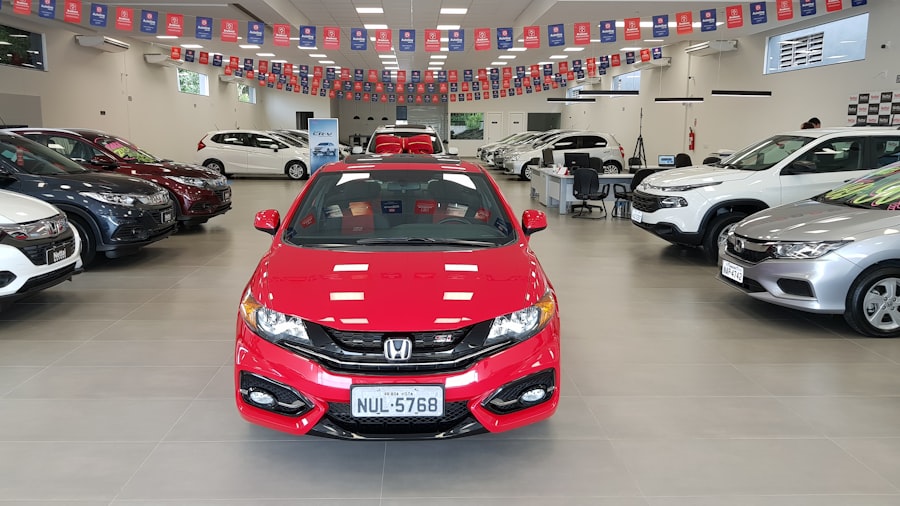
Negotiation is an intrinsic part of the car-buying process. Approaching it strategically, with a clear understanding of your limits and the dealer’s motivations, can yield significant savings.
Focus on the Out-the-Door Price
Shift your focus from individual elements of the deal (monthly payment, trade-in value) to the singular, all-encompassing “out-the-door” price.
All-Inclusive Cost
The out-the-door price includes the vehicle’s sale price, taxes, registration fees, and any agreed-upon add-ons. It represents the total amount you will pay. By focusing on this figure, you prevent dealerships from manipulating various components to create an illusion of a better deal. It’s like looking at the entire forest, not just individual trees.
Avoiding Payment Packing
Dealerships often try to steer negotiations towards monthly payments. While a lower monthly payment sounds appealing, it can disguise a higher total cost due to extended loan terms or inflated interest rates. By insisting on negotiating the out-the-door price, you retain control and clarity over the actual purchase amount.
Be Prepared to Walk Away
The ability and willingness to walk away from a deal is your ultimate leverage in negotiations. It signals to the dealership that you are not desperate and are unwilling to accept unfavorable terms.
Emotional Detachment
Approach the car-buying process with emotional detachment. Do not fall in love with a specific vehicle to the point where it clouds your judgment. There are always other cars and other dealerships. Your budget and financial well-being should always take precedence.
Multiple Dealership Quotes
Obtain quotes from multiple dealerships for the same vehicle. This not only provides a competitive landscape but also empowers you to leverage lower offers against higher ones. If a dealership is unwilling to meet a competitive price, be prepared to take your business elsewhere.
Navigating the Finance and Insurance (F&I) Office: A Minefield of Up-sells

The Finance and Insurance (F&I) office is often the final hurdle in the car-buying journey and the primary venue for dealerships to significantly boost their profit margins through various add-ons and extended warranties.
Decline Unnecessary Add-ons
The F&I manager will present a plethora of supplementary products, many of which offer minimal value to the average consumer.
Extended Warranties and Service Contracts
While an extended warranty might seem appealing, carefully weigh its cost against its potential benefits. Many new vehicles come with comprehensive manufacturer warranties. Third-party extended warranties often have numerous exclusions and limitations. Research their reputation and coverage thoroughly, and consider if the added expense genuinely provides peace of mind or is an unnecessary burden. It’s like purchasing an umbrella when the forecast promises clear skies for months.
Rust-proofing, Paint Protection, and Fabric Protection
These add-ons are frequently overpriced and often duplicative of factory treatments. Modern vehicles typically come with excellent rust protection and durable finishes. Many of these “protections” offer little more than superficial benefits at a premium cost.
GAP Insurance
Guaranteed Asset Protection (GAP) insurance can be beneficial, particularly if you’re financing a significant portion of the vehicle’s value or are upside down on a previous loan. However, dealerships often mark up GAP insurance significantly. Compare their offer with quotes from your auto insurance provider or other financial institutions; you will often find it cheaper elsewhere.
Scrutinize All Documents Before Signing
Rushing through the signing process in the F&I office is a common mistake that can lead to unforeseen costs.
Read Every Line
Take your time to read every document presented to you. Ensure that the agreed-upon price, interest rate, and all other terms are accurately reflected in the contracts. Do not be pressured into signing quickly. If you are unsure about any clause, ask for clarification.
No Blank Signatures
Never sign a blank document or a document with blank spaces that are to be filled in later. This exposes you to potential fraud or the insertion of unfavorable terms after you have committed your signature. Ensure all terms are finalized and legible before you sign.
When navigating the often tricky world of car dealerships, it’s essential to arm yourself with knowledge to avoid being ripped off. One useful resource is an article that provides valuable tips on negotiating the best deal and understanding the fine print. For more insights, you can check out this informative piece on how to protect yourself during the car buying process by visiting this link. By being well-informed, you can ensure that you make a smart purchase without falling victim to common dealership tactics.
Post-Purchase Vigilance: Protecting Your Investment
| Tip | Description | Metric/Indicator | Recommended Action |
|---|---|---|---|
| Research Market Prices | Know the average price of the car model you want. | Price range variance: 5-15% | Use online pricing tools like Kelley Blue Book or Edmunds. |
| Check Dealer Reviews | Assess dealer reputation and customer satisfaction. | Average rating: 4+ stars out of 5 | Choose dealers with high ratings and positive feedback. |
| Inspect the Vehicle | Look for damages, wear, and verify vehicle history. | Number of reported accidents: 0 preferred | Request a vehicle history report and get a mechanic inspection. |
| Negotiate Price | Don’t accept the sticker price; negotiate for a better deal. | Typical negotiation margin: 3-10% | Start with a lower offer and be prepared to walk away. |
| Review Financing Terms | Understand interest rates and loan terms. | Interest rate range: 3-10% APR | Compare with bank or credit union offers before accepting. |
| Watch for Add-ons | Be cautious of unnecessary extras and fees. | Additional fees can add 5-15% to total cost | Decline unwanted add-ons and ask for itemized pricing. |
| Test Drive | Ensure the car drives well and meets your needs. | Test drive duration: 15-30 minutes | Check for unusual noises, handling, and comfort. |
Even after the keys are in your hand, remaining vigilant can prevent potential frustrations and unexpected expenses.
Understand Your Warranty Rights
Familiarize yourself with the specifics of your vehicle’s warranty, whether it’s a new car manufacturer’s warranty or a used car’s limited warranty.
Coverage and Exclusions
Know what your warranty covers, for how long, and what conditions might void it. This knowledge is crucial when seeking repairs and preventing dealerships from charging you for services that should be covered under warranty.
Service Intervals
Adhere to the manufacturer’s recommended service intervals. This not only maintains your warranty validity but also ensures the longevity and performance of your vehicle. Keep detailed records of all maintenance performed.
Review Your Credit Report
After completing your car purchase, it is prudent to review your credit report to ensure accuracy.
Verify Loan Details
Check that the terms of your car loan, including the principal amount and interest rate, are correctly reported by the lender. Immediately address any discrepancies with both the dealership and the credit reporting agencies.
Identify Unauthorized Inquiries
Look for any unauthorized credit inquiries that might have occurred during the financing process. While multiple inquiries within a short period for auto loans are often grouped to minimize impact on your credit score, it’s essential to confirm that all inquiries were legitimately authorized by you.
By adopting these smart strategies, consumers can navigate the car dealership environment with confidence and intelligence. The car purchase process, while often seen as daunting, can be transformed into a transparent and mutually beneficial transaction when armed with knowledge, diligence, and a readiness to assert one’s financial interests. Remember, you are in control of your purchasing power; wield it wisely.
FAQs
1. How can I research a car’s fair market value before visiting a dealership?
You can use online resources such as Kelley Blue Book, Edmunds, and NADA Guides to find the average price for the make, model, year, and condition of the car you are interested in. This helps you understand what a reasonable price range is before negotiating.
2. What should I look out for during a test drive to avoid hidden issues?
During a test drive, pay attention to the car’s handling, brakes, acceleration, and any unusual noises. Check all electronics and features to ensure they work properly. If possible, have a trusted mechanic inspect the vehicle before purchase.
3. How can I avoid unnecessary add-ons and fees at the dealership?
Be cautious of extras like extended warranties, paint protection, and insurance products that may be offered at the dealership. Ask for a detailed breakdown of all fees and question any charges that seem unclear or excessive. You can often decline add-ons or purchase them separately if needed.
4. Is it better to get pre-approved for a loan before going to a dealership?
Yes, obtaining pre-approval from your bank or credit union gives you a clear idea of your budget and interest rate. It also strengthens your negotiating position since you can compare the dealer’s financing offer against your pre-approved loan.
5. How can I negotiate effectively to avoid overpaying at a car dealership?
Start by making an offer based on your research of the car’s value. Be prepared to walk away if the dealer does not meet your price. Stay calm, avoid revealing your maximum budget, and focus on the total price rather than monthly payments to get the best deal.